


Car Cover Size Chart for BMW X3: The Right Size Class and Fit by Year
BMW X3 Car Cover Size Class
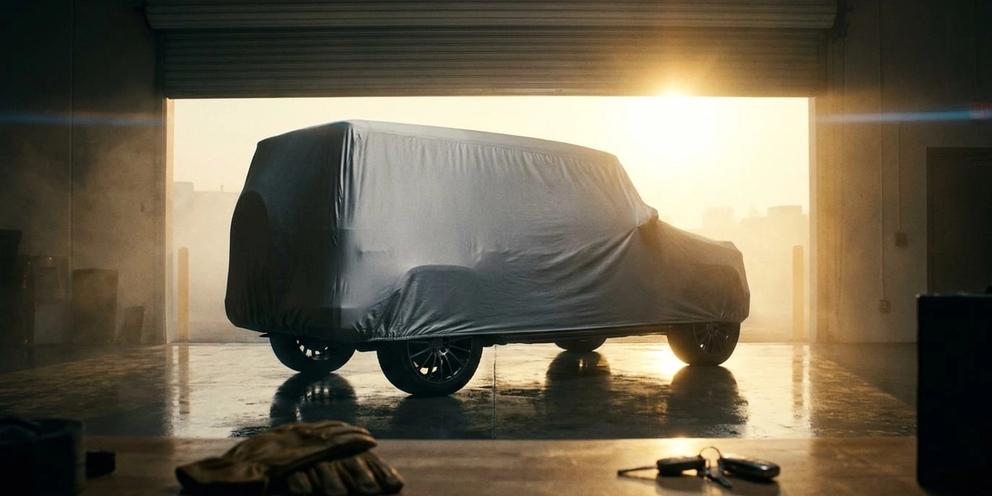
Here's the short answer: the BMW X3 sits in the Midsize SUV size class, running roughly 180 to 187 inches long depending on which generation you've got. It's not a compact SUV, and it's not a full-size SUV either, even though it can feel like a bigger vehicle once you're parked next to a RAV4.
This matters more than people expect. Grab a "compact SUV" universal cover and you'll end up with fabric that stops short at the bumpers, leaving the nose and tail exposed to rain and sun. Go the other direction and order a "full-size SUV" cover, and now you've got yards of extra material billowing around in the wind, which does nothing for the paint and everything for your blood pressure during a storm. Getting the size class right is really the whole game when you're shopping off a chart instead of a VIN-specific fit tool.
The tricky part with the X3 specifically is that it's grown over three generations. The E83 (2004-2010), F25 (2011-2017), and G01 (2018-present) all carry different exterior dimensions, so "BMW X3" alone doesn't tell you enough. A car cover size chart for BMW X3 needs to be broken down by generation, not just by model name, or you're guessing.
If you'd rather skip the measuring and size-class math altogether, custom-fit car covers are patterned to the exact generation and trim, so there's no bracket to second-guess in the first place.
BMW X3 Car Cover Size Chart by Generation and Year
Below is a generation-by-generation breakdown of the X3's approximate factory dimensions and the size class each one lands in.
| Generation/Chassis Code | Model Years | Length (in) | Width (in) | Height (in) | Recommended Cover Size Class |
| E83 | 2004-2010 | 179.9 | 73.0 | 65.7 | Midsize SUV |
| F25 | 2011-2017 | 183.5 | 74.1 | 66.0 | Midsize SUV |
| G01 | 2018-present | 186.3 | 74.4 | 66.0 | Midsize/Large SUV crossover size |
A few inches might not sound like much, but it's the difference between a cover that clears the bumper overhangs and one that doesn't. The G01 in particular pushes close to large SUV territory, so if you're covering a newer X3, don't assume the same size you used on your old E83 will still work.
One footnote worth taking seriously: trim add-ons change the fit math even within the same size class. Roof rails, running boards, and the M40i's rear spoiler all add bulk that a universal cover has to stretch around. Two X3s from the same generation, one base and one M40i, can fit the same universal cover noticeably differently.
How to Measure Your BMW X3 Before Ordering
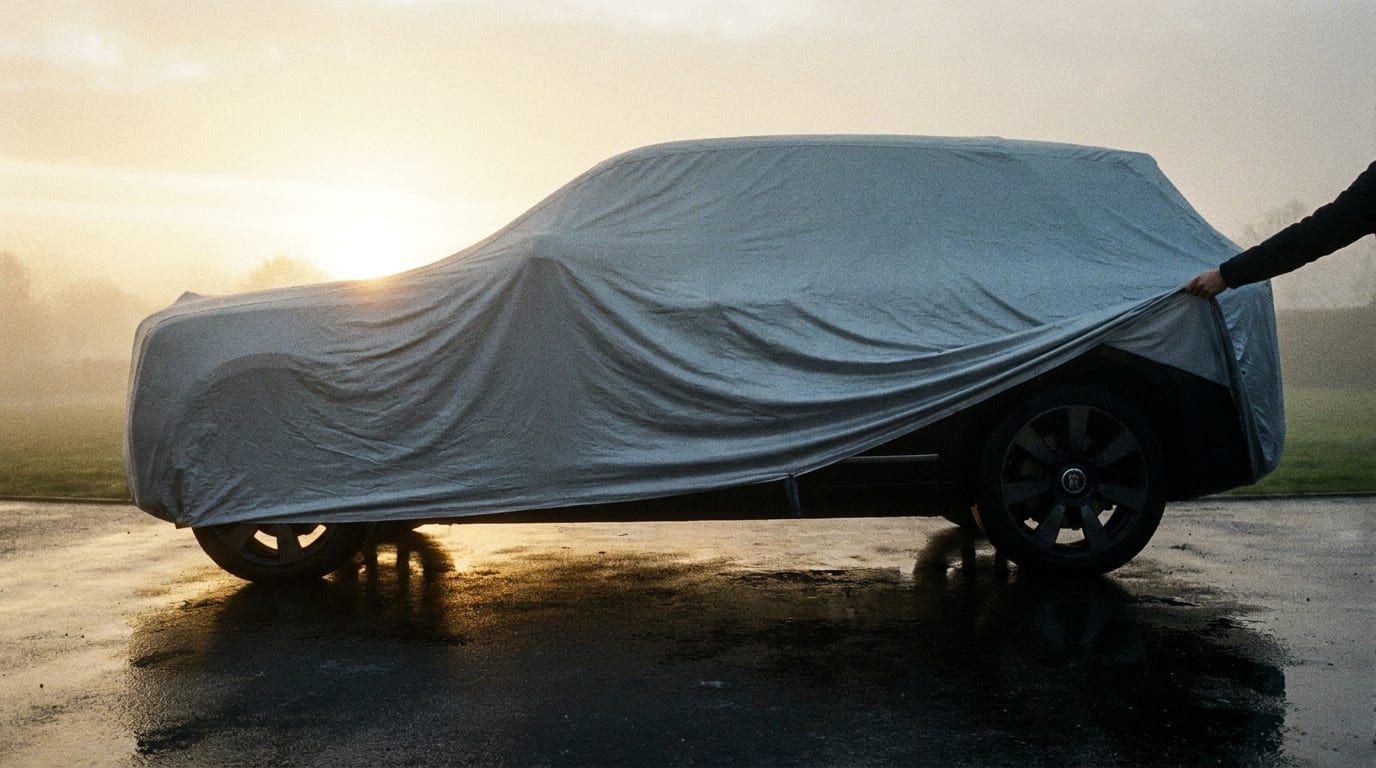
Don't skip this step just because you've already found your generation in the chart above, measuring your actual vehicle is still worth the five minutes.
Park on level ground, then measure bumper-to-bumper for total length. Next, fold the mirrors in and measure the widest point of the vehicle, which is usually across the body just below the mirrors. Finally, measure roofline height from the ground straight up, including any roof rack.
A couple of things worth doing before you trust any of these numbers:
- Check the door jamb sticker or your owner's manual for the factory dimensions on your specific trim. xDrive and M40i variants can run slightly different in width and height than a base X3, thanks to wider tires, different wheel wells, or a raised ride height.
- Measure over any permanently mounted accessories, like roof racks, roof boxes, or a visible antenna. A cover that fits the bare body perfectly can still be too tight once you factor in hardware that's always there.
- Cross-reference your tape-measure numbers against the chart above rather than just picking "Midsize SUV" on a product page and moving on. If your measurements land right at the edge of a bracket, it's worth sizing up.
If measuring by hand feels like more hassle than it's worth, the CoverFinder tool will match your cover to the vehicle's year, make, and model directly, no tape measure required.
Custom-Fit vs. Universal Covers for the X3
Once you know your size class, you've still got a choice to make: universal or custom-fit.
A universal cover sized to "Midsize SUV" will get the job done in the sense that it covers the car. But it's built to fit a range of SUVs within that bracket, not your X3 specifically, so you'll usually see extra fabric bunching at the front and rear overhangs. It's not a bad option, it's just loose by design.
A custom-fit cover is patterned to the X3's specific generation, whether that's the E83, F25, or G01, so the mirror pockets, antenna cutout, and body creases actually line up with your vehicle instead of approximating it. There's a real tradeoff here: universal covers tend to cost less and work across several SUV models, which is appealing if you're covering more than one vehicle or just want basic protection. Custom-fit covers cost more, but they cut down on wind flutter and the fabric rubbing against your paint, since there's no slack for the wind to grab onto.
How much this matters to you really depends on where the X3 lives. A garage-kept car under a loose universal cover barely notices the extra fabric, there's no wind to move it around. A car parked in the driveway or at the curb is a different story: every gust turns slack material into a sanding belt against the clear coat. If you're storing outdoors regularly, it's worth reading up on outdoor car covers and what they're built to handle before deciding which route to take.
You can browse what's actually available for this specific make on the BMW SUV cover page to compare universal and custom-fit options side by side.
Why the Right Size Class Matters for Protection

An oversized cover doesn't just look sloppy, it actively undermines the protection you bought it for. Loose fabric shifts in the wind, and once it shifts, gaps open up at the hem, letting rain, UV rays, and bird droppings reach panels the cover was supposed to block. You end up with a false sense of security: the car's "covered," but not really protected.
Undersized covers fail differently. Instead of flapping loose, they're stretched tight, which stresses the seams and the elastic hem every time there's wind or temperature swings. That stress adds up, and it's usually the seams or the hem elastic that give out first, sometimes years before the fabric itself wears out. And if the cover was too small to begin with, your bumpers were exposed the whole time anyway.
There's also the paint to think about. A properly sized cover sits close enough to the body that there's not much room for fabric to move, which means less rubbing against a clear coat that's a lot more delicate than people assume. A cover that's constantly shifting in the wind is basically fine-grit sandpaper in slow motion.
And seasonally, fit matters even more. In rain or snow, a snug cover sheds water instead of letting it pool in sagging fabric, where it just sits against the paint for hours. If you're deciding between size classes on a car cover size for your vehicle basis, this is the piece that's easy to overlook: the right size isn't just about looking tidy, it's what actually keeps water and sun off the car.
Get the Right Cover for Your BMW X3
The X3 lands in the Midsize SUV class across the board, but the generation you own shifts things by a few inches in each direction, enough to matter when you're picking between size brackets. The chart above is the starting point, not the final word, since trim and accessories can nudge the fit either way.
Rather than eyeballing it from a size chart alone, run your X3's details through a vehicle-specific fit tool to get a match built around your actual year and trim. It takes the guesswork out of a decision that's otherwise just measuring tape and hope.
If you're still weighing custom-fit against universal, there's no wrong answer, just different priorities around cost and fit. Take a look at what fits your BMW X3 best, and if you want more guides like this one, our articles section is worth bookmarking for when the next vehicle question comes up.
Updated