


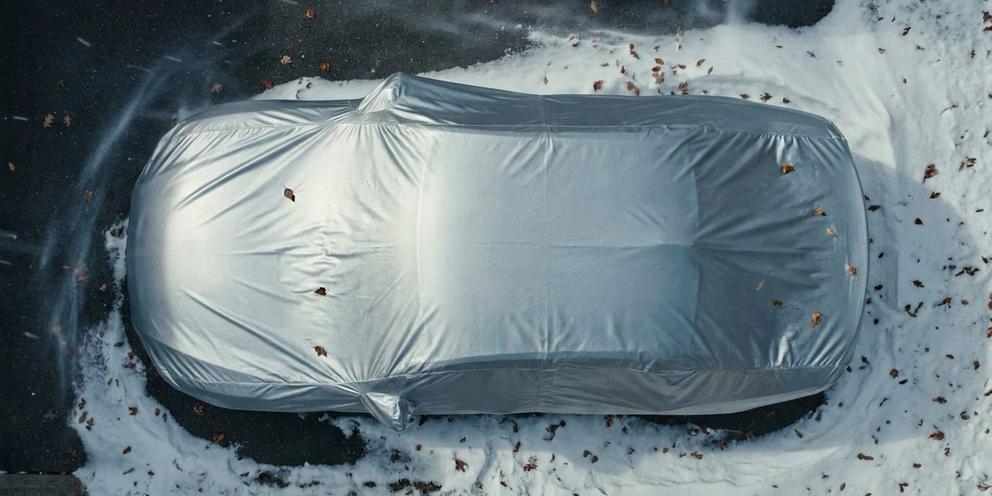
Car Cover Size Chart for Dodge Challenger: Find Your Exact Fit
What Size Car Cover Does a Dodge Challenger Need?
Most Dodge Challengers need a Size 4 cover, the large-coupe bracket that spans roughly 190 to 210 inches in length. That's the standard sizing class you'll see on nearly every universal and semi-custom car cover size chart for Dodge Challenger owners, regardless of which site you're shopping.
The Challenger itself runs about 197.9 to 198.1 inches long depending on the model year, which puts it comfortably in the upper-middle of that bracket. Not a borderline case, not a stretch. A straightforward Size 4 fit, at least on paper.
Here's where it gets more specific, though. If you've got a widebody trim like the Scat Pack Widebody, Hellcat Redeye Widebody, or the Demon, the length math still checks out, but the width doesn't follow the same curve. These cars are noticeably wider than a base SXT or GT, even though they're sized identically by length. A chart that only tracks length won't catch that.
That's the limitation of length-based sizing in general. Size charts classify cars by how long they are, not by model name or trim, so "Dodge Challenger" alone doesn't tell the whole story. The table below breaks it down by year and trim so you can see exactly where your car lands before you buy.
Dodge Challenger Car Cover Size Chart by Year and Trim
| Model Year Range | Trim/Body | Length (in) | Width (in) | Recommended Size Class |
| 2008-2014 | SE/R/T/SRT8 | ~197.7 | ~75.7 | Size 4 |
| 2015-2023 | SXT/GT/R/T (standard body) | ~197.9 | ~75.7 | Size 4 |
| 2015-2023 | Scat Pack Widebody | ~198.1 | ~78.3 | Size 4 (wide-fit/custom recommended) |
| 2015-2023 | SRT Hellcat / Hellcat Redeye Widebody | ~198.3 | ~78.3 | Size 4 (wide-fit/custom recommended) |
| 2018 | SRT Demon | ~197.9 | ~78.3 | Custom recommended (drag radial width) |
A couple inches of width doesn't sound like much until you're trying to stretch a standard-bracket cover over fender flares it wasn't cut for. Worth noting: "Size 4" here is an industry bracket, not something unique to one retailer. It's a starting reference point, the same way "medium" means roughly the same thing across different clothing brands even if the exact cut varies. Use it to narrow things down, then confirm against your specific trim.
If you want to skip the manual lookup entirely, running your year and trim through a cover finder tool will do the matching for you.
Why a Universal Size Chart Isn't the Final Word
Two cars can share a length bracket and still fit a cover differently. Roofline shape, rear spoiler height, fender flare, all of it matters once you're actually draping fabric over the car instead of just measuring it.
A size chart tells you the length bracket. It doesn't tell you whether a given cover is cut for a hardtop coupe profile like the Challenger's, versus a sedan of similar overall length but a completely different roof pitch and trunk line. Those shape differences affect how snugly a cover sits, and how much it flaps around at highway speeds or in a stiff wind.
Then there's the smaller stuff a length-only chart simply doesn't account for: mirror pockets, antenna cutouts, spoiler clearance. None of that shows up in a table of inches. It only shows up once the cover is on the car.
So the size chart gets you in the right range. Closing the gap between "right range" and "fits like it was made for this car" takes two more steps: measuring your actual Challenger, and picking the right cover type for your trim. That's next.
How to Measure Your Dodge Challenger for a Perfect Cover Fit

Don't trust the chart blindly. Four or five minutes with a tape measure will save you a return shipment.
Step 1. Measure total length from the tip of the front bumper to the tip of the rear bumper, straight across. Not bumper-to-bumper minus the overhangs. The full nose-to-tail distance.
Step 2. Measure width at the widest point. If you're on a widebody trim, that means measuring over the fender flares, not the body panels underneath them. Check it with the mirrors folded in and again extended, since that difference matters for how the cover drapes around them.
Step 3. Measure height at the tallest point on the car. On a Scat Pack or SRT trim with a rear spoiler, that's often the spoiler, not the roofline. Easy thing to miss if you're eyeballing it.
Step 4. Write down your exact trim and model year. Hellcat Redeye and Demon dimensions differ slightly from base trims even within the same generation, and that difference is exactly the kind of thing a quick visual estimate glosses over.
Step 5. Compare your numbers against the chart above, and against Dodge's own spec sheet for your model year, before you order anything. If the two don't quite agree, trust your own tape measure over any published figure. Manufacturer specs sometimes list measurements slightly differently than you'd measure them yourself (with or without certain trim pieces, for instance), so your own numbers are the ones that matter most.
Once you've got real measurements in hand, this vehicle cover sizing guide walks through how to weigh them against the size brackets if you want a second gut check before buying.
Custom-Fit vs. Semi-Custom vs. Universal Covers for the Challenger
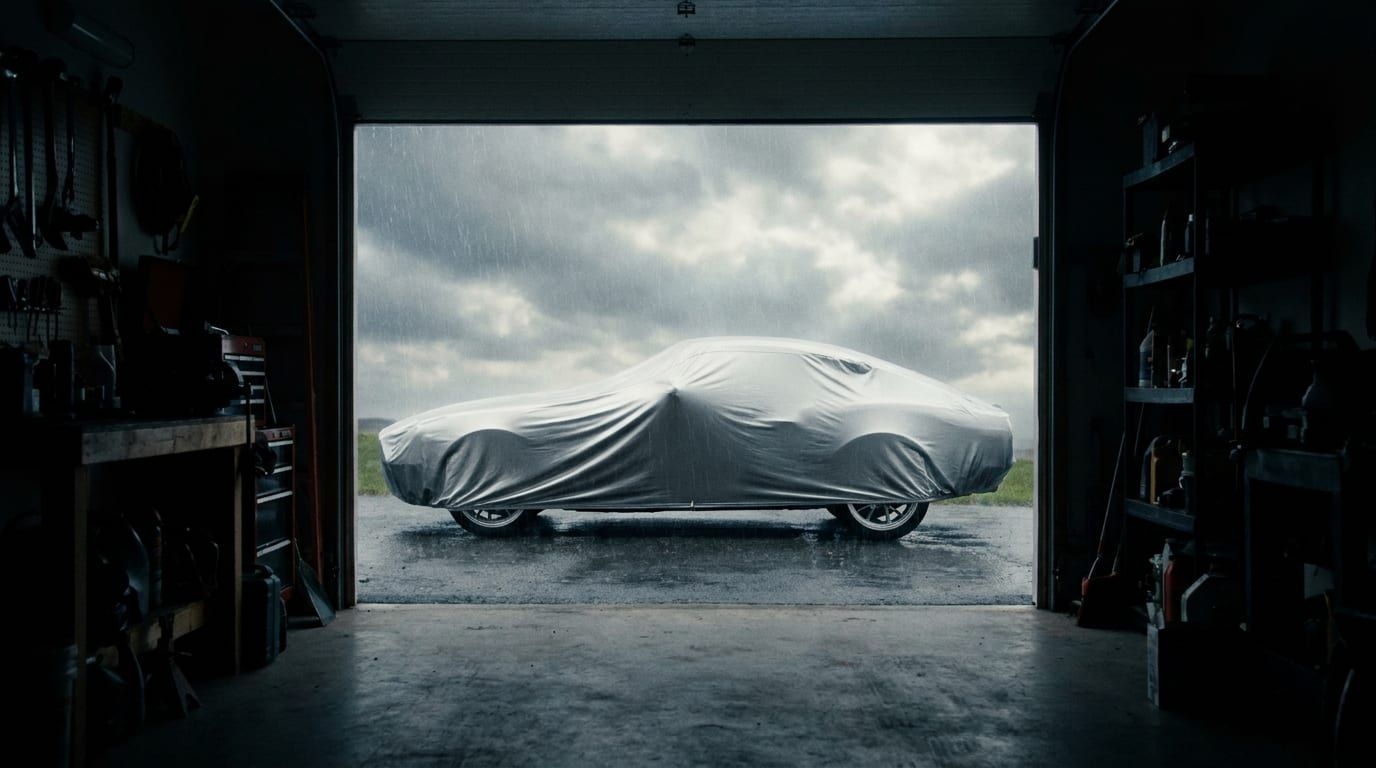
Three tiers here, and the right one depends heavily on which Challenger trim you own.
Universal covers cost the least and cover the widest size range. That flexibility is also the downside: a loose, generic fit means more flapping in the wind and more wear over time from fabric rubbing against itself and the paint.
Semi-custom covers are cut to the size-class bracket from the chart above, Size 4 in the Challenger's case. Better contour than a universal cover, without the full model-specific tooling of a true custom pattern. A reasonable middle ground.
Custom-fit covers are pattern-cut to your Challenger's exact year and trim. Tightest fit around the mirrors, the spoiler, and (critically) the widebody fenders if you've got them.
If you're driving a Scat Pack Widebody, Hellcat, Hellcat Redeye, or Demon, go custom. The wider stance on these trims is exactly the scenario where a semi-custom Size 4 cover starts to show its limits, pulling tight in some spots and sagging loose in others. For base SXT, GT, or R/T owners who keep the car in a garage most of the time, semi-custom is a perfectly sensible call, especially if budget is a factor and the car isn't sitting outside through weather extremes.
Fit Factors Beyond Length: Spoilers, Mirrors, and Widebody Fenders

A few details that don't show up on any length chart but affect fit every single day you use the cover.
Widebody fenders on Scat Pack and Hellcat trims add several inches of width that a base-trim size chart simply won't reflect. That's the single biggest fit variable on this car, bigger than length.
Rear spoilers on R/T Scat Pack and SRT trims push the tallest point of the car further back and higher up than the roofline alone would suggest. A cover without some give here, either a taller cut or an adjustable elastic hem, ends up under constant stress right at the spoiler edge. That's where covers tend to wear through first.
Side mirror size matters too. Some covers include a built-in mirror pocket, others are meant to tuck underneath the mirrors instead. Neither is wrong, but mixing up which one you ordered means a sloppy fit around the A-pillar.
And if you've added an aftermarket antenna, you want a cover with a patch or cutout option rather than one that gets stretched and distorted trying to force the cover over it.
Finding the Right Cover for Your Challenger
The short version: most Challengers land in the Size 4 bracket, but if you're on a widebody Scat Pack, Hellcat, Hellcat Redeye, or Demon, size up your thinking to custom-fit rather than leaning on the general chart alone.
A size chart gets you close. It won't replace actually confirming your year and trim before you buy, so run your numbers through a cover finder tool rather than guessing from a table. You can also browse what's available for your car directly on the Dodge cover page.
One more decision worth making before you check out: indoor storage versus outdoor exposure. That choice shapes which material you need just as much as the size chart shapes which cut you need, so it's worth sorting out both before you order.
If you're still weighing options or just want to keep learning about keeping your Challenger in good shape, our car covers hub and ongoing articles are a good place to dig further.
Updated