


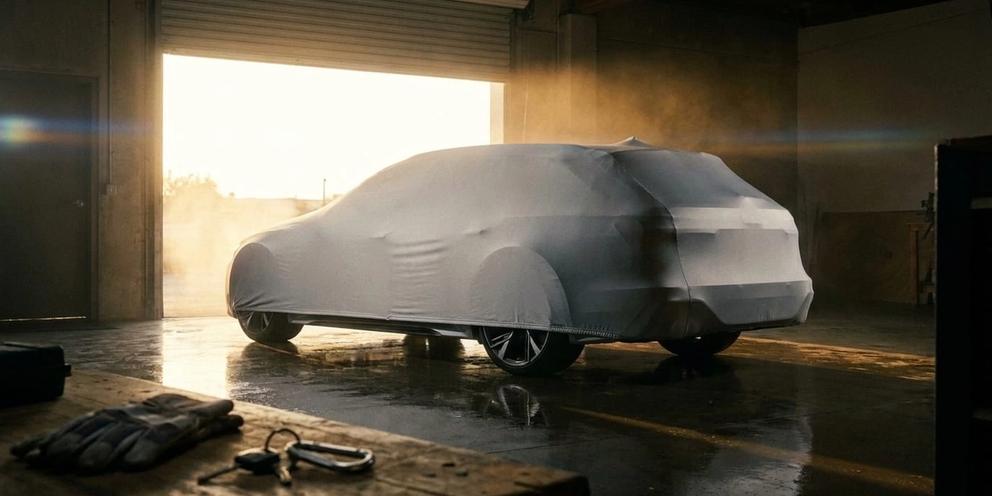
Car Cover Size Chart for Subaru Outback: Find Your Exact Fit
If you've ever stood in a parking lot trying to decide between "SUV" and "wagon" on a cover packaging label, the Subaru Outback is exactly why that question exists. It's built on a wagon platform but wears SUV-like proportions, and that in-between shape is the whole reason a generic car cover size chart for Subaru Outback searches turn up mixed answers. Here's the short version: the Outback is a midsize SUV/wagon for cover-fit purposes, across nearly every year it's been sold. The rest comes down to generation and trim.
Subaru Outback Cover Size Class: Midsize SUV/Wagon
Straight answer first. The Outback sits in the midsize SUV/wagon cover size class, and has since the 2000 model year. Length has barely moved in 25 years, staying in the 187 to 191 inch range no matter the generation. That kind of consistency is rare for a vehicle that's been redesigned five times.
It's a wagon, yes, but don't let that word steer you toward a compact sedan size chart. On standard universal size charts, Outback dimensions land squarely in midsize SUV territory, not compact car and not full-size SUV either. Think Honda CR-V or Toyota RAV4 length class, just with a longer rear overhang and lower roofline in the older models.
What makes the Outback trickier than a typical crossover is the shape itself. You've got a raised ride height, factory roof rails on nearly every trim, and a rear liftgate that slopes more than a boxy SUV's does. A cover sized only off "length and width" numbers can still fit badly if it doesn't account for those three things. That's the gap between a cover that technically fits and one that actually holds its shape in a storm.
CarCovers carries both semi-custom covers (sized by class, built for the broader midsize SUV/wagon category) and custom-fit car covers built to the Outback's specific year and trim pattern. Which one makes sense for you depends on your exact generation, your trim, and where the car lives when it's not being driven. That's what the rest of this guide walks through.
Subaru Outback Dimensions by Generation
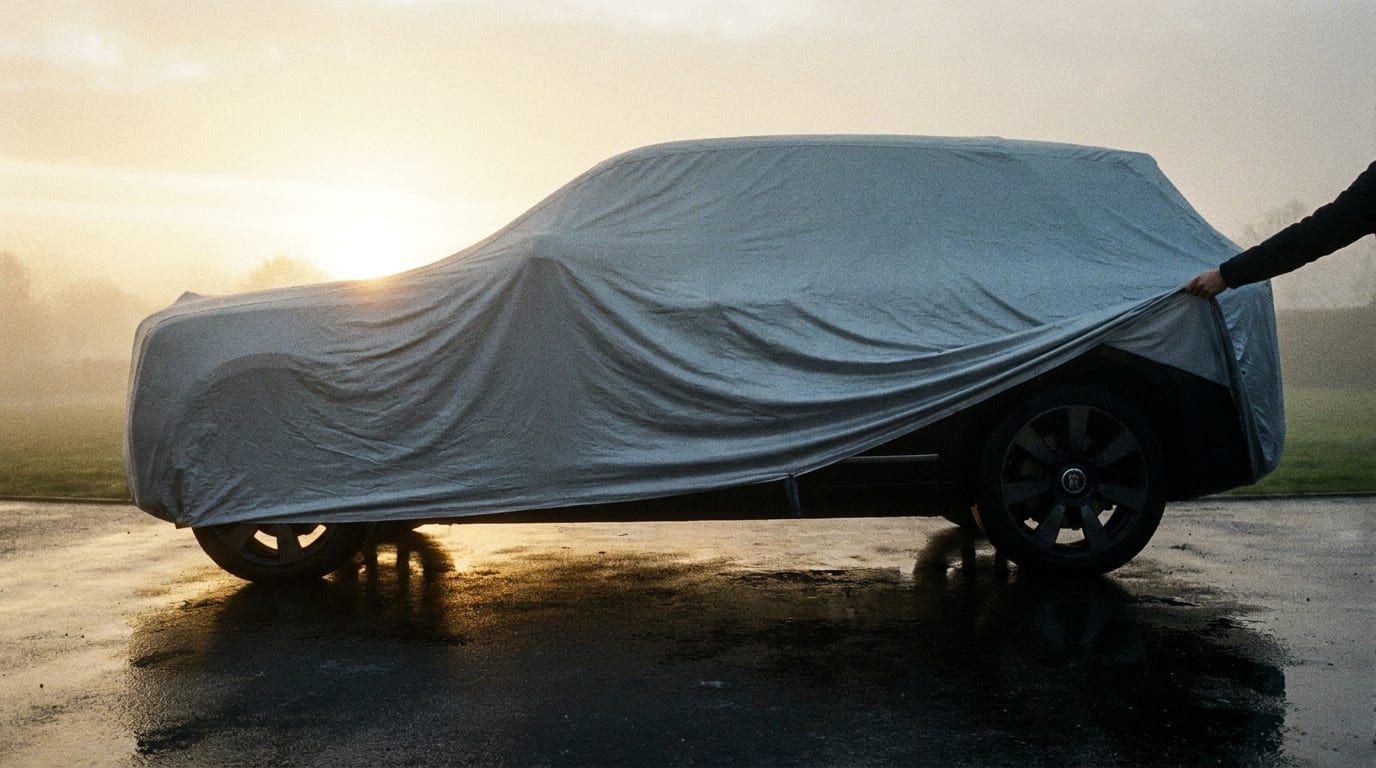
Here's how the numbers break down by generation. These are approximate factory specs, pulled from the base trim in each generation's standard configuration.
| Generation/Years | Length (in) | Width (in, excl. mirrors) | Height (in) | Recommended Cover Size Class |
| 2020-2025 (6th gen) | 191.3 | 73.0 | 66.1 | Midsize SUV/Wagon |
| 2015-2019 (5th gen) | 189.6 | 72.4 | 66.1 | Midsize SUV/Wagon |
| 2010-2014 (4th gen) | 189.6 | 71.7 | 66.0 | Midsize SUV/Wagon |
| 2005-2009 (3rd gen) | 188.0 | 68.3 | 62.7 | Midsize SUV/Wagon (lower profile) |
| 2000-2004 (2nd gen, Legacy Outback wagon) | 187.8 | 68.1 | 60.8 | Midsize SUV/Wagon (lower profile) |
A few things jump out here. Width grew nearly 5 inches between the 2nd and 6th generations, and height climbed over 5 inches too. That's a meaningfully taller, wider vehicle today than the Legacy Outback wagon your parents might remember.
Trim matters too, and it's worth saying plainly: these numbers shift. The Wilderness trim, for instance, adds height through all-terrain tires and a taller suspension lift, so a 2022 Wilderness isn't going to match the base trim figure exactly. If you're working off this car cover size chart for Subaru Outback and you've got a lifted or off-road trim, treat the table as a starting point, not gospel.
Why Getting the Exact Outback Size Matters
Fit isn't a nice-to-have here. It's the difference between a cover that protects the car and one that just sits there looking like it's doing something.
Go undersized and the cover won't close fully around the liftgate and rear bumper. That gap is an open invitation for rain, dust, and whatever's blowing around your driveway to get underneath, which honestly defeats the point of covering the car at all.
Go oversized and you get a different problem: a universal cover with too much slack flaps in the wind. Over weeks and months, that flapping fabric rubs against the clear coat and causes fine scratches, the kind you don't notice until the paint looks dull under direct light. Loose covers also won't cinch down around roof rails, so you lose one of the few anchor points that actually keeps the cover in place during a windy night.
Roof rails are a bigger deal than people assume. Most Outback owners have them, and a lot run rooftop cargo boxes for ski trips or camping gear. Both change the vehicle's effective height, and a cover that doesn't account for that extra clearance either won't fit over the box or will stretch thin trying to.
Model-year accuracy matters more with the Outback than with most vehicles because the body style actually changed shape, not just size. The 2000-2009 generations are lower and more wagon-like, closer to a jacked-up Legacy than an SUV. From 2010 on, the Outback got taller and boxier, more in line with what people picture when they say "crossover." A cover built around the newer profile won't drape right on the older, lower-slung body, even if the length numbers are close.
How to Measure Your Outback to Confirm Fit
If you want to double-check the chart against your actual car, it only takes a few minutes and a tape measure.
Step 1: Measure total length from the tip of the front bumper to the tip of the rear bumper. Park on level ground first, otherwise you'll get a skewed number.
Step 2: Measure width at the widest point, which is usually the body panels at the fenders, not the mirrors. Fold the mirrors in if you're measuring near them, but don't count extended mirror width in your total.
Step 3: Measure height from the ground to the highest point of the vehicle. On an Outback that's typically the roof rail or the antenna, not the roofline itself. This is the step people skip, and it's the one that causes the most fit complaints later.
Step 4: Compare your three numbers against the generation table above and against your trim's known specs. If your Wilderness-trim Outback is running taller than the base number due to the lift and all-terrain tires, factor that in before you buy.
One more thing. If your Outback has aftermarket add-ons, a roof box, bike rack mounts, a hitch-mounted cargo carrier, skip the measuring tape altogether and go with a custom-fit car cover built for your exact year and trim. Measuring around permanent accessories gets messy fast, and a model-specific cover already accounts for the stock contours you're trying to work around.
Universal, Semi-Custom, or Custom-Fit: Which to Choose for an Outback
Three tiers, three different levels of precision.
Universal covers, sized straight off a general size chart, are the cheapest option on the shelf. They'll technically fit over an Outback's length and width, but they leave the most slack around the wagon's distinct tail shape and roof rails. Fine for occasional short-term use in a garage. Less fine for anything outdoors and long-term.
Semi-custom covers narrow things down by body style, so you're getting something built around the SUV/wagon profile specifically, within a defined length range. For most Outback owners, this is the realistic middle ground: better contouring than universal, lower cost than full custom.
Custom-fit covers are built to your Outback's exact year and trim pattern. They hug the roofline, wrap the mirrors, and follow the rear glass and liftgate slope with no extra material flapping around. If you want the closest thing to a tailored fit, this is it.
My honest take: if your Outback lives outside year-round, or you're in a place with real wind, custom-fit is worth the extra cost. Fit isn't cosmetic here, it's mechanical. A cover that holds tight resists abrasion and wind lift. One that doesn't will eventually scuff the paint it's supposed to be protecting, which is a frustrating way to lose money on something you bought to save money.
Still unsure which tier fits your situation? The size and fit guide walks through the universal versus semi-custom versus custom-fit decision in more depth, with scenarios closer to your own.
Find the Right Cover for Your Subaru Outback
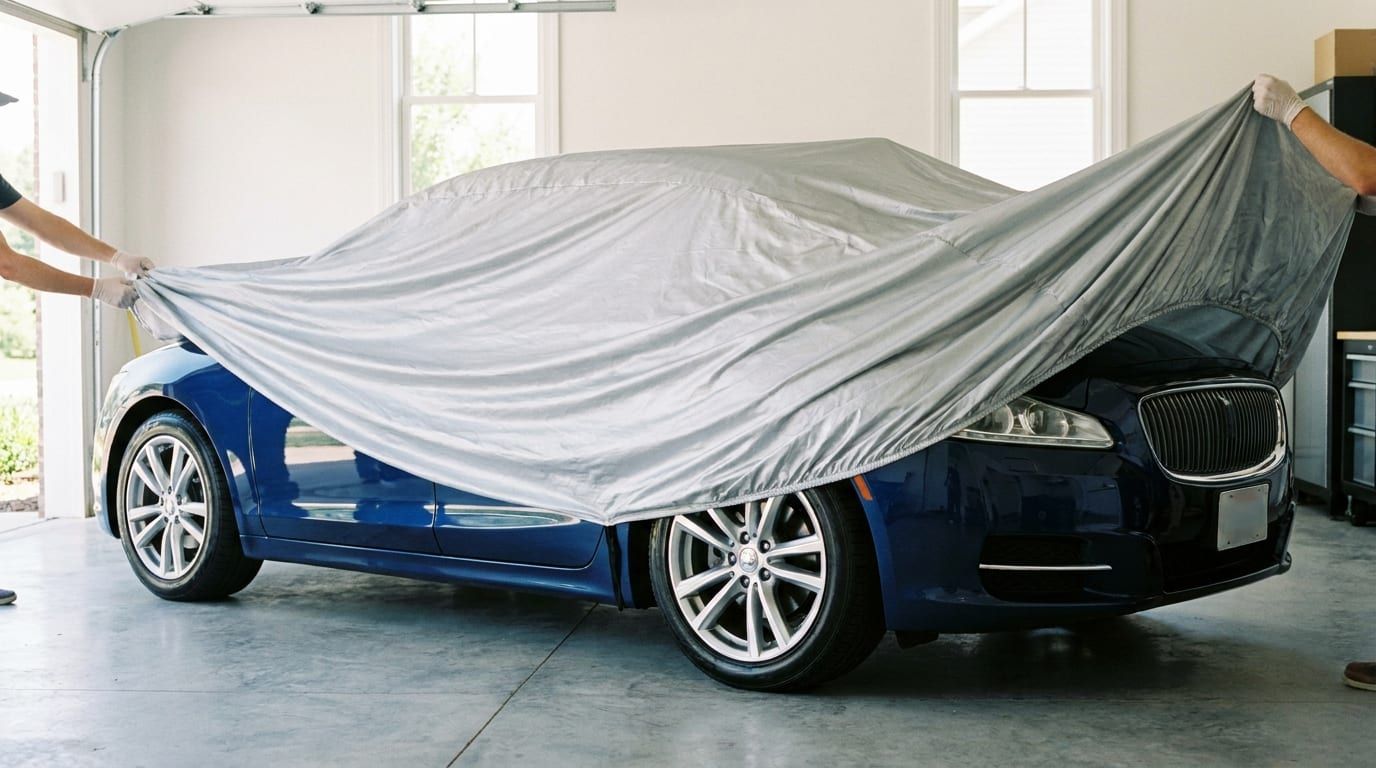
The Outback lands in the midsize SUV/wagon class, that part's settled. What actually determines your best fit within that class is your specific generation and trim, since a 2003 Outback and a 2024 Wilderness are not remotely the same shape despite both technically being "Outbacks."
Browse covers built for Subaru models to see what's available for your specific year, or skip the manual comparison entirely and run your exact year and trim through the cover finder tool to get matched automatically. Either way, worth getting right before you buy. A cover that fits your Outback's actual shape, not just its length on paper, is the one that'll still look good a year from now.
Updated