


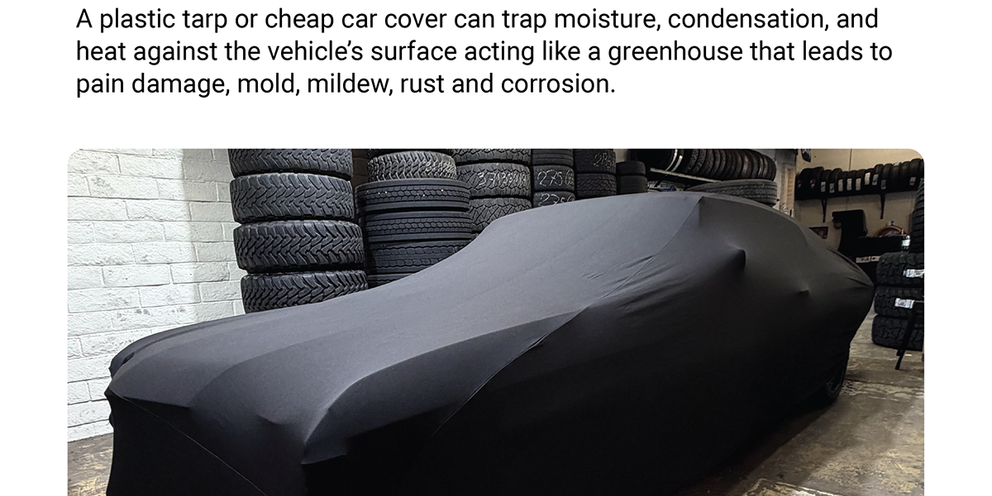
Car Cover Size Chart for the Honda Odyssey: What Size Class You Need
Honda's minivan has a fairly predictable shape from generation to generation, which makes it one of the easier vehicles to place on a size chart. If you've been squinting at a sizing table trying to figure out where your Odyssey lands, the short answer is: Van/Minivan, large class. But there's more to getting a snug fit than just reading off a row on a chart, so let's walk through the full car cover size chart for Honda Odyssey owners and where the real fit variables hide.
The Honda Odyssey's Size Class: Van/Minivan (Large)
The Honda Odyssey, across every generation, measures somewhere around 202 to 205 inches long. That length puts it squarely in the "Van/Minivan" class on most universal car cover size charts, the same bucket you'll find full-size vans and other three-row minivans sitting in.
That class generally spans vehicles from about 195 to 220 inches, so the Odyssey shares real estate with everything from a Toyota Sienna to a Ford Transit Connect on the shorter end. Anything wearing a "van" or "minivan" label on a universal chart is aimed at this whole range, not just your specific van.
Model year matters more than people expect, though. The 2005-2010 Odyssey generation runs a bit shorter and boxier than the 2018-and-up models, which stretched out with more rounded, aerodynamic styling. A universal cover sized for the class average can fit a bit loose on the older, shorter body or a touch tight around the nose of a newer one. It's not a dealbreaker, but it's the kind of thing that shows up as a few extra inches of slack pooling near the bumper.
If you want to skip the guesswork on class fit entirely, a custom-fit car cover is built to the Odyssey's exact year and trim rather than an averaged size range. More on that tradeoff later.
Universal Car Cover Size Chart by Vehicle Class
Here's how the standard sizing tiers break down, so you can see exactly where the Odyssey sits and cross-reference other vehicles in your driveway while you're at it.
| Size Class | Vehicle Length Range | Typical Vehicle Examples |
| Small Car | Up to ~157 in | Honda Fit, Mini Cooper, Mazda MX-5 |
| Midsize Car | ~157-175 in | Honda Civic, Toyota Camry, Mazda 6 |
| Large Car/Sedan | ~175-190 in | Chrysler 300, Honda Accord, Dodge Charger |
| SUV/Small Van | ~190-200 in | Honda CR-V, Toyota Highlander, Ford Escape |
| Van/Minivan | ~195-220 in | Honda Odyssey, Toyota Sienna, Ford Transit |
| Truck/Full-size Van | ~210-240 in | Ford F-250, Chevy Express, RAM ProMaster |
The Odyssey lands in that Van/Minivan row, right in the middle of the range rather than at either edge. That's actually a decent spot to be in: a cover cut for this class isn't stretched to its limit trying to cover you, the way it might be for a vehicle sitting near the class's upper boundary.
One footnote worth flagging: these ranges are bumper-to-bumper length measurements, they don't include side mirrors. Mirror pockets and antenna patches are handled as separate features on most covers, not folded into the base size class. If your Odyssey has running boards or a hitch-mounted accessory, that's also outside what a length-based chart accounts for.
How to Double-Check Your Odyssey's Exact Measurements
A size class gets you in the right neighborhood. Getting the actual fit right means checking three measurements: overall length, width at the widest point with mirrors folded in, and height at the roofline.
For reference, a Honda Odyssey generally runs about 203 inches long, roughly 79 inches wide with mirrors extended, and somewhere between 68 and 70 inches tall. Those numbers shift a little by trim. Touring and Elite trims add running boards and roof rails, which can push the effective width and height slightly beyond the base LX or EX numbers. It's a small difference, but it's exactly the kind of small difference that turns into a cover that won't quite cinch down.
If your van has aftermarket add-ons, roof racks, a bike rack mount, a trailer hitch, running boards that weren't factory installed, don't rely on published specs at all. Go measure it in the driveway. Those additions change the vehicle's real footprint even if the body-in-white dimensions haven't moved an inch.
Honestly, this is the step most people skip, and it's the one that actually matters. A size chart tells you the class. A tape measure tells you the truth. If you'd rather not do the math yourself, CarCovers' fit tool lets you confirm sizing by year and trim instead of estimating from a general chart.
Universal vs. Custom-Fit Covers for a Minivan Like the Odyssey

A universal Van/Minivan cover has to work for a lot of different vehicles, which means it's cut with extra room built in on purpose. That generosity is the whole point of a universal size class, and it's also the source of most of its problems. Extra fabric means extra flapping in wind, and flapping fabric means gaps at the seams where rain and road grit can work their way in.
A custom-fit car cover, on the other hand, is patterned to the Odyssey's actual body lines: the mirror shape, the roofline curve, the contour where the sliding doors sit. That last one is a real minivan-specific issue. A universal cover that's slightly off in the door area can bunch up right at the sliding door track, and repeated bunching in that one spot is how covers develop tears well before the rest of the fabric wears out.
If your Odyssey lives in a garage most of the time and only sees a cover during the occasional road trip or storage stretch, a universal cover in the right size class is probably fine. If it's parked outside daily through wind, sun, and rain, the tighter, purpose-built fit of a custom cover earns its keep a lot faster. Worth checking the indoor car cover guide if you're in the garage-only camp, since indoor needs and outdoor needs really are different products.
Signs Your Cover Is the Wrong Size
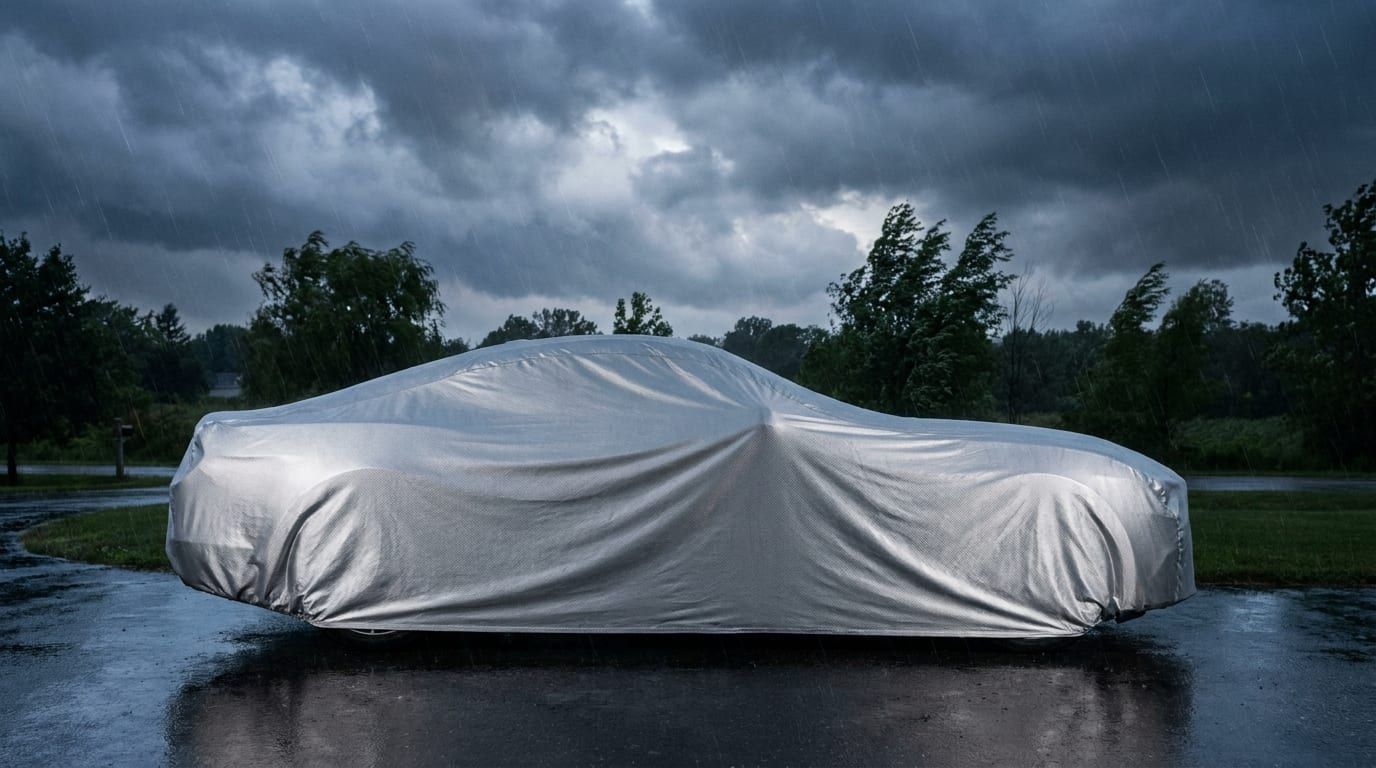
Some fit problems are obvious the first time you throw the cover on. Others sneak up over a few weeks.
Visible signs to watch for:
- Extra fabric pooling on the ground or bunching up around the bumpers
- Gaps at the front or rear that leave painted panels exposed
- Mirror pockets sitting in the wrong spot, or not reaching the mirrors at all
Functional signs tend to show up after the cover's been on a while:
- The whole cover shifts or lifts in wind instead of staying put
- Water collects in loose folds instead of running off
- Straps or elastic hems can't cinch down enough to hold shape
Here's the thing people get backward: an oversized cover is often worse than one that's a bit snug. A cover that's too tight is uncomfortable to install but generally stays put. A cover that's too loose flaps against the paint every time the wind picks up, and that constant low-grade friction is exactly how you end up with fine scratches across the hood and roof over a season or two.
If any of this sounds familiar, it's worth re-measuring against the size guide for your vehicle before buying another universal cover in the same class. If the fit issues keep showing up, that's usually the signal to move to a custom-fit option instead of trying another size in the same generic range.
Choosing the Right Cover Once You Know Your Size

Once you've nailed down the size, the next decision is where and how the cover gets used. Garage storage and daily outdoor exposure call for pretty different materials. A cover that only needs to keep off dust in a garage doesn't need the same waterproofing and UV resistance as one sitting in a driveway through July.
Climate and season play into this too. An Odyssey stored through a snowy winter needs something built to shed moisture and resist the freeze-thaw cycle without stiffening up. One parked outside through a hot, sunny summer needs UV protection that won't let the paint fade or the interior bake. If either of those sounds like your situation, the waterproof car cover guide breaks down what to look for by weather exposure.
Once you know your size class and your use case, checking the Honda van cover page is the fastest way to land on an exact-fit option instead of piecing it together from a generic chart.
Get the Right Fit for Your Odyssey
The Odyssey sits in the Van/Minivan size class, and a chart alone will get you close. But "close" isn't the same as "right." Year, trim, and any aftermarket add-ons all nudge the actual measurements enough to matter, especially at the door tracks and mirror pockets where minivans differ most from regular SUVs.
If you're still not sure which way to go, browse Honda van covers or run your year and trim through CarCovers' fit finder rather than eyeballing it against a size class alone. And once the cover's in hand, how you put it on matters almost as much as the size you bought. A correctly sized cover installed carelessly will still shift, sag, and let water in.
For more guides like this one on getting vehicle protection right, keep an eye on the CarCovers blog. It's worth a bookmark if you've got more than one vehicle to keep covered.
Updated