


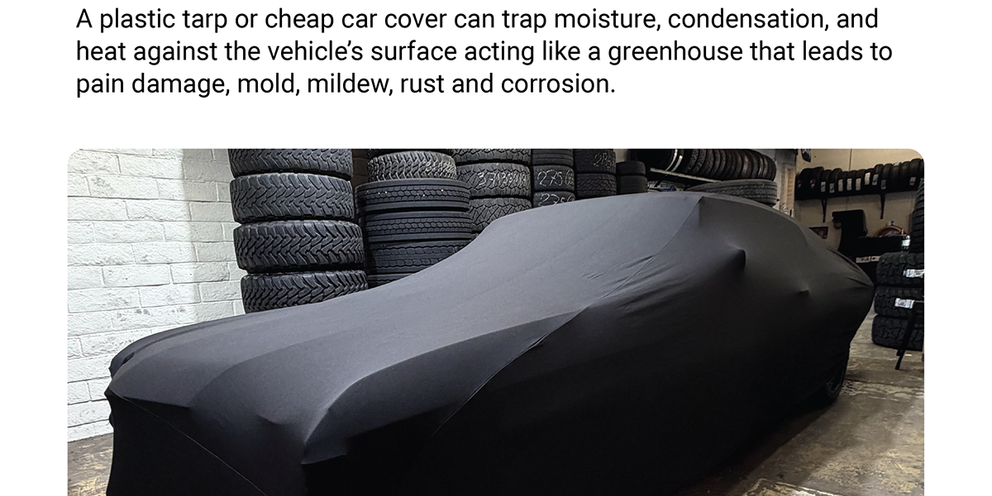
Chevrolet Bolt Car Cover Size Chart: Find Your Exact Fit
Chevrolet Bolt Size Class: Compact
If you're searching for a car cover size chart for Chevrolet Bolt vehicles, here's the short answer: both the Bolt EV and Bolt EUV land in the Compact size class. Not Mid-Size, not Full-Size, despite the EUV stretching the wheelbase out a bit for extra rear legroom.
That "Compact" label covers a wider range of cars than you'd think, which is exactly why the two Bolts need separate attention. The EV is a hatchback. The EUV is a crossover with roughly six inches more length and a slightly taller roofline. A cover cut for one won't reliably seal around the other, even though they share a platform and a badge. Mirror placement differs too, and roofline height changes how a cover drapes over the back glass.
So don't just grab "compact car cover" off a shelf and assume it's close enough. Checking the actual size class against your specific Bolt model matters more than trusting instinct, because the fit problems show up exactly where you'd expect: around mirrors, at the hatch, along the roofline.
Chevrolet Bolt Size Chart (By Model Year and Trim)
Here's how the two Bolt body styles stack up dimensionally.
| Model | Model Years | Length | Width | Height | Recommended Cover Size |
| Chevrolet Bolt EV | 2017-2023 | ~164 in | ~69.5 in | ~62.8 in | Compact |
| Chevrolet Bolt EUV | 2022-2023 | ~169.9 in | ~69.5 in | ~63.2 in | Compact (long) |
Both sit in the same size class on paper, but notice the EUV runs nearly six inches longer with a touch more height. That's enough to matter at the back of the car, where a cover sized tight to the EV would leave the EUV's hatch and bumper exposed.
A quick footnote worth taking seriously: these numbers come from manufacturer specs, and trim packages, wheel upgrades, or option bundles can nudge them slightly. Before you buy, confirm against your own VIN or the door-jamb sticker rather than assuming your Bolt matches the spec sheet exactly. If you want to skip the math entirely, a car cover size and fit finder will match your plate or VIN to the right size.
Why Cover Size Accuracy Matters for the Bolt
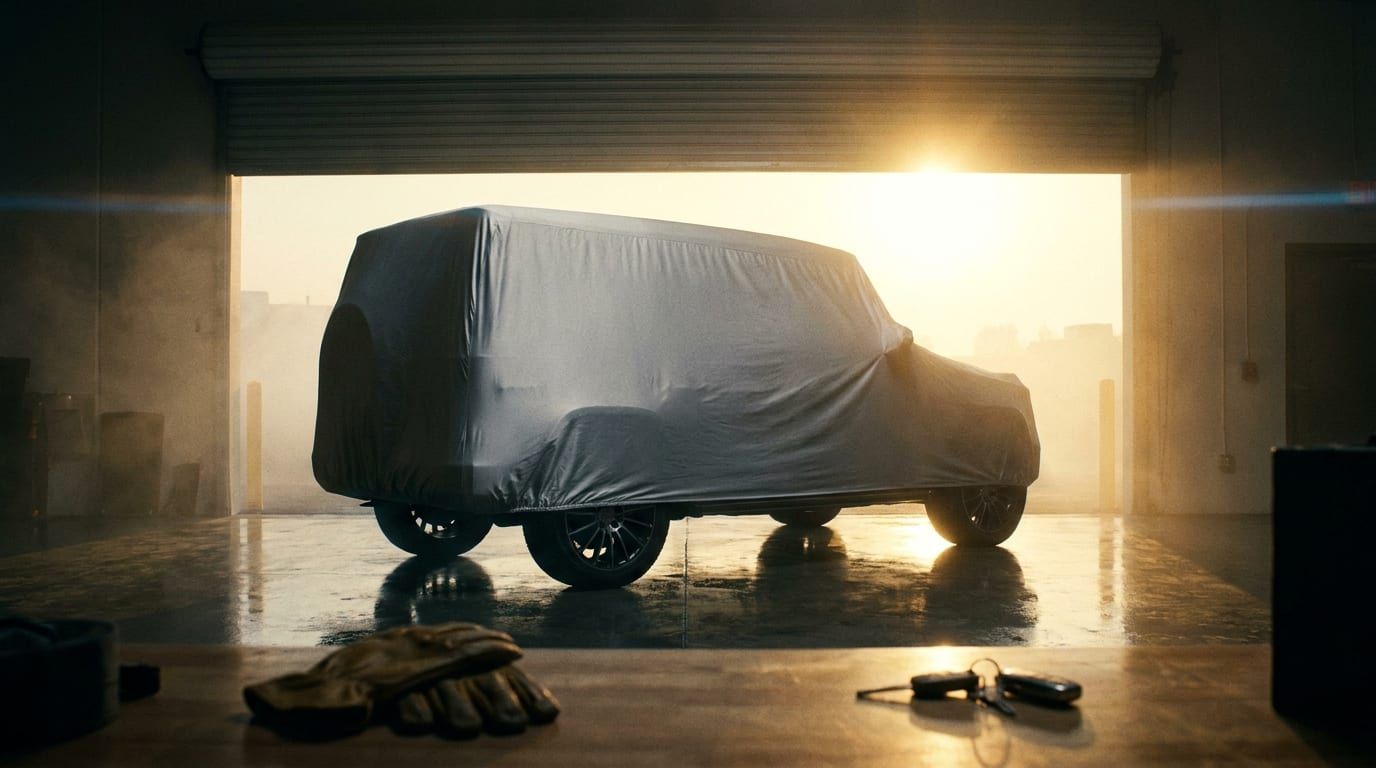
Size mismatches aren't just a cosmetic annoyance. They cost you protection.
A cover that's too big billows in wind. That loose fabric doesn't just look sloppy, it rubs against the paint every time a gust comes through, and over months that's fine grit sanding your clear coat. This is a real issue for Bolt owners who park outdoors near public charging stations, where you're often exposed in open lots with nothing blocking the wind.
Go too small and you get the opposite problem: gaps. The Bolt EUV's rear overhang is longer than the EV's, so a cover that fits the EV snugly will often ride up short on the EUV, leaving the hatch and taillights open to rain and sun. UV exposure on unprotected plastic and trim adds up fast, even if the paint itself seems fine.
There's also the charging port to think about. Plenty of EV owners need to keep that area accessible for top-ups during the day, and universal covers don't always account for this, since they're built around a generic silhouette with no attention to where the port actually sits. Custom-fit car covers are more likely to include port access built into the pattern, while semi-custom options vary by brand. Worth checking before you buy if you charge frequently with the cover on.
How to Double-Check Your Bolt's Measurements
Specs on paper are a starting point. Your actual car is the final word.
Park on level ground first, that matters more than people assume since a slope throws off height readings. Measure bumper to bumper for total length. Then find the widest point, which on a Bolt is almost always mirror to mirror rather than the body itself. Finally measure roofline height from the ground to the highest point of the roof, not including antennas or racks.
No tape measure handy? Chevrolet's factory dimensions are printed on the window sticker if you still have it, or in the owner's manual under vehicle specifications. Either source will get you close enough for standard sizing.
One thing people forget: aftermarket add-ons change the equation. A roof rack, a rear spoiler, or a light bar on a Bolt EUV adds real inches and height that factory specs won't reflect. If you've modified your Bolt at all, measure over the add-on, not just the body.
Custom-Fit vs. Semi-Custom vs. Universal Covers for the Bolt
Three tiers exist here, and they're genuinely different products, not just different price points.
Custom-fit covers are patterned to the exact body lines of the Bolt EV or EUV. They follow the contours precisely, including mirror pockets and antenna cutouts specific to that model. Semi-custom covers are built to the Compact size class generally, shaped around a generic hatchback or crossover silhouette rather than the Bolt specifically. Universal covers are the loosest tier: one shape, stretched to fit a wide range of vehicles by sizing alone.
The tradeoff is predictable. Custom-fit gives you the tightest seal and the best resistance to wind lift, because there's less slack fabric to catch air. Semi-custom splits the difference: decent fit, lower cost, and good enough for most driveway or carport situations. Universal is the budget option, and it shows in the fit, loose at the mirrors, baggy around the bumpers, more prone to the flapping problem we covered earlier.
For Bolt owners storing the car outdoors year-round, semi-custom or custom-fit is the better call. Universal makes sense as a short-term stopgap, like covering a rental or a car you're about to sell, but I wouldn't rely on it for daily outdoor protection. Not if you actually care about the paint.
Picking the Right Material for Your Climate

Fit solves half the problem. Material solves the other half.
If your Bolt lives outside in a wet climate, prioritize a waterproof, breathable fabric over a basic dust cover. Breathability matters as much as waterproofing here, since a cover that seals out rain but traps moisture underneath just creates condensation problems instead. For more on how these fabrics actually work, see our breakdown of waterproof fabric types.
Garage-kept Bolts have it easier. You don't need full weatherproofing indoors, you need protection from dust and the occasional scuff. An indoor car cover built from a lighter, softer material does the job without the bulk of an outdoor-rated fabric.
One detail specific to EVs like the Bolt: the battery pack sits low in the chassis, which changes the car's weight distribution compared to a gas-powered compact. It doesn't affect the cover's fit, but it's worth pairing that low center of gravity with a cover that has reinforced hem elastic, especially if you're charging in open parking lots where wind has nothing to block it. A loose hem is the first place wind gets underneath and starts lifting the whole cover.
Get the Exact Fit for Your Bolt
Here's the rundown: confirm you're shopping Compact, double-check whether you've got the EV or the EUV since that six-inch length gap matters, then pick custom-fit or semi-custom based on where and how the car is actually stored.
If you're still unsure which size lines up with your specific Bolt, run it through a cover finder tool before you buy rather than guessing from a chart alone. It takes the guesswork out of matching your VIN or trim to the right fit.
Take your time with this one. A cover is a small purchase next to the car itself, but getting the size wrong means living with wind noise, flapping fabric, or exposed trim for as long as you own it. Browse the Chevrolet cover lineup when you're ready, or stick around the blog for more fit guides before you decide.
Updated