


Custom-Fit vs. Universal Car Cover for Mazda CX-5: Which One Actually Fits?
Type "Mazda CX-5 car cover" into a search bar and you'll get two very different results: sleek, model-specific covers running $150-plus, and generic SUV covers under $50 promising a "universal fit." Same vehicle, wildly different price tags, and the product pages rarely explain why. That gap is exactly what trips people up.
This isn't a general explainer on how car covers work. It's a direct comparison built around the CX-5's actual body, its wheel arches, its steeply angled hatch, its roofline, and what happens when a cover isn't cut to match those specifics. If you're deciding between a custom fit car cover for Mazda CX-5 and a generic universal one, here's the short version before we get into the details: custom-fit wins for anyone parking outdoors regularly or who cares about how the car looks under wraps. Universal only makes sense in a narrow set of low-stakes, short-term situations. Let's get into why.
Why the Mazda CX-5's Shape Makes Fit Non-Negotiable
The CX-5 isn't shaped like a generic crossover, even though it gets grouped with a dozen other compact SUVs on sizing charts. It's got a lower roofline than most vehicles in its class, wheel arches that flare out more than you'd expect, and a rear hatch that rakes sharply toward the bumper. Mazda designed it to look sportier than a typical SUV. That's great for curb appeal. It's a problem for a cover that's cut to an "average" shape.
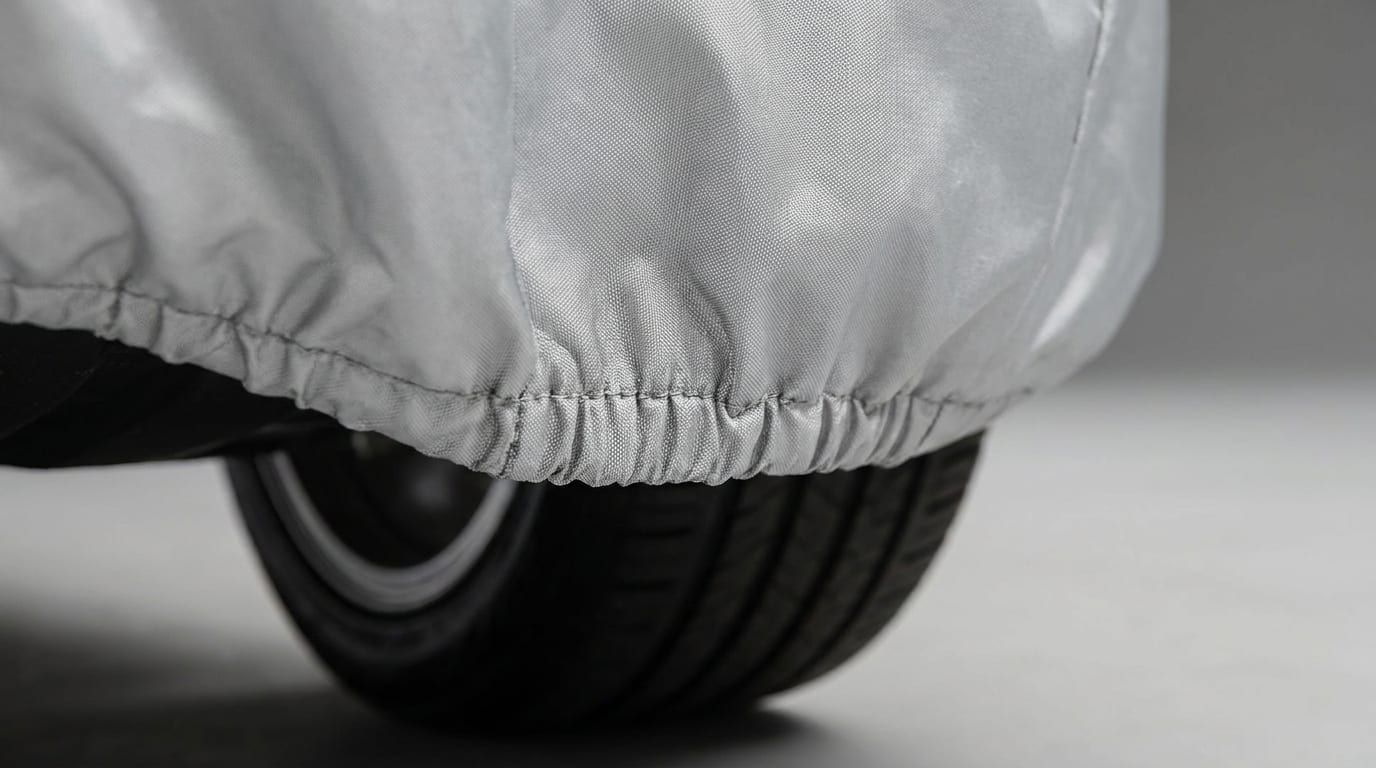
Universal covers are built off a size bracket, not a body. Length falls between X and Y inches, height between A and B, and the manufacturer assumes that's close enough. On the CX-5, it usually isn't. That sharp hatch angle is the first place it shows: the cover either bunches up with slack fabric back there, or it comes up short and leaves the lower hatch exposed. Loose fabric doesn't just look sloppy. It flaps every time wind picks up, and repeated flapping means repeated rubbing against clear coat. Over months, that's fine scratching you won't notice until it's already there.
Loose fabric at the hatch seam also traps moisture instead of shedding it. Water finds the gap, sits there, and you get the kind of trapped-damp conditions that lead to swirl marks or, worse, mildew smell inside the cover itself.
One more wrinkle: the CX-5 has gone through two distinct generations, first-gen from 2013-2016 and second-gen from 2017 onward, and the dimensions genuinely differ between them. A cover advertised as "fits Mazda CX-5" without specifying model year is guessing. If you're shopping, check the SUV covers built for Mazda by generation, not just by nameplate.
Custom-Fit vs. Universal for the CX-5: Side-by-Side Comparison
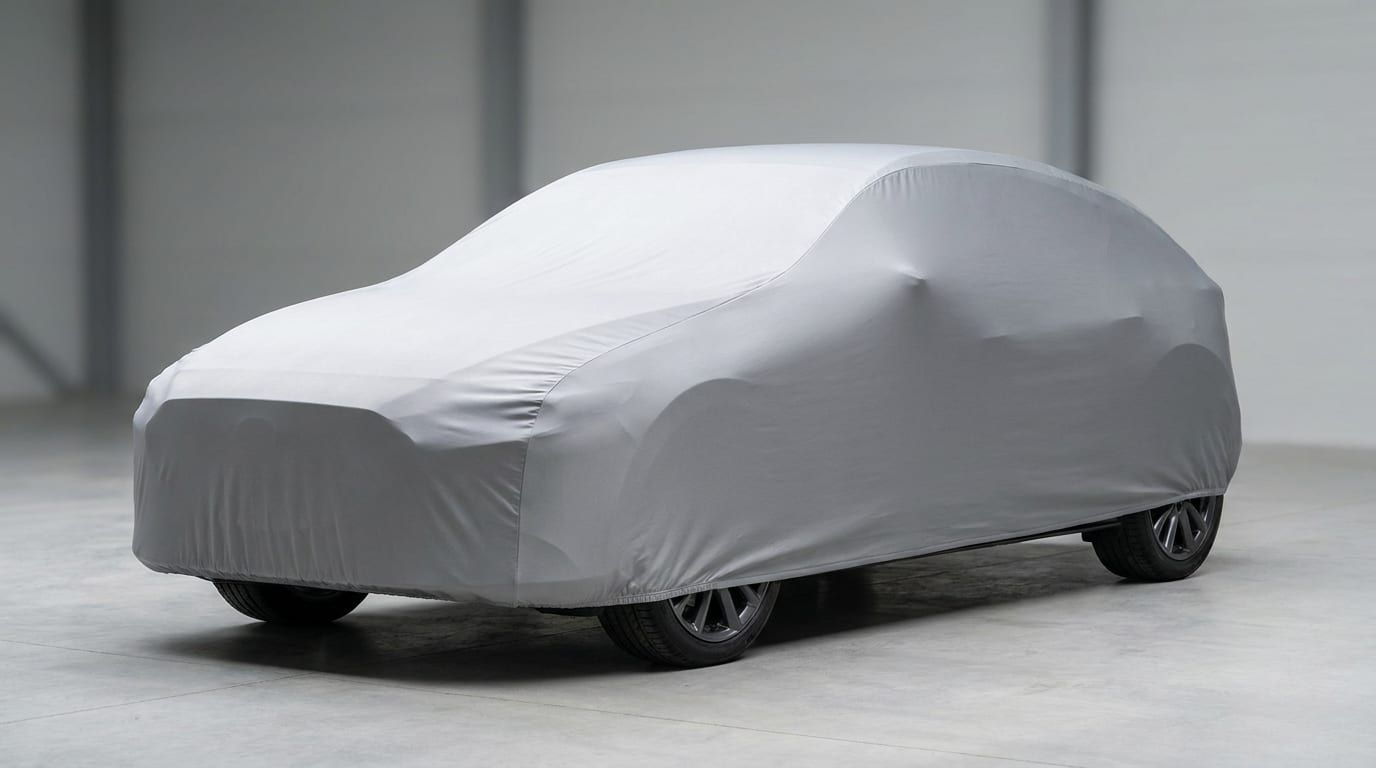
Here's how the two actually stack up once you get past the price tag on the box.
Fit Accuracy
- Custom-fit: Pattern-cut to CX-5-specific dimensions, including mirror pockets, an antenna cutout, and the exact hatch angle for the model year
- Universal: Sized to a rough length/height bracket only, often leaving 4 to 8 inches of excess fabric or shortfall at the wheel arches and rear hatch
Weather Protection
- Custom-fit: Tight contour keeps wind from getting underneath and lifting the cover off the body
- Universal: Looser drape flaps in wind and lets rain wick in through the gaps at the seams
Installation Time
- Custom-fit: Goes on in under a minute since panels are pre-shaped to the CX-5's body lines
- Universal: Takes longer, with more tugging, tucking, and strap adjustment to compensate for the extra material
Price Point
- Custom-fit: Higher upfront cost, since it's manufactured specifically for the CX-5
- Universal: Lower sticker price, produced as a one-size-fits-many item
Durability Under Daily Use
- Custom-fit: Snug fit means minimal fabric movement, so less abrasion over time
- Universal: Looser fit creates more friction at contact points every time wind exposure moves the fabric
Aesthetics and Resale
- Custom-fit: Keeps the factory silhouette visible, so the car doesn't look shapeless in the driveway
- Universal: Baggy, tent-like appearance that doesn't do the car any favors if a buyer is checking it out
Best-Use Case
- Custom-fit: Regular outdoor storage, daily driveway parking, long-term protection
- Universal: Occasional, short-term, or budget-driven use, like covering a second car for a few weekends
If you want the fuller breakdown of how custom-fit car covers are constructed versus mass-market options, it's worth a read before you buy either type. And if the CX-5 lives outside most of the year, pay close attention to how each option handles outdoor car cover conditions specifically, since that's where the fit gap matters most.
When a Universal Cover Is Actually Fine for a CX-5
There are real situations where universal makes sense, and it's worth being honest about them instead of pretending custom-fit is always the answer.
If the CX-5 lives in a garage and only gets covered during the occasional storm, a universal cover will probably hold up fine. Same goes for temporary use, like protecting the car for a few weeks before a sale, or for buyers who are budget-first and willing to accept a looser fit in exchange for a lower price.
Just go in with clear expectations. Even in these scenarios, you'll still get a baggier fit at the hatch and wheel wells than a shaped cover would give you. And because universal covers rely more heavily on strap tension to stay put (there's no body-hugging cut doing the work), check that gust straps are actually included before you buy. Without them, a universal cover on a CX-5 is basically one gust of wind away from being on your neighbor's lawn.
What to Check Before Buying a Custom-Fit Cover for Your CX-5
Not all "custom-fit" listings are created equal, so a few things are worth confirming before checkout.
First, confirm the model year range and trim compatibility. Roof rails, a sunroof, or a rear spoiler all change where cutouts need to sit, and a cover built for a base trim won't necessarily clear a Grand Touring's roof rails cleanly.
Second, match the material to how the car is actually stored. A CX-5 parked outside daily needs a waterproof car cover with real UV resistance, since sun exposure fades paint and breaks down cheap fabric fast. A CX-5 kept in a garage or carport doesn't need that heavy-duty protection and can get away with a lighter, softer-lined material that's gentler on the clear coat.
Third, look for CX-5-specific features: an integrated antenna patch so you're not cutting a hole yourself, mirror pockets that actually match the mirror shape, and included straps or a cable and lock setup if theft deterrence matters to you.
Finally, verify sizing against Mazda's actual published dimensions for your model year, not a generic "SUVs fit most" bracket. If you're not sure where to start, running your plate or VIN through a cover finder or checking what size car cover fits your specific vehicle will save you a return shipment.
Bottom Line: Which Cover Should You Buy for Your CX-5?
If your CX-5 is a daily driver that sits outside, or you actually care about keeping the paint and finish in good shape long-term, get a custom-fit cover. It's built for this car's specific shape, not a rough approximation of it. Universal makes sense only when the situation is short-term, low-stakes, and price is the deciding factor, like a temporary cover before a sale or occasional storm protection for a garage-kept car.
Either way, the wrong size costs you more in the long run than the cover itself. Take a minute to find your exact CX-5 model year and trim so you get matched with a cover that's actually built for it, not just labeled for it. And if you want more buying guides like this one before your next purchase, it's worth poking around the rest of our car cover articles.
Updated