


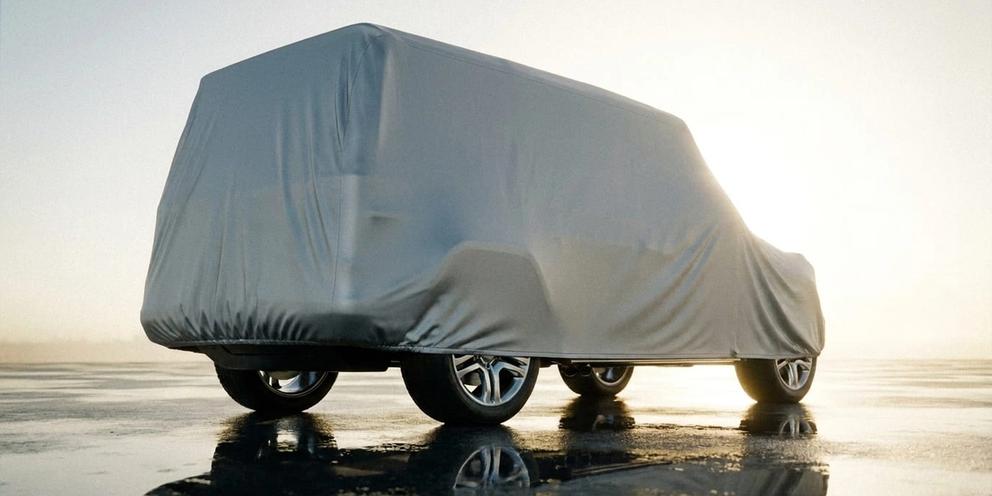
Custom-Fit vs. Universal Car Cover for Your Subaru Crosstrek: Which One Actually Fits?
Most Crosstrek owners land on this decision after their first bad experience with a cover that didn't quite work, whether that's a cover that flew off in wind or one that let water pool on the hood overnight. The real choice comes down to two paths: a custom-fit car cover for Subaru Crosstrek that's patterned to the vehicle, or a cheaper universal cover sized for "compact SUVs" in general. It sounds like a minor distinction until you look at what the Crosstrek's body actually does to a generic cover.
Roof rails, a raised ride height compared to a sedan, a rear spoiler on Sport and Wilderness trims, a rear wiper, and a shark-fin antenna near the moonroof all create pinch points where a loose cover rubs, gaps, or catches wind. None of that is unique to Subaru, but it's specific enough to this model that a "one size fits most" cover struggles with it.
Here's the bottom line up front: if you're storing your Crosstrek outdoors regularly, rain or shine or snow, a custom-fit cover is the right call, full stop. A universal cover only makes sense in a handful of narrow situations. The rest of this article walks through why, point by point, so you can match the decision to your actual situation instead of guessing.
What 'Custom-Fit' Actually Means on a Subaru Crosstrek
"Custom-fit" isn't marketing fluff. It means the cover is patterned off the Crosstrek's real body lines, panel by panel, instead of stretched over a generic compact-SUV silhouette that's supposed to work for a dozen different models at once.
On the Crosstrek specifically, that patterning shows up in a few places that actually matter: contouring around the roof rails instead of draping over them, room or a cutout near the rear spoiler and rear wiper so the fabric doesn't strain against them, mirror pockets that hold shape in wind, and an elastic hem that tucks under the rocker panels instead of flapping loose at the bottom edge. Small details, but they're the difference between a cover that stays put and one you're re-adjusting every morning.
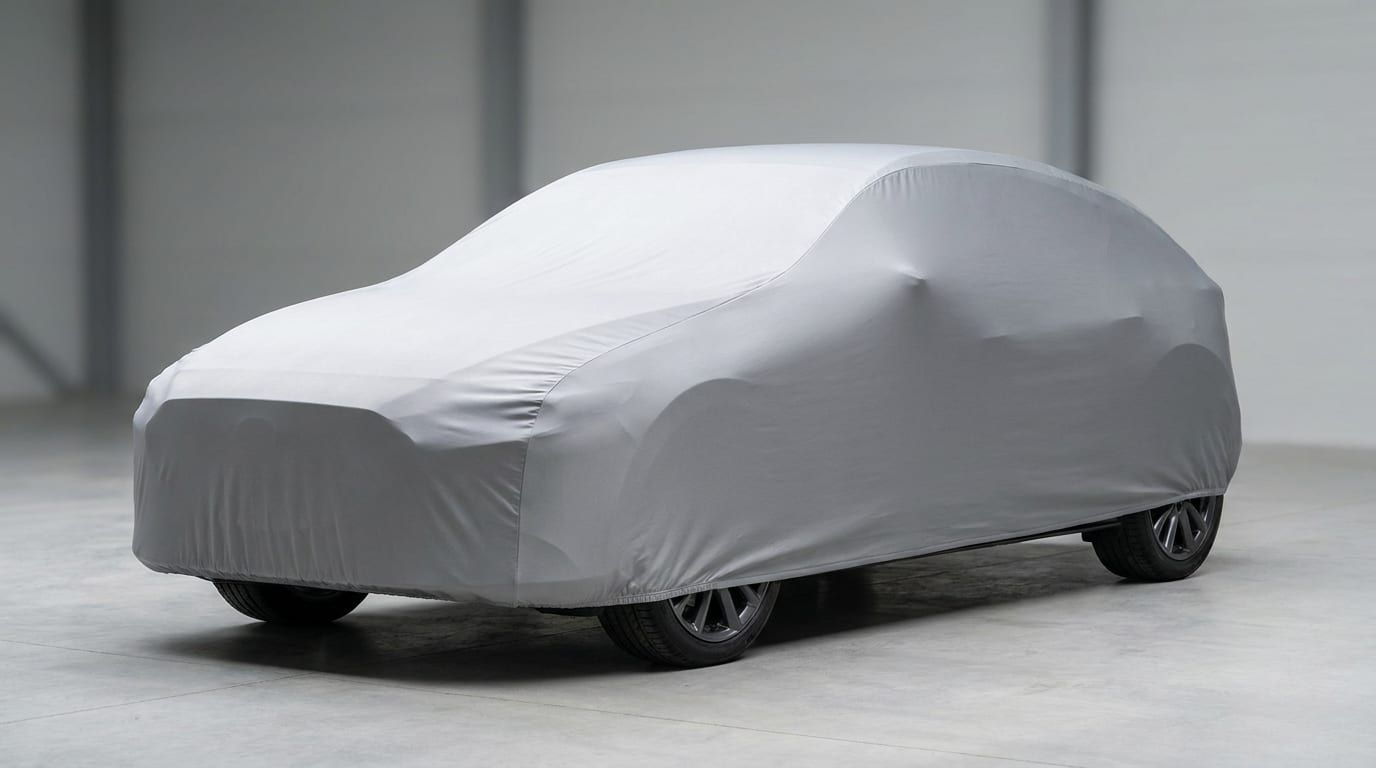
Model year matters here too. The Crosstrek has gone through three real generations (2013-2017, 2018-2023, and 2024+), and the body dimensions shift enough between them that a cover built for one won't sit right on another. That's why "Subaru Crosstrek cover" isn't a single shape even within the custom-fit category. If you're shopping Subaru cover options, the year you enter matters as much as the brand. A properly patterned, custom-fit car cover is what gets rid of that loose fabric pooling at the hood and rear hatch that you see on almost every generic cover left outside for more than a week.
Where Universal Covers Fall Short on This Specific Model
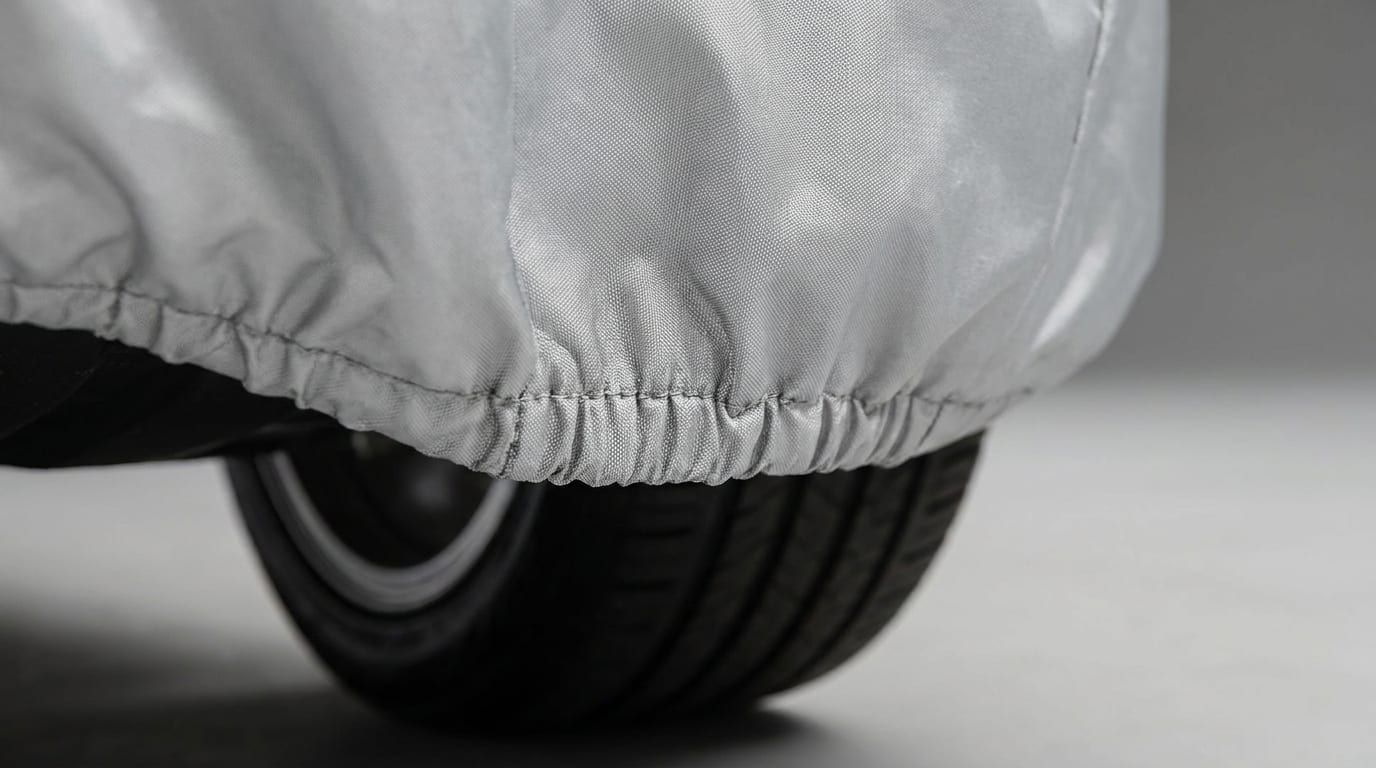
Universal covers aren't built off any single vehicle. They're built off a range, sized to the largest compact SUV they're meant to fit, which means excess fabric everywhere else. On a Crosstrek, that shows up as bunching at the front and rear overhangs since the car's actual proportions are smaller than what the pattern assumes.
The roof rails and rear antenna are the other weak point. Most universal covers have no contouring or reinforcement patch built for either, so the fabric just drapes across them and rubs with every gust of wind. Over months of outdoor storage, that friction wears thin spots into the cover exactly where the rails sit.
Loose fabric doesn't just wear out the cover, either. It flaps in wind, and flapping fabric dragging across paint is basically low-grade sanding. Do that daily for a season and you'll see it in the clear coat. And because a universal cover doesn't hug the body, water finds the gaps at the wheel wells and overhangs and pools there, which defeats the purpose of buying a waterproof car cover in the first place. The fabric can be rated for rain and still let water in if the fit doesn't seal against the body.
Custom-Fit vs. Universal Crosstrek Covers: Side-by-Side
Here's how the two stack up on the things that actually affect your car.
Fit accuracy
- Custom-fit: Patterned to Crosstrek body lines, with cutouts or clearance for the roof rails and rear spoiler
- Universal: Generic compact-SUV shape with extra slack at both ends
Protection from wind and flapping
- Custom-fit: Snug elastic hem and tailored cut keep the cover anchored in wind
- Universal: Looser fit shifts and flaps, which leads to surface scratching over time
Weatherproofing effectiveness
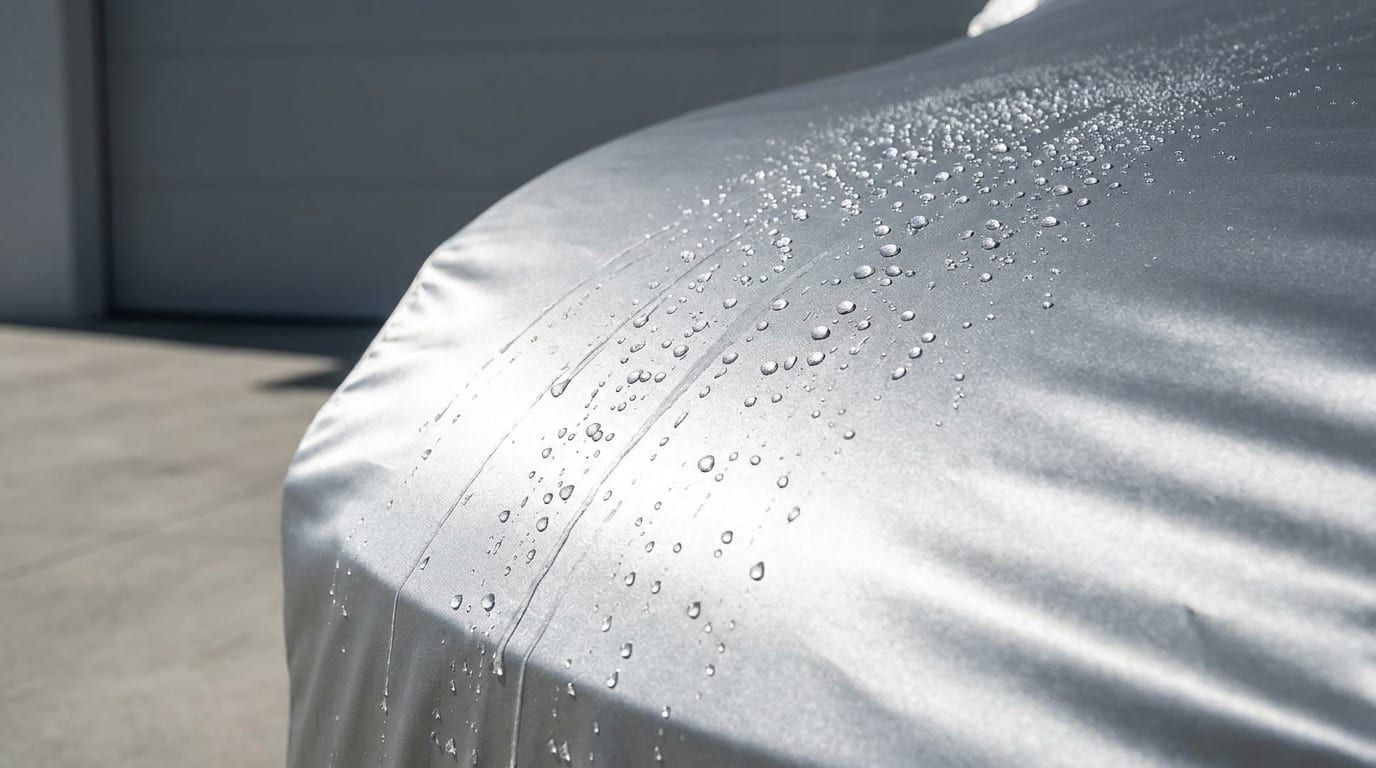
- Custom-fit: Seals closer to the body, cutting down on entry points for water and dust
- Universal: Gaps at the wheel wells and overhangs let moisture in even with comparable fabric
Installation time
- Custom-fit: Goes on in one motion since the panels already align to the body
- Universal: Usually needs extra tucking, strap adjustment, or repositioning to sit right
Price
- Custom-fit: Higher upfront cost, reflecting the model-specific pattern
- Universal: Lower sticker price
Long-term value
- Custom-fit: Reduces wear from friction and pooling, so both the car's finish and the cover itself last longer
- Universal: Looser fit chafes against itself and the car, shortening the cover's own lifespan
None of these differences are dramatic on their own. Stacked together over a year of outdoor storage, they add up to a noticeably different outcome for your paint and your wallet.
When a Universal Cover Might Still Make Sense
There are situations where a universal cover is fine, and pretending otherwise would be dishonest. If you're covering the Crosstrek for a single road trip, a few days of street parking, or an occasional stretch in the driveway, the wear that comes from a loose fit just doesn't have time to accumulate.
Budget matters too. If you're storing the car indoors, where wind and rain aren't in play, an indoor car cover with a looser universal fit is mostly just keeping dust off. The fit gaps that hurt outdoors barely matter in a closed garage.
But that's the exception, not the rule. For anyone storing a Crosstrek outdoors on a regular basis, in rain, snow, sun, or wind, the fit gaps in a universal cover work against the exact protection you bought it for.
How to Choose the Right Custom-Fit Cover for Your Crosstrek
Start with the year. Confirm which generation your Crosstrek falls into before you order anything, since the pattern differs across the 2013-2017, 2018-2023, and 2024+ body styles. Getting this wrong is the single most common reason a "custom-fit" cover doesn't actually fit. Tools like CoverFinder or a direct cover lookup by vehicle take the guesswork out of it.
Next, match the cover to how and where you're actually storing the car. A cover meant for a garage doesn't need the same UV and rain resistance as one that's going to sit outside all winter. If it's outdoors most of the year, look at an outdoor car cover rated for UV, rain, and wind rather than a lightweight indoor version.
If you're in a hail-prone region, it's worth stepping up to a thicker, padded hail-rated cover instead of a standard outdoor weight. Ice and dents don't care how well the cover fits if the fabric itself is too thin to absorb impact.
Last, check the details that matter specifically on this model: roof rail pockets, antenna patch compatibility, an elastic hem, and grommets for a wind strap or cable lock. Those small features are exactly what separates a cover that survives a windy winter from one you're chasing across the driveway. And before you check out, it's worth confirming what happens if the fit isn't right, most decent covers come with a no-hassle return or return policy so you're not stuck with something that doesn't sit right on your specific year.
Get the Right Fit for Your Crosstrek
If you're parking outside on any kind of regular basis, a custom-fit car cover for your Subaru Crosstrek is the right default. Universal covers earn their keep only in the narrow cases: short trips, occasional use, or indoor storage where wind and rain aren't a factor. Everywhere else, the fit gaps undo the protection you're paying for.
Before you buy, nail down your exact year and trim, and give the warranty and return terms a quick read so you know what's covered if something's off. If you're still weighing options, poke around our other car cover guides or subscribe for more of them, it's a small thing that saves you from buying the wrong cover twice.
Updated