Articles Automotive Care and Maintenance
Do You Need a Wheel Dolly for Long-Term Car Storage?
Published
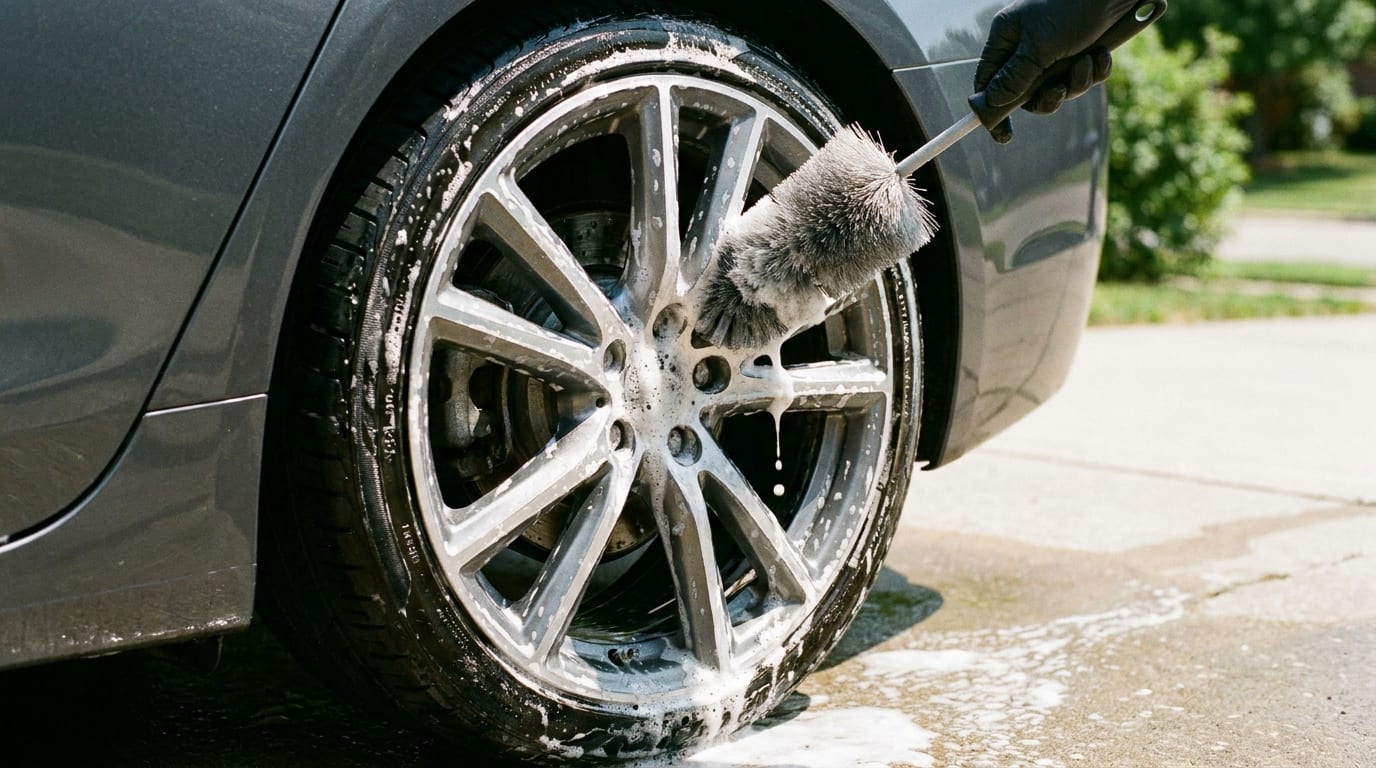
A wheel dolly is one of those products that shows up in your search history right after you've spent twenty minutes trying to figure out how to shuffle cars around in a packed garage. It's a small caster-wheeled platform that lifts a tire just enough to roll a car sideways without starting the engine. Useful in the right situation. Completely unnecessary in a lot of others. Whether you actually need one for long-term storage depends on what problem you're trying to solve, not just whether the product exists.
What Is a Wheel Dolly, Exactly?
A wheel dolly is a low platform, usually with four or more casters, that you roll under a tire to lift it a fraction of an inch off the ground. Once all four wheels are on dollies, the car can be pushed sideways, spun, or walked into a tight spot without turning the key. Some are single units, one per tire, sold in sets of two or four. Others are full platform systems that cradle the whole vehicle at once, more common in dealerships and body shops than home garages.
Weight capacity matters more than people expect. Most dollies list somewhere between 1,500 and 5,000 lbs per unit, but that's per dolly, not per set, and manufacturers aren't always clear about it. Check your vehicle's actual curb weight (not a rough guess) and make sure each dolly, under the corner of the car it's supporting, has real margin left over.
Worth clearing up early: a dolly is not a jack and it's not a jack stand. A jack lifts a car for undercarriage work. A dolly just lets you move the car sideways on all four tires. Different job entirely.
Why This Question Comes Up With Long-Term Storage

A car that sits in one spot for months develops problems that don't happen in daily use. Tires flat-spot where the weight sits. Weight distribution stays locked in one position. Airflow underneath gets choked off if the car's jammed against a wall or other vehicles. None of that happens overnight, but after a few months it adds up.
Most people land on this question because of a specific access problem, not a general curiosity about tire care. Maybe it's a packed garage where the storage car blocks the one everyone actually drives. Maybe it's a seasonal RV or convertible that needs to get rotated to a different spot when the weather shifts. Maybe it's a project car with a dead battery that still needs to move eight feet to clear a doorway.
It's worth remembering a dolly is one piece of a bigger puzzle. Long-term storage prep also means thinking about indoor car covers, battery maintenance, and tire pressure, not just how you're going to physically shift the car around.
What a Wheel Dolly Actually Solves
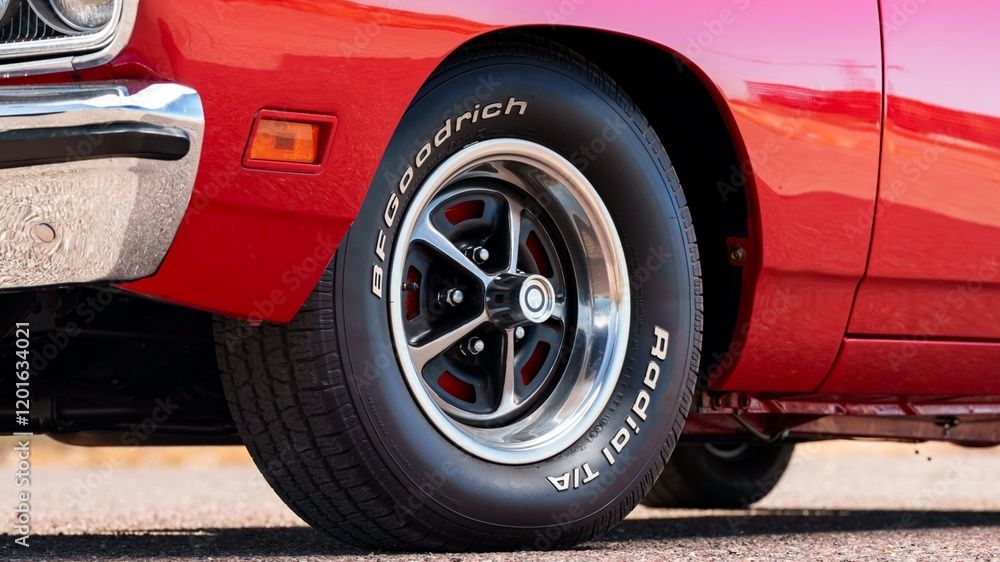
The clearest use case is repositioning a car in a tight space without starting it. Classic cars, project builds, seasonal vehicles like RVs and convertibles, these all benefit from being moved without running the engine every time you need six inches of clearance.
The second use case is flat-spot prevention, sort of. A dolly lets you shift a parked car slightly every few weeks so it's not resting on the exact same tire contact patch the whole time. That only works if you actually do it, though. The dolly itself doesn't prevent flat-spotting. It just makes the movement possible without driving the car.
Dollies also help when you're storing multiple vehicles in one space and need to shuffle them like a sliding puzzle. Instead of starting and driving each car to swap positions, you roll them on dollies and push.
And they solve a narrower problem: a car that's temporarily non-running. Dead battery, no fuel, blown head gasket, whatever. If it needs to move a short distance to get into or out of a storage spot, a dolly gets it there without a tow.
When You Probably Don't Need One
If your car has one fixed spot and it's not getting moved, a dolly is solving a problem you don't have. It adds cost and storage space of its own, for a set of four, without actually doing anything for you.
Cheaper fixes exist for the flat-spotting concern specifically. Starting the car and rolling it a few feet every couple of weeks works, if you're willing to do it. Bumping tire pressure up a few psi before storage reduces the load concentration on one spot. Tire cradles do something similar with less effort. And if the car's going to sit for six months or longer, jack stands take the tires out of the equation entirely, which a dolly can't do.
For the average single-car home garage situation, where the car isn't being repositioned and isn't sitting for most of a year, a solid car cover and the occasional tire check cover the main risks. The dolly is solving an access problem, and if you don't have an access problem, skip it.
Wheel Dolly vs. Other Storage Prep Tools
Each of these tools solves a different piece of the storage puzzle, and people often reach for the wrong one because they're lumped together under "storage prep."
| Tool | What it actually solves | Limitation |
|---|---|---|
| Wheel dolly | Repositioning the car without starting it | Doesn't prevent flat-spotting unless you actually move the car periodically |
| Jack stands | Takes weight off tires entirely for 6+ month storage | Immobilizes the car completely while in use |
| Tire cradles/ramps | Redistributes tire contact without full lift | Partial fix, cheaper but less effective than jack stands |
| Car cover | Blocks dust, moisture, UV, and pests | Doesn't address tires or undercarriage at all |
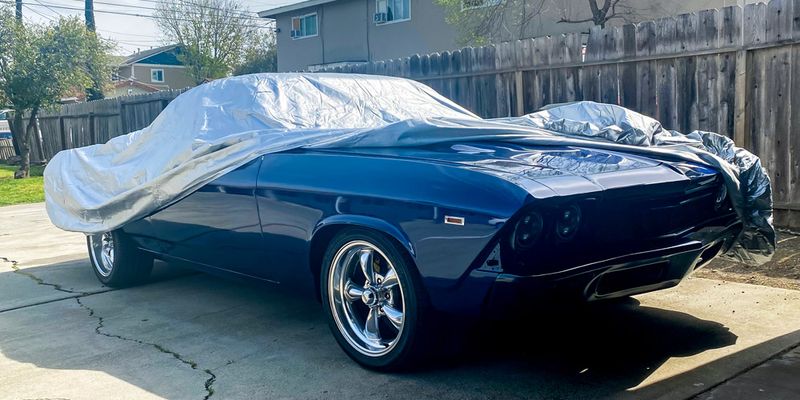
The cover is the one item on this list that's worth budgeting for no matter what. It's handling an entirely separate set of risks, dust settling into paint, moisture creeping in, sun bleaching panels, the occasional rodent looking for a place to nest. None of that gets solved by a dolly or jack stands. If you're setting up for serious long-term storage, read through a guide on using car covers indoors before you pick one, since indoor covers have different breathability needs than something meant to live outside.
How to Choose a Wheel Dolly If You Need One
If the access problem is real and a dolly makes sense, a few things actually matter when buying one.
Match capacity to your vehicle's real curb weight, not the number on the box. "4,000 lbs per set" sounds like plenty until you realize that's split across four dollies and your SUV's front end alone is pushing more than its share.
Decide between swivel casters and fixed-direction ones. Swivel casters make tight turns and angled repositioning easier, which matters in a cramped garage. Fixed-direction dollies are more stable if you're only ever moving the car in a straight line.
Check the surface you're working with. If your garage floor has any pitch to it, even a slight drainage slope, locking casters aren't optional. A car rolling on its own on four unlocked casters is a bad afternoon waiting to happen.
Buy a full set of four. Mixing dollies with floor jacks to save money just means the car sits unevenly while you're pushing it, which isn't worth the risk to save on a couple of units.
Pairing a Wheel Dolly With Proper Storage Cover and Prep
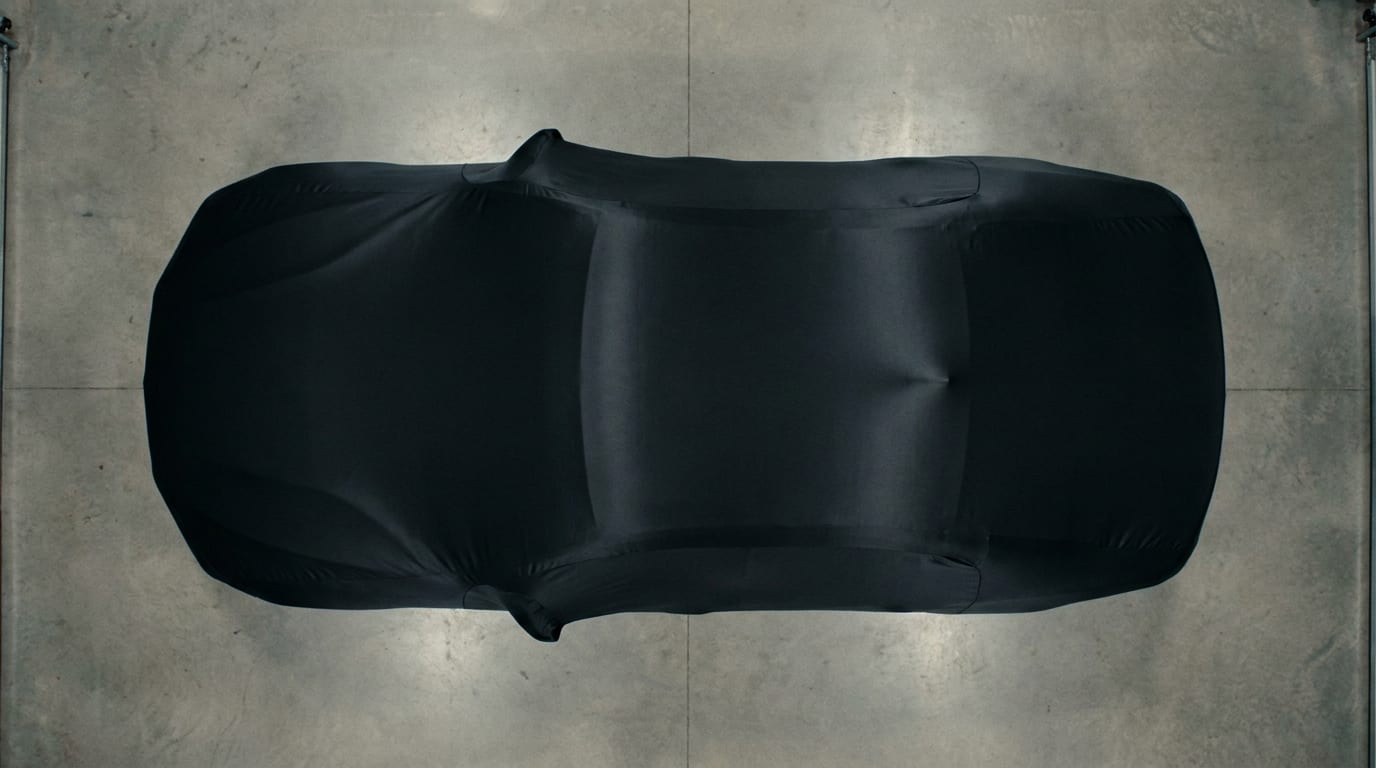
A dolly solves mobility. It can help with tire rest if you actually use it that way. But it does nothing for dust, moisture, or temperature swings sitting in a garage for months, and that's a separate job entirely, one a quality indoor car cover is built for. Garage storage covers need different breathability than something rated for rain and sun outdoors, so it's worth checking fit specs before assuming any cover will do.
The realistic setup for multi-month storage is three parts working together: a dolly if you're actually repositioning the car, periodic tire pressure checks, and a cover that matches where the car's actually sitting. Skip any one of the three and you're leaving a gap.
So, straight answer: if you've got one car in a dedicated spot that isn't moving, you don't need a wheel dolly. If you're juggling multiple vehicles in a tight garage, rotating seasonal storage spots, or dealing with a car that can't start under its own power, it earns its keep. For more on getting storage right overall, the car care section has more on tire and maintenance basics worth a look, and the articles hub has further reading if you want to dig into specific storage scenarios before deciding what your setup actually needs.