Articles Automotive Care and Maintenance
Essential Car Cleaning Tools: Car Wash Brushes, Chamois Cloths & More
Published
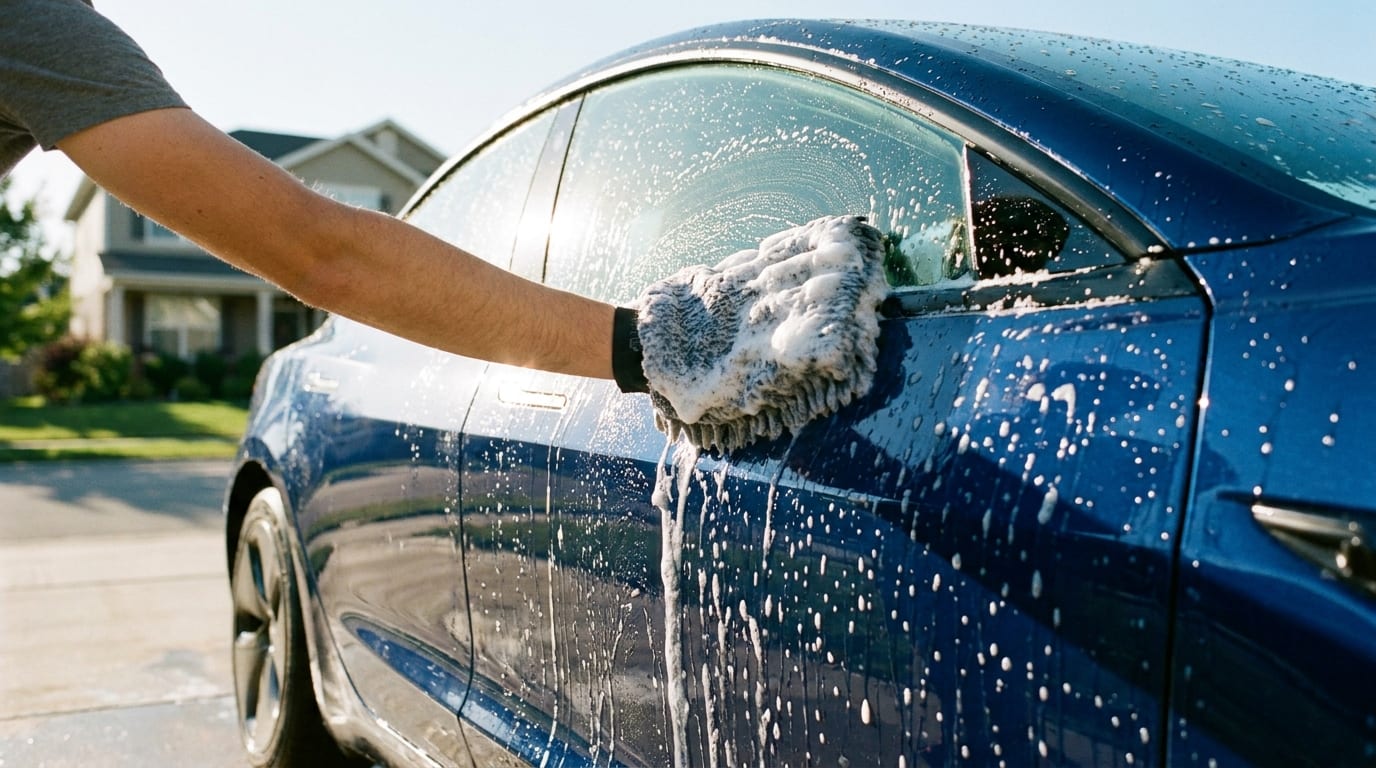
Wash your car with the wrong brush and you're not cleaning it, you're sanding it. Stiff bristles drag grit across the clear coat and leave behind the fine swirl marks you see under parking lot lights. A cheap chamois that doesn't absorb water right leaves spots baked into the paint by the time you notice. None of this is dramatic on day one. It adds up, wash after wash, until the finish looks tired years before it should.
This is a buying guide for the core toolkit most car owners actually need: a car wash brush, a chamois cloth, a snow broom for winter climates, and a cordless vacuum for the interior. A clean car isn't just about looking good in the driveway. It protects resale value and keeps the paint in better shape between full details, which matters whether you're parking in a garage or relying on a cover outdoors. Each section below walks through what to look for before you buy, not just a single product pick. You'll know what questions to ask at the store, or what to check before you click "add to cart."
Why the Right Cleaning Tools Protect Your Car's Finish
Here's the uncomfortable truth: most paint damage people blame on "road conditions" actually comes from the garage. Dirty brushes. Reused rags. A chamois dragged across the hood with grit still trapped in it. Swirl marks, water spots, and dulled clear coat are almost always a tools problem before they're a weather problem.
Think of your cleaning kit as part of your car care routine, not an afterthought. A good wash brush lifts dirt instead of grinding it in. A proper chamois pulls water off without leaving streaks. A snow broom clears ice without scratching. And a cordless vacuum keeps the interior from wearing down just as fast as the exterior. Buyers tend to focus on wax and ceramic coatings and skip straight past the basics, but those coatings don't mean much if the brush underneath them is doing damage every wash.
There's also a resale angle here that's easy to overlook. A car that's been cleaned with the right tools, consistently, just looks newer. Paint depth, clarity, lack of micro-scratches: buyers and appraisers notice this even if they can't name why. It's one of the simplest ways to protect your investment between the bigger maintenance jobs.
Car Wash Brush: What to Look for Before You Buy

Bristle material is where most people go wrong. Natural boar's hair is soft and gentle on paint, but it costs more and doesn't hold up as well to repeated soaking. Synthetic nylon bristles are tougher and cheaper, though lower-quality nylon can be stiffer than it needs to be. Microfiber wash heads split the difference: they're built specifically to be safe on today's thinner clear coats, and they tend to hold more soapy water per pass.
Handle length matters more than people expect. A short hand brush works fine for wheels, grilles, and tight trim. But if you're washing a roof on an SUV or truck, you want a long-handled wash brush that lets you reach the middle without climbing on the tires or stretching across the hood.
Then there's the water delivery question. Water-fed brushes connect to a hose and flow clean water through the bristles as you scrub, which constantly flushes grit away from the paint. Dip-bucket brushes get reloaded from a bucket, which means dirt can build up in the bristles between dips and get dragged right back across the surface. If you go the dip route, a two-bucket wash method (one for soap, one for rinsing the brush) helps a lot.
A quick checklist before you buy:
- Soft, dense bristles, not sparse or wiry
- A swivel head so you're not fighting the angle on curves and panels
- A grip that doesn't cramp your hand on a full wash
- Hose thread compatibility if you're buying a water-fed design
Stiff bristles and dirty brushes are the single biggest cause of swirl marks. If a brush feels scratchy on your forearm, it's going to feel that way on your clear coat too.
Chamois Cloth: Natural vs Synthetic, and Which Absorbs Better

Traditional chamois leather has been the go-to drying tool for decades, and it genuinely absorbs a lot of water. But it needs care. Let it dry out stiff and it turns hard as cardboard. It can also pick up an odor if it's stored wet without airing out.
Synthetic PVA chamois cloths have mostly caught up on absorption and they're easier to live with. They don't crack the way natural chamois can, they resist odor better, and they're more forgiving if you forget about them in the trunk for a week. Streak-free drying comes down to technique either way: pull the cloth across the surface instead of scrubbing in circles, and wring it out often so it's absorbing, not redistributing.
Size matters more than most buyers assume. A small chamois forces you to wring and re-wet constantly, which drags out drying time and increases the odds of water spots forming while you work. For sedans, look for at least 20x27 inches. For SUVs and trucks, go bigger. You want to cover a door panel in one pass, not three.
Care is simple but easy to skip: rinse the chamois after every use, wring it loosely, and store it damp in a sealed container rather than hanging it out to dry completely. A chamois that's allowed to fully dry and stiffen loses a chunk of its lifespan every time it happens.
Snow Broom: Features That Matter for Winter Car Care
Foam-head snow brooms are the safer pick for paint. They clear light to moderate snow without the scratch risk that comes with stiff bristles dragging grit and ice crystals across the hood. Stiff-bristle versions do move heavier, wetter snow faster, but that extra force is exactly what causes surface scratches if there's any road grit mixed into the snow.
Handle length is a real spec, not a nice-to-have. A telescoping handle that extends to 4 or 5 feet makes a big difference on a truck or SUV roof. On a sedan, a shorter fixed handle is easier to control and usually all you need.
Combo tools are worth the small premium. A built-in ice scraper blade handles the windshield frost that a foam head can't touch, and a squeegee edge clears the slush line left behind after the broom pass. Look for a lightweight shaft, too. You're swinging this thing around in freezing temperatures, sometimes daily, and a heavy handle turns into a genuine annoyance by February.
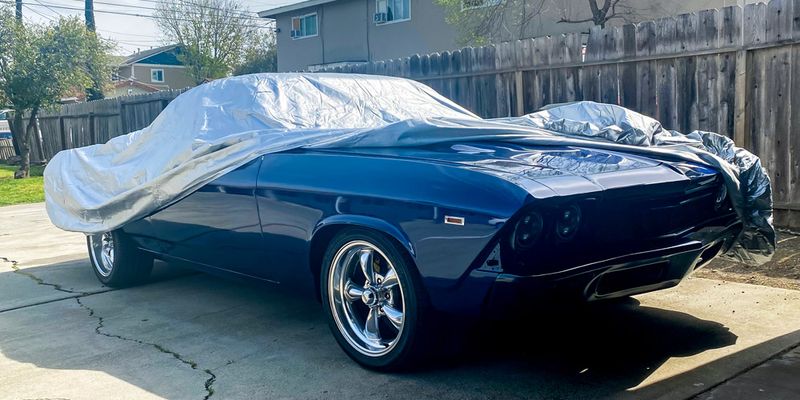
Worth saying plainly: the best snow broom is the one you don't need as often. Pairing good snow-clearing habits with an outdoor car cover keeps a lot of that snow and ice off the paint in the first place, which means less scraping and less risk of scratching the clear coat trying to get ice off a bare hood. If you're parking outside all winter, it's worth reading up on using a car cover outdoors before the first storm hits, not after.
Best Cordless Car Vacuum: Key Specs Before You Choose
Suction power gets measured in air watts (AW) or pascals (Pa), and the numbers get thrown around without much context. For light debris, crumbs, dust, sand, you don't need much. For pet hair embedded in carpet or seat fabric, you want something on the stronger end, since pet hair tends to wind into fibers and needs real pull to release.
Battery runtime is usually 15 to 30 minutes on a full charge, which sounds like plenty until you're doing a full interior including the trunk. Shorter runtime usually means faster charging, so weigh which trade-off fits how often you clean. If you vacuum weekly, fast charging matters less. If it's occasional, you want it ready whenever you grab it.
Attachments decide how usable the vacuum actually is day to day:
- A crevice tool for seat tracks and console gaps
- A brush head for upholstery and carpet
- An extension hose to reach the trunk and back seat without crawling in
Portability is the other half of the equation. A lightweight handheld is easier to store and grab for quick jobs, while a stick-style design covers more ground on carpeted floor mats. Car-specific vacuums are built smaller and lighter than general shop vacs, which matters if you're storing it in the glovebox or trunk rather than a garage shelf.
One maintenance tip that actually extends suction life: clean or replace the filter regularly. A clogged filter is the number one reason a vacuum that used to work fine suddenly feels weak, and it's usually a thirty-second fix.
Building a Complete Car Care Kit (Tools + Cover)
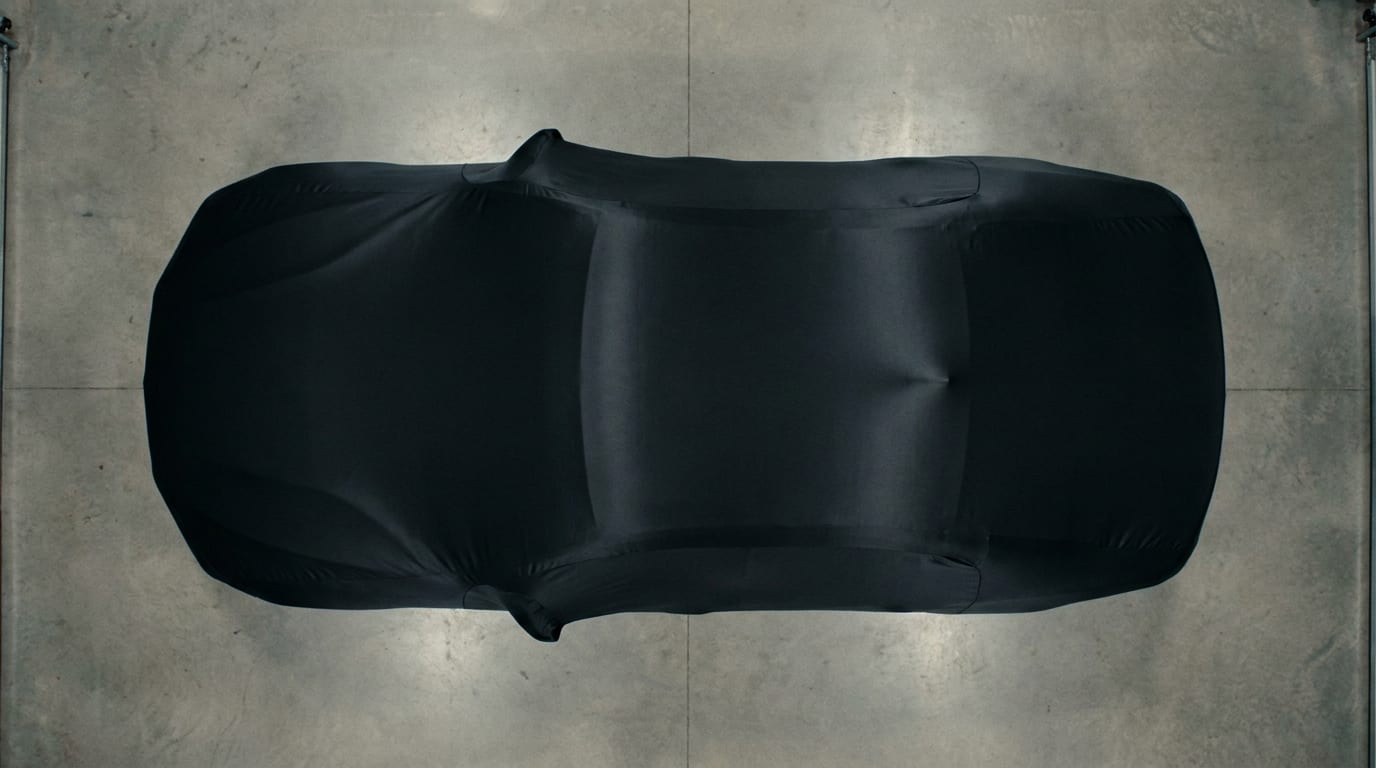
Put these four tools together and you've covered the whole cleaning cycle: wash with the brush, dry with the chamois, vacuum the interior, and clear snow in winter. That's the loop most cars need on repeat, season after season.
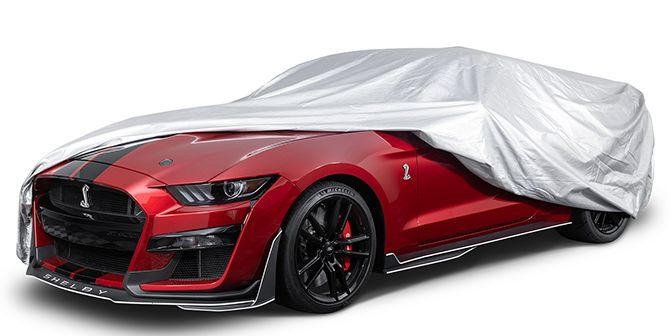
There's a connection here that's easy to miss. If you're using a cover, a clean car makes that cover last longer too. Dirt, grit, and debris trapped underneath a cover can rub against the paint every time the fabric shifts in the wind, basically turning the cover into sandpaper over time. Washing before you cover up, and keeping the cover itself clean, protects both the paint and the fabric. If you've never run through the process, this step-by-step guide to cleaning a car cover is worth bookmarking, especially if your cover sees regular use.
It's also worth knowing what you're protecting against. A cover's waterproof fabric only does its job well if the surface underneath it is clean to begin with. Moisture plus trapped grit is a worse combination than moisture alone.
A simple schedule keeps this from feeling like a chore: wash and dry weekly, vacuum every other week or after road trips, and keep the snow broom in the trunk the moment temperatures start dropping. None of these steps take long individually. Skipping them for months is what actually costs time, usually at the detail shop.
Quick Picks by Use Case
Not everyone needs all four tools right away, so here's a rough way to prioritize. Daily drivers get the most mileage out of a solid car wash brush and chamois combo, since that's the routine you'll repeat most often. Anyone in a winter climate should treat a snow broom as non-negotiable, not optional gear in the trunk. Pet owners and road-trippers should put a cordless vacuum near the top of the list, since interior wear shows up faster than most people expect.
Budget versus premium comes down to frequency of use more than anything else. If you're washing weekly, spend a bit more on a brush with a durable, swivel head design, since it's getting worked hard. If a snow broom only comes out a few times a season, a mid-range combo tool with a scraper edge covers most needs without overspending. For a chamois, size matters more than price, bigger genuinely means faster, streak-free drying regardless of brand tier.
If you want to see these tools side by side, CarCovers' car care and detailing collection is a good place to start browsing, and it's worth a bookmark if you're the type to wash your car on a schedule rather than whenever it looks bad enough to bother.