



The Hidden Boom Behind Used Cars: Why Preventive Maintenance Is Now a Billion-Dollar Industry
Repair shops across America are booked out weeks in advance, and it has nothing to do with a wave of unexpected breakdowns.
Drivers have run the numbers and decided it makes far more financial sense to maintain what they already own than to take on a monthly car payment that now averages over $700 for a new vehicle. The mechanics answering those calls say they are busier with preventive work than they have been in years, and the schedule keeps filling up.
CarCovers has served hundreds of thousands of vehicle owners, giving the company a close view of how Americans protect what they drive. As more people hold onto their vehicles longer, the same preservation mindset is moving deeper into everyday maintenance decisions.
And those decisions are now feeding a much larger maintenance economy, turning routine upkeep into one of the most important business developments the auto industry has seen in decades.
America’s Cars Are Aging
Most Americans driving today are behind the wheel of a vehicle that is already more than a decade old, and the data backs that up. S&P Global Mobility put the average age of U.S. light vehicles at a record 12.8 years, with 289 million vehicles now on the road.
Todd Campau of S&P Global Mobility said new vehicle prices are “prohibitively high for a lot of households now,” and many drivers are being pushed into keeping their vehicles longer than they expected.
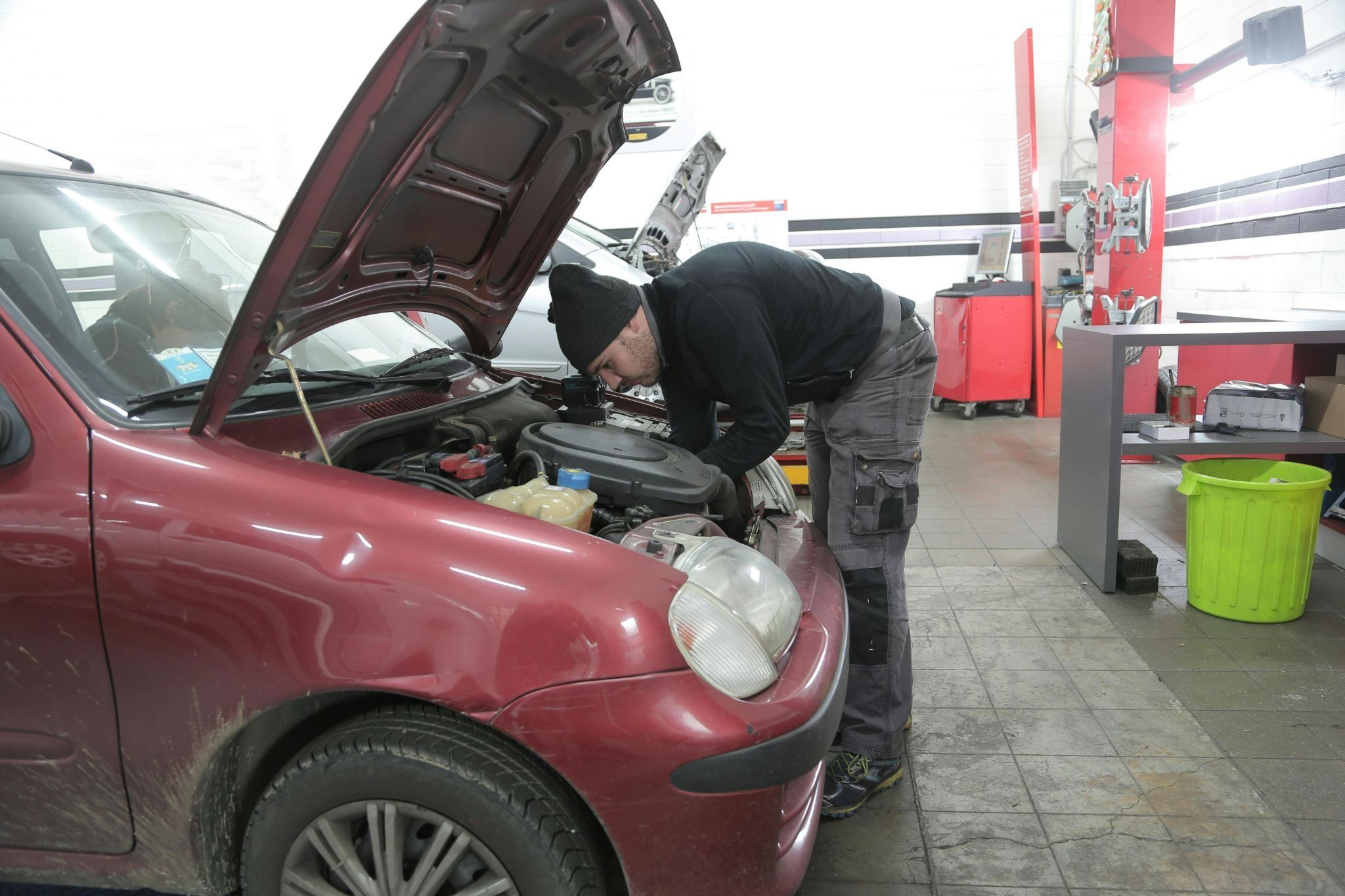
With the average new vehicle price sitting around $45,000 and higher interest rates making loans harder to carry, many families are staying with the car they already have. But keeping that car longer brings more responsibility over time, since roughly 70% of vehicles on U.S. roads are six years old or older and likely beyond the usual manufacturer warranty period.
Maintenance Has Become a Household Financial Strategy
Building a budget around monthly expenses is nothing new, but more households are now treating routine vehicle maintenance as one of the more practical ways to control what car ownership costs them. AAA’s annual driving cost analysis puts the true cost of owning a new vehicle at $11,577 per year, once insurance, fuel, and other ownership expenses are counted.
Greg Brannon, AAA’s director of automotive research, said buyers should “fully understand all the costs of owning and operating a new vehicle from purchase to resale,” and more drivers are bringing that same caution to the decision before they sign a new loan.
Regular oil changes and preventive care still require money, but those costs are easier to plan around than a payment that returns every month. And for households trying to keep transportation reliable without adding another major bill, maintenance is becoming part of the financial plan.
The Aftermarket Is Becoming One of Automotive’s Biggest Growth Engines
Every time a driver pulls into a parts store or calls a mobile mechanic instead of financing a new vehicle, they are putting money into a part of the auto business most people rarely think about. The Auto Care Association reported the U.S. automotive aftermarket reached $413.7 billion in 2024, with projections pointing toward $664.3 billion by 2028.
Bill Hanvey, the association’s president and CEO, said the industry has demonstrated “remarkable resilience, showing steady year-over-year growth” as drivers across the country choose to extend vehicle life rather than replace it. AAPEX puts the aftermarket workforce at nearly 5 million people, close to 3% of all working Americans.
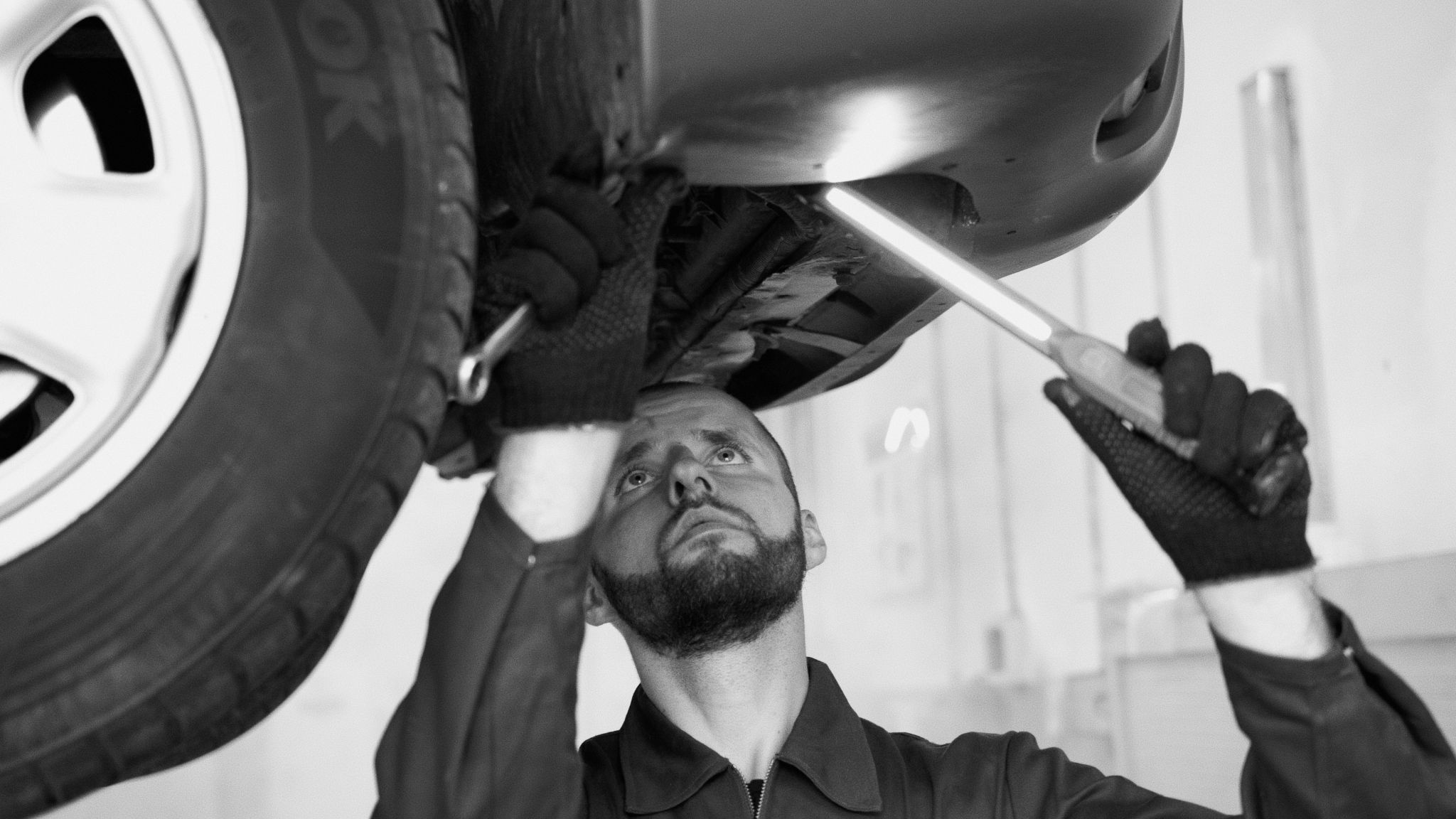
And unlike businesses that depend on people having extra money to spend, the aftermarket tends to hold steady when the broader economy gets shaky, because a car that needs a brake job still needs a brake job.
Local Repair Shops Are Feeling the Pressure and the Opportunity
Independent repair shops in nearly every American town are handling more work than ever before, and the mechanics who keep those bays running are harder to find than most drivers expect.
The U.S. Bureau of Labor Statistics estimates the industry needs roughly 76,000 new automotive technicians each year, but only about 37,000 are graduating from training programs annually, and the shortfall between those two numbers lands directly on what drivers pay when they pick up their car.
AAA reports labor rates at most independent shops now run between $120 and $159 per hour, with some markets running well past $200.
David Goldsmith, who owns Urban Classics repair shop in Brooklyn, has watched it play out firsthand, saying "customers definitely are getting sticker shock." But alongside the pressure, local shops are also seeing steady demand and a new wave of young workers choosing skilled trades over four-year degrees.
The Future of Car Ownership
Rising costs have fundamentally changed how millions of Americans think about the cars they drive.
Drivers who once traded in every few years are now treating what they own as something worth preserving, putting time and money into preventive maintenance and protection rather than a down payment on something new. And because modern vehicles are built to last well past 200,000 miles when properly cared for, that investment holds up.
Alan Amici, president and CEO of the Center for Automotive Research, said, "if cars are to be affordable, they must also be affordable to maintain," and that reality is one automakers will have to face as preservation becomes the dominant approach to ownership.
The environmental case for keeping a vehicle longer is also growing harder to ignore, since manufacturing a new car carries a significant carbon cost before it ever leaves the lot.
The future of car ownership boils down to protecting and maintaining what drivers already have, and the millions of Americans choosing that path are extending the life of their vehicles well beyond what anyone thought possible a decade ago.
Updated