


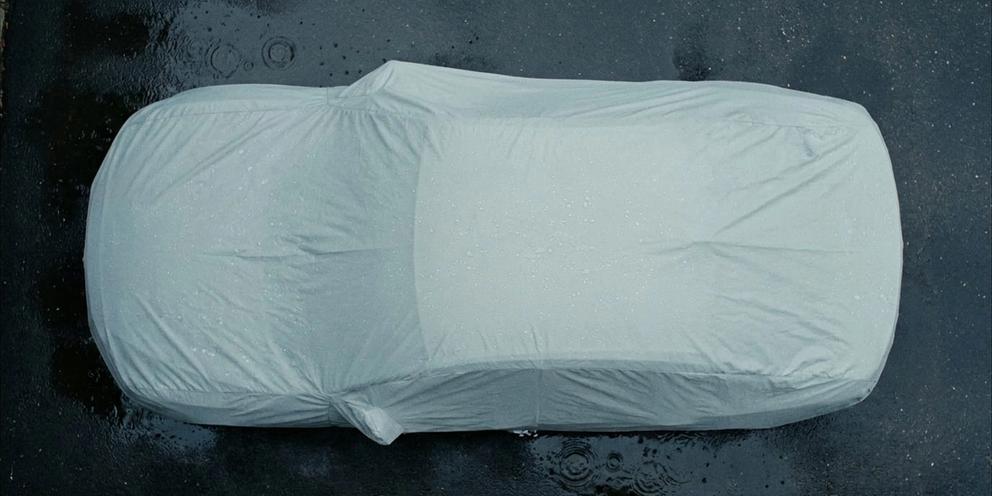
Affordable Car Cover for Chevrolet Malibu: A Budget Buyer's Guide
Why Your Malibu Still Needs a Cover (Even on a Budget)
A Malibu's clear coat doesn't know the difference between an apartment parking lot and a driveway. UV rays fade it either way. Tree sap drips on it either way. Bird droppings etch into clear coat faster than most owners realize, and road salt in winter climates works on trim and wheel wells whether the car is a brand-new Premier trim or a ten-year-old LS. None of that stops just because you're trying to spend less on protection.
Here's the thing about a mass-market sedan like the Malibu: when you go to sell it, buyers are comparing it against a dozen other Malibus and Camrys and Accords in similar condition. Paint and interior wear are what separate a quick sale from a car that sits on the lot. An affordable car cover for your Chevrolet Malibu is one of the cheapest ways to protect that resale math, often for less than the cost of a single detailing session.
So let's be clear about what this guide actually is. It's not a hunt for the single cheapest listing on the internet. It's about finding real protection at the lowest price that still makes sense, and knowing exactly where that line sits so you don't end up buying twice.
What Actually Drives the Price of a Malibu Car Cover

Price differences aren't random. A few factors do almost all the work.
Fit type matters most. Universal and semi-custom covers are cut to fit a size range of vehicles, which keeps manufacturing costs down and prices lower. Custom-fit car covers built specifically for Malibu dimensions cost more because they're tooled to one shape, with mirror pockets and body lines that match.
Material layers come next. A single-layer cover is lighter on cost and on protection. Multi-layer or laminated fabrics add water resistance, padding, and UV blocking, but they cost more to produce and that shows up in the price tag.
Use case plays a bigger role than people expect. A cover meant for indoor dust protection is the cheapest tier out there, basically a sheet with a fitted shape. An outdoor car cover with waterproofing and UV-rated coatings costs more because those coatings aren't cheap to apply and they wear out, which is part of what you're paying for.
Then there's hardware. Grommets for a cable lock, built-in straps, elastic hems, these add maybe five to fifteen dollars to a cover's price. They're easy to skip when you're comparing sticker prices, but they're the reason a cover stays put in wind instead of flapping against your hood for six months straight.
Budget Price Tiers for a Chevrolet Malibu Cover
Pricing for Malibu covers tends to fall into three rough bands.
Entry tier, roughly under $60-$80. Basic single-layer or indoor dust covers live here. Fine for a garaged Malibu or short-term storage, like a car headed into a garage for the off-season. Not built for daily outdoor exposure.
Mid tier, roughly $80-$150. This is where most daily-driven Malibus should land. Semi-custom or custom-fit covers with water resistance and UV protection show up here, and for a car that lives outside most of the year but isn't facing extreme weather, this tier covers the bases without overspending.
Higher-budget tier, roughly $150-$250. Custom-fit, multi-layer covers with reinforced seams. Worth it if your Malibu sits outside year-round in a harsh climate, heavy snow, intense sun, coastal salt air.
One more thing worth knowing: clearance timing can shift these numbers. A mid-tier cover bought at the end of a season, or when a new style replaces it, can drop into entry-tier pricing. It's worth checking clearance listings before paying full price for a cover that was $120 last month and might be $70 this month.
The Minimum Quality Bar: What Not to Cut on Price

This is the part where saving money actually costs you money if you're not careful.
Skip UV coating and you're not really saving anything if the Malibu parks outside. Fading and oxidation are expensive to fix, a repaint or even a detailing-grade polish job will run well past what you saved on the cover.
Secure fastening is non-negotiable too. A cover with no grommets for a cable lock and no integrated straps will flap in wind. That flapping isn't just annoying, it's low-grade sanding against your clear coat every time the wind picks up. Months of that adds up to visible scratching.
Water resistance needs a real rating, not just a marketing phrase. "Water repellent" on a label doesn't mean the same thing as a tested waterproof car cover. If there's any outdoor exposure in the forecast, ever, look for an actual water-resistance spec.
And size the cover to your Malibu's generation, not to a generic "mid-size sedan" category. Older Malibus and the current redesigned body style have different mirror shapes, different bumper lengths, different rooflines. A generic label is a gamble. Use a sizing lookup tool before you buy so you're not guessing.
Getting the Fit Right Without Overspending
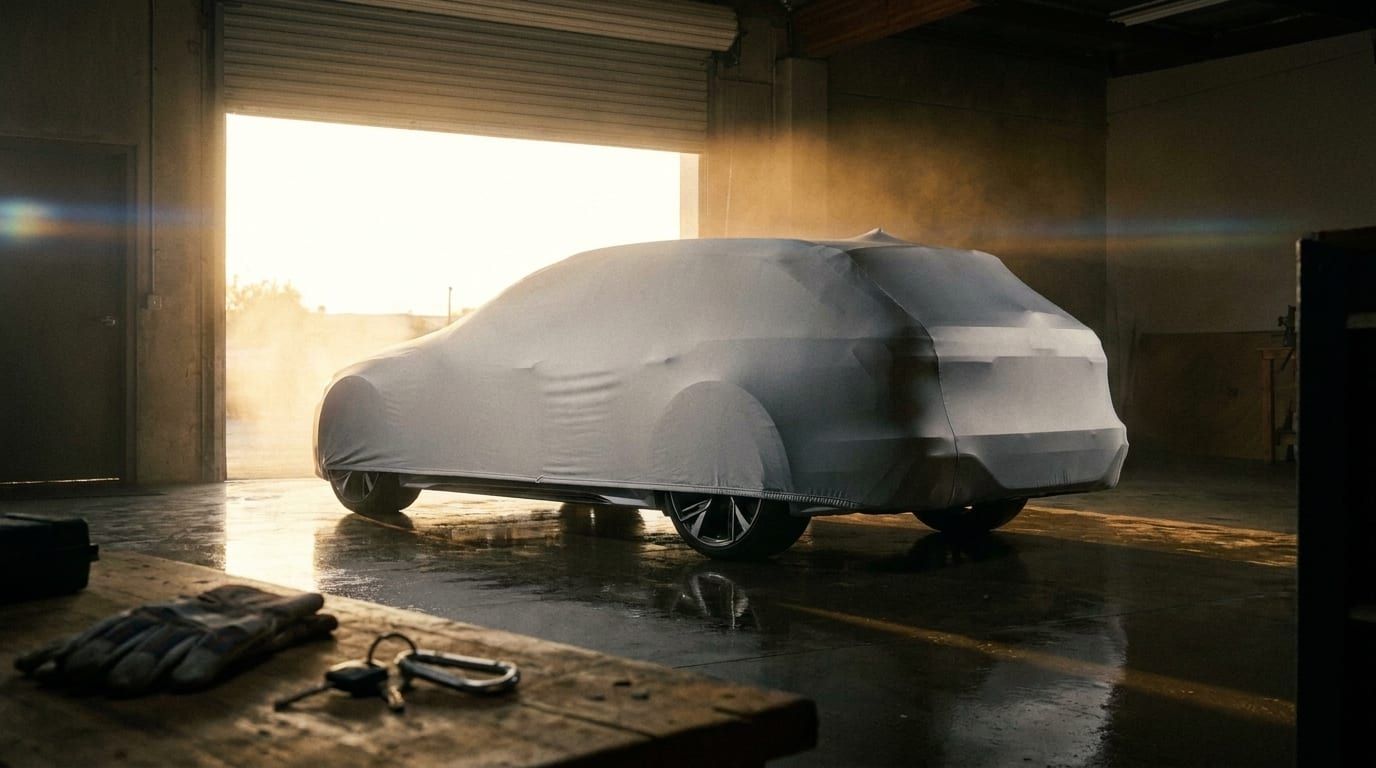
Generation matters more than people think. A classic Malibu and a current-generation redesign don't share mirror pockets, antenna cutouts, or bumper dimensions. Buy the wrong one and you'll have gaps at the mirrors or a cover that bunches at the bumper, both of which let in wind, dust, and moisture right where you need protection most.
Before you buy anything, especially a cheaper universal option, measure your car or check a proper fit lookup. The Chevrolet cover lineup and a quick cover finder tool take the guesswork out of it in a couple of minutes. It's a lot faster than dealing with a return.
Here's the honest truth: a properly sized $90 cover will outperform a poorly fitted $200 one almost every time. Fit is what keeps water out, keeps wind from getting underneath, and keeps the cover from rubbing against the paint. Price doesn't fix a bad fit. Only fit fixes a bad fit.
Where Warranty and Guarantees Matter More on a Budget Buy
Budget materials wear differently than premium ones, and that's where a warranty earns its keep. Stitching can fail. Coatings can break down faster than expected in year one. A basic warranty protects you against exactly that, without forcing you to pay premium prices just for peace of mind.
Return policy matters just as much, maybe more. Chevy has sold a lot of Malibu trims over a lot of years, and small dimension differences between them are easy to miss. A no-hassle guarantee or a clear return policy means a sizing mismatch is an exchange, not a wasted purchase.
Shipping costs are the quiet budget-killer. A cover listed at $75 isn't actually $75 if shipping tacks on another $20. Look for free shipping offers before comparing sticker prices between retailers, because that's the number that actually reflects what you're paying.
Final Recommendation and Next Steps
The smart move isn't finding the cheapest cover on the page. It's finding the cheapest cover that still clears the bar: real UV protection, genuine water resistance, and a fit built for your Malibu's actual generation. Everything below that bar is a short-term save and a long-term cost.
If your budget is tight, check clearance stock first. Last season's Malibu-fit covers often get marked down once new styles roll in, and the protection underneath hasn't changed a bit.
Take a few minutes to run your Malibu through a sizing guide before you commit, and browse what's actually built for your trim and year. It's a small step that saves you from buying twice, and it's the difference between a cover that protects your car and one that just sits there looking like it does.
Updated