
Affordable Car Cover for Ford Explorer: A Budget Buyer's Guide (Without Cutting Corners)
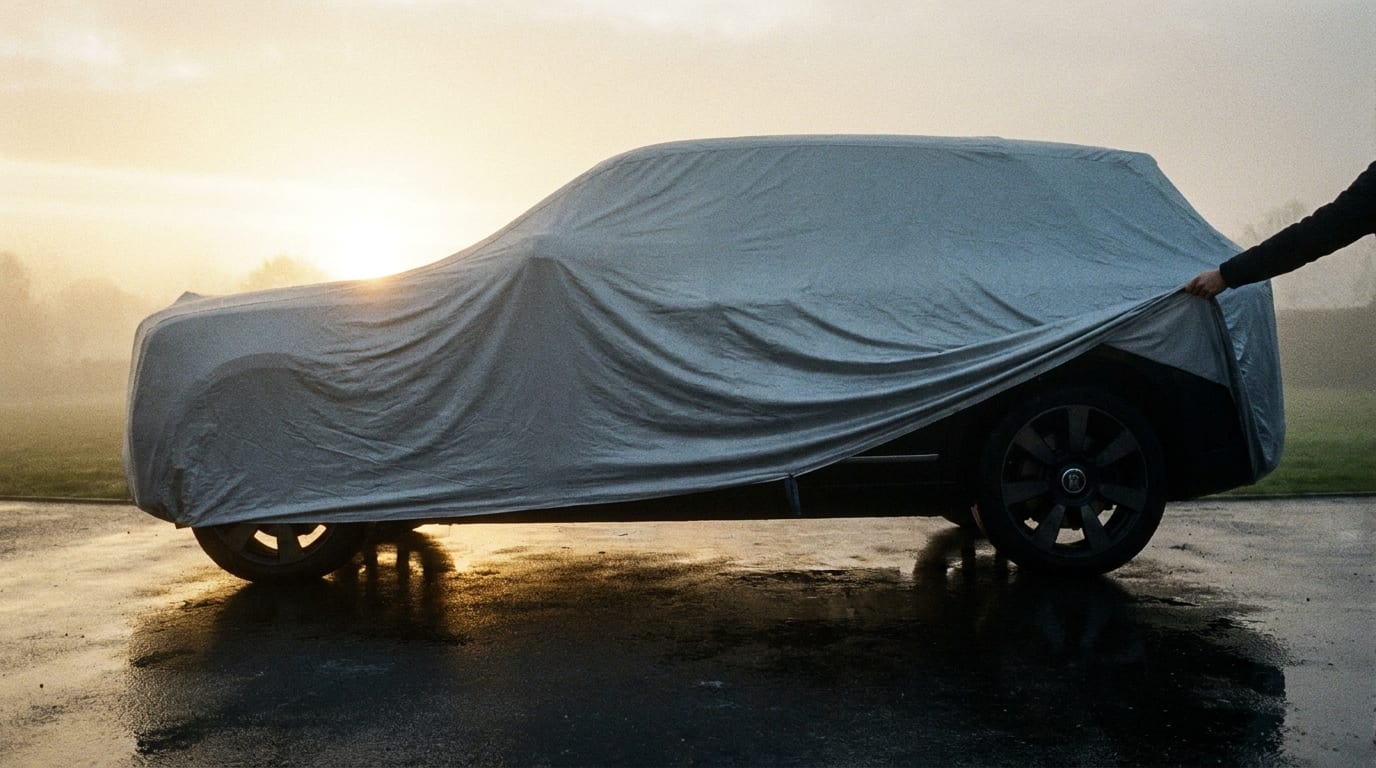
Ford Explorers are everywhere. Walk through any suburban parking lot and you'll count a handful in under a minute, which is exactly why so many owners assume a generic cheap cover will do the job. It won't, not reliably anyway. If you're searching for an affordable car cover for your Ford Explorer, the goal isn't finding the cheapest thing that technically fits over the roof. It's finding the lowest price that still does the actual job: keeping sun, rain, dust, and tree sap off your paint without falling apart by spring. This guide walks through realistic pricing, what gets cut at the bottom of the market, and the minimum bar you shouldn't go below no matter your budget.
Why Ford Explorer Owners Shop for 'Affordable' First
The Explorer's popularity works against buyers here. Because it's such a common SUV, marketplaces are flooded with generic "universal fit" covers priced to move, and a lot of owners grab one assuming fit and quality are a solved problem. They're not. A universal cover made for a mid-size SUV silhouette can still be inches off in the wrong places on an Explorer, loose at the mirrors, short at the bumper, baggy across the roof.
Here's the distinction worth making before you buy anything: affordable and cheapest possible aren't the same thing. A $20 tarp-style cover feels like a win at checkout. Then it traps moisture against your clear coat, flaps in the wind until it scuffs the paint, and rips at the seams within a season. You end up buying a second cover, sometimes a third, and paying a detailer to buff out swirl marks that never needed to happen. That's not affordable. That's just deferred cost.
This guide sticks to realistic numbers and the non-negotiable specs an Explorer cover needs at any price point, so you can shop the lower end of the market without accidentally buying a disposable product.
What 'Affordable' Should Still Mean for an Explorer Cover
There's a floor. Below it, you're not saving money, you're renting a cover for one season.
At minimum, look for multi-layer woven or laminated fabric, not single-ply polyethylene. Single-layer plastic sheeting is the stuff that cracks in cold weather and turns brittle under UV exposure within months. A proper multi-layer fabric, even an entry-level one, holds up to basic sun and water exposure without degrading every time you pull it on and off.
Fit details matter more on a budget cover than people expect. An elastic hem, mirror pockets, and enough overall length to actually match the Explorer's wheelbase are what keep the cover from sliding around or gapping at the ends. And wheelbase isn't constant across Explorer generations. A cover sized for the boxier 4th-gen body won't sit the same way on the more rounded 5th- and 6th-gen shape, even though both are "Explorers." If you're not sure what that means for your specific truck, it's worth running your year through a sizing guide for your vehicle before you commit to a listing.
Seams are another place to check. Stitched seams hold up to flexing and wind stress better than heat-sealed ones, which can separate at the edges after repeated use. And a grommet or strap system to cinch the cover down is worth the extra few dollars. It's the difference between a cover that stays put overnight and one you find three driveways down.
One more signal worth trusting: even budget-tier covers from a reputable seller usually come with some kind of warranty. That's not marketing fluff, it's a real tell. A company that stands behind a $60 cover believes it'll actually last. A listing with no warranty and no return policy is usually a sign the seller doesn't expect you to keep it long anyway.
Price Ranges by Explorer Generation and Fit Type
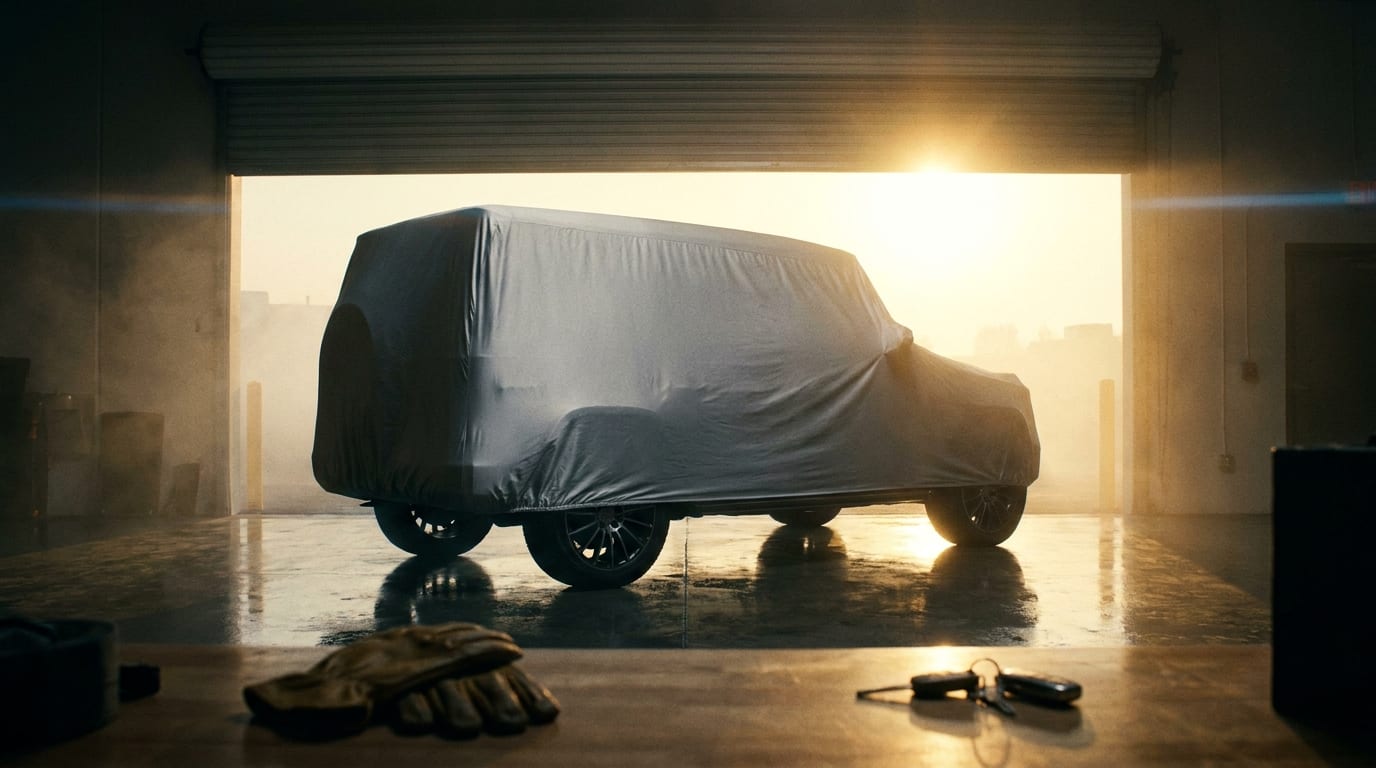
Fit type drives price more than anything else. Universal and semi-custom covers sit at the bottom of the market because they're made to loosely accommodate a size range rather than one specific shape. You'll pay less, but you're trading precision for that savings. Custom-fit covers, built around a specific Explorer generation's actual dimensions, cost more up front but track the body lines closely, which means better protection and far less flapping in wind.
| Fit type | Typical price range | Fit quality |
|---|---|---|
| Universal / semi-custom | Lowest cost | Loose, generic shape, gaps at mirrors and bumpers |
| Custom-fit, single generation | Mid to higher cost | Matches body lines, minimal excess fabric |
| Custom-fit, outdoor-rated | Highest of the custom tier | Same precision fit plus weatherproofing layers |
Generation matters here too. A 4th-gen Explorer (2011-2019) has a different roofline and overall length than a 6th-gen model (2020-present), and roof rail setups changed along the way as well. A cover built for one won't drape correctly on the other, even though they're both "Ford Explorer" in a search bar.
Before grabbing the cheapest listing you see, check a sizing guide against your exact year. An ill-fitting cover is often the actual cause of the scratching and wear it was supposed to prevent, since loose fabric moves against the paint every time the wind picks up. Buying by exact model and year, rather than searching "SUV cover" and hoping, is usually the cheapest path to getting it right the first time. It's also why browsing Ford-specific SUV cover options tends to save money over generic marketplace shopping, since you're filtering out mismatched sizes before you ever compare prices.
Indoor vs. Outdoor Cover Costs for an Explorer
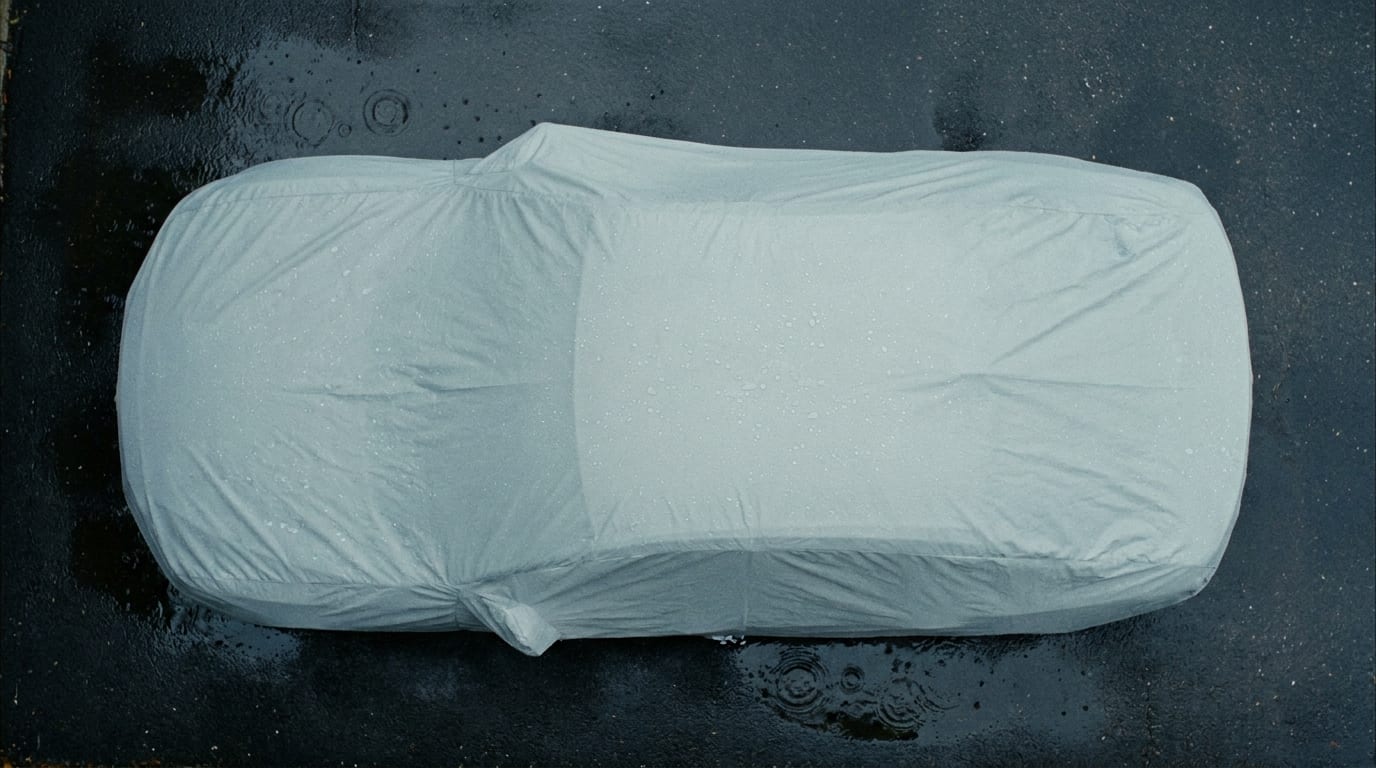
Where you park changes what you should spend.
Indoor covers are the budget tier for a reason: they only need to block dust and prevent minor scuffs from garage clutter, not fight off rain or sun. If your Explorer lives in a garage, an indoor cover is genuinely the right amount of protection, and spending more for outdoor-rated weatherproofing would be wasted money.
Outdoor covers cost more because they're doing more. They need UV stabilizers to keep the fabric from breaking down in sunlight, waterproofing to shed rain instead of absorbing it, and enough structure to resist wind without tearing loose. If your Explorer sits in a driveway or on the street, this is the category to spend up for. Skimping here is where the "cheap cover" horror stories usually come from, soaked fabric sitting against paint for days, or a cover that's shredded after one windstorm.
Simple rule: garage-kept Explorer, go budget indoor. Driveway or street-parked, spend what it takes to get a real outdoor-rated cover, ideally one with genuine waterproof protection built in rather than a water-resistant coating that wears off after a few washes.
Where Cheap Covers Cut Corners (And What to Check Before Buying)
A few red flags separate a genuinely affordable car cover for your Ford Explorer from a disposable one.
Thin single-layer vinyl or PE material tops the list. It feels cheap because it is, and worse, it traps moisture against the clear coat instead of letting it breathe, which can lead to etching over time. Next, check for an elastic hem or a strap system. Without one, the cover isn't secured, it's just draped, and wind will eventually find the gap and start working the fabric against your paint. Lost covers are common here too. One gust and it's in a neighbor's yard.
Vague sizing language is another warning sign. "Fits most SUVs" tells you nothing about how it'll actually sit on an Explorer's specific roofline. Listings that specify generation and year are doing the harder work of actual fit engineering, and that's usually reflected in how the cover performs, not just the price tag.
Last check before buying anything at the low end: read the return policy and warranty terms. If the fit turns out wrong, or the material feels thinner than described once it arrives, a no-hassle return is what protects your budget. Without one, a bad purchase is just a sunk cost.
How to Find the Right Fit Without Overpaying
The fastest way to shop affordable without guessing is to filter by vehicle first, price second. Run your Explorer's year through a cover finder tool and let it narrow the field to covers actually built for your generation before you start comparing prices. Trying to eyeball fit from a product photo almost always backfires.
Trim matters too, more than people expect. A base Explorer and a longer ST or Platinum trim can have slightly different dimensions, and a cover sized for the shorter trim will sit tight and strained on the bigger one. Filter by trim where the option exists.
And don't overlook where you're buying from. A specialist's SUV cover lineup organized by brand and generation often turns up better pricing than scrolling generic marketplace listings, mostly because you're not paying for guesswork, the sizing's already been done for you.
Warranty and Returns: The Hidden Part of 'Affordable'
This is the part budget shoppers skip, and it's the part that actually determines whether your purchase was affordable or just cheap.
A cover backed by a real warranty is frequently the better financial decision over a slightly cheaper one with zero coverage, because you're not starting from zero if something fails early. A reasonable warranty should cover material defects and stitching failures, the kind of manufacturing issues that aren't your fault. It typically won't cover wind damage from a cover you didn't strap down properly, so securing it correctly still matters on your end.
Returns matter just as much, arguably more for a budget buy. Fit problems are the single most common reason people send a cover back. A clear, simple return policy means a wrong guess costs you shipping time, not wasted money. And if free shipping is part of the deal, as it often is at no added shipping cost, that lowers the risk of trying a specific size even further.
Bottom Line: Buying an Affordable Explorer Cover That Actually Protects It
The minimum bar isn't complicated: multi-layer fabric, stitched seams, a fit built around your actual Explorer generation, and some kind of warranty standing behind it. Hit those four things and you can shop the lower end of the price range without regret.
Spending a little more for a properly fitted, SUV-rated cover beats buying three flimsy ones over two years. The math almost always favors getting it right once.
If you're still comparing options, it's worth browsing current Ford-specific and SUV cover lineups to see what fits your generation and budget, and if you want more buying guides like this one, keep an eye on future posts for more real-world cover advice.
