


Best Outdoor Car Cover for a Hyundai Tucson: Waterproofing & UV Protection Guide
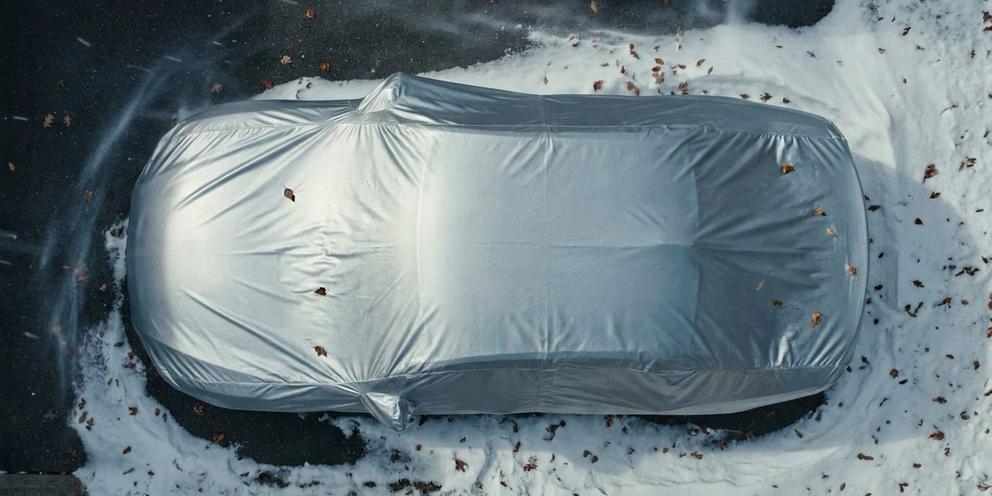
A Hyundai Tucson left outside catches everything. Sun, rain, sleet, pollen, whatever's falling that week. If you've been shopping for an outdoor car cover for Hyundai Tucson owners actually trust, you've probably noticed most options promise "all-weather protection" without saying much about how. That gap is the whole problem. This guide breaks down what waterproofing and UV protection really require, so you can stop guessing and buy the right one.
Why a Tucson Parked Outside Needs Real Waterproofing and UV Protection
Most Tucson owners don't have a garage. It sits in a driveway, a shared lot, or on the street, taking direct sun one day and a downpour the next. That's just the reality of SUV ownership for most people.
The Tucson's body shape doesn't do it any favors here. More exposed surface area than a sedan means more roof, more hood, more plastic cladding on the lower panels, all of it baking under UV rays for hours at a time. That exposure fades clear coat faster than you'd expect and dries out roof rail plastic until it starts cracking at the edges.
Then there's the water problem, which is really a trapped-moisture problem. A cheap tarp or a bargain-bin cover might keep rain off the surface, but if it can't breathe, moisture gets trapped underneath. That's how you end up with mold creeping across the paint, or mildew working its way into upholstery through window seals that were never fully sealed to begin with.
So really, this is a buying decision with two requirements, not one. A cover that blocks water but lets the sun cook your trim isn't doing the job. One that blocks UV but leaks at the seams isn't either. The right outdoor car cover for a Hyundai Tucson has to solve both problems at once.
What "Waterproof" Actually Means in a Car Cover

Here's where a lot of buyers get misled. "Water-resistant" and "waterproof" get used interchangeably in product listings, but they're not the same thing. Water-resistant usually means a DWR (durable water repellent) spray coating on the fabric surface. It beads water for a while, looks great in the first few months, then wears thin by the end of a season. Once that coating degrades, the fabric underneath soaks through.
Genuinely waterproof construction is different. It relies on multi-layer fabric with taped or sealed seams, built so water can't find a path through the stitching. That's a material and construction choice, not a spray-on treatment.
Breathability matters just as much, and it's easy to overlook. A cover that blocks rain perfectly but can't vent moisture vapor turns into a greenhouse. Condensation builds up underneath, and you've traded one kind of water damage for another.
On an SUV body specifically, water tends to find its way in through a few predictable spots: mirror cutouts that don't sit snug, roof rack channels that create little channels for runoff, and hem edges that ride up if the cover wasn't cut for the Tucson's actual body lines. A universal cover is more likely to leave these gaps open. For the deeper material breakdown, the waterproof car cover guide covers the fabric science in more detail than we have room for here.
UV Protection: Stopping Sun Damage Before It Starts
Paint oxidation doesn't happen overnight. It's cumulative, built from thousands of hours of direct sun exposure, and a Tucson parked outside daily is racking up those hours fast. UV-stabilized outer shells with inhibitor coatings are what actually slow that process down, blocking the rays before they reach the clear coat and the plastic cladding below it.
It's not just the exterior, either. A cover blocks solar heat load coming through the windshield and side glass, which is what keeps dash plastics from going brittle and keeps leather or vinyl seats from cracking under heat stress. Anyone who's opened a car door after it's sat in full sun for six hours knows how much heat builds up inside. A cover cuts that down significantly just by blocking direct light.
Here's the part owners don't think about until trade-in day: a Tucson with intact paint and an interior that hasn't dried out and cracked is worth more. Faded paint and sun-damaged dash plastic are the first things a buyer or dealer notices, and they'll use it to knock down your offer.
One thing worth being straight about: UV protection and waterproofing come from the same outer-layer quality. They're not separate features bolted onto a cover. A cheap single-layer fabric isn't going to deliver strong performance on either front, because it doesn't have the material density to block UV rays or hold up against sustained moisture. If a listing says "waterproof and UV-resistant" but the fabric is thin and single-layer, be skeptical.
Custom-Fit vs. Universal: Getting the Right Cover for the Tucson's Body Shape
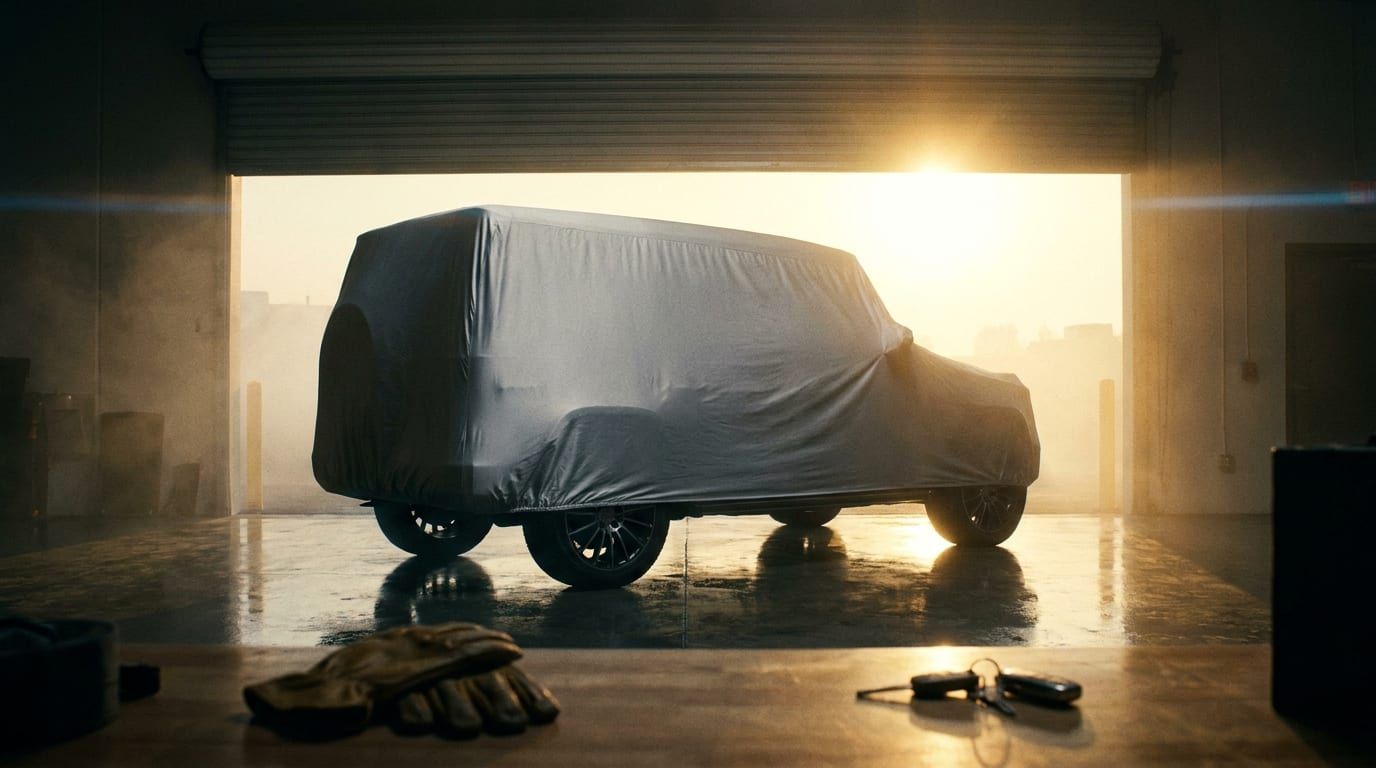
The Tucson has a curved roofline, roof rails, and SUV proportions that a generic "fits most SUVs" cover just doesn't account for. Universal covers are built to a rough size range, which means they often leave slack at the mirrors and gaps at the rear hatch, exactly where wind-driven rain gets pushed in.
A custom-fit cover is cut to the Tucson's actual dimensions, mirror pockets and antenna cutouts included. That precision is what keeps the waterproof seal intact when wind is pushing the cover around, instead of flapping loose and working water in at the edges. If your Tucson has a roof-mounted antenna, pairing the cover with an antenna patch closes off one more spot where water and wind can sneak in.
Sizing matters by generation, too. Tucson models have changed length and height across different model years, so a cover sized for a newer, larger Tucson won't sit right on an older, shorter one. If you're not sure which fit option applies to your year, the custom-fit car cover guide and the sizing guide will walk you through it before you buy.
Comparing Cover Tiers for Outdoor Use: Basic vs. Deluxe vs. Platinum
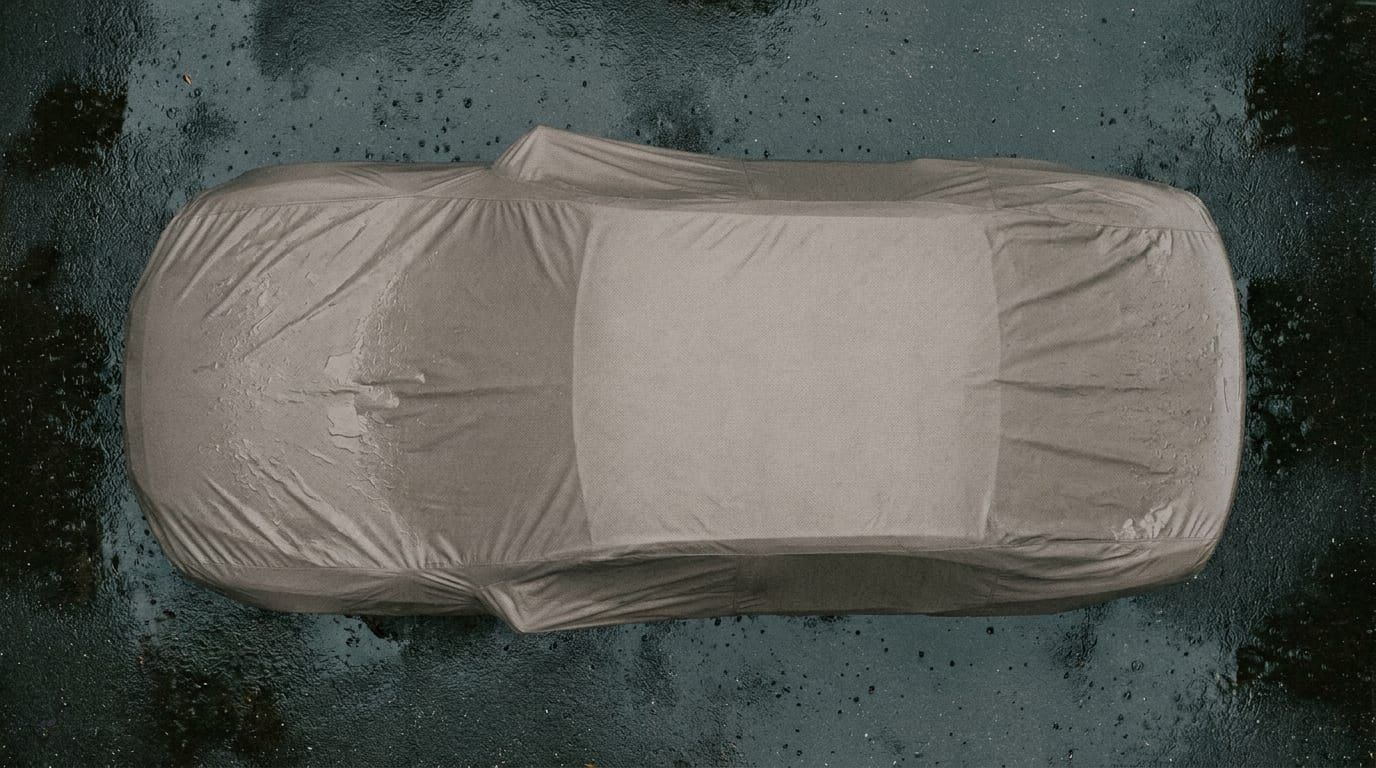
Not every Tucson owner needs the same level of protection. Someone parking outdoors occasionally in a mild climate has different needs than someone whose SUV sits outside year-round through snow and storms. Here's how the tiers stack up:
| Feature | Basic | Deluxe | Platinum |
| Waterproofing | Water-resistant coating, light rain only | Fully waterproof multi-layer fabric | Heavier waterproof shell for sustained storms |
| UV protection | Standard UV inhibitors | Enhanced UV-blocking layer | Heat-reflective UV protection |
| Construction | Single-layer | Multi-layer with soft inner lining | Thickest multi-layer, reinforced stitching at stress points |
| Best fit for | Mild climates, occasional outdoor parking | Year-round outdoor storage | Severe-weather regions |
Basic is fine if your Tucson spends most nights in a garage and only sees the driveway occasionally. But if it's outside every day, rain or shine, Basic's single-layer construction and standard coating will wear down faster than you'd like.
Deluxe is where most daily-outdoor Tucson owners should land. The multi-layer waterproof fabric and enhanced UV layer are built for exactly this use case: regular rain, regular sun, regular wear. Platinum makes sense if you're dealing with genuinely severe weather regions, hail-prone areas, heavy snow, sustained storms, where the reinforced stitching and thicker shell earn their keep.
If you're deciding between tiers and still unsure, default to Deluxe or higher. A Tucson parked outdoors daily is taking on UV and rain exposure every single day of the year, and Basic just isn't built for that workload.
Installing and Maintaining the Cover So It Keeps Protecting Long-Term
A great cover installed loosely is still a liability. Wind can work it loose overnight, exposing panels right when a storm rolls through. Gust straps keep the cover anchored on exposed driveways, and they're a quick add-on worth the few extra minutes during installation. The gust strap install guide walks through the process step by step.
If the Tucson sits in a driveway or shared parking area, a cable lock adds a layer of security too, keeping the cover from being lifted or removed. The cable lock install guide covers setup.
Maintenance matters more than people think. Dirt and grit sitting on the fabric over time will abrade the waterproof coating, slowly wearing down the exact protection you paid for. A regular cleaning schedule prevents that. The step-by-step cleaning guide lays out how often and how to do it without damaging the fabric. For a broader rundown on outdoor use specifically (wind, UV, rain all together), the guide to using a car cover outdoors is worth a read before your first storm season with a new cover.
Buying With Confidence: Warranty and Guarantee
A waterproof, UV-blocking cover is an investment, and it should be backed by something real. The lifetime warranty covers manufacturing defects in the waterproof and UV layers themselves, so if the material fails from a production flaw rather than normal wear, you're covered.
If the fit or material just doesn't perform the way you expected once it's outside on your Tucson, the no-hassle guarantee is the fallback. It's there specifically for cases where the cover didn't live up to the outdoor conditions you bought it for.
Worth knowing: the warranty terms are the same whether you go Basic or Platinum. Stepping up to a higher tier for better protection doesn't mean giving up any of that coverage.
Choosing the Right Outdoor Cover for Your Tucson
Boil it down and the checklist is short: waterproof multi-layer material, a real UV-inhibiting coating, a custom fit built for the Tucson's body, and a tier that matches how rough your local weather actually gets. Skip any one of those and you're leaving a gap, literally or figuratively, for water and sun to do damage.
If you're ready to shop, the Hyundai SUV cover page has the fits built for your Tucson's year and trim. And if you've got other SUVs in the driveway too, the SUV cover category is worth a browse while you're at it.
Take a few minutes, match your Tucson's year and trim to the right fit, and pick the tier that actually matches your climate. Your paint, your interior, and your future trade-in value will thank you. If you want more guides like this one before you decide, the articles section has plenty more to dig through.
Updated