


Best Outdoor Car Cover for Tesla Cybertruck: Waterproofing & UV Protection Guide
The Cybertruck's stainless steel body doesn't rust the way a painted truck does, but don't let that fool you into skipping a cover. Bird droppings, tree sap, and hard water all leave mineral deposits that etch into stainless just like they stain paint, and once that happens, polishing it out is a real project. If you're parking outside daily, an outdoor car cover for Tesla Cybertruck isn't an accessory. It's the first thing you should buy after the truck itself.
Why Your Cybertruck Needs a Dedicated Outdoor Cover
Painted panels have a clear coat buffer. Stainless steel doesn't. Rain that sits and evaporates leaves behind mineral spots that can etch into the metal's finish over time, and bird droppings are acidic enough to do real damage if they bake on in direct sun for a few days. The Cybertruck's design makes this worse, not better. Those huge flat panels and sharp angles mean more surface area catching direct UV exposure compared to the curves on a typical sedan or SUV, where sunlight glances off rather than sitting flat.
If you've got a garage, you've got options. If you're parking on a driveway or in an open lot, you're accumulating weather damage every single day the truck sits uncovered. That's the audience this guide is written for. We're going to focus specifically on the two factors that matter most for outdoor storage: waterproofing and UV protection. Everything else (indoor use, dust protection, show car storage) is a different conversation, covered in our broader outdoor car cover guide.
What 'Outdoor-Rated' Actually Means for a Cover
A lot of covers marketed as "all-weather" are really just indoor covers with a slightly thicker shell. Genuinely outdoor-rated covers need three things: multi-layer woven or laminated fabric, taped or sealed seams, and a water-resistant outer shell, not just a water-repellent coating that wears off after a few washes.
Here's the detail people miss: breathability matters just as much as waterproofing. A cover that blocks rain perfectly but traps humidity underneath creates condensation, and condensation sitting against the Cybertruck's battery pack vents or charge port door is exactly the kind of slow, invisible damage you don't want. You need a fabric that keeps liquid water out while letting water vapor escape. Check our waterproof fabrics breakdown if you want the material science behind that.
Single-layer budget covers are fine for a weekend in the garage. They're not built for daily exposure to sun and rain. Multi-layer construction is the baseline for anyone parking outside five, six, seven days a week.
And fit matters more here than on almost any other vehicle. The Cybertruck's dimensions are unusual enough that generic "full-size truck" covers tend to gap at the bed or hood, and a gap is where water gets in no matter how good the fabric is underneath it.
Waterproofing Comparison: Choosing the Right Fabric Tier
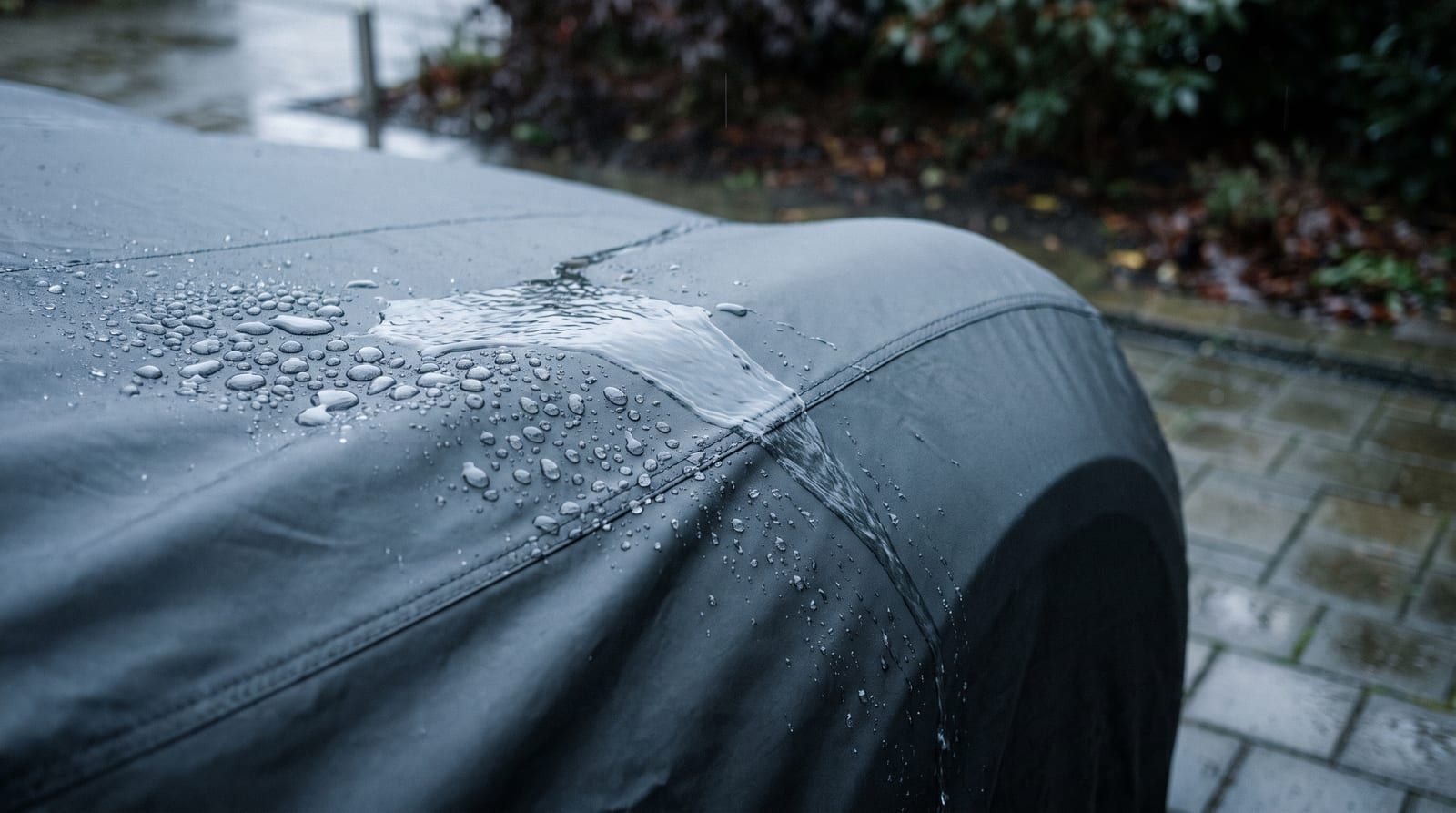
Not all waterproof covers perform the same once you factor in climate and frequency of outdoor parking. Here's how the tiers generally break down.
| Tier | Protection Level | Best For | Tradeoff |
| Entry-level water-resistant | Light rain, dew, morning mist | Occasional outdoor parking | Shorter outdoor lifespan, coating wears faster |
| Mid-tier waterproof multi-layer | Sustained downpours, sealed seams | Daily outdoor parking in mixed climates | Higher cost than entry-level |
| Premium heavy-duty waterproof | All-weather, reinforced underbody | Daily outdoor parking, rough conditions | Highest price point |
The mid-tier option is where most Cybertruck owners should land if they're parking outside regularly. Sealed seams and a soft fleece lining matter here specifically because stainless steel scratches show up differently than scratches on paint. A rough lining rubbing against the hood or bed every time the wind shifts will leave fine marks you'll notice in direct sunlight.
Premium covers add abrasion resistance at the wheel wells and bed rails, which is worth it if you're dealing with gravel driveways or frequent off-road use. For most daily drivers, mid-tier waterproof car cover construction covers the bases.
One quick way to check if a cover's waterproofing is still doing its job: pour a small amount of water on the fabric. If it beads and rolls off, the coating's intact. If it soaks in, the cover's waterproofing has worn down, regardless of how new it looks.
UV Protection: Preventing Fade, Chalking, and Panel Stress
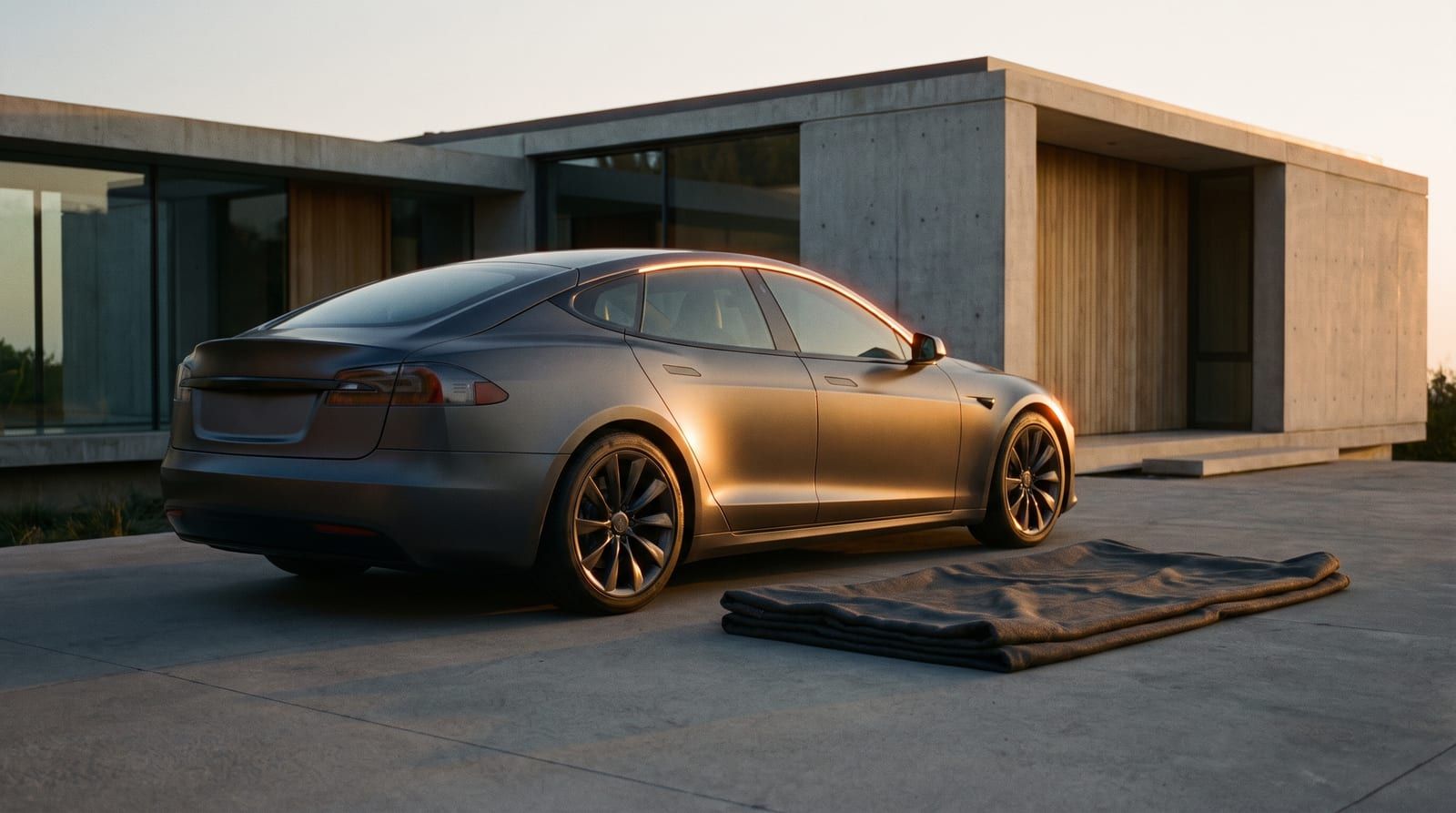
Stainless steel doesn't fade the way paint does, but that doesn't mean the Cybertruck is immune to UV damage. Trim pieces, sensor housings, and camera lenses are all plastic, and UV exposure degrades plastic over time, making it brittle and discolored. The tinted glass also absorbs heat unevenly across a day of direct sun, which adds thermal stress to the seals around it.
A good UV-stabilized cover fabric doesn't just block sunlight like an umbrella. It's treated to reflect UV rays, which reduces the heat transferred to the panels and cabin underneath. That's a meaningful difference if you're in a high-sun climate. Southwest and Florida owners in particular should look at reflective or light-colored outer shells over basic UV-resistant fabric, since the lighter colors reflect more heat rather than absorbing it.
Here's the part that often gets overlooked: UV exposure also breaks down the cover fabric itself. A cover rated for UV resistance will last years longer outdoors than one that isn't, which matters for total cost of ownership. A cheap cover that needs replacing every season isn't actually cheap.
Getting the Fit Right on a Cybertruck's Angular Body
A loose cover is a liability outdoors. Wind gets under the fabric, lifts it, and pools water in the low spots created by the Cybertruck's flat bed and sharp creases. That pooled water sits there, and sitting water is exactly what etches stainless steel.
Before buying, check three specific areas: coverage at the front end's low nose (a common gap point on generic truck covers), clearance around a tonneau cover if you've got one installed, and whether the mirror pockets actually fit the Cybertruck's distinct mirror shape. Generic "full-size truck" covers are built around conventional truck dimensions, and the Cybertruck doesn't share much of that geometry.
Measure your truck before you buy, and lean toward a vehicle-specific or custom-fit cover over a universal one. Our sizing guide walks through exactly where to measure. A snug fit isn't just about looks. It reduces fabric flapping in wind, and that flapping is what wears down a waterproof coating through repeated micro-abrasion long before the fabric itself gives out.
Securing the Cover Outdoors: Wind, Straps, and Locks
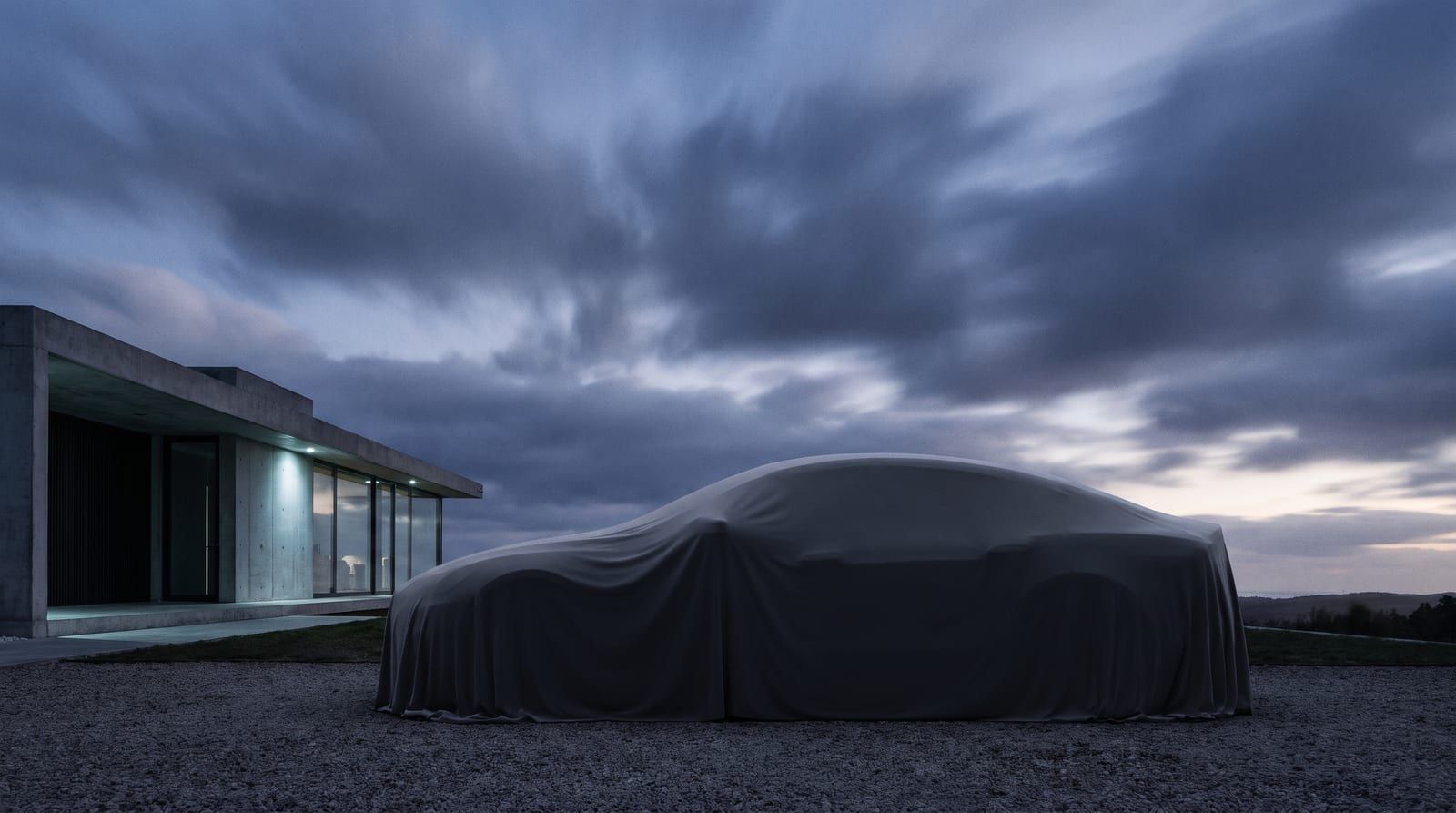
Wind is the number one reason outdoor covers fail, full stop. Not UV, not rain, wind. A cover that lofts in a storm stresses seams until they separate, and once a seam goes, water gets in everywhere.
Built-in grommets and gust straps keep the cover anchored under the body rather than letting it catch air like a sail. Cable locks add a second benefit: they stop anyone from walking off with the cover itself, which happens more than people expect with an attention-grabbing vehicle like the Cybertruck.
Setup is straightforward but worth doing right. Run straps underneath the vehicle rather than just across the top, and pay extra attention to tensioning at the junction between the bed and cab, where the Cybertruck's angular shape naturally creates a gap the wind can grab. Our guide to installing gust straps covers the exact placement if you're setting one up for the first time.
Maintaining Waterproofing and UV Performance Over Time
A cover left dirty loses its coating faster. Road grime and dust act like sandpaper against the fabric every time the wind moves it, and that grime also breaks down waterproof coatings chemically over time. Rinse it off regularly and let it air dry before you put it back on.
Skip the washing machine and skip harsh detergents. Both strip UV coatings faster than normal wear would. Mild soap and a soft brush, or a cleaner made specifically for cover fabric, is the safer routine. Our cover care guide has the full process if you want specifics on frequency and technique.
Know the signs it's time to replace the cover: water stops beading on the surface, the fabric looks chalky or faded, or you notice fraying starting at the seams. Any one of those means the cover's no longer doing the job you bought it for, even if it still looks okay from ten feet away.
Picking Your Cybertruck Cover and Next Steps
Your climate should decide the tradeoff. If you're dealing with frequent rain, prioritize sealed seams and multi-layer waterproofing. If you're in a sun-heavy region, weight UV-stabilized or reflective fabric more heavily. Most owners need some of both, but one factor usually matters more based on where you actually park.
A properly fitted, multi-layer, UV-stabilized outdoor car cover for Tesla Cybertruck protects more than the surface. It protects resale value, since panel etching and interior heat damage both show up in a pre-purchase inspection down the road. Check out the Tesla-specific cover options and the broader truck cover lineup to compare fit and material before you commit to one.
If you're still deciding what fits your situation, stick around and browse a few more guides before you buy. Getting the fit and fabric right the first time saves you from replacing a cover twice in one year.
Updated