


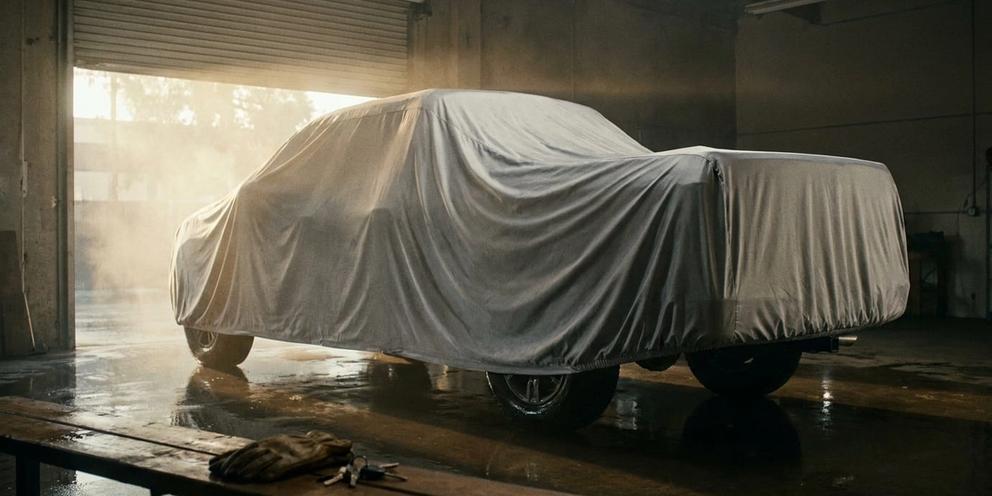
Best Outdoor Car Cover for Toyota Tundra: Waterproofing & UV Protection Guide
Why Your Tundra Needs More Than a Basic Cover
Park a Tundra outside for a season and you'll see the damage add up in layers. Sun bakes the hood and bed rails all day. Rain pools in the bed liner and creeps under the tailgate seal. Road grime kicks up off the front wheels and coats the lower doors every time a car passes on a wet street. None of this happens on its own. It compounds.
Here's the problem with grabbing whatever cover is cheapest online: a Tundra isn't shaped like a sedan, and it isn't shaped like every other truck either. CrewMax and long-bed configurations push the total length well past what a generic "full-size truck" cover accounts for, which means the tailgate corners and mirror areas end up loose. Loose fabric is exactly where water gets in and where wind starts working a hole into the seams.
So the buying decision really comes down to two things: does the cover actually keep water out, and does it block enough UV to stop your clear coat from chalking within a couple of years. Get those two right, sized to your specific Tundra, and everything else (straps, poles, warranty) is just making sure that protection holds up daily. That's what the rest of this guide is here to sort out: which specs on an outdoor car cover for Toyota Tundra actually matter, and which ones are just marketing copy.
Waterproofing: What Actually Keeps a Tundra Dry
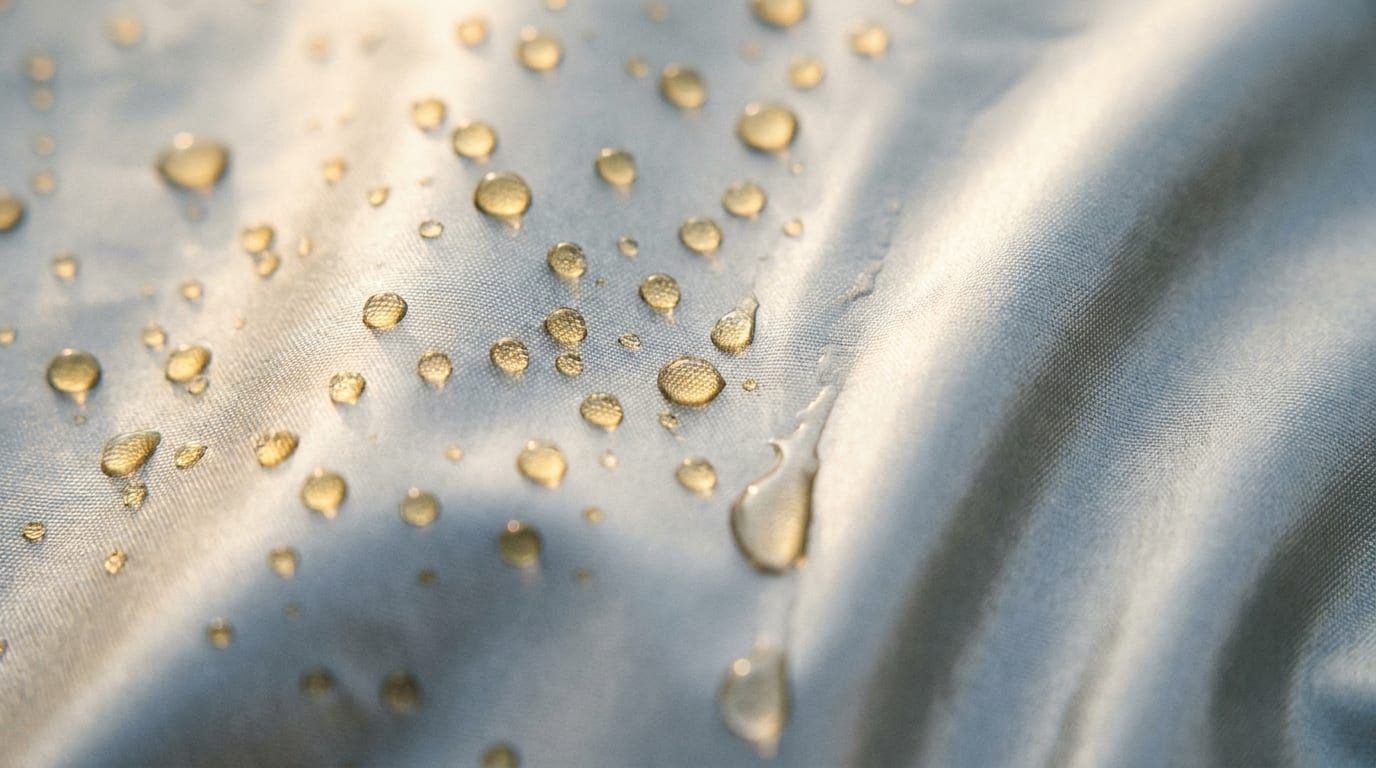
"Water-resistant" and "waterproof" get used interchangeably in cover listings, and they shouldn't be. Water-resistant usually means a DWR (durable water repellent) coating on the surface, fine for a surprise drizzle but not built to survive hours of steady rain. Waterproof means something structural: sealed seams, taped construction, a multi-layer laminate that doesn't let water migrate through the fabric itself. If your Tundra sits outside every day, you want the second one. The first one just delays the problem.
Breathability is the part people skip past, and it's the part that causes the most damage. A cover that's fully sealed with nowhere for moisture to vent traps condensation underneath it. That trapped moisture sits directly on your clear coat overnight, and mildew or water spotting follows. A genuinely good outdoor cover balances waterproofing on the outside with breathability that lets trapped vapor escape from underneath, instead of choosing one property at the expense of the other.
On a truck specifically, the leak points are predictable: the bed-to-cab seam, and the tailgate hem. Those are the two spots where a Tundra-shaped cover has to do more sewing and sealing than a car cover does, because that's where two different surface heights and angles meet. Cheap covers often skip reinforced seam-sealing right there, because it's the hardest part of the pattern to get right. Check for it specifically before you buy.
Climate matters too. A Tundra parked in Phoenix and a Tundra parked in Seattle need different waterproof ratings. Coastal and humid regions call for a heavier waterproof rating and stronger seam sealing, since the truck's dealing with sustained moisture, not just occasional storms. If you're not sure what you're buying, CarCovers' waterproof car cover guide breaks down the ratings in plain terms, and the broader outdoor car cover guide covers wind and UV alongside water, since outdoor storage never stresses just one variable at a time.
UV Protection: Stopping Sun Damage on Paint and Interior
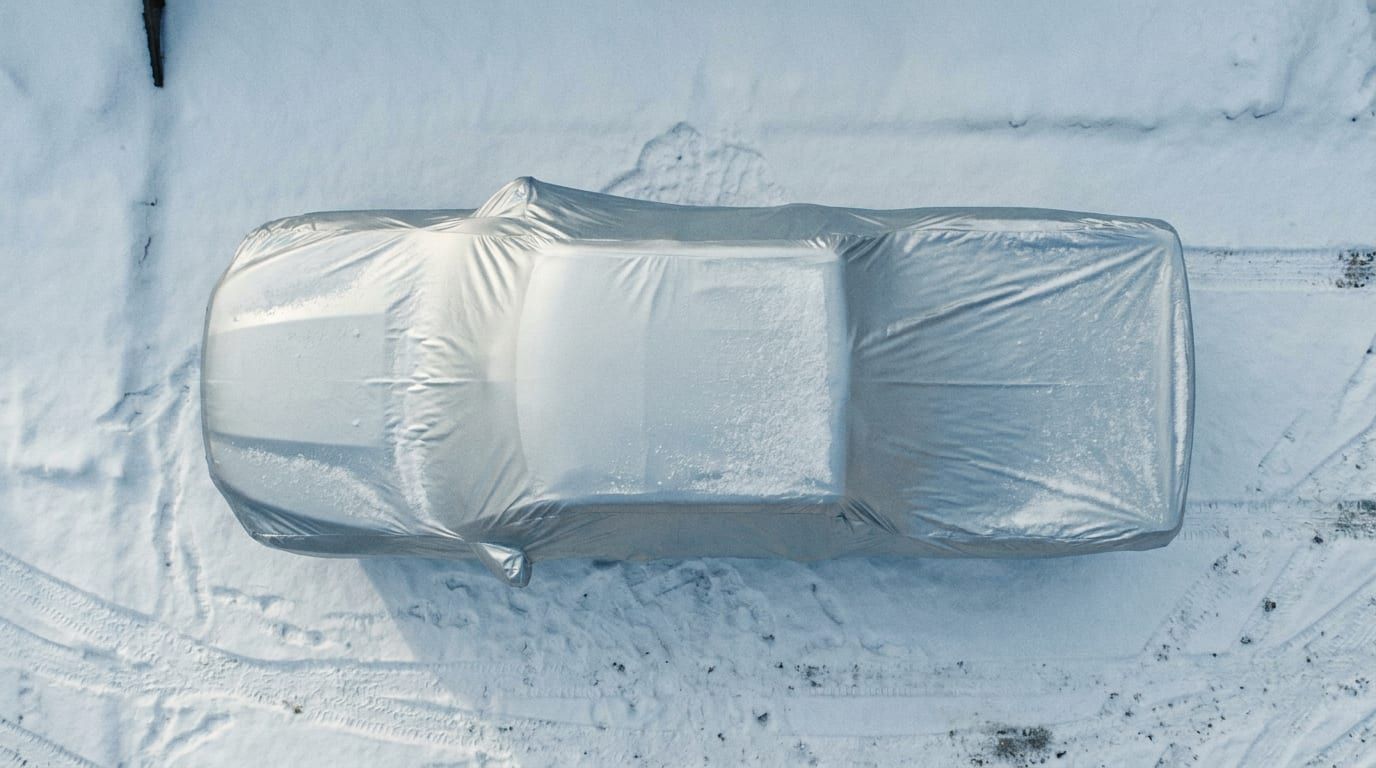
Sun damage doesn't need direct exposure to do its work. Even with the truck closed up, UV rays cook the dashboard, dry out door seals, and slowly bleach interior plastics through the windshield. Add a truck bed and hood with zero shade, and you've got two of the largest flat panels on the vehicle taking a full day's dose of UV with nothing between them and the sun.
A real UV-blocking layer shows up on a spec sheet, not just in the marketing copy. Look for language about a UV-treated outer shell specifically, not just "protects from the elements." In hot, sun-heavy climates, reflective or light-colored outer materials do more work than dark fabric, since dark colors absorb heat and pass more of it through to the paint underneath.
Where you park changes what you need. A Tundra sitting in direct sun for eight-plus hours a day needs a heavier UV layer than one parked under a carport or a shaded driveway for most of the afternoon. If your truck's baking in a parking lot five days a week, don't buy the same cover as someone with a garage overhang.
And this isn't just a cosmetic concern. A faded hood, cracked dash, and dried-out weatherstripping are common reasons trade-in appraisals come in lower than expected on trucks that sat outside uncovered for years. An outdoor car cover for Toyota Tundra that actually blocks UV is protecting resale value as much as it's protecting the paint job today.
Getting the Fit Right for Your Tundra's Bed and Cab Configuration
Fit is where a lot of otherwise-decent covers fail. Tundra generation and cab style change the truck's actual dimensions: a Double Cab with a standard bed is a different shape than a CrewMax with a long bed, and a cover cut for one will leave slack or gaps on the other. Slack isn't just cosmetic. It's where wind gets a grip, where rain collects in a low spot, and where the fabric rubs against paint every time a gust moves it.
Mirror pockets and antenna cutouts matter more than people expect. Without them, the cover either doesn't seat properly around the mirrors, or wind catches the loose fabric there and works the whole cover looser over the course of a storm. A cover that fits snug at these details stays put; one that doesn't will need re-tightening constantly.
This is really where the case for custom-fit sizing over a generic universal cover makes itself. A "fits all full-size trucks" label sounds efficient, but on a Tundra it usually means extra material bunched at the tailgate and a gap somewhere near the mirrors, both of which defeat the waterproofing and UV protection you just paid for. Check a real sizing guide before you buy, and if you're unsure how your bed length affects things, the truck bed size guide is worth a look too. For confirming exact measurements against your model year, CarCovers' Toyota truck page is the place to start.
Comparing Outdoor Cover Tiers for a Tundra
Not every cover marketed for outdoor use is built the same way, and the differences show up fast once a Tundra's been parked outside for a full season.
| Feature | Entry Tier | Mid Tier | Top Tier |
| Waterproofing | Water-resistant, DWR coating | Sealed-seam waterproof | Multi-layer laminate, taped seams |
| UV protection | Basic UV-treated fabric | UV-treated with better fade resistance | Heavy-duty reflective outer shell |
| Wind security | Standard elastic hem | Elastic hem plus grommets and tie-downs | Integrated cable/lock-ready grommets |
| Breathability | Often single-layer, non-breathable | Multi-layer, breathable | Multi-layer, breathable with better airflow |
| Best suited for | Occasional or short-term coverage | Daily outdoor storage in moderate climates | Daily outdoor storage in extreme sun, wind, or humidity |
The entry tier isn't a bad product, it's just built for a different job: a truck that gets covered occasionally, or one that's mostly garaged and only exposed short-term. If your Tundra lives outside every day, that tier will show wear (mildew smell, fading UV layer, loosened hems) within a season or two.
Mid and top tier are where the sealed seams, real UV blocking, and breathable multi-layer construction actually show up together. For daily outdoor parking, that's the range worth spending in. The jump in price buys you years of protection instead of months.
Securing the Cover: Straps, Poles, and Everyday Installation
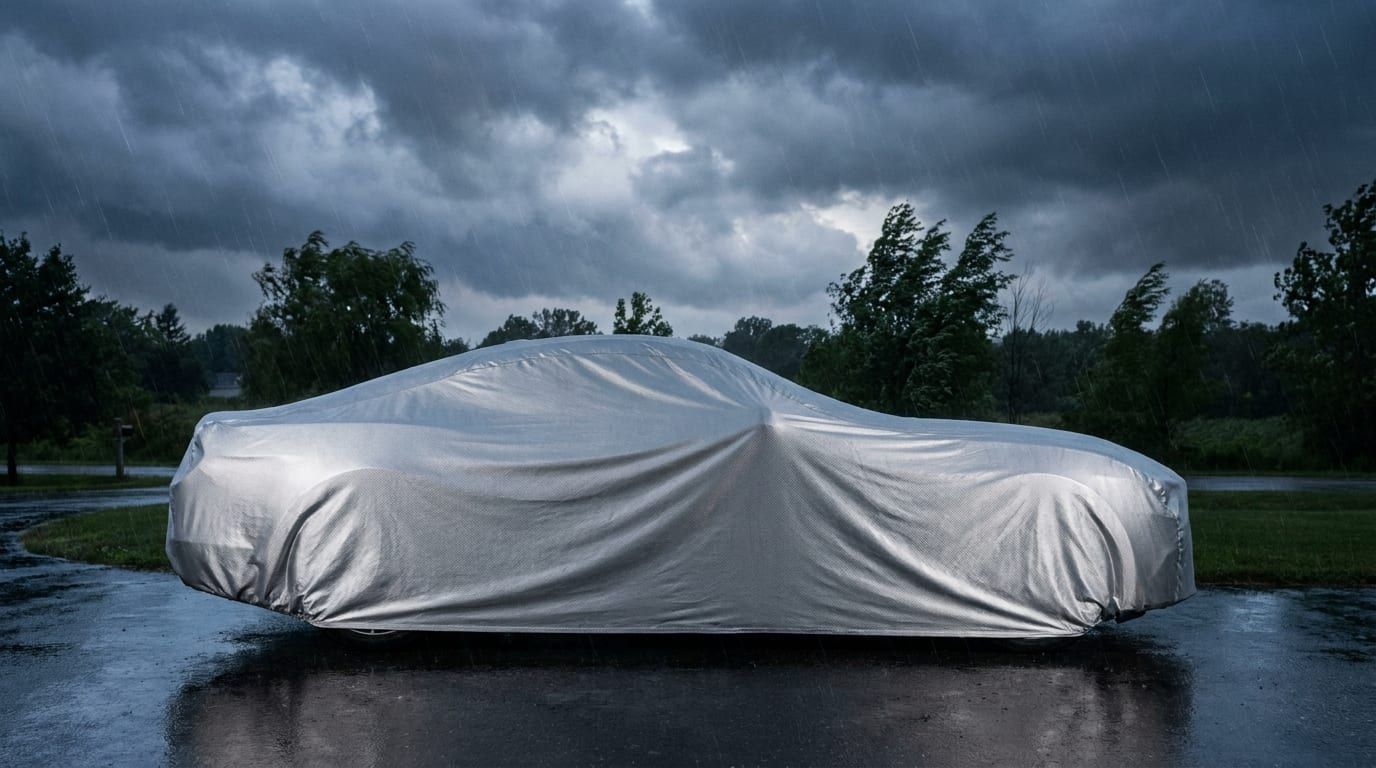
A truck bed is a big, flat, wind-catching surface, and that's exactly the shape that turns a mediocre gust into a cover that's halfway off by morning. Gust straps matter more here than they would on a low sedan, because there's simply more surface area for wind to grab. If your cover only relies on an elastic hem, expect to be re-securing it after any windy night. Adding real gust straps is a cheap fix for a problem that otherwise undoes all your waterproofing and UV work.
Putting the cover on and taking it off sounds simple until you've dragged fabric across a tonneau cover or a bed rack and scratched something. Lift and place it, don't drag it. Fold from the tailgate forward, and take your time around mirrors and any bed accessories.
Support poles or a small tripod are worth considering if your Tundra's bed cover tends to pool water in heavy rain. A flat section of fabric over an open bed will sag and collect water if nothing's holding it up in the middle; a support pole keeps that section domed so water runs off instead of sitting there. CarCovers' support pole installation guide walks through setup if you're adding one.
None of this works, though, if the cover isn't actually strapped down. A top-tier waterproof, UV-rated cover left loose in an open, exposed parking spot will still flap, work loose, and let water in eventually. The spec sheet only matters if the installation matches it.
Warranty and Guarantee: What to Check Before You Buy
Outdoor covers take a beating from sun and water every single day, so a real warranty should cover exactly that: material failure from UV breakdown and water exposure, not just manufacturing defects in the stitching. If a warranty only mentions seams and hems, ask what happens when the UV coating fades or the waterproof layer starts letting water through after a couple years outside.
The practical question to ask before buying is how long the cover is expected to hold up outdoors before those layers degrade. A cover that's rated for daily sun and rain exposure should say so, and the warranty terms should back that claim up rather than dodge it.
CarCovers backs its covers with a lifetime warranty and a no-hassle guarantee, which is the kind of coverage worth looking for on a purchase you're expecting to perform outdoors, unattended, for years.
Bottom Line: Choosing Your Tundra's Outdoor Cover
Three things decide whether an outdoor car cover for Toyota Tundra actually earns its price: a waterproof rating matched to your climate, UV protection matched to how much direct sun your truck sits in, and a fit that's actually built for your Tundra's cab and bed configuration, not a generic full-size truck guess.
If you're parking outside daily, spend in the mid-to-premium tier, get a custom-fit size instead of a universal one, and buy from a warranty backed by an actual guarantee. Anything less is a cover that looks fine in the listing photos and lets you down by the second season.
If you want to dig into the wind, water, and UV side of outdoor storage a little more before you buy, the full guide to using a car cover outdoors is worth a read, and it's a good one to bookmark or share if you're still narrowing down your options.
Updated