


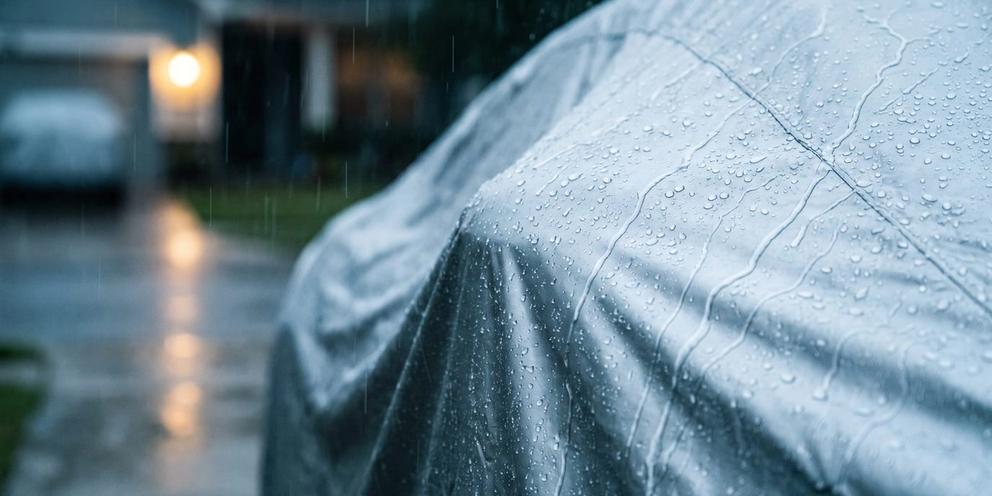
Best Waterproof Car Cover for Honda Odyssey: Climate-Specific Protection Guide
Why Your Honda Odyssey Needs More Than a Basic Cover
Look at the shape of an Odyssey for a second. Long roofline, sliding doors on both sides, a windshield that rakes back further than most sedans. That's a lot of real estate for rain to pool on, and a lot of seams and gaps for water to work its way into. A basic universal cover made for a compact car just isn't cut out for that footprint.
Add in how most Odysseys actually get used. This isn't a weekend car tucked into a garage. It's the vehicle doing school drop-off, grocery runs, and road trips, which means it's parked outside overnight more often than not, sometimes in a hotel lot during a storm. All that outdoor time adds up.
So the real question isn't "is this cover waterproof." It's whether it's the right waterproof protection for where you actually live and park. A cover built for Arizona sun behaves differently than one built for Seattle drizzle or Minnesota snow load. That's the lens for the rest of this guide: not a generic feature list, but a climate-by-climate breakdown so you can match a waterproof car cover for Honda Odyssey to the weather it'll actually face.
What 'Waterproof' Actually Means in a Car Cover
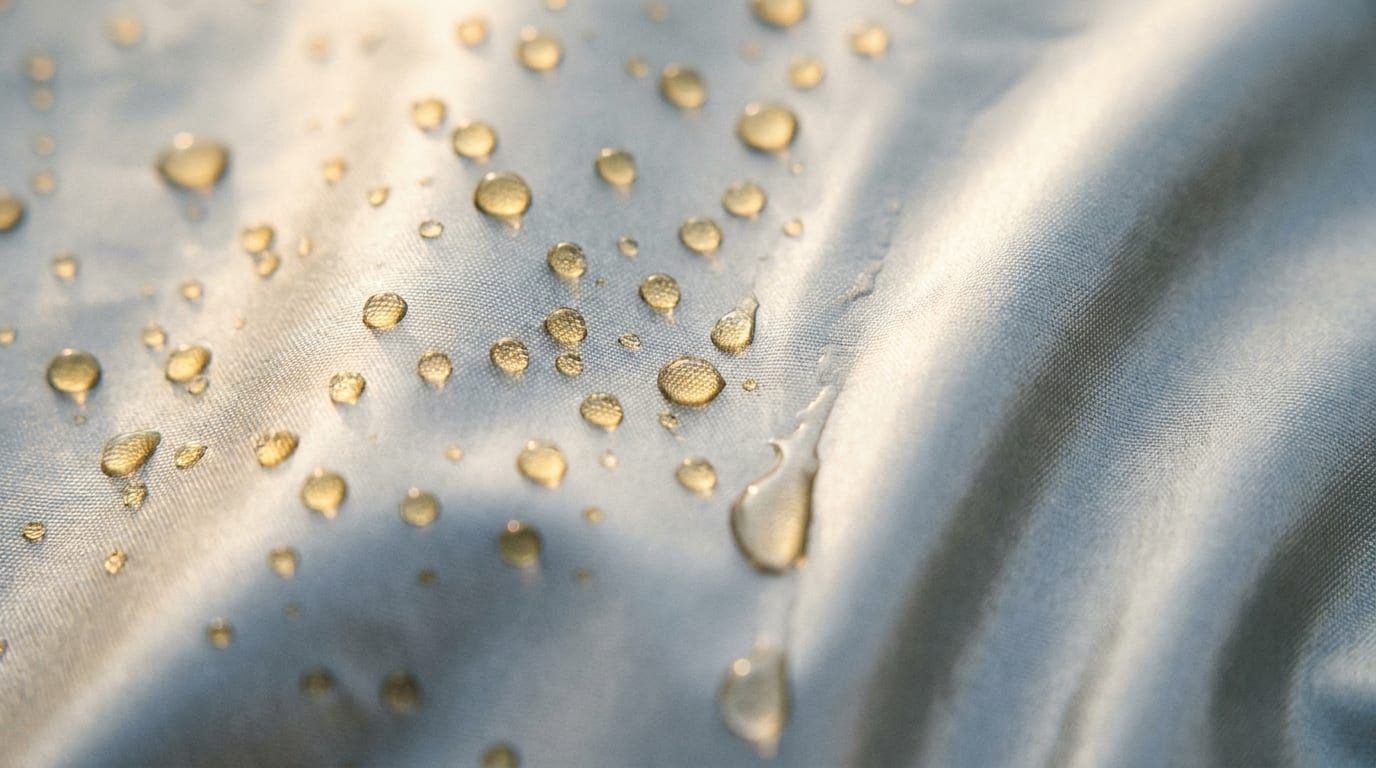
Here's where a lot of buyers get tripped up. "Water-resistant" and "waterproof" get used almost interchangeably in product listings, but they're not the same thing. Water-resistant fabric sheds a light drizzle fine, then wets out and starts soaking through once rain sticks around for an hour or two. True waterproof performance comes from coated or laminated multi-layer fabrics, not a single sheet of treated polyester.
There's a trade-off worth knowing about, too. A fully sealed shell with zero breathability will keep rain out, but it can also trap the moisture that naturally rises off a warm engine or damp pavement, and that condensation sits under the cover with nowhere to go. In humid climates, that's basically a recipe for mildew. So the fabric needs to block liquid water from outside while still letting vapor escape from inside. That balance is the whole game.
Then there are the details nobody thinks about until they fail: seam sealing, taped seams, reinforced stitching at the grommets. Water doesn't usually get through the middle of a panel. It gets in at the hems, the tie-down points, the stitched seams where two panels meet. A cover can advertise a waterproof fabric and still leak like a sieve if the seams weren't sealed properly. If you want the technical breakdown of how these fabrics are actually tested and rated, this guide to waterproof fabrics goes deeper into the construction side of things.
Matching the Cover to Your Climate
This is the part most buying guides skip, and it's the part that actually matters.
Rainy or coastal climates. You need a genuinely waterproof outer layer, not water-resistant, plus UV-resistant treatment. Salt air breaks down fabric coatings faster than plain rain does, and if you're getting near-daily precipitation, there's no room for a cover that only holds up in light showers.
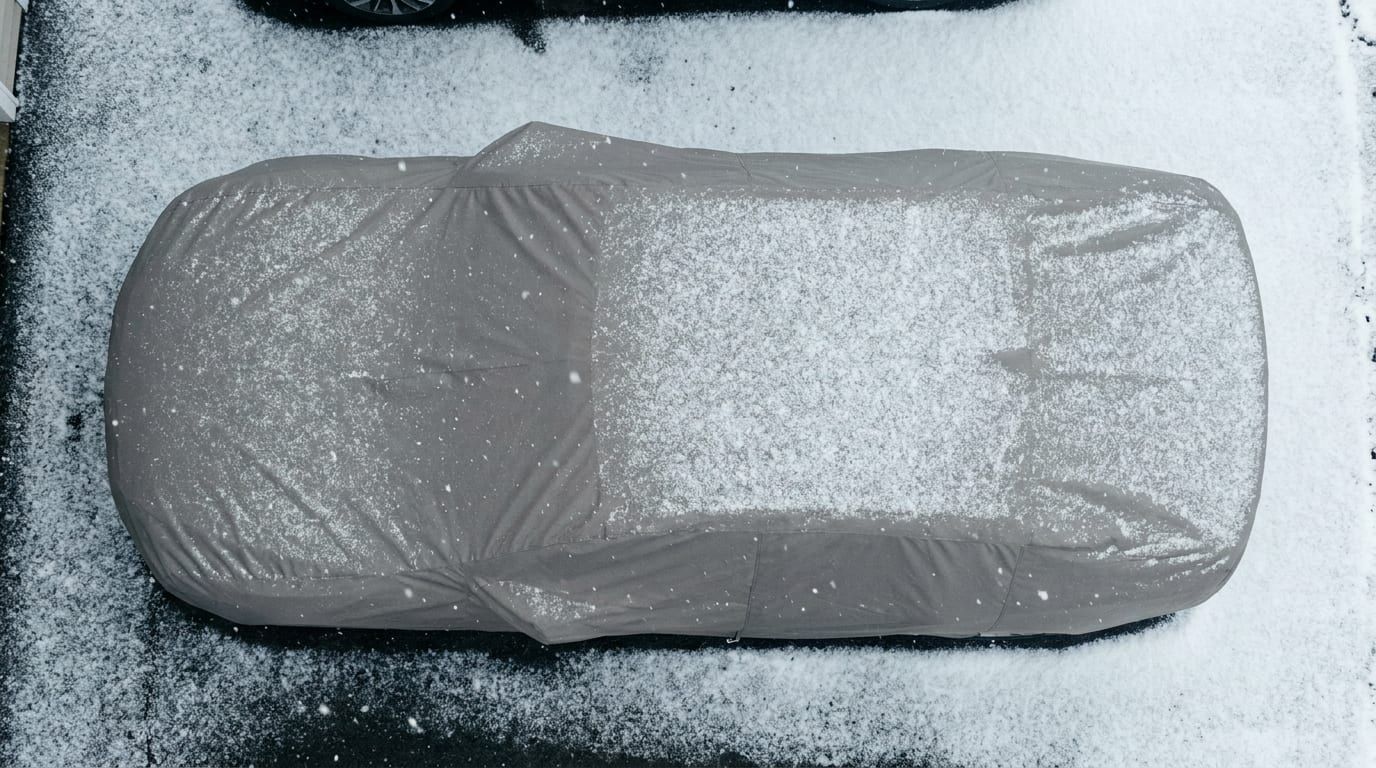
Snow and freeze regions. Look for a cover rated to handle snow load without stiffening or cracking in the cold. Cheap fabric gets brittle at freezing temperatures and can tear right where it flexes over the mirrors or roofline. Fit matters here too. A loose cover in a windy snowstorm flaps, and flapping fabric works ice into every seam it's got.
Hot, sunny, or desert climates. Rain might be rare, but UV exposure isn't optional. A long, flat roofline like the Odyssey's bakes in direct sun for hours, and that heat transfers straight into the cabin, fading dash plastic and cracking seats over time. Here you want UV-blocking layers paired with breathability, since a stuffy, poorly vented cover traps heat right against the paint.
Humid or mixed climates. This is where breathable waterproof fabric earns its keep. You still need it to shed rain, but if it can't vent moisture vapor, you'll open the cover one morning to a musty smell and spots of mildew starting on the fabric and the paint underneath.
The overlap across all four is worth noting: every single climate scenario benefits from a cover that's actually breathable, not just sealed. The difference is how much weight you put on UV protection versus cold-weather flexibility versus salt resistance. For a broader rundown on outdoor cover performance across seasons, this guide to using a car cover outdoors covers wind, UV, and rain in more detail.
Getting the Right Fit for an Odyssey's Body Style
Fit isn't a cosmetic detail on a minivan. It's part of the waterproofing.
A loose, universal-fit cover leaves gaps at the rocker panels and around the sliding door tracks, and wind-driven rain finds those gaps fast. Water doesn't need much of an opening to get under a cover during a sideways storm. A van-specific or semi-custom fit closes that gap because it's built around the Odyssey's actual dimensions instead of a rough approximation.
Honda has changed the Odyssey's body a few times across generations, small shifts in length, roof height, mirror placement. Those inches matter more than they sound like they should. Before buying, confirm the cover is sized for your exact model year rather than "Honda minivan" in general. This sizing guide walks through how to measure and cross-check against your specific year.
Once the shape is right, the hem system finishes the job. An elastic hem or a cable-and-lock system pulls the cover snug against the lower body panels, sealing that waterproof barrier at the point where water is most likely to sneak in. Instead of guessing with a one-size-fits-most cover, it's worth starting from Honda-specific van covers or browsing custom-fit car cover options built around exact body dimensions.
Features Worth Paying For
Not every feature on a spec sheet is worth the upcharge, but a few actually earn their keep.
Reinforced grommets and tie-down straps. These keep the cover anchored in wind. Without them, a cover flaps in gusts, and that constant motion works water into seams over months of use, even on a cover that started out fully sealed.
Elastic hem or cable-and-lock hem system. Already mentioned above, but worth repeating here because it's the single biggest factor in whether the waterproof fabric actually stays sealed against the body.
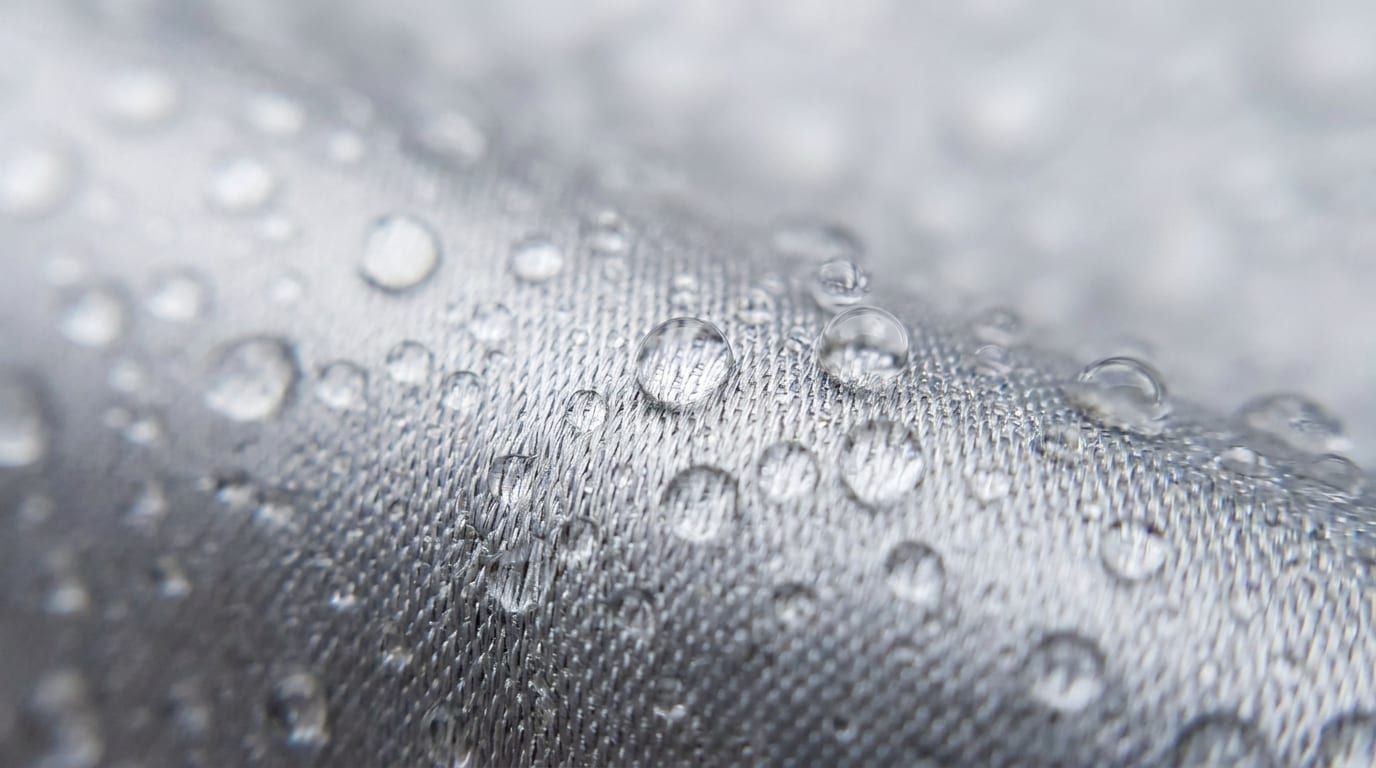
Multi-layer or laminated fabric. Cheaper single-ply covers look fine on day one, then wet out under sustained rain, meaning water starts soaking through instead of beading off. Multi-layer construction is what separates a cover that handles an afternoon shower from one that handles a three-day storm.
Included storage bag and care kit. This one's a small thing, but it tells you something about the product. A cover that ships with a bag and basic care instructions was built as a complete system, not thrown together as a bare-bones commodity item.
Installing and Maintaining a Waterproof Cover in Wet Conditions
Buying the right cover is half the job. Installing it correctly is the other half.
Start by securing every strap and grommet before a storm rolls in, not after. A cover that shifts mid-storm can expose the roof or windshield right when you need coverage most, which defeats the purpose of buying a waterproof cover for Honda Odyssey protection in the first place. In areas with frequent storms or steady coastal wind, gust straps add real wind resistance and keep the fabric from lifting at the edges.
Cleaning matters more than people expect. Harsh detergents and high heat can strip the waterproof coating right off the fabric, which quietly turns a waterproof cover into a water-resistant one over a season or two. This step-by-step cleaning guide covers what's actually safe to use.
And storage between uses isn't just tidiness. A cover that gets folded up damp, even briefly, can start growing mildew inside the folds before you ever use it again. Proper storage habits are worth a few extra minutes every time you take the cover off.
Cover vs. Other Storage Options
A quality cover isn't the only way to protect an Odyssey parked outside, so it's worth knowing where it fits against the alternatives.
Compared to a carport, a cover wins on mobility and cost. No permanent structure, no installation, and it travels with you on road trips. A carport wins when hail is a real concern in your area, since no cover, however well made, replaces a solid roof over the vehicle. If hail is a recurring issue where you live, it's worth reading what a carport actually protects against before deciding between the two.
One thing that isn't a real alternative: a cheap tarp. Tarps abrade paint in wind, trap moisture against the body with no breathability at all, and don't have a hem system to keep them sealed. A purpose-built cover and a hardware-store tarp aren't in the same category, even though they get compared constantly.
Choosing With Confidence: Next Steps
Boil it down and the decision framework is simple: climate first, fit second, features third. Figure out what your weather actually throws at the vehicle, get a cover sized for your exact Odyssey generation, then look at the extras like reinforced grommets and hem systems.
One more thing worth checking before you buy: warranty coverage. If a waterproof coating underperforms or wears out faster than it should, a solid warranty is what protects the purchase, not just the marketing copy on the box.
If you're ready to look at real options, start with van covers built for Honda models or browse waterproof car cover options to compare fabric types side by side. Take a few minutes to check your model year and climate against the cover's specs before you check out. It's a small step that saves a lot of frustration the first time it rains.
And if you're not ready to buy yet, stick around the blog. We cover this kind of climate-specific, fit-specific advice regularly, so subscribing or browsing a few more articles is a good next move while you weigh your options.
Updated