


Car Cover Size Chart for Toyota Camry: Find Your Exact Fit by Generation
The Right Size Class for a Toyota Camry
Short answer: a Toyota Camry falls into the mid-to-large sedan size class, running roughly 187 to 193 inches in overall length depending on the model year. That's the number to anchor on when you're scanning a car cover size chart for Toyota Camry fitment.
That length puts the Camry above compact sedans like the Corolla, but below full-size sedans and large luxury models. Grab a cover sized for a Corolla and it'll fight you at the seams. Grab a generic "universal sedan" cover and you'll likely get loose fabric pooling at the bumpers, flapping in wind, and generally not doing its job. Neither extreme is what you want.
Here's the wrinkle: exact size class shifts a bit by generation and trim. A Camry with a factory spoiler, a shark-fin roof antenna, or wider mirrors measures differently than a base trim from the same year. That's why we're breaking this down generation by generation instead of handing you one number and calling it done. If you want the full walkthrough on matching any vehicle to a cover, our size-finder guide covers the basics that apply beyond just the Camry too.
Toyota Camry Cover Size Chart by Generation
Below is a generation-by-generation breakdown. Treat these as approximate factory specs, measured without mirrors or add-on accessories, since options packages can nudge the numbers slightly in either direction.
| Generation (Model Years) | Length (approx.) | Width (approx.) | Height (approx.) | Recommended Size Class |
| XV10 (1992-1996) | 187 in | 70 in | 55 in | Mid-size sedan |
| XV20 (1997-2001) | 188 in | 70 in | 56 in | Mid-size sedan |
| XV30 (2002-2006) | 189 in | 71 in | 57 in | Mid-size sedan |
| XV40 (2007-2011) | 189 in | 71 in | 58 in | Mid-size sedan |
| XV50 (2012-2017) | 190 in | 72 in | 58 in | Mid-to-large sedan |
| XV70 (2018-2024) | 192 in | 72 in | 57 in | Mid-to-large sedan |
Notice the trend: newer generations creep toward the upper edge of the sedan size range. If you're shopping for an XV50 or XV70, length is the measurement to double-check most carefully. A cover that's an inch short on either end will leave your bumper or trunk lip exposed to weather, and that's exactly where owners tend to notice a bad fit first.
For anyone cross-shopping other Toyota models alongside a Camry, the Toyota brand page has covers organized by vehicle, which is a faster way to compare than working purely off dimensions.
How to Measure Your Camry Before You Buy
Charts get you close. Your specific car gets you exact. Three measurements matter here:
- Overall length, bumper to bumper, with the car parked on flat ground.
- Width, mirror to mirror, since folded mirrors will undersize your reading.
- Height, from the ground straight up to the roofline at its tallest point.
Trim differences are where people get tripped up. A TRD-trim Camry with a rear spoiler adds length that a base-model factory spec won't reflect. A roof-mounted antenna, even a small shark-fin style, can add enough height to matter if you're right on a size boundary. None of that shows up in a manufacturer's brochure spec sheet, but it shows up the moment you try to stretch a cover over it.
If your measurement lands right between two size classes, round up. A cover that's slightly generous stretches to fit and installs the same way every time. A cover that's slightly too snug turns into a wrestling match every single time you put it on or take it off, and that gets old fast. Once you've got your numbers, CarCovers' cover finder will match them to in-stock options without you guessing.
Custom-Fit vs. Semi-Custom vs. Universal Covers
These three terms get thrown around loosely, so here's what they actually mean. Universal covers use a broad length range, something like "fits sedans 187 to 200 inches", with no attention to body contour. Semi-custom covers are cut to a general sedan silhouette, closer than universal but still not shaped to your specific car. Custom-fit covers are pattern-cut to the exact year, generation, and sometimes trim, following the Camry's actual body lines.
The tradeoff is straightforward. Universal costs less upfront, but loose fabric flaps in wind, and slack sections let water pool instead of running off. Custom-fit costs more, but it hugs the Camry's actual contours, which means less movement and less of the fabric-on-paint rubbing that causes fine scratches over time.
If you park outside regularly, spring for semi-custom or custom-fit. A cover that's actually sized to your car reduces wind lift and keeps fabric from grinding against clear coat during storms. It's the difference between a cover that protects your paint and one that quietly damages it.
Indoor vs. Outdoor Storage: Does It Change the Size You Need?
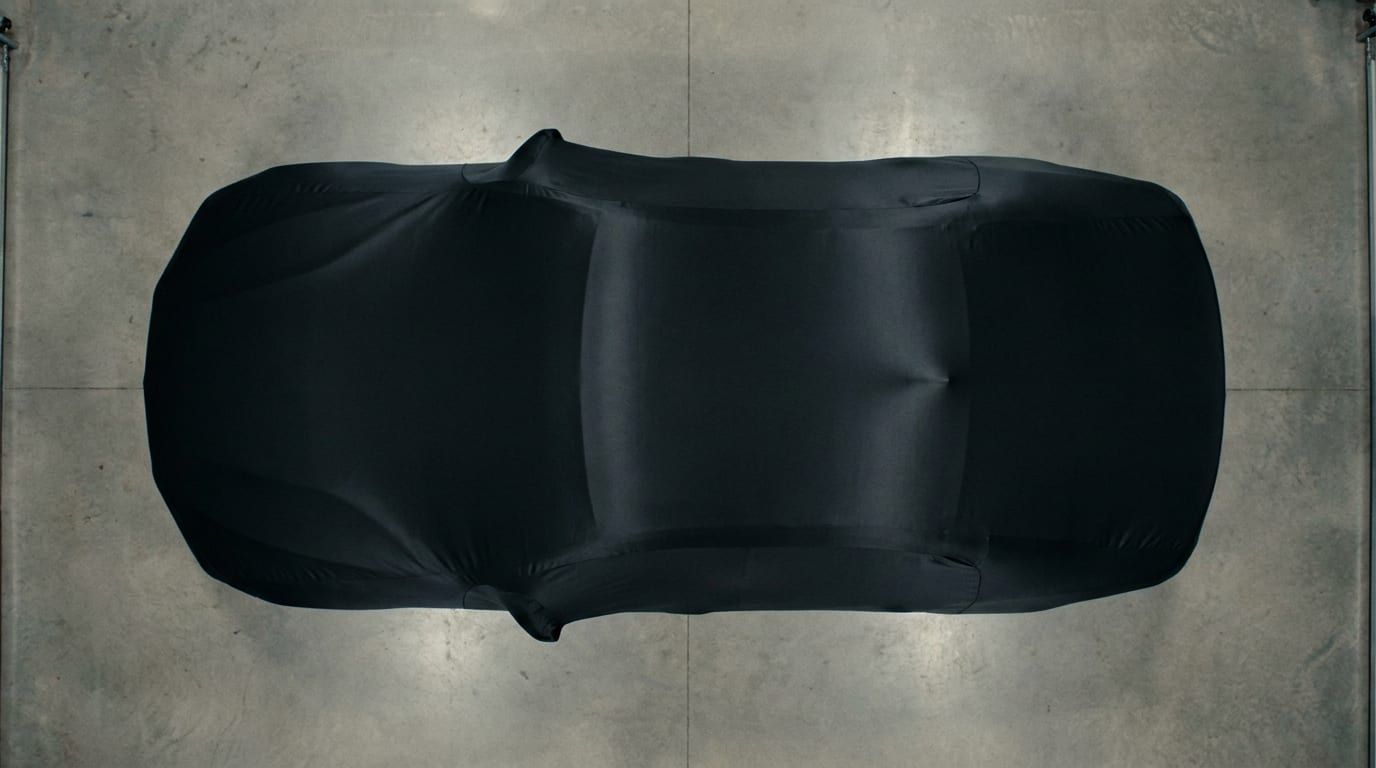
Yes, and not just in the way you'd expect. It's not only about size, it's about what the size is optimized for.
Indoor covers aren't fighting wind, rain, or UV, so they prioritize soft, breathable fabric that won't scuff paint over an ultra-tight fit. A little slack indoors isn't a real problem. Outdoor covers face different physics entirely: they need a snug match to your Camry's size chart numbers, plus features like elastic hems, gust straps, or cinch cords to keep the whole thing anchored when wind picks up.
Get this backwards and you'll feel it. A too-loose outdoor cover flaps against your hood and roof, and that flapping is what causes micro-scratches over months of use. An overly tight indoor cover, meanwhile, becomes a daily hassle to wrestle on and off your garage-kept car. Match the cover type to where the car actually lives. Our guides on outdoor car covers and indoor car covers go deeper on what each environment actually demands from the fabric and the fit.
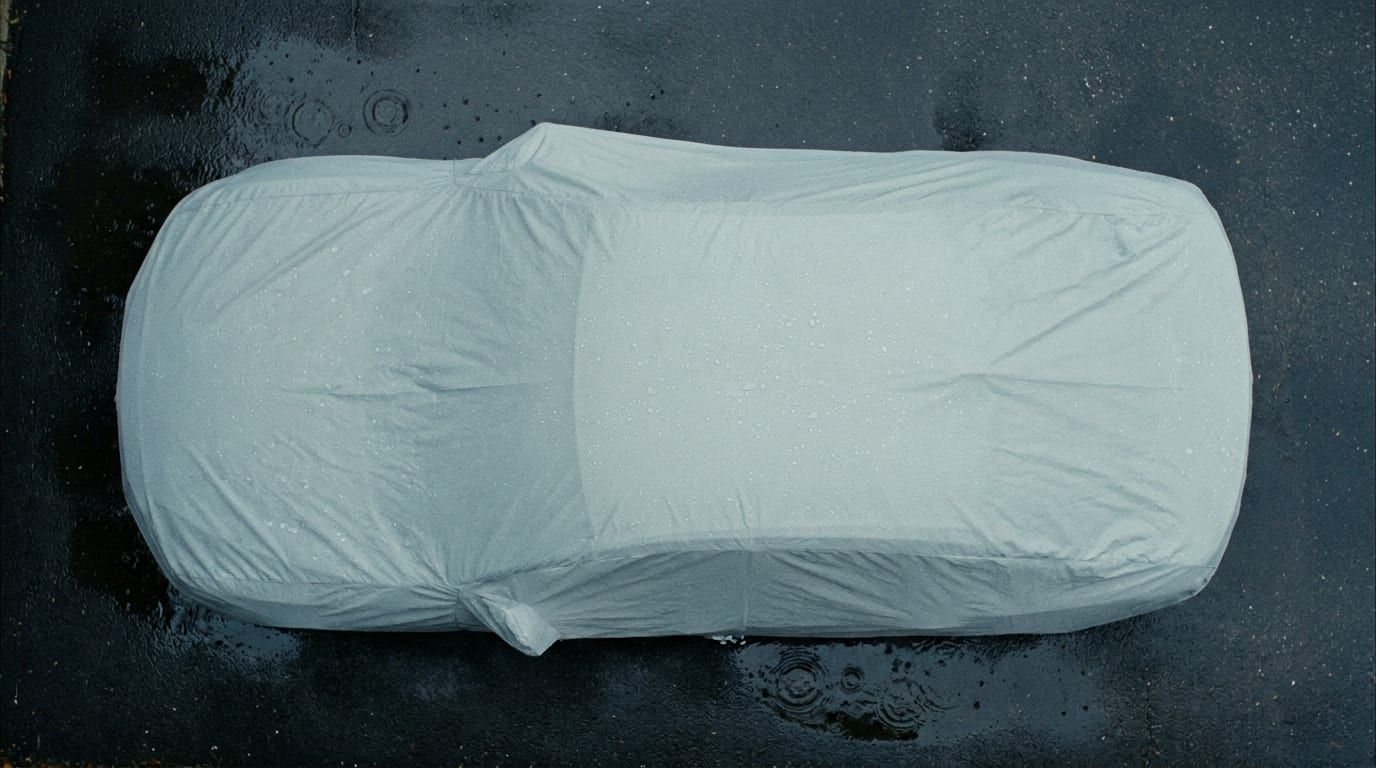
Weather resistance matters here too. If your Camry sees rain or snow outside, pair the right size with a genuinely waterproof car cover rather than assuming any snug-fitting cover will keep moisture out.
Common Sizing Mistakes to Avoid
A few patterns show up again and again when Camry owners get a cover that doesn't fit right:
- Trusting a generic "sedan" universal size without checking where the Camry's specific model year actually falls on the size chart. "Fits most sedans" is doing a lot of work in that sentence.
- Ignoring aftermarket additions. A spoiler, roof rack, or aftermarket antenna changes the effective length or height your cover needs to clear, even if the base trim spec says otherwise.
- Assuming continuity across generations. Toyota redesigned the Camry multiple times, and body dimensions shifted by an inch or more with each full redesign. A cover that fit your old XV40 won't necessarily fit an XV70 you just bought, even though both are "a Camry."
Any one of these mistakes turns a good cover into a bad fit. Combined, they're the main reason people end up returning covers or living with ones that never quite sit right.
Get the Right Cover for Your Camry
Here's the process, start to finish: figure out which generation you have, cross-check it against the size chart above, measure your actual car if it's got a spoiler or roof accessory, and then pick a fit type (universal, semi-custom, or custom-fit) based on where you park. That order matters. Skip a step and you'll end up back here trying to figure out why the cover you bought doesn't sit right.
Once you've got the fit worked out, installation is the last piece. A cover that fits well should go on in a couple of minutes without you needing to yank or stretch anything into place, and our installation guide walks through the process so you're not fighting it the first time out.
If you're ready to browse, take your generation and measurements over to CarCovers' Toyota vehicle page or run them through the cover finder to match your exact Camry to something that's actually in stock. No pressure either way, just a faster way to shop once you know your numbers.
Updated