


Car Cover Size Chart for Toyota Prius: Find Your Exact Fit
The Short Answer: What Size Cover Fits a Toyota Prius
If you just want the number: most Toyota Prius generations fall into the Compact/Midsize Sedan class, commonly labeled Size C on universal charts, covering roughly 175 to 190 inches in overall length. That's the starting point for any car cover size chart for Toyota Prius you'll come across, whether you're shopping generic retail covers or something more tailored.
This holds true across the 2004-2009, 2010-2015, 2016-2022, and 2023+ generations, with only a few inches of length separating them. Not a huge spread. But here's the catch that trips people up: the Prius is a hatchback with a sloped rear liftgate, not a trunk-and-trunk-lid sedan. A universal cover sized for "Size C sedans" is patterned with a sedan's rear end in mind, so it can bunch up or leave slack around that sloped glass and hatch. That gap is exactly why a lot of Prius owners end up frustrated with a cover that fits fine everywhere except the back third of the car.
So the size class gets you close. It doesn't get you exact. Model year, trim, and anything bolted on afterward, like a roof rack or a rear spoiler, all shift the actual dimensions you're working with. Treat "Size C" as a shortlist filter, not a final answer.
Toyota Prius Size Chart by Generation
Here's how the generations stack up, dimension by dimension:
| Generation/Years | Body Style | Length (in) | Width (in) | Height (in) | Universal Size Class | Notes |
| 1st Gen (2000-2003) | Sedan | ~169.6 | 66.7 | 59.1 | B/C | Smaller footprint than later gens |
| 2nd Gen (2004-2009) | Hatchback | ~175.0 | 67.9 | 58.7 | C | First liftback-style Prius |
| 3rd Gen (2010-2015) | Hatchback | ~176.4 | 68.7 | 58.7 | C | Added Prius v and Prius c variants, both smaller |
| 4th Gen (2016-2022) | Hatchback | ~178.7 | 69.3 | 57.9 | C | Wider stance than prior gens |
| 5th Gen (2023-present) | Hatchback | ~181.1 | 70.6 | 55.9 | C/D | Longer, lower profile, check length carefully |
A few things worth flagging. The first-generation Prius was still a conventional sedan shape, so it sits a size class lower than everything that came after. Once Toyota switched to the liftback body in 2004, length crept up gradually with each redesign, and the fifth generation is the biggest jump yet, both longer and noticeably lower. That drop in height matters too. A cover cut generously for a taller Size C sedan can sit loose across the roofline of a 2023+ Prius.
One more note: the Prius c and Prius v are their own animals. They share the Prius name but not the dimensions, the c runs smaller as a subcompact and the v is a wagon-style variant that's larger. Don't size either one off the standard Prius chart above, look up their own specs instead.
If you want to skip the manual math entirely, CarCovers' vehicle-specific finder tool will match year and trim automatically. Faster than cross-referencing a size chart, and it accounts for body style differences the letter-based classes don't.
Universal vs. Custom-Fit: Which Sizing Approach Actually Works Better
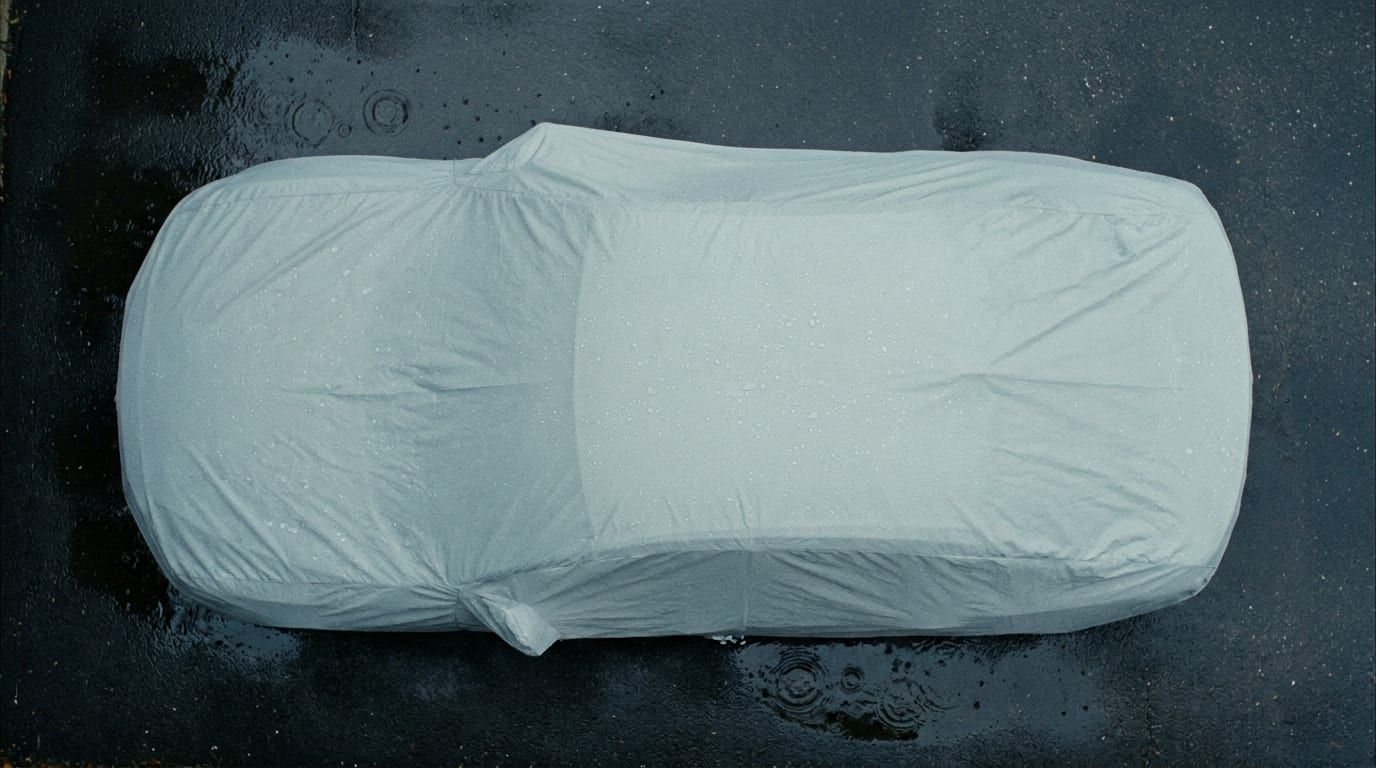
Universal covers work off a length range and a size letter. They rely on elastic hems at the front and back to cinch down and take up whatever slack is left. That works reasonably well on a boxy sedan trunk. It works less well on a Prius, where the rear glass slopes down at an angle and the mirrors stick out at odd points. Elastic can only pull in so much fabric before you get sagging pockets of loose material right where wind wants to get underneath.
Custom-fit covers are patterned around the Prius's actual body lines, mirror pockets, antenna cutout, and roofline included. That tighter fit is what actually resists wind lift over time, rather than just draping over the car and hoping gravity does the work.
The decision rule here is pretty simple. If you're covering the car for an overnight rainstorm or a weekend at the airport, a universal Size C cover will do the job. If this cover is going to live on your Prius for months at a time in a driveway or open lot, custom-fit is worth the extra money. Loose fabric flapping in the wind for one afternoon is a non-issue. Loose fabric flapping in the wind for six months will wear through at the stress points.
For Prius owners planning on long-term outdoor coverage, it's worth browsing CarCovers' custom-fit car covers built specifically around the liftback shape instead of a generic sedan pattern.
How to Double-Check Your Prius's Measurements Before You Buy
Don't just trust the size chart blind. Four steps, five minutes, and you'll know for sure:
Step 1: Measure bumper-to-bumper length with the car parked on level ground. Not on a slope, not with the wheels turned.
Step 2: Measure the widest point of the car. Usually that's mirror-to-mirror, though on some trims the fenders are the widest part instead.
Step 3: Measure height at the tallest point. If you've got a roof rack installed, measure to the top of the rack, not the roof panel underneath it.
Step 4: Compare all three numbers against the generation chart above, then compare them again against the specific cover's actual listed dimensions, not just the size letter printed on the package. Two covers can both say "Size C" and still differ by several inches in real cut.
That last step matters more than people think. A roof rack, a rear spoiler, or even an add-on wing can push a Prius's real-world footprint into the next size class up, even though the base vehicle specs say otherwise. If you've modified your Prius at all, measure with the modification in place, not the factory number from a spec sheet. For a broader rundown on sizing logic across vehicle types, see what size car cover fits your vehicle.
What Happens If You Pick the Wrong Size
Too small, and the cover strains at every seam. It won't cinch properly over the bumpers, and the fabric that does stretch tight ends up tearing at the stress points within a handful of uses. That's not a slow failure, either. Once a seam starts to go, it usually goes fast.
Too large is its own kind of bad. Excess fabric flaps around in wind, which is annoying, but it also collects water in the low, sagging spots instead of shedding it. Standing water sitting against paint for hours does nothing good for the clear coat. And a cover that's constantly shifting around in the wind rubs against the same spots over and over, which speeds up fading and scuffing exactly where you're trying to protect the finish.
Either mistake defeats the purpose. A cover exists to block sun, rain, and debris, and a badly sized one does a worse job of all three than no cover at all in some cases, because now you've also got trapped moisture or friction working against the paint. Getting the size class right on the first purchase saves you the return-and-reorder cycle, and saves your paint from a few weeks of bad fit in the meantime.
Next Steps: Confirm Your Fit and Protect Your Prius
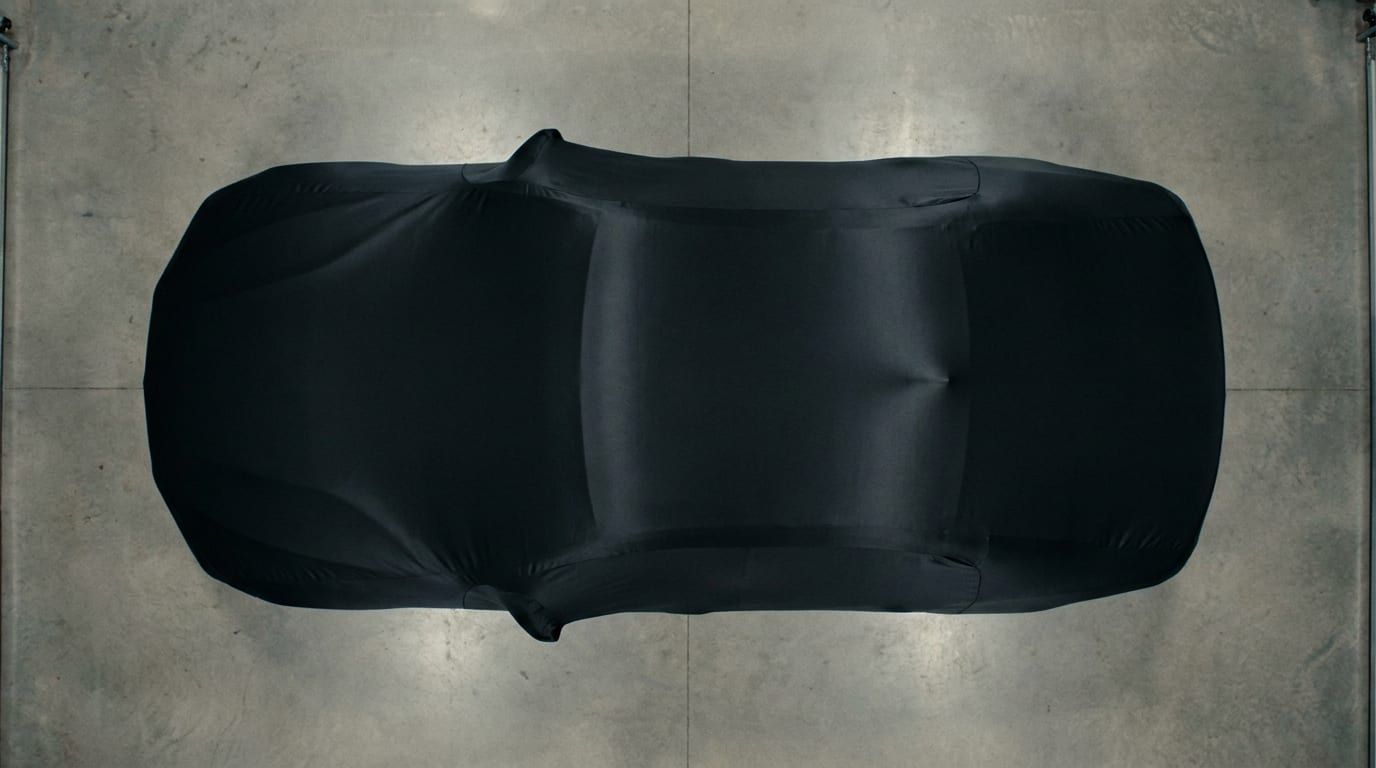
Most Prius owners land squarely in the Size C universal class, but which generation you have, and whether you've added a roof rack or spoiler, still changes the exact numbers. That's the whole point of checking a car cover size chart for Toyota Prius before you buy instead of guessing off the size letter alone.
Rather than eyeballing it, run your year and trim through a vehicle-specific cover finder that matches your exact fit instead of relying on a general size range. It takes the guesswork out entirely.
If you're ready to look at options, Toyota-specific cover choices are worth a browse, along with a quick read through how to install a car cover correctly so the fit you paid for actually holds up outdoors. And if you just want to keep learning before you commit to anything, stick around the blog. That's what it's here for.
A properly sized cover, installed the right way, is what actually delivers on the weatherproofing promise. Skip either half of that equation and you're just paying for a very expensive dust sheet.
Updated