


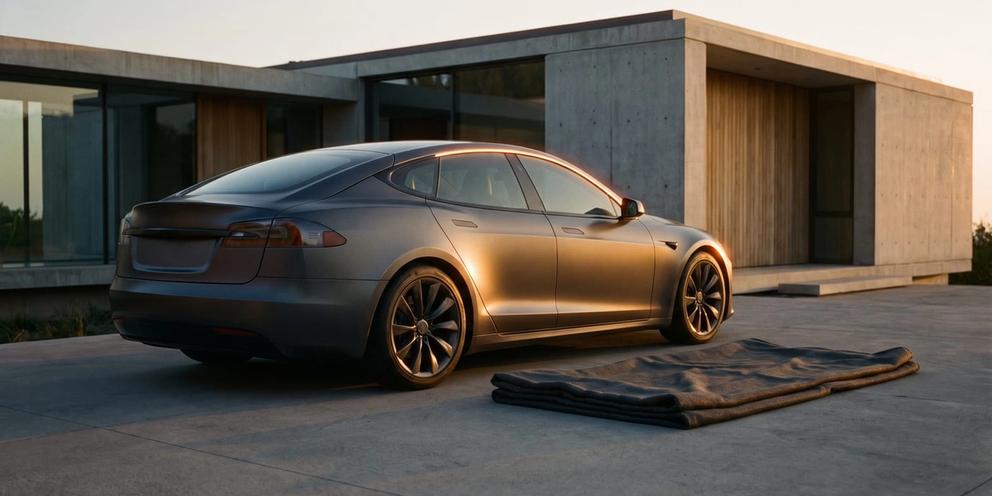
Custom Fit vs. Universal Car Cover for Tesla Model S: Which One Actually Protects Your EV?
Why the Cover You Pick Matters More on a Model S
Most sedans can survive a mediocre car cover. The Model S can't, not without consequences. That low front air dam sits close to the ground and catches wind first. The door handles sit flush with the body until you touch them. There are no window frames to grip a cover's edge, and the panoramic glass roof runs nearly the full length of the car. Every one of those design choices is a place where a bad cover fit turns into a chafed panel, a pool of standing water, or a scratch you didn't see coming.
This is why the custom fit car cover for Tesla Model S question isn't just a shopping preference. Repainting a bumper or replacing a windshield on this car isn't cheap, and a cover that doesn't match the body means you're gambling with that cost every time it rains or the wind picks up. Model S owners also tend to hold onto these cars. High resale value, long mileage life, and a buyer pool that notices paint condition all mean the stakes on exterior protection stretch out over years, not months.
So let's put the two options side by side, custom-fit and universal, and figure out which one actually earns its keep on this car.
Custom-Fit vs. Universal Car Cover for Tesla Model S: Side-by-Side
Fit precision
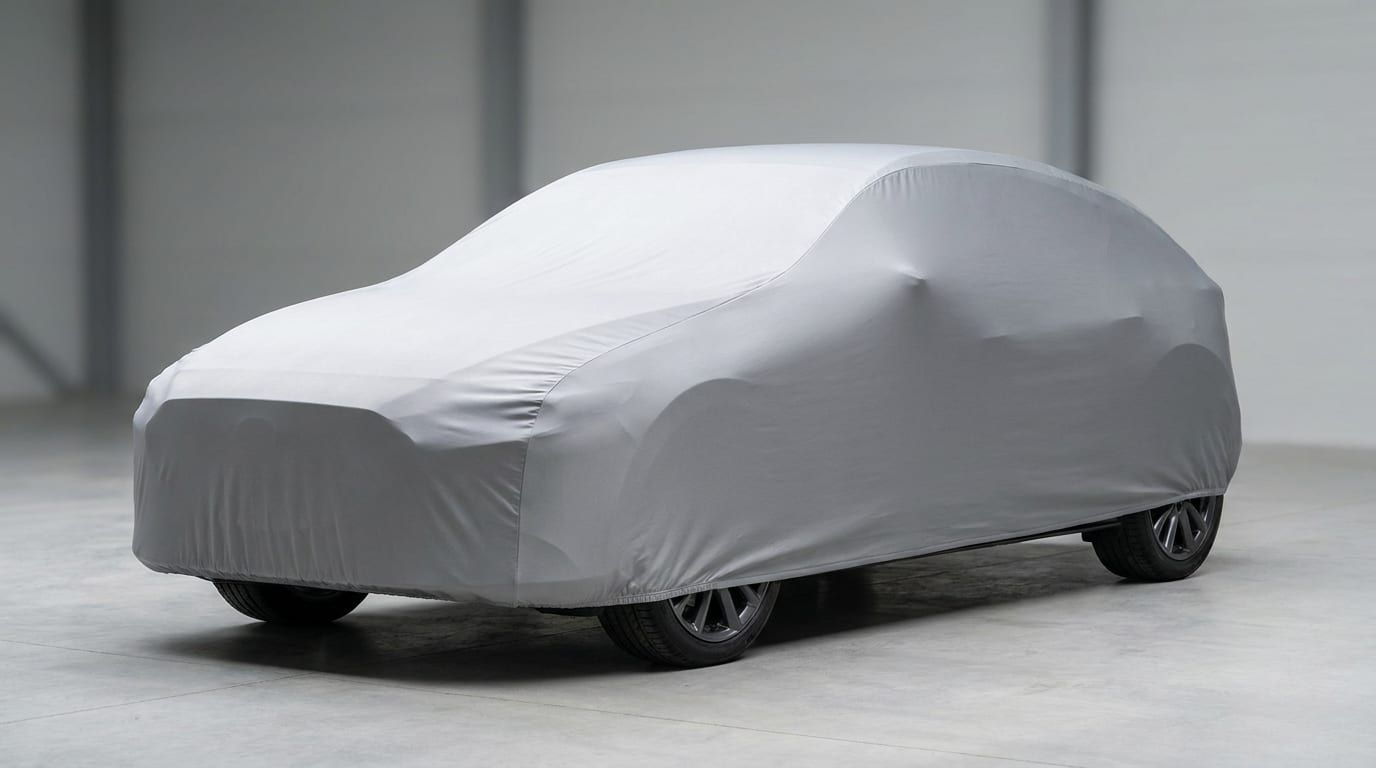
- Custom-fit: Pattern-cut to the Model S body lines, following the low nose, the sloped roofline, and the rear hatch shape
- Universal: Built off a generic sedan silhouette, which usually leaves loose fabric bunched at the front fascia and trunk
Wind performance
- Custom-fit: Tailored hem hugs the body, so there's less material to catch wind and flap against paint
- Universal: Looser fit means more flutter in gusts, and repeated flapping is exactly what causes fine scuffing over time
Mirror and feature cutouts
- Custom-fit: Built-in mirror pockets and antenna accommodations sized for this car
- Universal: No dedicated cutouts, so you're draping extra material around mirrors and hoping it stays put
Water and debris entry points
- Custom-fit: Fitted hem sits close to the rocker panels, closing off the gap
- Universal: Looser hem leaves room for rain, dust, and pollen to work their way underneath
Aesthetic
- Custom-fit: Hugs the body for something close to an OEM look
- Universal: Tends to look baggy and obviously off-the-shelf
Price
- Custom-fit: Higher upfront cost
- Universal: Lower entry price
Install speed
- Custom-fit: Goes on quickly since the shape does the work for you, minimal repositioning
- Universal: Also fast to throw on, but you'll spend extra time adjusting and re-draping excess fabric to get it roughly right
If you're weighing custom-fit car covers against a generic option, the Model S is exactly the kind of car where the difference actually shows up in daily use, not just on paper.
Where Universal Covers Fall Short on This Specific Car
The front fascia is where universal covers embarrass themselves most on a Model S. Because the nose sits so low and the sedan template these covers are built around assumes a more conventional front end, you end up with either an under-covered bumper or a bunched-up mess of extra fabric right where bird droppings and UV exposure do the most damage. That's the single most common damage point on this car, and it's the first thing a generic cut gets wrong.
The frameless windows and glass roof panel are the second problem. A cover that doesn't track the roofline precisely can shift, sag, or pool water right along that glass, and shifting fabric on a moving cover is how you get the fine micro-scratches that show up as swirl marks later. Flush door handles add a third failure point. Loose universal fabric can catch on them in wind gusts, tugging and rubbing in a spot that's already prone to scuffing.
Universal covers do win on sticker price, no argument there. But the flapping that causes wear at the mirror cutouts and hem edges also means they wear out sooner. So the cheaper cover you buy today often gets replaced sooner than you planned, which eats into whatever you saved. If you're not sure what size or shape you actually need, running your specs through a cover finder tool or checking sizing guidance before buying either type will save you a return.
Cost-Per-Year: Running the Numbers on Custom-Fit vs Universal
Sticker price tells you almost nothing about what a cover actually costs you over time. A custom-fit cover costs more on day one. But it's built to survive years of outdoor use because the fit itself reduces the wear that kills cheaper covers early, mainly flapping-induced fraying at the hem and around mirror cutouts.
A universal cover, flapping constantly against the same stress points, tends to wear out faster under identical conditions. Replace it once or twice over the life of a custom-fit cover's warranty period, and the "savings" from the lower price tag are gone.
Then there's the bigger number sitting behind all of this: a single prevented paint scratch or a cracked glass roof panel costs more to fix than either cover, full stop. One avoided repair pays for the price gap between custom-fit and universal many times over. That math is easy to ignore until you're the one calling a body shop.
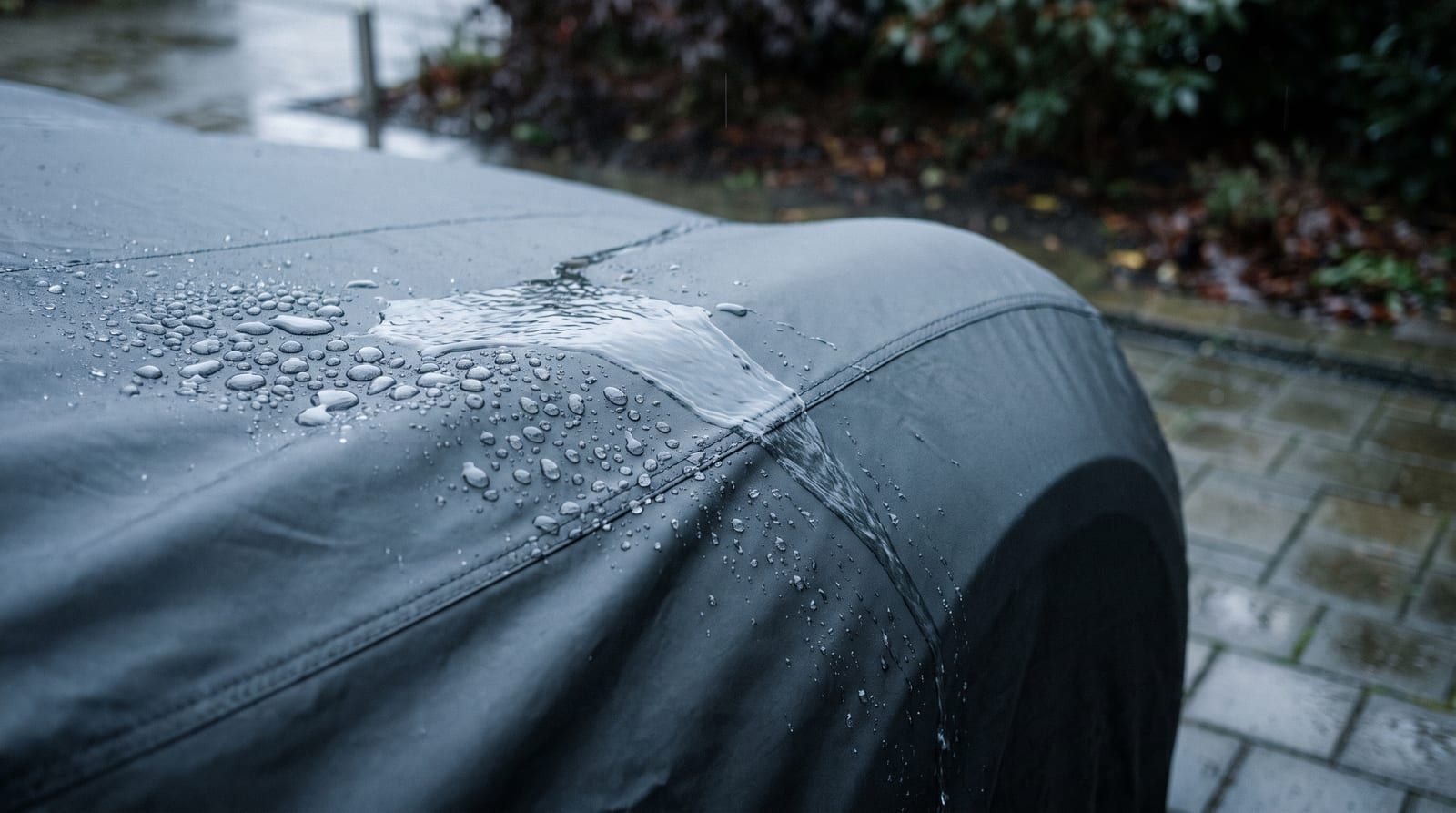
One more thing worth getting right before you buy: don't just buy the most heavy-duty option out of habit. If the Model S lives in a garage, you don't need full outdoor car covers protection, a lighter indoor car cover will do the job without trapping moisture. If it's parked outside through rain and snow, a proper waterproof car cover earns its keep. Matching the tier to how the car is actually stored matters as much as the fit itself.
Which Owners Should Choose Which Option
Daily outdoor street parking or driveway storage: custom-fit is the stronger call here. Wind and rain exposure are constant, and this is where fit precision actually earns its price.
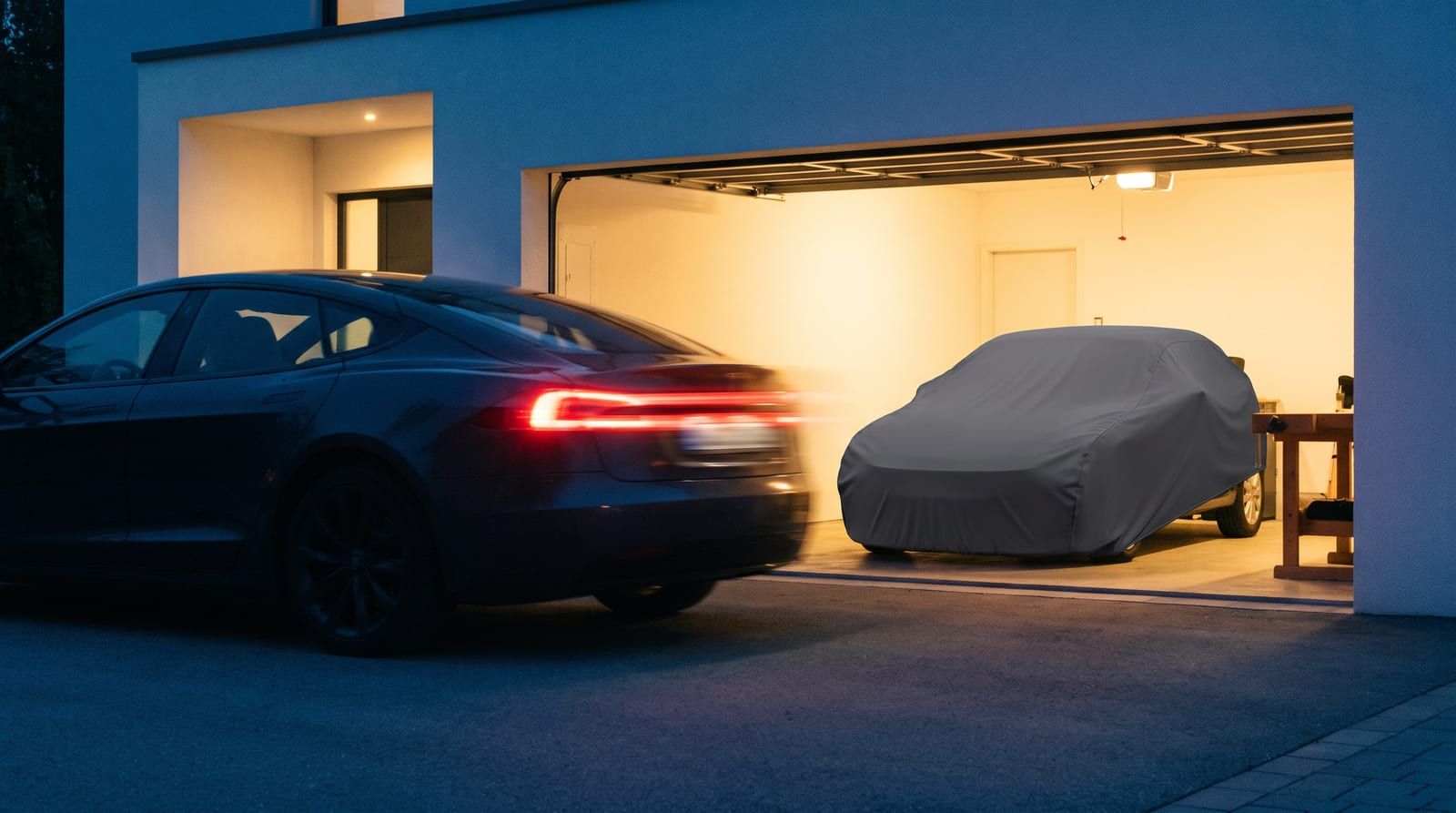
Garage or carport storage: a universal cover can work as a lower-cost stopgap since the car's shielded from most weather. The nose and mirror fit issues don't disappear, though, they're just less consequential indoors.
Long-term storage, weeks or months at a stretch: custom-fit's tighter seal keeps dust, pollen, and pests out far better than a universal cover, which tends to shift and loosen over an extended stretch with nobody adjusting it.
Daily drivers who cover and uncover often: custom-fit's shaped design lines up fast, every time, since the shape only fits one way. A universal cover means re-figuring the drape each time you throw it back on, which gets old fast if you're doing it daily.
What to Look for in a Custom-Fit Model S Cover
Not every cover labeled "Tesla" or "full-size sedan" is actually built to Model S dimensions. Confirm the cover is cut to this car specifically, so the mirror pockets, antenna cutout, and hem length all land where they should. A cover that's "close enough" defeats the purpose of going custom in the first place.
Match the fabric to your climate. Outdoor, waterproof-rated material for rain and snow exposure. Breathable indoor fabric for garage-kept cars, so you're not trapping moisture against the paint. Getting this backwards causes its own problems, sometimes worse than skipping a cover altogether.
Check that the cover comes with tie-downs or is compatible with gust straps and cable locks. A snug hem helps, but it's not a substitute for actually securing the cover in high wind. And look for a real warranty on the stitching and material. A custom-fit cover is a bigger investment than a generic one, it should come backed by something more than a hopeful return policy, which is where a real lifetime warranty is worth checking for before you buy.
Final Take: Get the Right Fit for Your Tesla Model S
For most Model S owners, custom-fit wins. Better protection, a cleaner look, and lower cost over the life of the car once you factor in wear and avoided repairs. Universal only makes sense as a short-term or strictly budget-driven choice, and even then, the nose and mirror fit issues don't go away.
If you're shopping, size and buy a Tesla-specific custom-fit cover rather than guessing with a generic one. It's worth browsing our other car care guides if you want to get the install and accessories dialed in before your first storm rolls through.
Updated