


How Much Is a Car Cover for a Chevrolet Bolt? Price Guide
A Chevrolet Bolt car cover typically costs between $60 and $350, and where you land in that range depends almost entirely on fit type and material. Universal and semi-custom covers sit at the low end, usually $60 to $120, while custom-fit, multi-layer outdoor covers climb to $200-$350. So if you're asking how much is a car cover for a Chevrolet Bolt, the honest answer is: it depends on how precisely it needs to fit and what weather it needs to survive.
The Bolt, whether you've got the EV hatchback or the slightly longer EUV, is a compact car. That body style keeps base pricing lower than what you'd pay for an SUV or truck cover, since less material is needed and the shape is simpler to pattern. An indoor-only cover for dust and light scratches will almost always cost less than an all-weather outdoor cover rated for rain, snow, and sun. Keep that distinction in mind before you start comparing prices, because comparing an indoor cover's price to an outdoor one isn't really comparing apples to apples.
What Actually Changes the Price
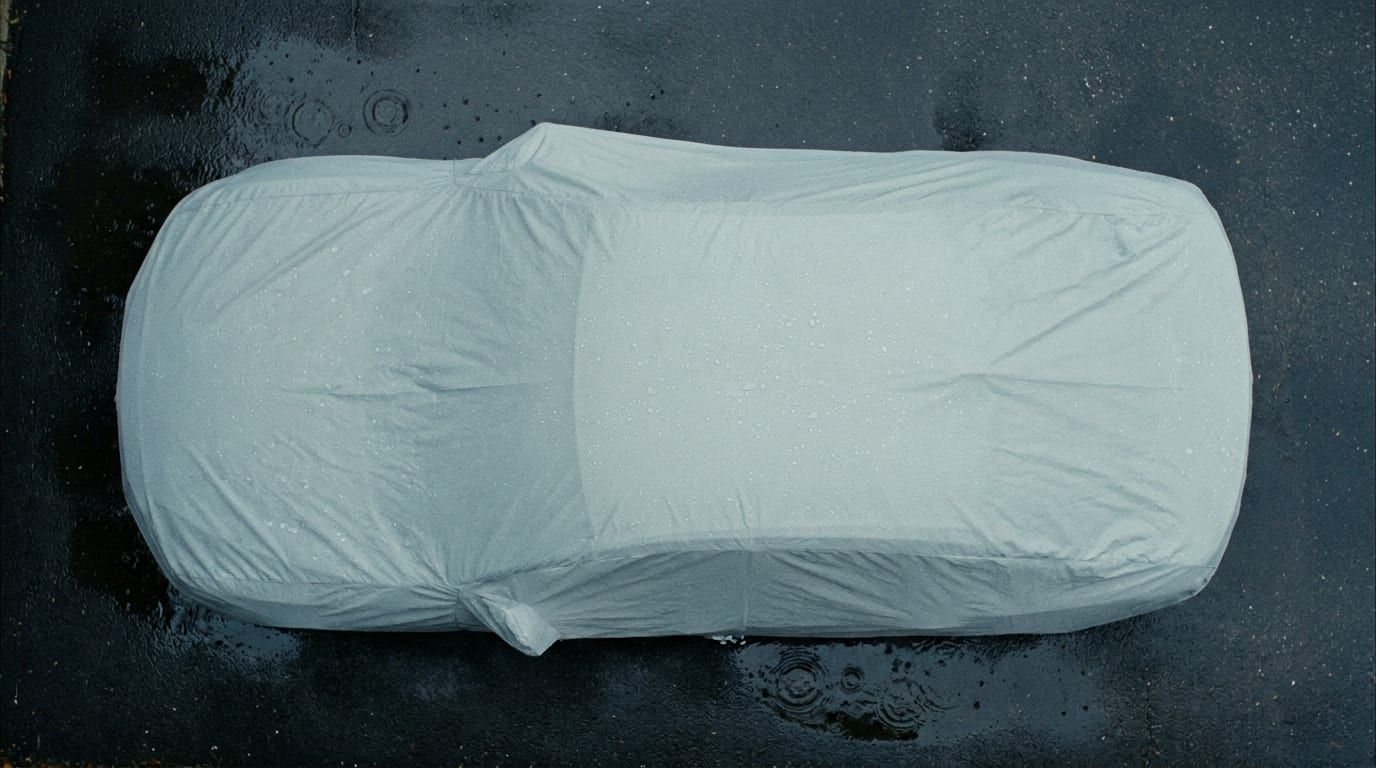
Fit type is the biggest swing factor. A universal cover is cut to a generic size range and just drapes over the car, which is why it's the cheapest option. Semi-custom covers narrow that down by body style. Custom-fit covers are built to the Bolt's exact dimensions, panel curves and all, and that precision is why they sit at the top of the price range. If you want to see how big that fit difference really is in practice, the custom-fit car covers guide breaks down what you're actually paying for.
Material does the rest of the work. A single-layer indoor fabric is light and cheap to produce. A multi-layer woven fabric with UV inhibitors and a waterproof coating costs more to manufacture, and that cost shows up on the price tag. Intended use matters too: a cover meant to sit in a garage doesn't need the same armor as one that's going to take rain, snow, and daily UV exposure outside.
Then there are the add-ons. Built-in cable and lock systems, antenna patches, mirror pockets, and grommets for wind straps all nudge the price up. None of these are gimmicks, exactly, but they're also not things every Bolt owner needs. Someone parking in a locked garage doesn't need a cable lock system; someone parking on a city street probably does.
Warranty length and brand reputation round out the picture. A cover backed by a longer warranty usually costs more upfront, but it can save you money over the life of the cover if it means you're not replacing it every year or two.
Price by Cover Tier for a Chevrolet Bolt

Breaking it down by tier makes the range easier to use when you're actually shopping.
- Basic/entry tier (~$60-$100): Lightweight protection against light rain and dust. Fine for a garage or a mild climate where the car isn't getting hammered by weather.
- Deluxe/mid tier (~$120-$200): Better water resistance and UV protection. This is the realistic choice if the Bolt is parked outside most days but isn't exposed to severe weather.
- Premium/Platinum tier (~$220-$350): Full all-weather protection, including snow and hail-resistant padding, with heavy-duty straps to keep it anchored in wind.
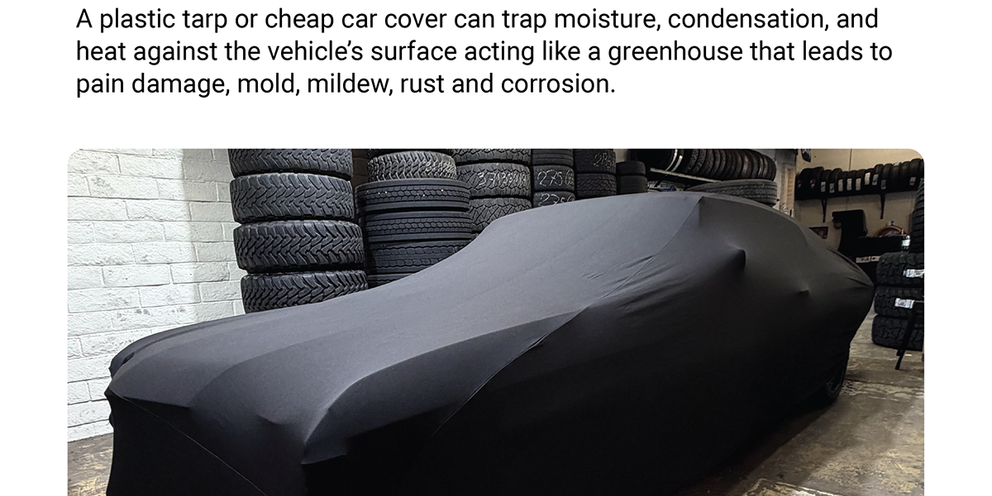
- Satin indoor tier (~$80-$150): Soft, scratch-free fabric built purely for garage storage. Not weatherproof, and not meant to be.
My honest take: most Bolt owners overspend here by default, assuming the priciest option is automatically the "safest" buy. It isn't. A Bolt parked in a garage every night doesn't need hail-resistant padding, and buying that tier anyway just means paying for protection you'll never use. Match the tier to where the car actually lives, not to the worst-case scenario you're imagining.
Does the Chevrolet Bolt Need Anything Special in a Cover?
Not really, but there are a couple of details worth knowing. The Bolt's charging port sits on the driver-side front fender, so if you're charging at home with the cover on (or taking it on and off daily), a cover with some give or an accessible panel near that area just makes life easier. It's not a dealbreaker if a cover doesn't have one, but it's a nice-to-have if you charge overnight regularly.
Dimensions matter more than people expect. The Bolt EV and Bolt EUV aren't the same length, and even within a model, year-to-year changes happen. A cover sized for the wrong generation will either flap around at highway speeds or strain at the seams. Check your exact model year before buying rather than assuming "Bolt" is a single size. The cover finder tool is the fastest way to confirm you're looking at the right fit, and the sizing guide is worth a look if you want to understand how sizing brackets work in general.
One more thing: the Bolt's compact hatchback shape means it fits standard compact-car cover sizing. You don't need, and shouldn't buy, an oversized SUV or truck cover "just to be safe." That's extra material, extra cost, and a worse fit, not better protection. If you want to browse what's actually built for this vehicle, the Chevrolet cover lineup is the better starting point.
Indoor vs. Outdoor Pricing Tradeoffs
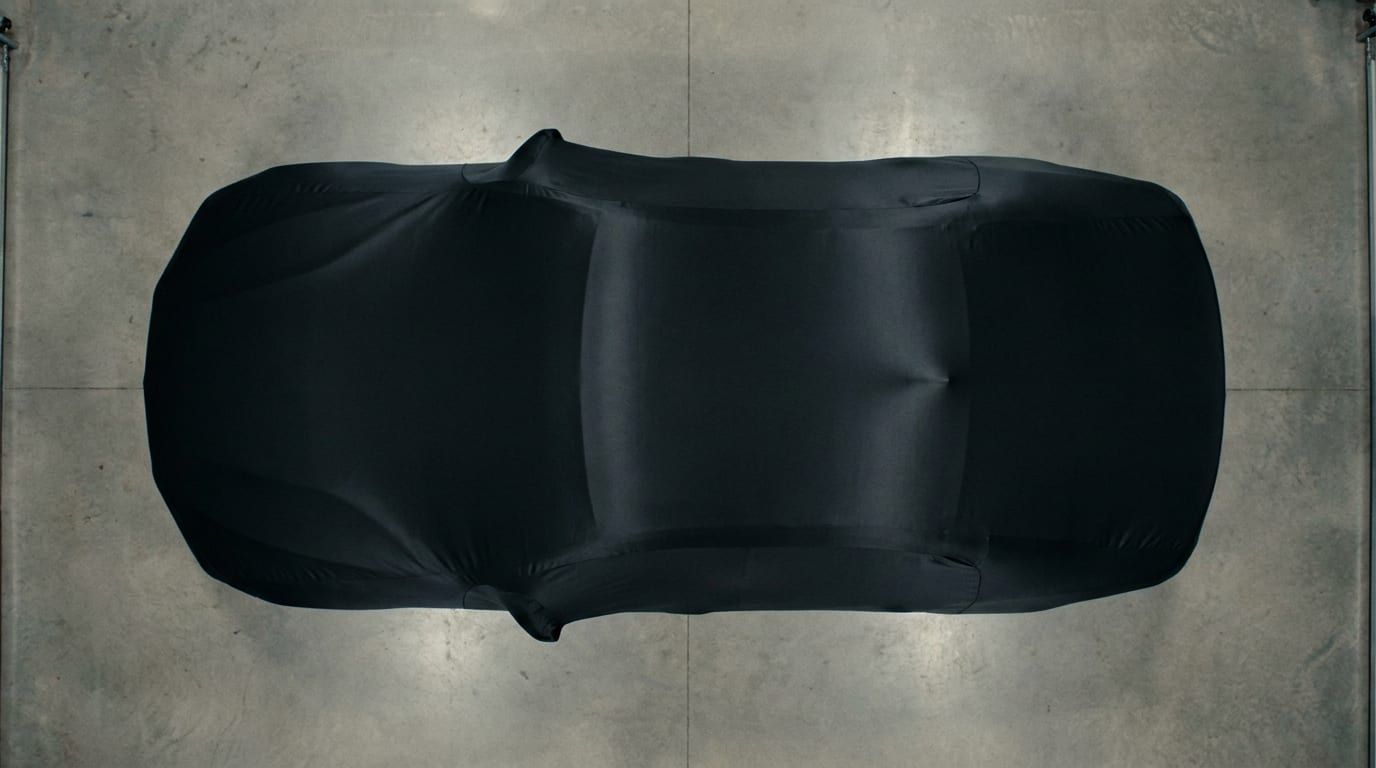
Outdoor-rated covers cost more because they're doing more work. Waterproof coatings, reinforced seams, and UV inhibitors all add to the manufacturing cost, and that's reflected in the price gap between an indoor cover and an outdoor one. It's not padding or upsell, it's the material actually holding up to sun and rain over time.
If your Bolt lives in a garage, you genuinely don't need to spend outdoor money. A basic or satin indoor cover handles dust and prevents scratches from accidental bumps, which is really all a garaged car needs. Save the extra hundred-plus dollars.
If it's parked outside or on the street, though, don't cheap out. A $60 indoor-grade cover left outside through one real storm season will show its limits fast, UV breakdown, water seeping through seams, fabric that just doesn't hold up. Budget for the mid-to-premium tier if that's your situation. It costs more now, but you won't be buying a second cover by next spring. For a deeper look at what "all-weather" actually means in terms of construction, the outdoor car covers guide and the waterproof car covers breakdown both go into the specifics. If you're keeping it simple and indoors only, the indoor car covers page covers what you actually need, and skips what you don't.
Getting the Right Price and Fit
Before you buy anything, confirm the exact fit for your Bolt's model year using a cover finder tool rather than eyeballing it from a generic size chart. A few minutes here saves you from returning a cover that's close but not quite right.
Custom-fit covers cost more upfront, but they're worth the premium if the car sits outside, since a snug fit means less flapping in the wind, which means less wear over time. A loose universal cover might save you $50 today and cost you a replacement next year.
Shipping costs and warranty terms matter too, and they're easy to overlook when you're focused on the sticker price. Check the return policy and look into whether the cover comes with a lifetime warranty before you check out. A cover with a strong warranty is usually the better long-term value even if it costs a bit more on day one.
If you're ready to compare actual pricing by tier, it's worth browsing the car covers selection and narrowing by Chevrolet-specific options to see what fits your Bolt and your budget.
Figuring out exactly how much a car cover for a Chevrolet Bolt should cost really comes down to matching the tier to your parking situation, not chasing the cheapest or the most expensive option on the shelf. If you found this useful, stick around and browse a few more buying guides before you commit to a purchase, it's a quick way to make sure you're not over or underspending on protection your car doesn't need.
Updated