


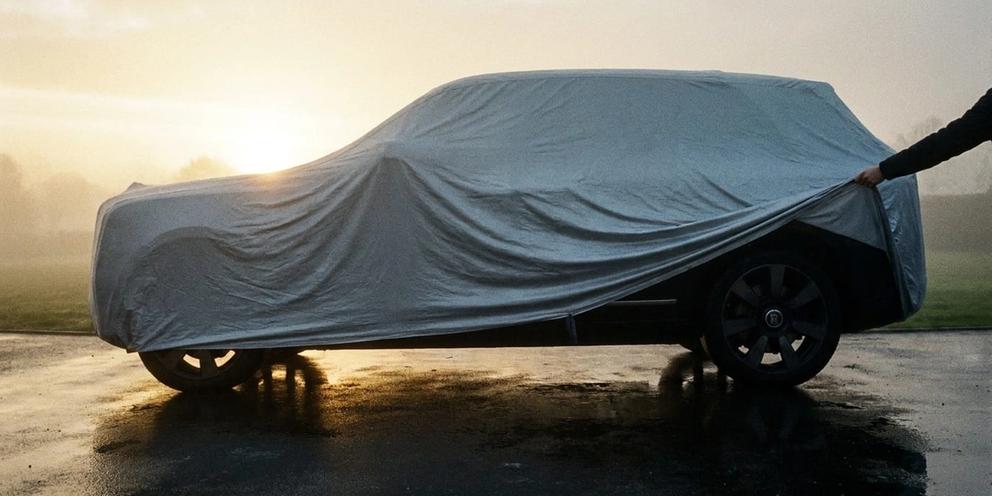
How Much Is a Car Cover for a Chevrolet Suburban? Price Guide
Chevrolet Suburban Cover Prices at a Glance
A Chevrolet Suburban cover typically costs $60 to $350 or more, depending on the material, the fit, and where you plan to park it. That's a wide range, and there's a reason for it: the Suburban isn't a small vehicle. Its full-size SUV footprint, long wheelbase, and tall roofline mean it eats up more fabric than a sedan or compact crossover, which nudges even "universal" pricing toward the upper end of that category.
So how much is a car cover for a Chevrolet Suburban really going to run you? It comes down to three variables. First, fit type: universal, semi-custom, or built to the Suburban's exact dimensions. Second, the material and how much weatherproofing it's rated for. Third, whether the cover needs to survive outdoor exposure or just sit quietly in a garage. Get those three right, and you'll land on a price that actually matches how you use the vehicle instead of guessing. The rest of this guide breaks down each factor so you can see where your Suburban and your budget actually intersect.
Price by Cover Type: Universal, Semi-Custom, and Custom-Fit
Fit is the single biggest lever on price, and it's worth understanding before you look at material specs.
Universal-fit covers sit at the bottom of the range, usually $60 to $120. These are built to stretch over a broad category of vehicle sizes, not the Suburban specifically. That means some slack in the fabric, more flapping in wind, and gaps around the mirrors or bumper. They're fine for occasional use, like protecting the vehicle from dust in storage or a few nights of light rain, but they're not what you want as a daily, year-round solution.
Semi-custom covers land in the $100 to $200 range. These are cut closer to typical SUV body dimensions, so there's noticeably less excess fabric and better coverage around the front and rear ends. For a vehicle the size of a Suburban, that tighter fit also means less abrasion from the cover rubbing against paint in the wind, which matters over a few seasons.
Custom-fit covers built to the Suburban's exact year and trim run $150 to $350 or more. This is the tightest fit you can get, tailored to the specific body lines, mirror placement, and roofline of your model year. It's also the option that best protects resale value, since a snug fit means less friction wear and more consistent weather sealing over time. If you're comparing custom-fit car covers against semi-custom options, the price gap is real, but so is the difference in how the cover performs after a year outside.
One thing worth flagging: because the Suburban is a large-body SUV, custom and semi-custom options for it often cost more than the equivalent tier for a sedan or compact SUV. You're paying for more material and a more complex pattern, not just a brand markup. If you're unsure which size category your Suburban falls into for cover-shopping purposes, it helps to check a sizing guide before you buy, since getting the size wrong undoes a lot of the benefit of paying for a tighter fit in the first place.
How Material and Weatherproofing Affect Cost

Fit determines how well a cover hugs the Suburban's body. Material determines whether it actually protects the vehicle. These are two separate spending decisions, and it's easy to buy the right size in the wrong fabric.
Basic, light-duty fabric covers are the cheapest option in any given fit tier. They'll knock down dust and handle a light drizzle, but they're not built for sustained UV exposure or hail. If your Suburban lives in a garage most of the time and only needs a cover for occasional short trips outside, this tier is enough. If it lives outside, this tier will let you down within a season.
Mid-tier materials, the waterproof and UV-resistant covers, cost more but they're built for daily outdoor parking. They shed rain instead of soaking it in, and they resist the kind of sun exposure that fades paint and cracks trim over time. For most Suburban owners parking outside regularly, this is the realistic starting point, not the basic tier.
Premium multi-layer materials, including hail-rated covers, sit at the top of the price range. They cost the most, but if you're in a region that gets hail, severe sun, or heavy storms, that cost buys you actual protection instead of a false sense of security. A $90 cover that gets punctured by hail in its first season isn't actually cheaper than a $250 cover that survives five seasons.
Indoor-only covers, like soft satin materials, are the exception to all of this. Since they're not fighting UV rays or rain, they can be made from softer, lighter fabric and priced lower than heavy-duty outdoor covers, even in the same fit tier. If your Suburban never sees the outdoors, there's no reason to pay for weatherproofing it'll never need.
Indoor vs. Outdoor Storage: Which Price Tier Makes Sense
This is really the question that should decide your budget, more than any spec sheet.
If your Suburban sits in a garage, you can reasonably go with a lower-cost indoor cover. No UV exposure, no rain, no snow load. You're mainly guarding against dust, minor scuffs, and the occasional scratch from something brushing past it. There's no reason to pay premium prices for weatherproofing you'll never test.
Park outside year-round, though, and the math flips. Budget for the mid-to-premium tier, specifically an outdoor-rated cover, because a cheap universal cover left outside through a full year of sun and rain usually doesn't make it to year two. You end up buying two or three cheap covers instead of one that actually holds up, and that's before you factor in the time spent replacing it.
Climate matters here too. Heavy snow load, intense desert sun, coastal humidity: each of these pushes you toward a higher tier regardless of how often you're parking outside. A Suburban garaged six days a week but exposed to salty coastal air on the seventh still needs real weatherproofing, not the bare minimum.
Think of it as a value decision, not a splurge. Spending more upfront on the tier that actually matches your storage conditions almost always costs less over two or three years than re-buying a cheap cover annually.
Other Costs to Factor In
The cover price is the headline number, but it's rarely the whole bill.
Accessories add up. Cable locks, gust straps and wind straps, and support poles typically add another $10 to $40 depending on what you choose. None of these are strictly required, but on a vehicle as large as the Suburban, a gust strap especially is worth the extra cost. More surface area means more wind resistance, and a cover that isn't secured properly can shift, chafe against paint, or blow off entirely in a storm.
Shipping costs and any extended warranty options can shift the final total slightly too, so it's worth checking those before you compare prices across sellers.
Then there's the cost that doesn't show up on the receipt at all: maintenance. A cover installed correctly and cleaned periodically will simply last longer than one that's thrown on carelessly and never washed. Grit and debris trapped under a cover act like sandpaper against the paint every time the wind moves it. Factor that into the real cost-per-year, not just the sticker price. A cover that costs $200 and lasts four years is cheaper, per year, than one that costs $80 and lasts one.
Finding the Right Suburban Cover for Your Budget
So, back to the original question: how much is a car cover for a Chevrolet Suburban? Anywhere from $60 for a basic universal fit to $350 or more for a premium custom-fit cover built for harsh outdoor conditions. Neither end of that range is "wrong," it just depends on how and where your Suburban actually spends its time.
Match the fit and material to your real storage situation instead of grabbing the cheapest option on the page. A garage-kept Suburban doesn't need hail protection. A Suburban parked outside through a real winter shouldn't be wearing a basic dust cover. Get that match right and the price tag stops feeling like a gamble.
If you want to see current pricing and sizing for your specific model, it's worth browsing Chevrolet-specific covers or the broader SUV cover lineup to compare what's actually available before you commit to a tier. And if you're not ready to buy yet, stick around the blog. We cover this kind of practical, budget-first buying advice regularly.
Updated