


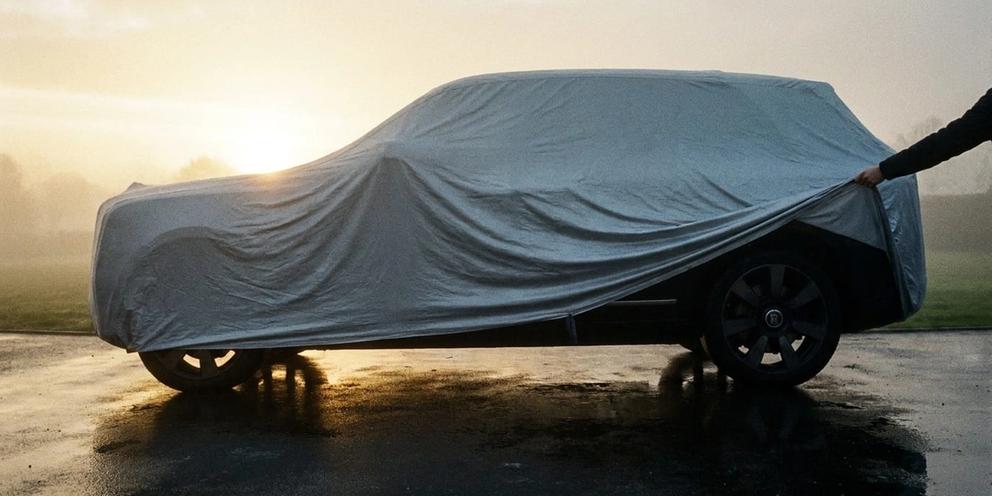
How Much Is a Car Cover for a Dodge Durango? Pricing Guide
How Much Does a Dodge Durango Car Cover Cost?
A car cover for a Dodge Durango typically costs between $30 and $300, depending on fit, material, and how much weather protection you actually need. Basic universal covers sit at the low end, around $30 to $70. Semi-custom and mid-range options run $80 to $180. Custom-fit, multi-layer premium covers built specifically for the Durango's dimensions land at $180 to $300 or more.
Here's the thing about the Durango: it's a mid-to-full-size three-row SUV, which pushes it toward the upper end of most universal sizing charts. A cover that fits a compact crossover for $40 won't stretch comfortably over a Durango's length and height, so you're often looking at the next size bracket up, and that bump in size usually means a bump in price too.
So when people ask how much is a car cover for a Dodge Durango, the honest answer is "it depends on what you're protecting it from." A cover for occasional garage dust is a different product than one meant to survive a Midwest winter parked outside. Price scales with fit precision, material layers, and weather resistance, not with brand name. A $250 cover isn't automatically better than an $80 one, it's built for a different job.
What Affects the Price of a Durango Cover
A few variables do most of the work in determining what you'll pay.
Fit type matters most. Universal and semi-custom covers cost less because they're made to a general size range, not the Durango specifically. That means some slack around the bumpers, mirrors, and roofline. Custom-fit covers cost more because they're patterned to the Durango's actual body contours, so you're paying for precision, not just fabric.
Material and layers come next. A single-layer indoor cover is cheap because it's doing one job: keeping dust and light scratches off the paint. Multi-layer outdoor fabrics with UV resistance and water repellency cost more, since they're engineered to handle sun, rain, and temperature swings without breaking down after a season.
Included features add up fast too. Elastic hems, cable locks, vent panels, mirror pockets, and antenna patches aren't standard on every cover. Each one you add typically nudges the price higher, but they also solve real problems, like a cover that whips around in wind because it has no anchor point.
Storage conditions play a bigger role than most people expect. A cover that only needs to handle garage storage doesn't need the same armor as one facing daily outdoor exposure. If your Durango lives outside year-round, you're paying for durability. If it's garage-kept, you can spend less and still get adequate protection.
Price Breakdown by Cover Type

Breaking it into tiers makes the decision easier.
Budget tier ($30 to $70): Single-layer, universal-fit covers. Good for short-term indoor storage or basic dust protection. Not built for rain, snow, or long-term sun exposure.
Mid-range tier ($80 to $180): Semi-custom or custom-fit covers with water-resistant fabric. This is the sweet spot for regular outdoor use in moderate climates, think mild winters, occasional rain, no hail.
Premium tier ($180 to $300+): Custom-fit, multi-layer covers rated for hail impact and UV resistance, built for year-round outdoor exposure or harsh weather regions. At this tier, add-ons like cable locks or support poles are often bundled in rather than sold as extras, which can actually make the premium option a better value than it looks on price alone.
If you're shopping with climate in mind, it's worth looking at dedicated guides for waterproof car covers and hail car covers before settling on a tier, since those categories often jump straight to mid-range or premium pricing by necessity.
Custom-Fit vs. Universal Covers for the Durango
The price gap between universal and custom-fit covers isn't arbitrary.
Universal covers are cheaper upfront, no argument there. But they're cut to fit a size range, not a specific vehicle, so you get extra fabric bunching around the Durango's wheel wells and roof rails. That slack isn't just a cosmetic issue, it lets wind get underneath the cover and can trap moisture against the paint, which defeats the purpose of covering the vehicle in the first place.
Custom-fit covers cost more because they're built to the Durango's exact dimensions. Less flapping in wind, better water runoff, fewer gaps where dust and debris sneak in. For a vehicle this size, that precision matters more than it would on a smaller SUV. Custom-fit car covers are worth the extra cost if the Durango sits outside often.
Three-row SUVs like the Durango have more length and height to account for than compact crossovers, and that changes how a cover drapes across the body. A universal cover sized for "mid-size SUV" might still leave the rear cargo area or the roofline underprotected. If you're unsure where the Durango falls on a sizing chart, a size and fit guide is a faster way to confirm than guessing from the glove box manual.
What's Included at Each Price Point

What you get for your money changes noticeably as you move up in price.
| Price Point | Hems & Seams | Hardware | Weather Protection |
| Lower-priced ($30-$70) | Basic elastic hem | None included | Minimal UV resistance |
| Mid-priced ($80-$180) | Reinforced seams, grommets for straps | Straps sold separately or included | Moderate water resistance |
| Higher-priced ($180-$300+) | Reinforced seams and mirror pockets | Integrated cable lock, hail-impact padding | Full UV and water resistance, longer warranty |
The jump from lower to mid-priced covers is mostly about reinforcement, grommets for straps, better-stitched seams, a bit more water resistance. The jump from mid to premium is where the real functional upgrades show up: cable lock systems, hail-impact padding, reinforced mirror pockets, and often a longer warranty backing the whole thing. That warranty detail matters more than it sounds. A cover backed by a strong guarantee tells you the manufacturer expects it to last.
How to Choose the Right Cover for Your Budget and Climate
Start with where the Durango actually sleeps at night. Garage-kept vehicles can get by with a lower-cost indoor car cover, since they're not fighting UV rays or rain. Vehicles parked outside, especially in regions with real rain, snow, or hail, justify spending more on an outdoor car cover built to handle it.
Don't skip the sizing step. A cover that doesn't fit right loses half its value no matter how much you paid for it, so check a size and fit guide before buying rather than after.
Warranty length is worth factoring into the price comparison too, not treating as an afterthought. A cover with a lifetime warranty backing it can be the cheaper option over five years, even if the sticker price is higher today, because you're not replacing a worn-out $50 cover every winter.
If you're not sure which tier fits your situation, a cover finder tool can narrow things down by exact Durango model year and trim, which saves you from comparing specs across a dozen listings manually.
Protect Your Durango Without Overspending
So, how much is a car cover for a Dodge Durango really going to cost you? It depends less on your budget and more on where the vehicle lives and what it's up against. Garage storage, mild climate, occasional use: you can spend less and still get solid protection. Daily outdoor exposure, harsh weather, long-term ownership: spending more upfront usually works out cheaper than replacing a flimsy cover every year or two.
A properly fitted cover that costs more now often costs less over time than a cheap one that tears, fades, or lets moisture in after one season. If you're ready to compare options, take a look at SUV cover options and find the right fit for your Durango, or subscribe for more guides like this one before you buy.
Updated