


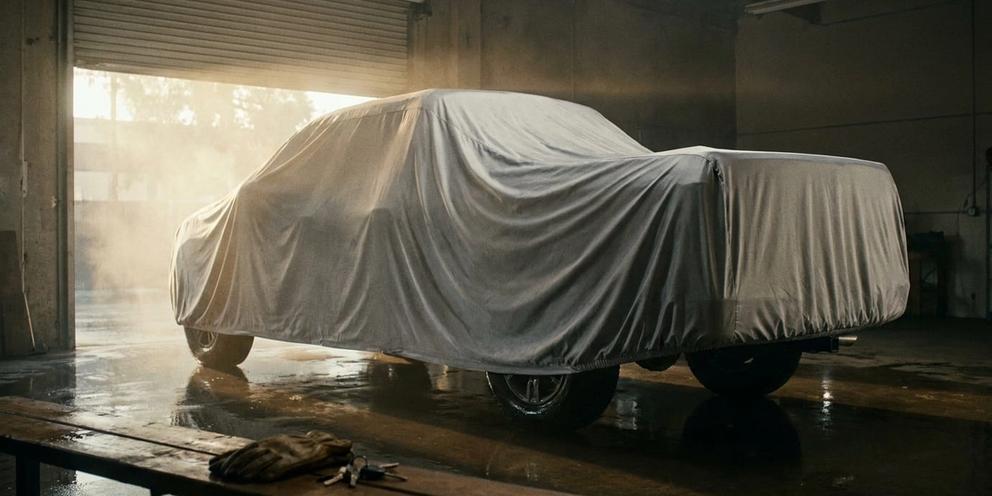
How Much Is a Car Cover for a Ford F-150? Price Ranges by Type & Features
A Ford F-150 cover runs anywhere from $40 to $350 or more, depending on how closely it's built to fit your truck. Basic universal covers sit at the low end, $40 to $100, semi-custom covers land in the $100 to $220 range, and custom-fit, multi-layer weatherproof covers with hardware run $220 and up. If you've been searching how much is a car cover for a Ford F-150 and getting a dozen different answers, that's because the price depends less on the brand name and more on fit, materials, and what you're protecting against.
Price also scales with the truck itself. A Regular Cab with a 6.5' bed needs less material than a SuperCrew with an 8' bed, so cab configuration and bed length push the number up or down within each tier. This guide breaks down what's actually driving those price differences, so you can pick the right tier instead of guessing and hoping it fits.
How Much Is a Car Cover for a Ford F-150?
Same range as above, worth restating plainly: $40 to $100 for basic, $100 to $220 for semi-custom, $220 to $350+ for custom-fit. The jump between tiers isn't arbitrary. Each step up buys you a tighter fit, tougher fabric, and more hardware included in the box.
Cab and bed length matter more on an F-150 than on a smaller vehicle. A SuperCrew with the long bed is a genuinely bigger object than a Regular Cab, and covers priced by the linear foot of fabric reflect that. If two covers are labeled "full-size truck" at wildly different prices, check whether one is actually sized for your cab and bed combo before assuming it's a better deal. Browsing truck covers built for specific dimensions is a faster way to compare apples to apples than scrolling generic listings.
What Affects the Price of an F-150 Cover
Fit type is the biggest lever. Universal covers are cut loose and generic, so they're cheap to make and cheap to buy, but they billow in wind and leave gaps at the cab and bed. Semi-custom covers are sized by cab style and bed length, so an F-150 SuperCab with a 6.5' bed gets a noticeably better fit than a one-size-fits-all sheet. Custom-fit covers go further still, contoured to the F-150's actual body lines, mirrors, and side steps. That precision costs more to manufacture, and it shows up in the price.
Material tells the same story. A single-layer polyester or cotton blend cover is light on cost and light on protection. Multi-layer fabrics with UV-resistant and waterproof coatings cost more upfront but hold up through repeated sun and rain exposure instead of breaking down after a season.
Hardware adds up too. Grommets for wind straps, an antenna patch, a cable lock, these aren't free to include, and a bare cover without them will always undercut a fully-equipped one on price. And climate use case shifts things: a truck that lives in a garage needs a dust cover, not a storm-rated one. Something built for the F-150's specific dimensions, like a custom-fit cover, earns its price when it's actually parked outside daily; it's overkill for a truck that's under a roof most nights.
Cab configuration deserves its own mention here. Ford sells the F-150 across Regular Cab, SuperCab, and SuperCrew body styles, and that variation (shared across the broader F-Series lineup) is exactly why sizing charts break covers out by cab and bed length instead of listing one price for "F-150."
Price Breakdown by Cover Type
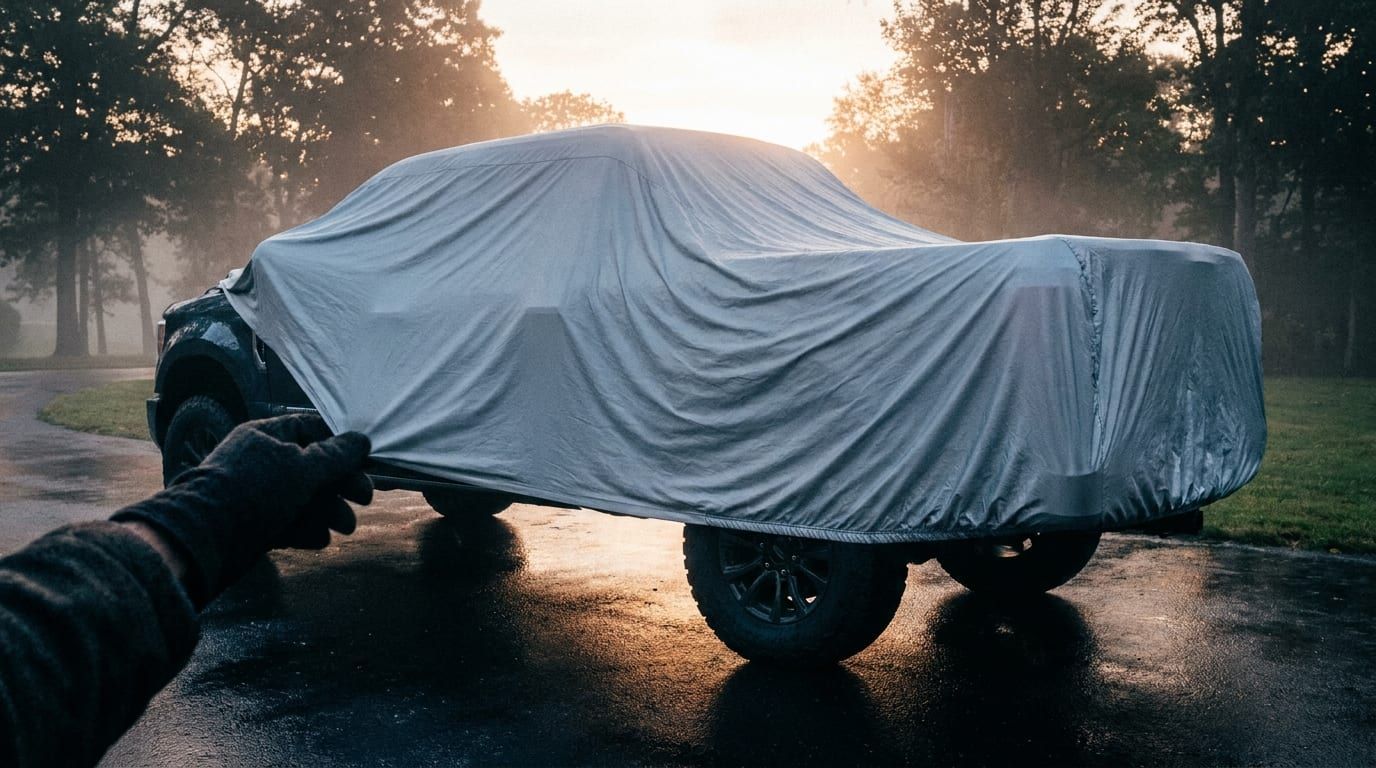
Basic and universal covers, $40 to $100, are lightweight and loose. They're fine for keeping dust off a garage-kept truck or covering it for a weekend, but don't expect real weatherproofing. Rain will get through eventually, and wind flap is a given.
Mid-tier weatherproof covers, $100 to $220, step up the fabric quality with a water-resistant coating and an elastic hem that actually holds the cover in place. This is the sweet spot for a truck that sits outside most days in a moderate climate, not desert sun and not mountain snow, just regular weather.
Premium custom-fit and all-weather covers, $220 to $350 and sometimes beyond, are tailored to the F-150's exact dimensions and layered to handle sun, rain, snow, and hail. Most bundle in straps and a lock, so you're not buying those separately. If you're driving an F-150 Raptor, expect to land near the top of that range. Its wider fenders and off-road add-ons mean it needs a cover cut differently than a standard F-150, which is why Raptor-specific covers exist as their own product rather than a one-size-fits-all F-150 option.
Do You Need Indoor or Outdoor Protection?

Indoor covers are the cheapest option for a reason: they skip waterproofing entirely. If your F-150 lives in a garage, you're paying for protection against dust, scratches, and pet hair, not rain or UV rays. That keeps indoor covers light and affordable.
Outdoor covers cost more because they have to. UV resistance, waterproofing, and wind-securing straps aren't optional extras when a truck sits on a driveway or a job site every night, they're the entire point of the product. An outdoor cover built for that job earns its higher price tag fast.
Here's the practical move: match the cover to where the truck actually sits most nights. Don't pay for hail and snow protection on a truck that's under a carport. Don't skimp on weatherproofing for a truck that's parked on the street year-round. Be honest about the truck's real life, not its occasional road trip.
Sizing an F-150 Cover Correctly
Cab style and bed length change the exact size you need, and getting this wrong is the single most common way people end up unhappy with a cover. A cover built for a 5.5' bed won't stretch to fit an 8' bed truck, no matter how stretchy the fabric feels in the package. Measure the truck, or at minimum confirm the trim and year, before you buy.
A too-loose cover flaps constantly in wind, and that flapping isn't just annoying, it grinds against the paint and speeds up wear. A too-tight cover strains at the seams and tears sooner than it should. Getting the size right matters just as much as picking the right price tier, maybe more.
Skip the generic "fits most full-size trucks" listings if you can. A proper sizing guide or a Ford-specific option will get you closer to a real fit than guessing off a vague label. And if bed length is the part you're unsure about, the pickup truck bed size guide walks through how to check it without crawling under the tailgate with a tape measure.
Is a Pricier Cover Worth It for an F-150?
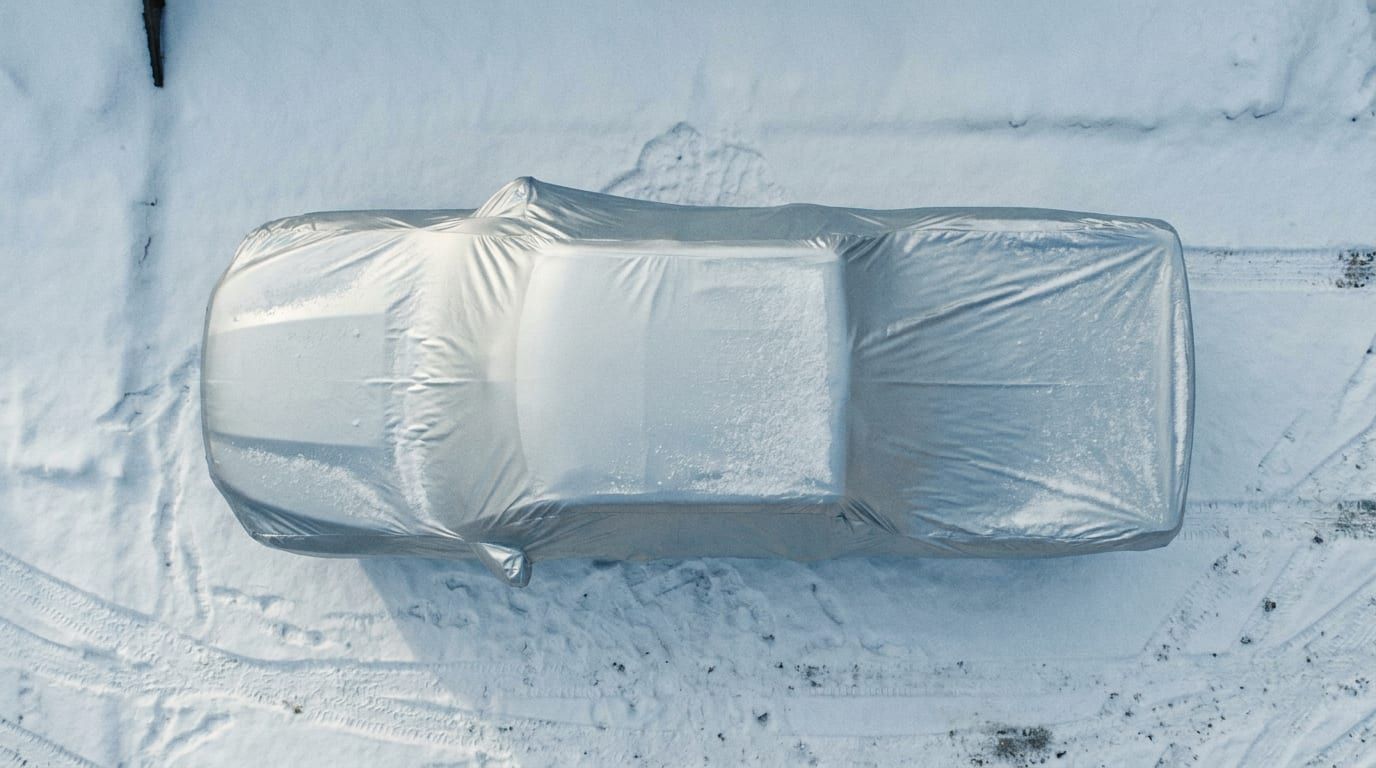
A $200-plus custom cover protects paint, glass, and interior from sun fade, tree sap, hail dings, and road salt. Weigh that against the cost of a repaint or a full detail down the line, and the upfront price starts to look more reasonable. Trucks that live outside take the brunt of all of it, and a cover built for hail protection specifically is worth the extra cost in regions where that's a real risk, not a hypothetical one.
Not every F-150 needs that level of coverage, though. A truck used mainly for short trips, or one that's garage-kept most nights, doesn't need the premium tier. A basic universal or indoor cover covers the actual risk it faces, and paying more just adds cost without adding protection that gets used.
One more thing worth checking before you spend $250 on a premium cover: the warranty. A longer warranty offsets a higher upfront price, since it means you're not rebuying the same cover in two years. Check the warranty terms before you commit to the premium tier, not after.
Find the Right Cover for Your F-150
Three price bands, three main reasons they exist. Basic covers ($40-$100) skip fit precision and weatherproofing. Mid-tier covers ($100-$220) add better fabric and a proper hem. Premium covers ($220-$350+) are built to your truck's exact shape and loaded with hardware. Fit, material, hardware, and climate are the four things moving a cover between those bands, not the brand printed on the bag.
If you've got a sense of which tier fits your F-150 and how you actually use it, take a look through the truck covers built for its dimensions and compare a couple of tiers side by side before you buy. And if you're still not sure which cab and bed combination you're working with, it's worth double-checking before you check out, not after the cover shows up too short.
Updated