



How Much Is a Car Cover for a Mini Cooper? Price Ranges by Type and Tier
How Much Is a Car Cover for a Mini Cooper?
A car cover for a Mini Cooper typically runs $70 to $300 or more. Where you land in that range depends almost entirely on three things: fit type, material tier, and whether the cover needs to handle outdoor weather or just dust in a garage.
Basic universal covers sit at the bottom, usually $70 to $120. These are the stretch-to-fit options that technically cover any small hatchback or compact car. Step up to a custom-fit cover built specifically for a Mini Cooper's dimensions, with multiple fabric layers and real weatherproofing, and you're looking at $150 to $300 or more.
Here's something that trips people up: Mini's small footprint doesn't actually save you much money. A Cooper hardtop, a Clubman, and a Countryman are all compact compared to, say, an SUV. But the price gap between a cheap cover and a premium one has almost nothing to do with the car's size and everything to do with what the fabric is made of and how precisely it's cut. A tiny universal cover and a tiny custom cover can differ by $150 even though they're going on the same footprint.
So instead of just quoting a range and moving on, let's break down exactly what you're paying for at each price point, and how to figure out which tier actually makes sense for your Mini.
What Actually Drives the Price of a Mini Cooper Cover
Four factors push the price up or down, and fit type is the biggest one. Universal and semi-custom covers are cut to generic size classes (think "compact car" or "small sedan") and cost less because they're mass-produced in bulk. The tradeoff is loose fabric around the mirrors, bumpers, and roofline. Custom-fit car covers are patterned to a Mini Cooper's actual body lines, so they cost more to produce and more to buy, but they sit tight and look like they belong on the car.
Material layers matter just as much. A single-layer cover is cheap because it's cheap: one sheet of fabric with minimal engineering behind it. Multi-layer covers (often three to five layers) combine a UV-resistant outer shell, a water-resistant middle, and a soft inner lining that won't scratch paint. More layers means more manufacturing cost, which shows up directly in price.
Then there's use case. Indoor-only covers are lightweight and soft because they only need to stop dust and the occasional scuff from a bumped boot or garage shelf. Outdoor covers need to survive rain, direct sun, and in a lot of climates, snow, so they're built from heavier, treated fabric and cost more as a result.
Finally, model variant. A Mini Cooper hardtop needs less fabric than a Clubman, and a Clubman needs less than a Countryman. Within the same tier, expect the Countryman version to run a bit higher simply because there's more material and more surface area to pattern. If you're not sure which category your model falls into, a cover finder tool will sort that out faster than guessing from the specs sheet.
Mini Cooper Cover Prices by Tier

Breaking the $70 to $300+ range into tiers makes it easier to see what you're actually buying at each stop.
Entry tier, roughly $70 to $130. Basic outdoor protection, a single layer or a thin double layer, and decent performance in mild climates. Fine if you're storing the car short-term, live somewhere dry, or just need something between the driveway and the next wash.
Mid tier, roughly $130 to $200. This is where most Mini owners who park outside daily end up. You get real water resistance, UV-stabilized fabric that won't chalk and fade after a summer, and stitching that holds up to regular on-and-off use. It's the practical middle ground: enough protection to matter, without paying for weather resistance you'll never test.
Premium or platinum tier, roughly $200 to $300+. Heavy-duty multi-layer fabric, full weatherproofing, reinforced seams at stress points. This is the tier built for harsh sun, snow load, or a car that sits outside year-round without a garage to retreat to.
One more wrinkle: custom-fit versions of each tier cost more than universal-fit versions of that same tier. A mid-tier universal cover and a mid-tier custom-fit cover aren't the same price, even though they're both "mid tier" on material quality. The fit customization is its own added cost layered on top.
| Tier | Price Range | Best For |
| Entry | $70-$130 | Mild climates, short-term storage |
| Mid | $130-$200 | Daily outdoor parking |
| Premium/Platinum | $200-$300+ | Harsh sun, snow, long-term outdoor storage |
Custom-Fit vs. Universal Covers for a Mini Cooper: Is the Price Difference Worth It?

Universal covers win on sticker price. No argument there. But a loose cover on a small, curved car like a Mini has specific failure points: it sags at the hood and trunk, it flaps in wind because there's no contouring to hold it down, and that flapping is exactly what lets water pool in low spots instead of running off.
Custom-fit covers cost more on day one, but they reduce the stuff that actually damages paint over time: fabric rubbing against the clear coat in the wind, trapped moisture sitting against a panel for days. If you're trying to decide how much a car cover for a Mini Cooper should cost you, it helps to stop thinking in terms of sticker price and start thinking in terms of cost per year of ownership. A $220 custom cover that lasts six years and actually protects the paint beats a $90 universal cover you replace twice and still end up with swirl marks underneath.
That math matters more for Mini owners specifically, since these are cars people tend to keep a long time, often past the point where resale value depends on paint condition. A compact, well-fitted cover is also one of the few places where Mini's size works in your favor: custom-fit covers for a Cooper or Clubman cost noticeably less than custom covers built for a full-size SUV or pickup, simply because there's less fabric and less pattern complexity involved. Check what size car cover fits your vehicle before you buy, since getting the size category wrong on a custom cover defeats the purpose entirely.
Indoor vs. Outdoor Covers: Why Price Isn't the Only Factor
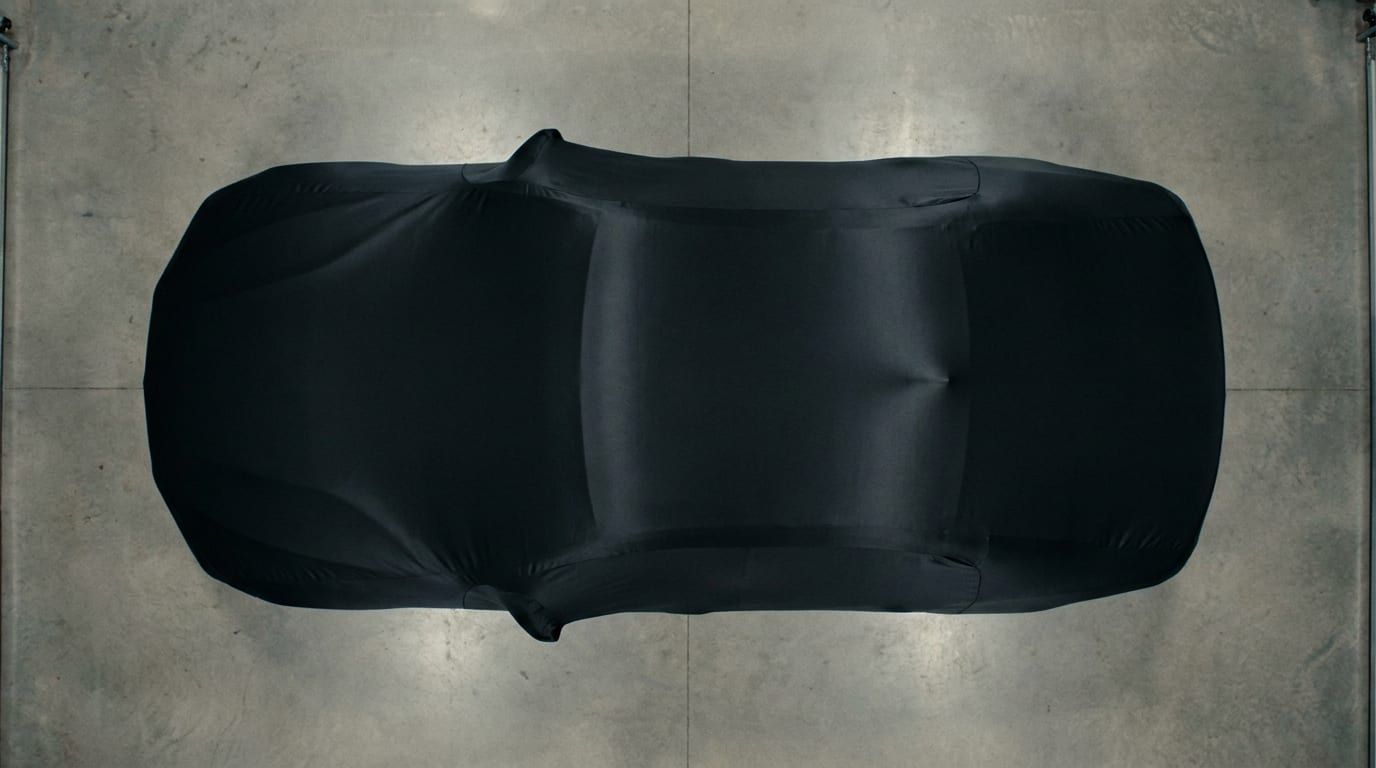
Indoor covers are cheap for a reason: they're not fighting anything. No rain, no UV, no wind. Just dust, the occasional light scuff, and whatever your garage throws at it. That's why indoor car covers are lighter, softer, and priced accordingly.
Outdoor covers earn their higher price tag. Waterproofing, UV-stabilized fabric that won't break down under constant sun exposure, and wind-securing features like grommets or built-in straps all add cost, but they're also doing real work. An outdoor car cover without those features isn't really an outdoor cover, it's an indoor cover that happens to be outside, and it won't hold up.
The real question isn't which type is cheaper. It's where your Mini actually spends its nights. Garage every night? Go indoor, save the money. Driveway in the rain, or worse, street parking with zero overhead cover? Outdoor, no debate. Buying the cheap indoor-style cover to save $60 upfront and then using it outside is how people end up back at the store in eight months buying a second cover, or worse, paying for paint correction because trapped moisture and UV did their thing underneath a cover that was never built for the job.
Getting the Right Cover for Your Mini Cooper's Budget
Start with where the car sleeps, not with the price tags. Garage, carport, open driveway, street, these all point you toward a different tier before you even look at a single product listing. Figure that out first and the rest of the decision gets a lot simpler.
From there, don't rely on generic size estimates. A cover finder that matches your exact Mini Cooper trim and year will give you real pricing instead of a ballpark, which matters more on a car with several body variants like the Cooper, Clubman, and Countryman.
Worth checking before you buy: warranty coverage. A cover backed by a lifetime warranty effectively lowers your cost per year even if the upfront price is higher, since you're not replacing it every season. That's often the detail that makes a mid or premium tier cover the actually cheaper option over time.
If you're ready to compare, browse Mini-specific cover options or take a look at the full car cover lineup to see how fit, material, and price line up for your exact model. And if you're still deciding which tier fits your situation, it's worth bookmarking this guide, or poking around a few more buying guides, before you commit.
Updated