


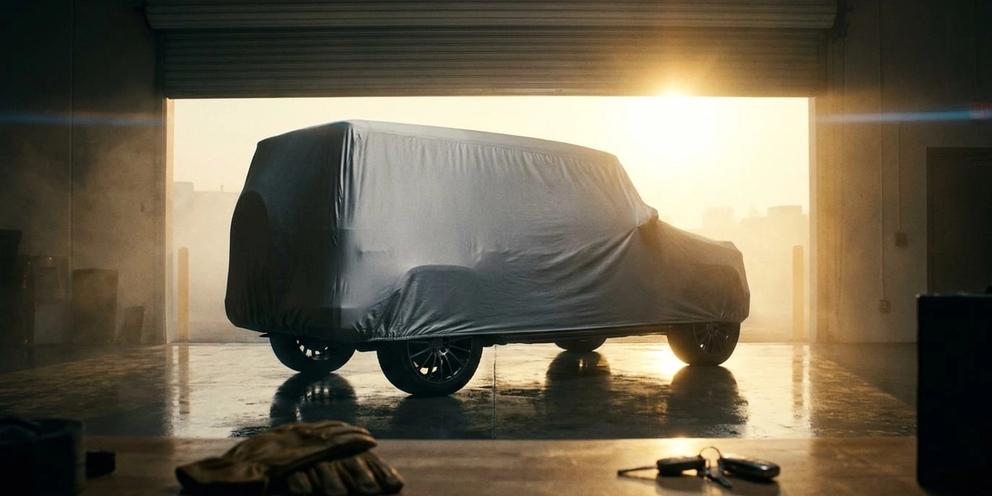
How Much Is a Car Cover for a Subaru Forester? (Price Ranges Explained)
A car cover for a Subaru Forester typically costs between $60 and $250, depending on how it's made and how well it fits. Basic universal-fit outdoor covers sit at the low end, around $60 to $120. Custom-fit covers built specifically for the Forester's body lines run $120 to $200. And premium or platinum-tier weatherproof covers, along with high-end indoor satin options, land anywhere from $180 to $250 or more.
So if you're wondering how much is a car cover for a Subaru Forester going to run you, the honest answer is: it depends on three things. Fit type (universal vs. custom), the material and how much weatherproofing it offers, and whatever extras get bundled in, like straps, cable locks, or antenna patches. Because the Forester is an SUV with roof rails and, depending on the generation, a rear spoiler, a properly fitted cover needs more fabric and more tailoring than a basic sedan cover. That extra material is part of why Forester-specific covers often cost a bit more than what you'd pay for a Camry or Civic.
This guide breaks down what you're actually paying for at each price tier, so you can match your budget to how and where your Forester actually gets parked.
Universal-Fit vs. Custom-Fit: Why Price Jumps
Universal covers are the budget option, usually $60 to $100. They're sized by length range rather than by vehicle, so the fit is loose. The fabric blends tend to be simpler, and because they're mass-produced in bulk sizes, they ship fast and cost less. Fine for occasional use, like covering the Forester for a weekend trip or a short stretch of bad weather.
Custom-fit covers are a different product entirely. They're patterned to the Forester's actual body, with mirror pockets, cutouts for roof rails, and a contour that hugs the car instead of billowing around it. That tailoring is the main reason custom-fit covers run $120 to $200. You're paying for the pattern work, not just more fabric.
There's a practical reason this matters beyond looks. A loose cover flaps in the wind, and that flapping rubs against the paint over time. It's a slow kind of damage, the kind you don't notice until you pull the cover off one day and see swirl marks across the hood. If your Forester lives outside long-term, a snug fit isn't a luxury, it's basic protection. Our custom-fit car cover guide goes deeper into that tradeoff if you want to see exactly what you get for the extra money.
What Material and Weatherproofing Add to the Cost
Material is the other half of the price equation. A basic all-weather fabric, the kind you'll find on lower-priced covers, handles UV exposure and light rain reasonably well. It's lightweight and inexpensive, which is exactly why it sits at the bottom of the price range.
Step up to a mid-tier waterproof and breathable fabric, and the price climbs, but so does the protection. These fabrics are built to shed real rain and snow while still letting moisture escape from underneath, so you're not trapping condensation against the paint. That breathability piece matters more than people expect. A cover that keeps water out but seals moisture in can do almost as much damage as no cover at all.
At the top of the range, premium and platinum covers use heavier, layered fabric built for hail, deep snow, and brutal sun. That multi-layer construction is expensive to produce, which is why these covers land at $180 to $250-plus. For anyone shopping waterproof car covers specifically, this tier is where the real weather protection lives.
Indoor-only satin covers are a separate category. They skip weatherproofing entirely, since they're designed to sit in a garage and guard against dust and light scratches, not rain or UV rays. Because they're built simpler, they're often cheaper than you'd expect for a "premium" feeling fabric.
Outdoor vs. Indoor Storage Changes What You Should Pay For
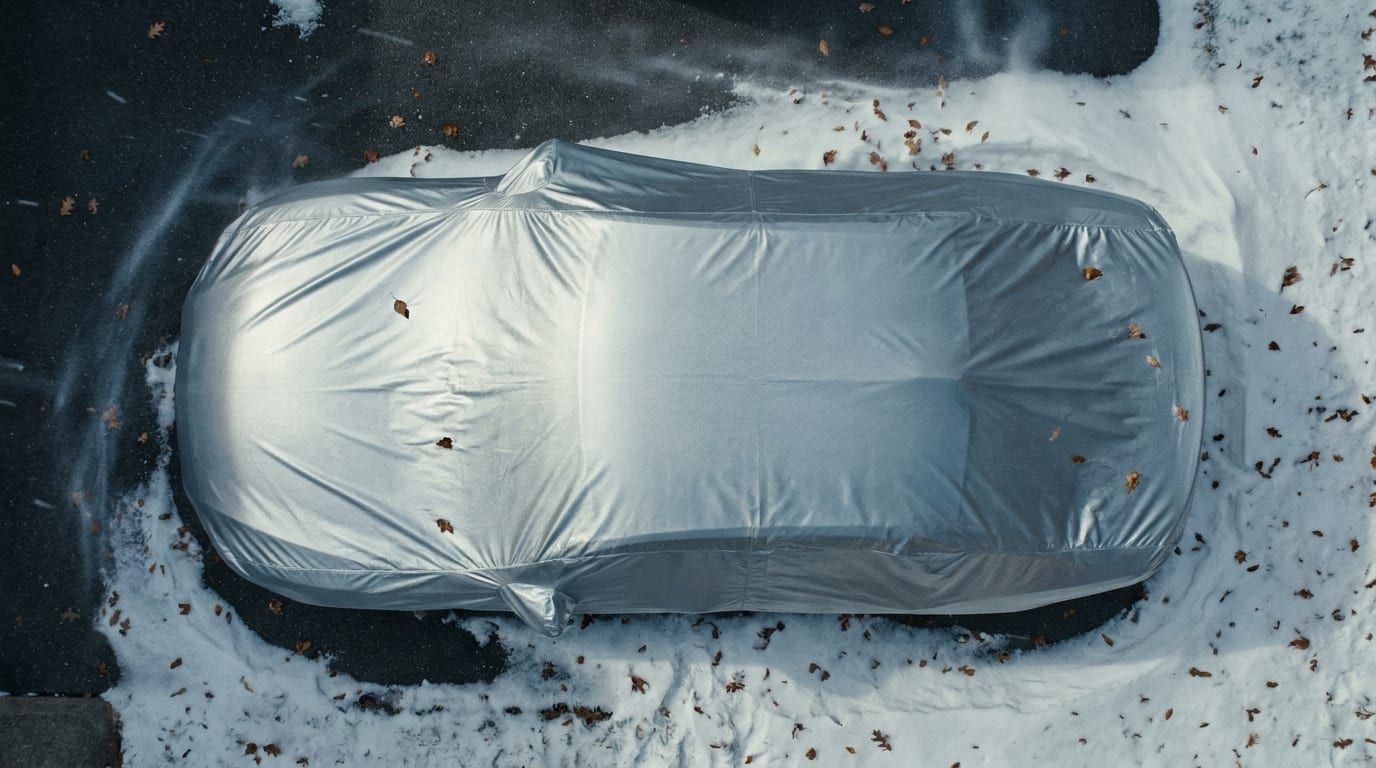
Here's where a lot of people overspend, or underspend, in the wrong direction. If your Forester sits outside every day, paying more for a waterproof, UV-rated cover is worth it. A cheap indoor-style cover won't hold up to actual weather, and you'll end up replacing it within a season.
If the Forester is garage-kept, you don't need all that weatherproofing. A lower-cost indoor cover does the job just fine, and spending extra for hail and rain protection it'll never see is just wasted money.
One exception worth flagging: if you're in a hail-prone region, even a garage-kept car can be at risk during storms if it ever gets parked outside. In that case, a dedicated hail cover is a reasonable upgrade over a standard outdoor cover, built with denser padding specifically for impact protection.
Before you commit to a price tier, it's worth confirming which category actually fits your situation. Our outdoor car cover guide and indoor car cover guide both walk through how to tell the difference.
| Price Tier | Typical Range | Best For |
| Universal-fit, basic fabric | $60 to $120 | Occasional or short-term use |
| Custom-fit, mid-weight fabric | $120 to $200 | Daily outdoor parking |
| Premium/platinum weatherproof or indoor satin | $180 to $250+ | Harsh climates, long-term storage, or garage display |
Add-Ons That Affect the Final Price

A few extras get added on top of the base cover price, and they're worth knowing about before you compare totals across brands.
Cable locks and gust or wind straps usually add a modest amount, but if you park outdoors in a windy area, they're not optional in any practical sense. A cover that isn't secured down just becomes a sail.
Support poles are another add-on, mostly useful on vehicles where water tends to pool on the roof instead of running off. They lift the center of the cover slightly so rain sheds instead of sitting there.
Warranty length is a bit different. Longer or lifetime warranty coverage usually isn't sold separately, it's baked into the price of higher-tier covers. So when you're comparing a $130 cover to a $220 one, it helps to think about cost per year of expected use rather than just the sticker price.
Before comparing prices across any of these tiers, run your Forester through a size and fit finder tool. A cover that's the wrong size is the single most common reason people end up paying twice, once for the cover that doesn't fit, and again for the one that does.
Getting the Right Fit for Your Subaru Forester
Forester generations aren't identical. The SJ and SK generations differ in length and roofline, and even small differences change how a cover sits. Buy based on "Subaru Forester" alone without checking the year, and you risk a cover that's too loose around the hatch or too tight over the roof rails.
The Subaru SUV cover page is the place to browse Forester-specific options across all the price tiers discussed here, from basic universal to platinum. If you're not sure which size category your trim falls into, the vehicle size and fit guide will walk you through it.
If there's one piece of advice worth repeating: for a Forester parked outside daily, paying a little more for a true custom fit is usually the better long-term value. The snugger fit protects the paint, and you're not re-buying a cover in a year because a universal one wore out from flapping around in the wind.
Caring for Your Cover to Protect the Investment
Even a $250 premium cover won't last if it's balled up wet and shoved in the trunk after every use. Basic care, regular cleaning, and proper folding make a real difference in how long a cover actually holds up.
It's also worth checking your warranty terms, since some require a minimum level of care to stay valid. Our cover care and cleaning guide covers the basics, and it's a quick read worth doing right after your purchase, not months later when something's already gone wrong.
Honestly, a mid-tier cover that gets cleaned and stored properly will usually outlast a premium cover that gets neglected. Price buys you better materials. Care is what makes those materials last as long as they're supposed to.
Bottom Line: Matching Price to How You'll Use It
So, how much is a car cover for a Subaru Forester, really? It comes down to how you'll use it. Occasional or short-term coverage, a basic universal cover in the $60 to $120 range does the job. Daily outdoor parking calls for a custom-fit waterproof cover, $120 to $200. Harsh climates or long-term storage justify the premium or platinum tier, $180 and up.
If you're still weighing options, take a few minutes with the cover finder tool to see exact pricing for your Forester's specific year and trim before settling on a tier. And if you want more guides like this one on protecting your vehicle the right way, it's worth poking around the rest of the site.
The right cover isn't really an added expense. It's what keeps you from paying for a paint job, a faded dash, or rust repair a few years down the road.
Updated