



How Much Is a Car Cover for a Toyota 4Runner? A Price-by-Tier Guide
A Toyota 4Runner car cover typically runs $50 to $300 or more, and most owners who want something that actually holds up end up spending $80 to $180 for a good-quality custom-fit option. That's the honest range if you're asking how much is a car cover for a Toyota 4Runner, before you even start comparing brands or materials.
Three things push that number up or down. Fit type matters most: universal covers cost less, custom-fit costs more. Material and weather tier matters next: a basic single-layer fabric is cheap, a deluxe all-weather fabric isn't. And where the 4Runner actually lives, garage or driveway, changes what you need to pay for.
The 4Runner itself isn't a small sedan you can throw a generic cover over and call it done. It's a mid-size SUV with a boxy body, a rear-mounted spare tire, and often a roof rack bolted on top. That shape nudges pricing toward the higher end of universal-cover options and, for a lot of owners, straight into SUV-specific custom sizing instead. The rest of this guide breaks down exactly what you get at each price tier, so you can match what you spend to how and where you actually park.
What Affects the Price of a 4Runner Car Cover
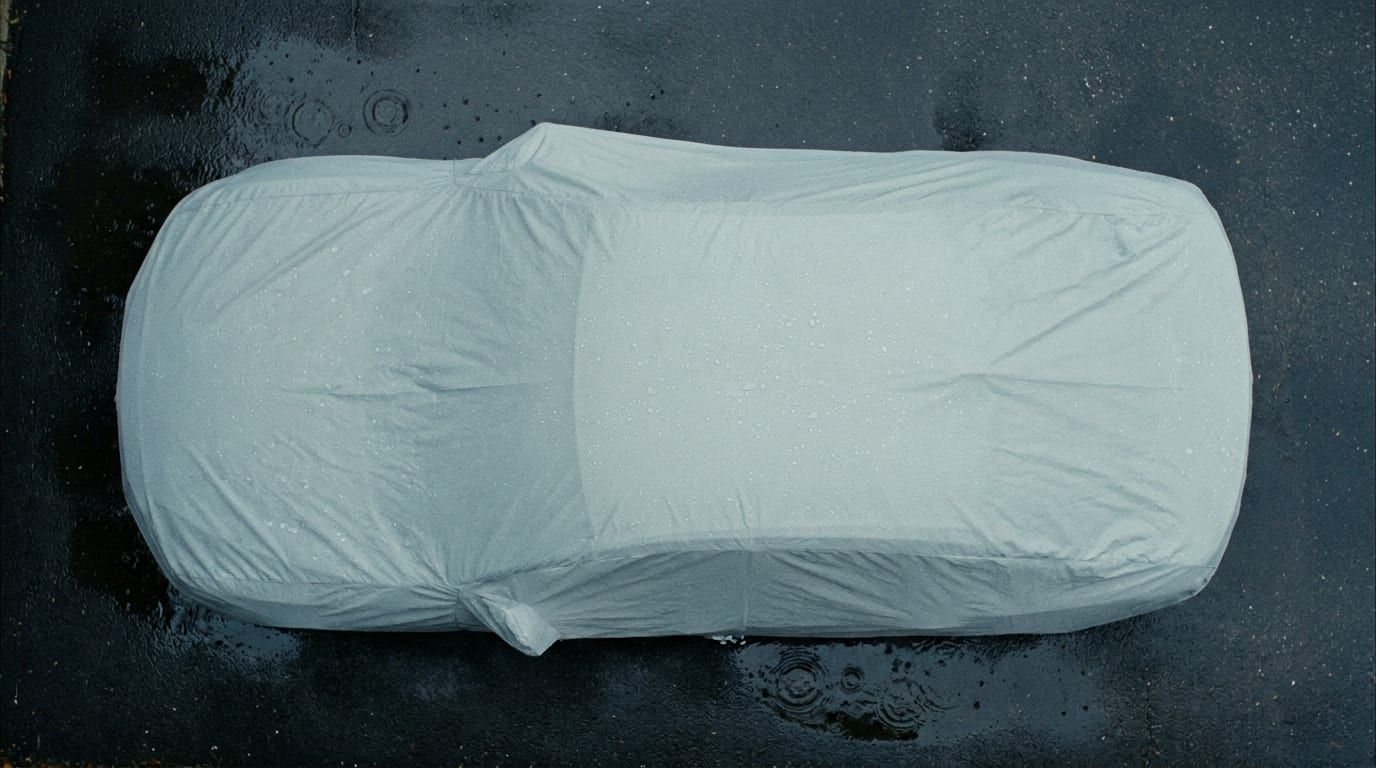
Fit is the first variable, and it's a bigger deal on a 4Runner than on most cars. Universal and semi-custom covers cost less, but they're cut to a general size range, not the 4Runner's specific lines. That means gaps around the spare tire mount on the tailgate and slack around the roof rails, both spots where wind gets underneath and starts working the fabric loose. A custom-fit car cover costs more upfront because it's patterned to the actual body, tire bump included, and it seals tighter against wind and dust as a result.
Material is the second lever. Single-layer basic fabric is the cheapest option on the shelf, fine for light dust and short stretches outside. Step up to a multi-layer woven fabric with UV and water resistance and the price climbs, but so does how long the cover actually lasts. At the top end, heavy-duty all-weather fabrics cost the most because they're doing the most work: blocking sun, shedding rain, standing up to wind.
Climate exposure is where a lot of buyers underspend. A cover meant for full-time outdoor use needs waterproofing and UV-blocking layers a dust cover never had to have, and that difference shows up directly in the price. If your 4Runner sleeps in a garage, you don't need to pay for that. If it doesn't, skipping it just means replacing the cover sooner.
Hardware bundled in also nudges cost. Straps, cable locks, antenna patches, all of that adds to the sticker price, but it saves you from buying those pieces separately later.
One thing working in your favor: the 4Runner has stayed in production for decades with relatively few major body changes generation to generation. You can read more about that in Toyota's brand history, but the practical upshot is that properly-sized covers for this SUV are widely available and pricing has stayed fairly consistent, rather than being a scramble every time Toyota tweaks the design.
Price Breakdown by Cover Tier

Here's roughly how the tiers shake out and what you're actually getting at each one.
| Tier | What it includes | Best for |
| Basic/entry | Lightweight single-layer fabric, light rain and dust protection | Mild climates, short-term parking |
| Mid/deluxe | Heavier woven fabric, better UV resistance, moderate rain/snow protection | Daily outdoor parking in variable weather |
| Premium/platinum | Full all-weather protection, reinforced seams, wind and snow resistance | Year-round outdoor storage, harsh climates |
| Indoor/satin | Soft, non-abrasive fabric, no weatherproofing | Garage storage only |
The basic tier sits at the bottom of the price range for a reason. It'll keep dust off and handle a light drizzle, but it's not built for a 4Runner that sits outside all week. Mid-tier covers are where most daily-outdoor owners land, heavier fabric, real UV resistance, enough weather protection to handle whatever a normal week throws at it. Premium and platinum tiers cost the most, but if your 4Runner is a truck that lives outside year-round, or worse, doubles as an overlanding rig that sees real weather on top of regular parking, that's not overspending. That's just matching the cover to the job.
The indoor/satin tier is priced lower than every outdoor option, which makes sense since it's not fighting UV rays or rain at all. If your 4Runner is a garage-kept commuter, there's no reason to pay platinum prices for problems it'll never face. Check out indoor car cover options if that's your situation, or look at outdoor car covers if it's parked outside more than it's not.
Think about how you actually use the truck. A commuter 4Runner parked in a driveway five days a week has different needs than one that's hauling gear to a trailhead and sitting exposed at a campsite overnight. The tier that makes sense for one is a waste of money on the other.
Custom-Fit vs. Universal Covers for the 4Runner

Universal covers win on price. That's the whole appeal. But on a 4Runner specifically, that lower price comes with a real tradeoff: the rear-mounted spare tire and the roof rack are both spots a generic cover just doesn't account for. Loose fabric around those points flaps in the wind, and flapping fabric wears out faster than fabric that's snug against the body.
Custom-fit covers cost more because they're patterned to the 4Runner's actual body lines, tire bump and all. Tighter fit means less flapping, less abrasion against the paint, and better sealing against water finding its way in. If you park outside regularly, that tighter seal is doing real work every single day, not just on the bad-weather ones.
Run the math over a few years and the gap narrows fast. A universal cover that needs replacing in a year or two because it wore through at the wind-battered seams isn't actually the cheaper option once you've bought it twice. A custom-fit cover priced higher upfront often works out even, or cheaper, once you count the second purchase you didn't have to make.
If you're not sure which category your specific 4Runner generation falls into, a sizing guide is worth five minutes before you buy anything. Trim differences and added accessories change the fit more than you'd expect, and Toyota's SUV lineup page is a good place to see what's actually available across model years.
Extra Costs to Budget For
A few line items tend to sneak up on people after they've already priced the cover itself.
Wind straps or gust straps are a small add-on, usually just a few dollars, but they matter a lot if you're anywhere windy. Without them, even a well-fitted cover can work loose over time. There's a straightforward guide to installing gust straps if you want to see what's involved.
Cable locks are the next common add-on, mostly relevant if the 4Runner is parked on the street rather than in a driveway or garage. It's a small cost for the peace of mind of knowing the cover isn't just going to walk off.
Floor mats and other accessories are a separate purchase entirely, not something baked into cover pricing, but plenty of owners buy them together while they're already shopping. Worth a look at the full accessories collection if you're outfitting the truck beyond just the cover.
Warranty length is the one that's easy to overlook but shouldn't be. Some tiers come with longer coverage than others, and that difference matters more over time than the ten or twenty dollars separating two similarly priced covers upfront.
How to Choose the Right Cover for Your Budget
Start with where the 4Runner actually parks, not with what looks impressive on a product page. Garage-kept trucks don't need platinum-tier weatherproofing. An indoor/satin cover does the job for less money and there's no upside to paying for rain and UV protection it'll never face.
Climate should override budget instincts in the other direction, though. If you're in a region with real snow or brutal sun, don't cheap out on the tier just to save twenty bucks. That's the math that ends with buying a second cover a year later.
Fit matters as much as tier. A custom cover bought without checking trim details or roof rack configuration can end up loose in the same spots a universal cover would be, at a price you didn't need to pay. Run through a sizing guide first, always.
If you're staring at options and not sure where to start, a cover finder tool narrows things down by budget and vehicle year fast, instead of guessing your way through a product catalog.
Find the Right Cover for Your Toyota 4Runner
So, how much is a car cover for a Toyota 4Runner, really? Somewhere between $50 and $300 or more, and where you land inside that range comes down to fit, material tier, and how much weather the truck actually sees. Garage-kept trucks can spend less. Daily outdoor parking or harsh climates justify spending more.
Higher tiers come backed by a warranty, which takes some of the risk out of picking the wrong option. If you're still weighing tiers, browsing options with a cover finder or running your specifics through a sizing guide beats guessing every time. And if you want more practical buying guides like this one before your next vehicle purchase, it's worth poking around the rest of the articles section while you're at it.
Updated