


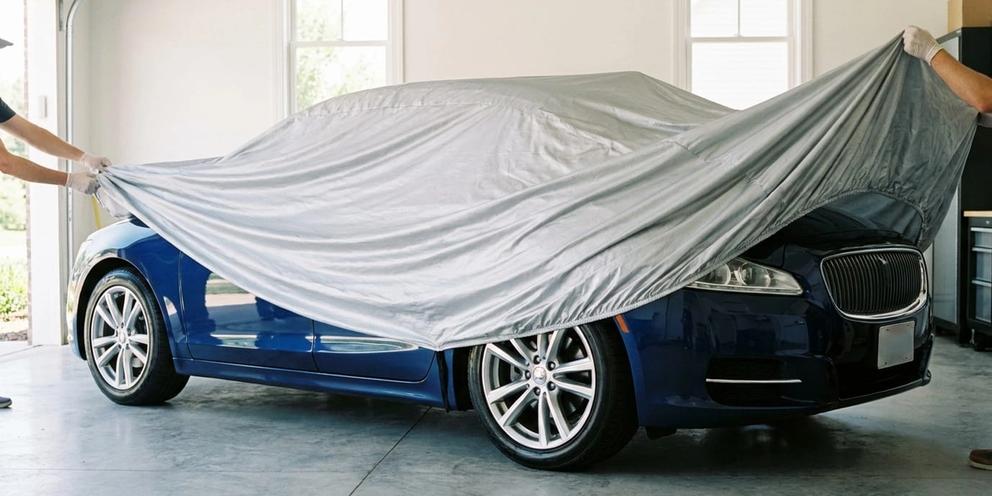
How to Clean a Car Cover: A Step-by-Step Guide (Plus Checklist)
A dirty car cover doesn't just look bad. It can quietly work against the exact thing you bought it for. If you're wondering how to clean a car cover the right way, the process is simpler than most people assume, but skipping it entirely is where the trouble starts.
Why a Dirty Car Cover Can Actually Hurt Your Paint
Here's the part nobody warns you about: a cover isn't just sitting there passively. Wind moves it. Every time it shifts against your paint, whatever's trapped underneath (dirt, pollen, tree sap, road grit) rubs against the surface like fine sandpaper. Do that for a few months and you've got faint swirl marks you can't explain, until you remember you never washed the cover.
There's a second problem, too. A cover caked in grime loses breathability. Instead of letting moisture escape, it traps it against your paint, and that's a solid setup for mold or mildew to take hold underneath.
Most covers need a light clean every one to two months if you're using them regularly. If you just drove through a heavy pollen season, parked under a tree that birds love, or dealt with road salt over the winter, wash it right after, don't wait for the next scheduled clean.
None of this requires special equipment. For most cover materials, learning how to clean a car cover is a bucket-and-hose job you can knock out in under an hour.
What You'll Need: Supplies Checklist
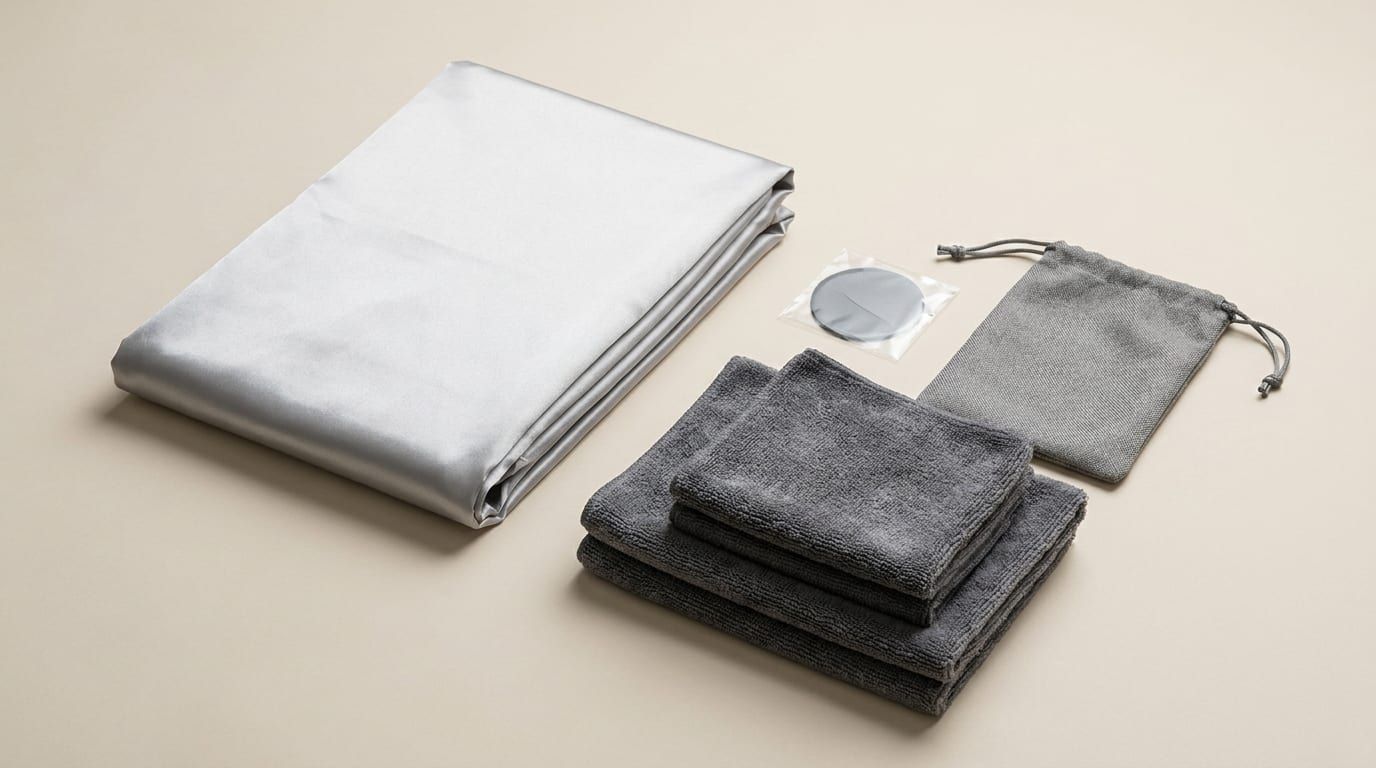
Keep the list short:
- Mild soap or a cover-specific cleaner (skip bleach, detergents with brighteners, and anything labeled as a degreaser)
- A soft-bristle brush or sponge
- A large tub or bathtub
- A garden hose
- A clean microfiber towel
Before you touch any of it, check the manufacturer's care tag or the instructions that came with your cover. Fleece-lined, satin, and multi-layer covers often carry different restrictions than a basic outdoor cover, and ignoring that tag is how people accidentally strip a waterproof coating.
If you don't already have a gentle cleaner on hand, CarCovers' car care and detailing collection carries products made to be safe on cover fabric, so you're not guessing with whatever's under the sink.
Step-by-Step: How to Hand-Wash a Car Cover
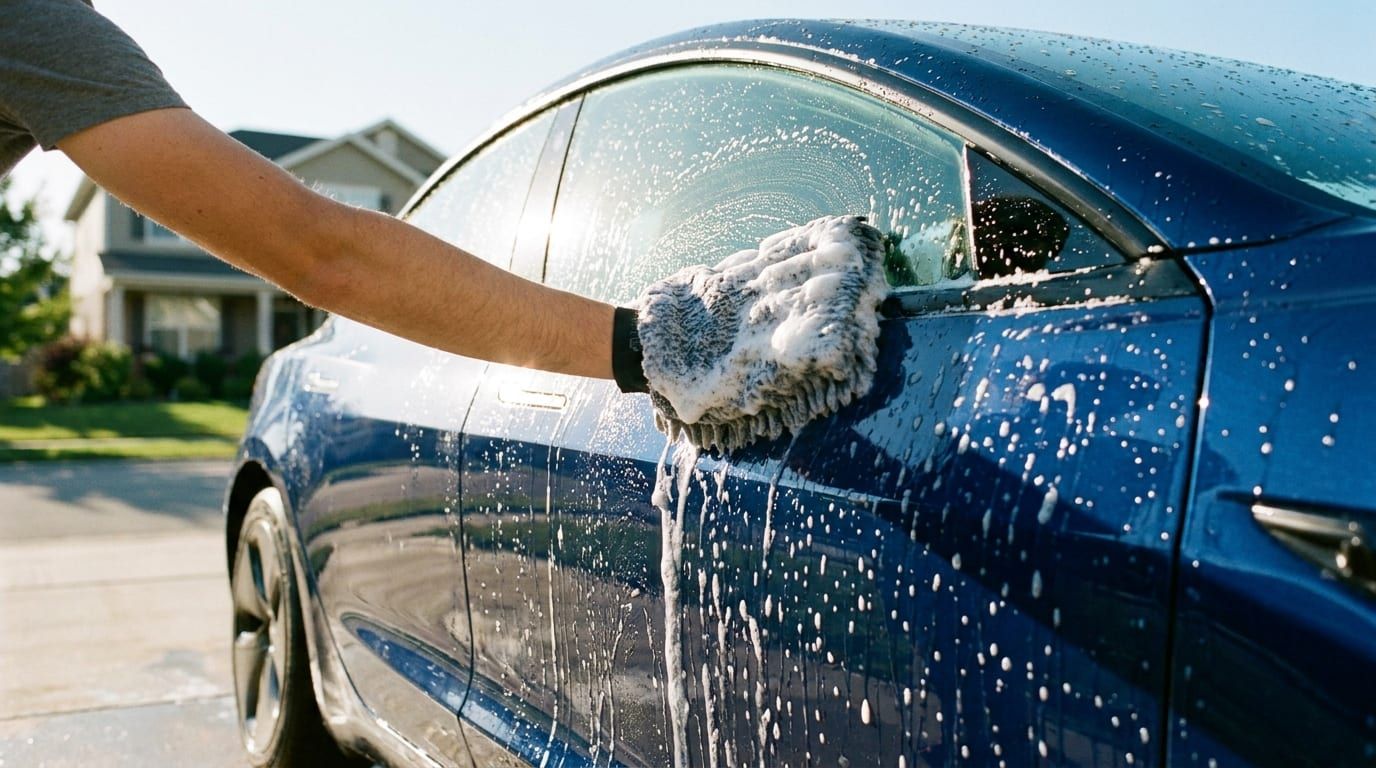
Step 1: Remove it completely. Shake off loose leaves, dust, and debris, then take the cover fully off the vehicle before you wash anything. Trying to clean it in place just pushes grit back onto the paint.
Step 2: Pre-rinse. Hose it down before any soap touches it. This loosens the bulk of the dirt so you're not grinding it in later.
Step 3: Wash by hand. Fill a tub with lukewarm water and a small amount of mild soap. Submerge the cover and gently agitate it by hand. No wringing, no twisting, just work the soap through.
Step 4: Spot-treat the stubborn stuff. Sap, bird droppings, whatever's stuck. Use a soft-bristle brush in small circles. Don't scrub hard, you'll wear down the coating faster than the stain will come out.
Step 5: Rinse until it's actually clean. Keep rinsing until no soap residue remains. Leftover detergent sitting in the fabric breaks down waterproof coatings over time, so this step matters more than people think.
That's the whole process. Five steps, no shortcuts, and it's the most reliable answer to how to clean a car cover if you want it to last.
Can You Machine Wash a Car Cover?
Sometimes, but not usually. Lightweight, universal-fit outdoor covers are occasionally machine-washable on a gentle cycle. Custom-fit covers, multi-layer covers, and fleece-lined covers usually aren't, and the tag will tell you which category you're in.
Even when machine washing is allowed, the agitator inside your washer isn't gentle. It can snag grommets, cable loops, or elastic hems, and once that happens the fit is compromised for good. If your care instructions do permit a machine wash, turn the cover inside out and put it in a mesh bag first. It's a small step that prevents a lot of damage.
Skip fabric softener entirely, and stay off high heat anywhere in the process. Both break down the water-resistant treatment that makes the cover worth owning in the first place.
The honest answer here is: check your specific cover's instructions before you default to the washing machine. Hand-washing is the safer assumption for most people, and it's what we'd recommend if you're not sure which category your cover falls into.
How to Dry a Car Cover the Right Way
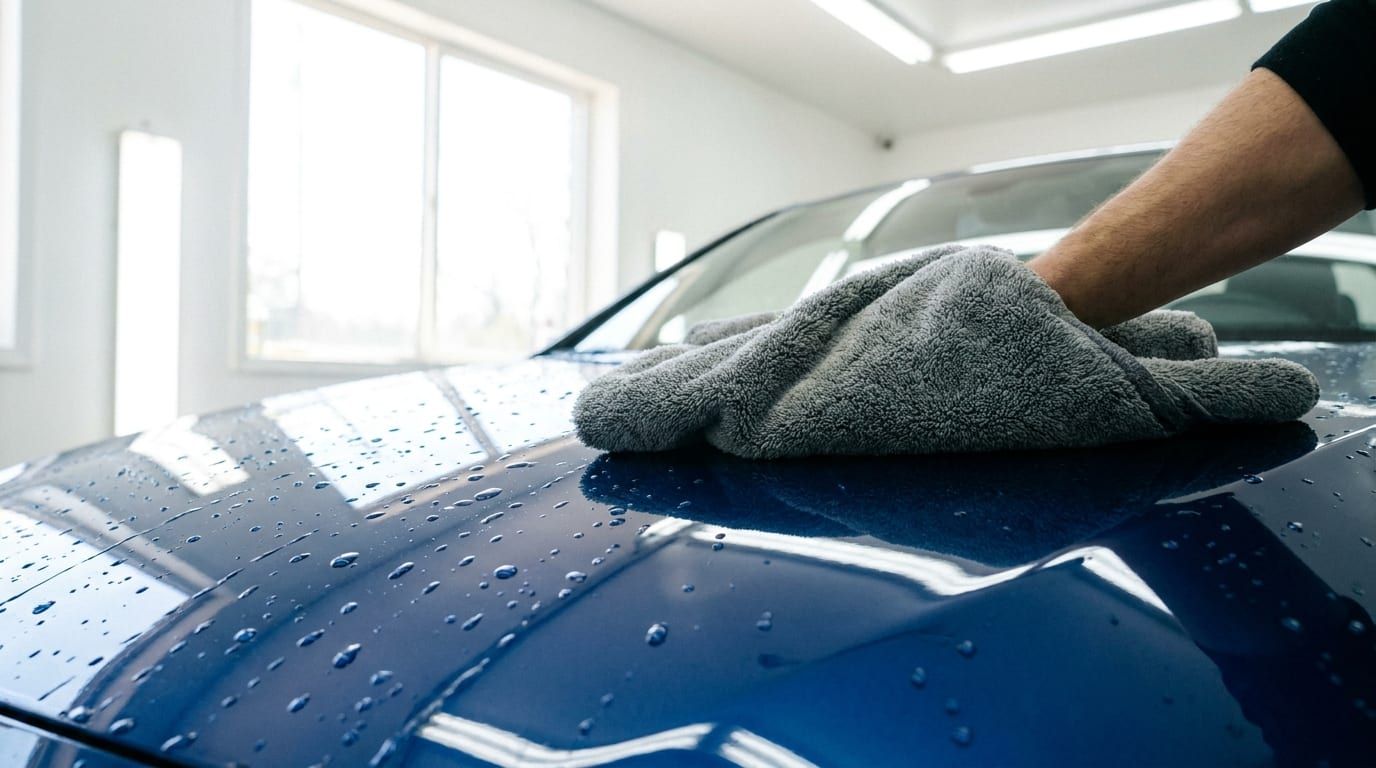
Air-dry it. Lay it flat or drape it over a railing, and don't even think about tossing it in a dryer, since heat can shrink seams and weaken the waterproof layer underneath.
Dry it in shade, not direct sun. Sun fades fabric over time, and it's especially rough on reflective or satin finishes, which can dull or discolor faster than you'd expect.
Make sure it's completely dry before you fold it or put it away. This is the step people rush, and it's the one that causes the most damage. Fold a damp cover into storage and you're basically brewing mildew in the dark. Give it a final pass with a dry microfiber towel first, it speeds up drying and picks up any leftover soap residue you might have missed during rinsing.
Quick Cleaning Checklist Recap
If you just want the short version, here it is:
- Remove cover
- Pre-rinse
- Wash with mild soap
- Spot-treat stains
- Rinse fully
- Air dry flat in shade
- Confirm fully dry
- Fold and store
Two things ruin most covers during cleaning, and it's almost always one of these: harsh detergents, or machine heat-drying. Avoid both and you've already dodged the biggest mistakes people make when figuring out how to clean a car cover.
Storing Your Car Cover After Cleaning
Once it's clean and completely dry, fold it loosely. Don't compress it tight, that just creases the fabric and can weaken seams over time. Store it in a breathable bag, not a sealed plastic bin. Sealed plastic traps whatever tiny amount of moisture is left, and you're back to the mildew problem.
Keep it away from sharp edges, rodents, and damp basement floors, all of which are more common storage hazards than people expect. If you're parking the vehicle for an extended stretch, it's worth reading through a full guide on how to properly store a car cover when it's not in use, since off-season storage has its own set of rules beyond just cleaning.
Regular cleaning isn't just about appearances. It directly extends the life of the cover's waterproofing and UV protection, which matters most if your vehicle sits outdoors year-round. Check out our guide to using a car cover outdoors for more on what outdoor exposure actually does to a cover over time.
Keep Your Cover (and Car) in Top Shape
A clean cover protects two things at once: the paint underneath it, and the cover itself. Skip the cleaning and you're shortening the life of both.
If you're also working on getting the fit right or want more on waterproofing, our installation guide and waterproof car cover guide cover the rest of the basics.
Want more of this kind of practical, no-fluff car care advice? Stick around and browse a few more guides, or take a look at cover-safe cleaning accessories next time you're restocking supplies. Either way, your cover (and your paint) will thank you.
Updated