


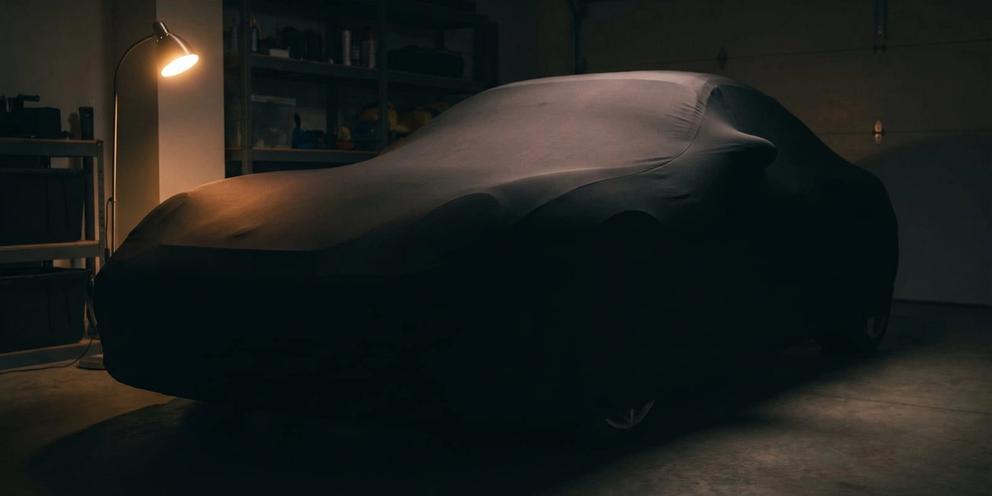
Indoor Car Cover for Cadillac CT5: Soft-Lining Dust Protection for Garage-Kept Cars
Dust doesn't care that your garage door closes. A Cadillac CT5 parked inside overnight still picks up a fine film of particulate by morning, drywall dust from nearby storage shelves, pollen tracked in on your shoes, pet hair drifting from a laundry room door left cracked open. None of it is visible until the sun hits the hood at the right angle, and by then it's already working its way into the clear coat every time a door brushes past or a gust from the opener stirs the air. That's the actual case for an indoor car cover for Cadillac CT5 owners: not weather, not theft, just the slow accumulation of grit that a closed garage door doesn't stop.
The CT5's long, flat hood and trunk lid make this worse than it'd be on a boxier SUV. Flat panels show dust and the resulting micro-scratching more obviously than textured bumper plastic, and if your CT5 is in a dark color like Stellar Black or Shadow Metallic, every bit of settled dust reads as a dull haze under showroom light. If you've already decided an outdoor cover is overkill for a garage-kept car, good, that's the right call. This article skips the general education and gets straight to what you should actually buy, on the Cadillac vehicle cover page or anywhere else you're shopping, and why an indoor car cover built for this exact job beats whatever's sitting folded in your trunk right now.
What 'Soft Lining' Actually Means on an Indoor Cover
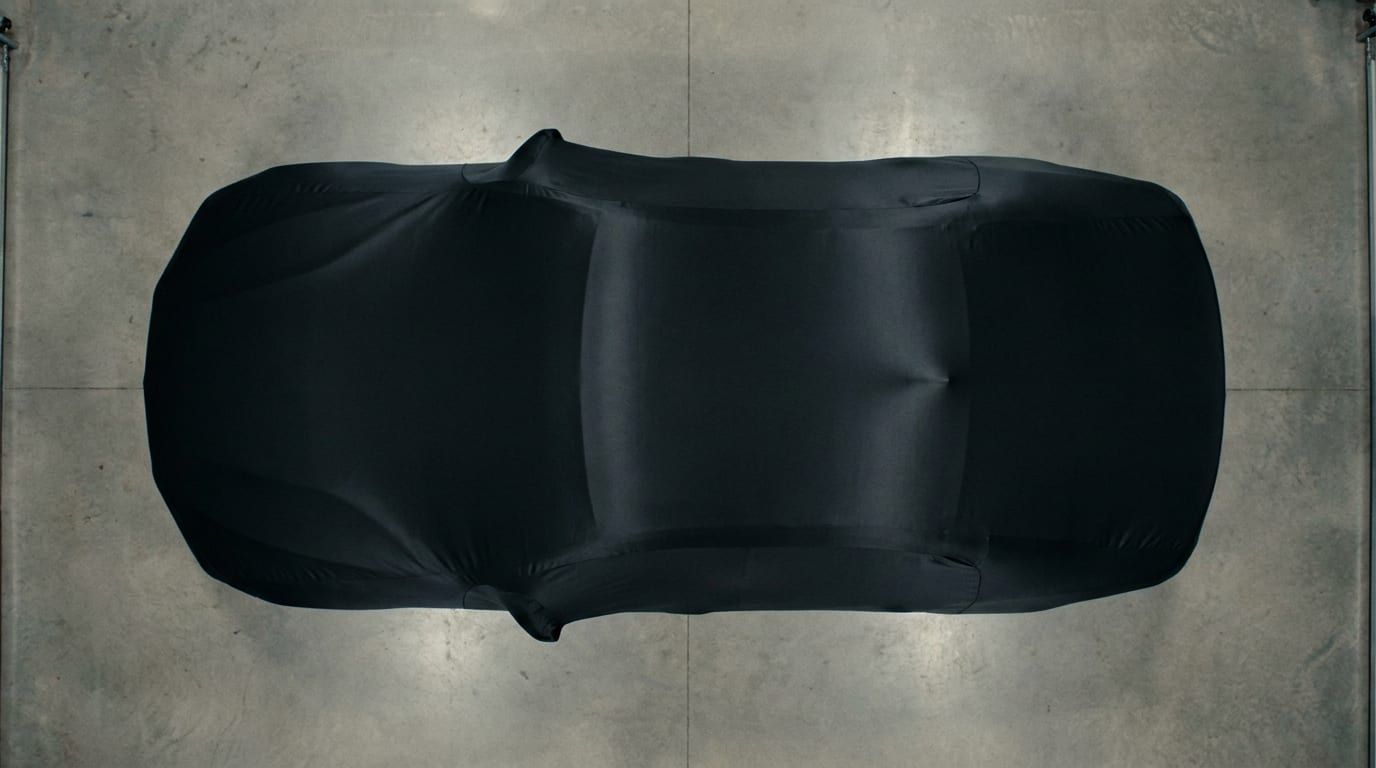
Here's what trips people up: they assume the outer shell is the important part. For indoor use, it's the inside that matters more. A proper indoor cover uses a fleece or satin inner lining bonded to a lighter outer layer, and that lining is doing most of the protective work, not the shell.
Think about what actually touches your paint. Every time wind from the HVAC system or a door swing shifts the cover even slightly, the inside surface drags across the clear coat. A rough or thin lining turns that into light sanding over months. A proper satin or fleece lining glides instead of grips, so that daily micro-movement doesn't turn into swirl marks.
This is also where a lot of cheap universal sheets fail. A thin tarp-style cover with no real lining doesn't just skip the soft touch, it actively traps whatever dust and grit are already on the paint against the surface, and then every shift of the fabric grinds that grit into the coat like fine sandpaper. The indoor black satin cover construction avoids that by keeping the inner layer soft and smooth enough that it doesn't hold debris against the panel.
One more thing people overlook: breathability. A sealed-in car in a garage builds up condensation from temperature swings, same as outdoors, just without rain to blame. A lining system that breathes lets that moisture escape instead of sitting against your paint overnight.
Custom-Fit vs. Universal Fit for the CT5
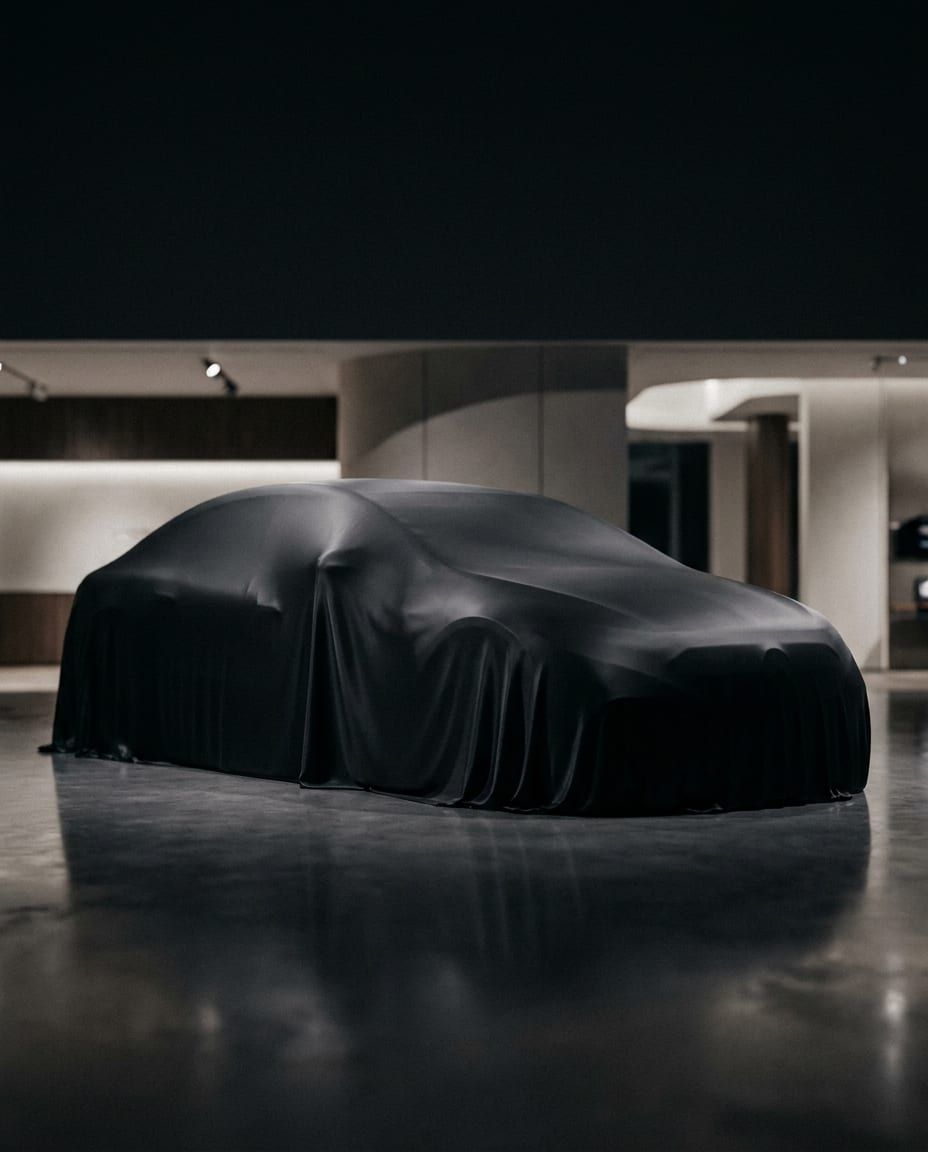
Fit precision is the difference between a cover that protects and one that just sits there looking like it's doing something. A custom-fit cover is patterned to the CT5's actual body lines, sedan roofline, specific mirror placement, the works. A universal or semi-custom cover is patterned to "mid-size sedan" in general, which means slack everywhere the CT5's shape doesn't match the generic template.
That slack matters more than it sounds like. Dust doesn't need much of a gap to drift underneath. A universal cover billowing an inch off the beltline at the doors is an open invitation for exactly the particulate you bought the cover to block. A custom-fit cover built to CT5 dimensions closes that gap because the fabric sits close to the panels instead of hovering over them.
There's a practical side too. Installing a baggy universal cover solo in a tight garage bay is a wrestling match, it bunches at the trunk, snags on the mirrors, and takes two tries to get square. A custom-fit cover drops into place in the shape it's supposed to be in. If you're doing this install and removal daily or near-daily, that difference adds up fast.
Pay a little more upfront for custom-fit. If the goal is long-term paint and interior protection and not just the lowest sticker price, it's the clear choice.
Matching Cover Tier to a Dust-Protection-Only Use Case
Not every cover tier is built for the same job, and that's where a lot of money gets wasted. Outdoor-rated shells are built with multiple layers for waterproofing and UV resistance, which is great if your CT5 sits in a driveway. It's dead weight if the car never leaves a closed garage uncovered.
| Feature | Indoor-rated lightweight cover | Outdoor-rated multi-layer cover |
| Primary job | Dust and scratch protection | Rain, UV, and wind resistance |
| Lining | Soft satin/fleece inner layer | Often single rougher layer |
| Grommets/straps | Not needed | Needed to resist wind lift |
| Typical cost | Lower | Higher |
| Best fit for garage-kept CT5 | Yes | Overbuilt for this use |
Grommets and tie-down straps exist to keep a cover from flying off in wind. Useless in a garage. If a listing is pushing hard on waterproofing specs for a car that never sees rain uncovered, you're paying for a feature you'll never use.
Use the sizing guide to confirm fitment, then prioritize lining softness and a snug fit over any weatherproof rating. For a garage-kept CT5, that's the whole decision.
Protecting Interior and Trim, Not Just Paint
Paint gets most of the attention, but dust settles on the dash and seats too, especially if the cover doesn't seal down at the beltline. Any gap around the windows or sunroof trim becomes a path for dust to drift inside over weeks of parking. A cover that's cut to actually reach the rocker panels closes that gap; one that stops short at the window line doesn't.
The CT5's exterior mirror housings and shark-fin antenna need somewhere to go too. A cover without built-in mirror pockets either stretches awkwardly over the mirrors or gets tucked underneath them, which strains the fabric right where it needs to be snug. Look for a cover pattern that accounts for both.
If your garage doubles as a space for a dog or a cat, scratch protection is its own category of concern. Claws on a thin cover go straight through to paint. A properly reinforced cover handles this, and it's worth reading up on protecting a car from cat and animal scratches if that's a regular risk in your garage.
Get the tension right and you'll also cut down on how often you're wiping down the dash and seats before a drive. That's a real time savings, not just a nice-to-have.
Installation and Long-Term Care to Keep the Lining Soft

Installation technique affects how well the lining stays soft over time. Drape the cover from front to back, not side to side, so you're not dragging fabric sideways across the hood. Settle it over the mirrors and antenna pocket first, then work the hem down toward the rocker panels, pulling snug but not stretched tight. A cover installed crooked will shift overnight and that shifting is what causes the drag marks you're trying to avoid.
Folding matters more than people think. Shake the cover out before folding it, don't just ball it up, grit left inside the fabric from the last use gets pressed into the lining fibers the next time you store it. Over months that buildup is what flattens a soft lining into something rougher.
When it's time to actually wash the cover, skip the harsh detergents and the washing machine's high-agitation cycle. A gentle hand wash or a delicate machine cycle with a mild soap keeps the lining fibers from matting down. The full method is laid out in this guide to cleaning a car cover, and it's worth following exactly if you want the lining to stay soft for years instead of one season.
How often you need to do this depends on your garage. Woodworking dust, an unpaved driveway entrance tracking grit in, pets shedding nearby: any of those means cleaning the cover itself every month or two, not just when it looks dirty. For a cleaner garage environment, every few months is reasonable. If you want the fuller rundown on using a cover indoors day to day, this guide to indoor car covers covers the rest.
Final Decision: Choosing Your Cadillac CT5 Indoor Cover
The path here isn't complicated. Custom-fit over universal, because the CT5's body lines need a pattern built for them, not a generic sedan shape. Soft satin lining over a basic shell, because that's what actually stops the micro-abrasion you're trying to prevent. Indoor-rated tier over outdoor-rated tier, because waterproofing and UV resistance are wasted spend on a car that never sees weather uncovered.
A cover backed by a real warranty is worth the extra confidence too, since this is something sitting on your car every single day, not an occasional-use item.
If you've read this far, you already know what you're looking for. Go confirm the right size and fitment for your CT5's model year and get it ordered, your paint will thank you in six months when it still looks like it did the day you parked it. And if you're the type who likes to keep learning about keeping a car looking right, it's worth poking around for more car care reading while you're at it.
Updated