


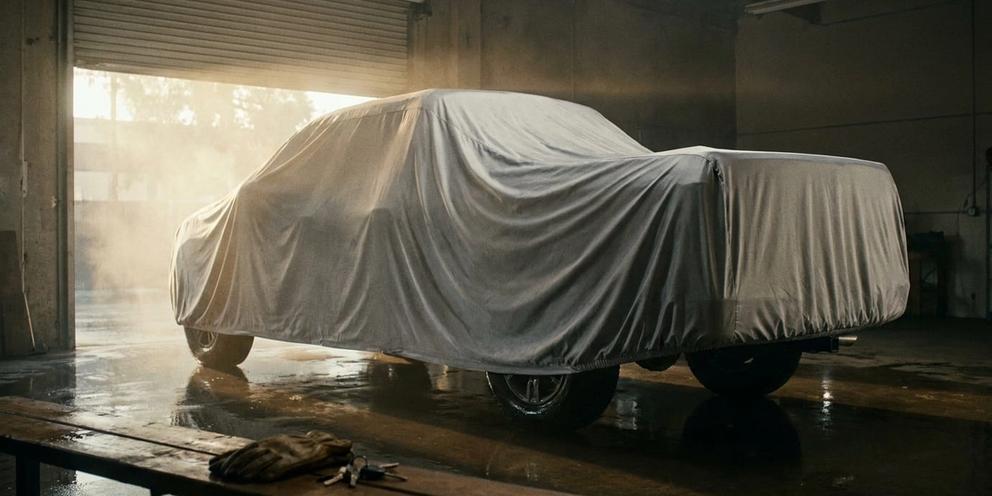
Outdoor Car Cover for Ford F-250: Waterproofing & UV Protection Guide
If your F-250 spends its nights on a driveway, job site, or open lot instead of a garage, a flimsy tarp isn't going to cut it. These trucks are built to work outdoors, but their paint and interior aren't built to survive years of unprotected sun and rain. Finding the right outdoor car cover for Ford F-250 trucks means understanding what actually blocks water and UV rays, not just what looks like it will. This guide walks through the waterproofing and sun protection details that matter before you buy.
Why Your F-250 Needs More Than a Basic Tarp Outdoors
Most F-250 owners don't have the luxury of garage parking. These trucks live on job sites, farms, and driveways, often with zero overhead cover. That means full exposure: rain, snow, hail, and hours of direct sun every single day.
The problem is scale. An F-250 has a lot of painted surface area, and all of it is soaking up UV rays and temperature swings that speed up clear coat fade and oxidation. A sedan parked outside will fade eventually. A truck this size fades faster, simply because there's more surface catching sun and less of it ever sitting in shade.
A tarp seems like a cheap fix, but it usually makes things worse. Tarps trap moisture against the paint instead of letting it evaporate, and they're not shaped to your truck's body. On an open lot or anywhere near highway wind, a loose tarp becomes a sail. It flaps, it rubs, it lets water pool in the folds sitting right on your hood or bed.
So before you shop, it helps to know what you're actually judging. Two things matter here: waterproofing (how the fabric layers and seams are built) and UV protection (how the fabric is treated and how well it holds color and strength over time). Everything else in this guide comes back to those two criteria.
What Actually Makes an Outdoor Cover Waterproof

"Water-resistant" and "waterproof" get used interchangeably in cover listings, and they shouldn't be. Water-resistant usually means a single layer of treated fabric that beads water for a while, then soaks through once the coating wears down. Waterproof means multi-layer, non-woven construction, where water simply can't find a path through the fabric no matter how long the rain lasts.
Seams are the other half of the story, and they're where cheap covers usually fail first. A cover can use a great fabric and still leak if the seams are just stitched. Sustained rain finds every needle hole. Look for covers with taped or sealed seams. That's the difference between a cover that sheds a downpour and one that lets water creep in along every stitch line during a long storm.
Here's a simple test you can actually do before buying, or right after your cover arrives: pour a small amount of water on the fabric and watch what happens. If it beads up and rolls off, the coating is doing its job. If it soaks in or darkens the fabric, that's a water-resistant product being sold as something more.
One more piece people skip: the lining. A soft fleece or brushed lining underneath the waterproof shell matters more than it sounds like it should. Without it, condensation from temperature swings gets trapped between the cover and your paint, which does the exact damage you bought the cover to prevent. If you want the full breakdown on which fabrics hold up outdoors long-term, our waterproof car cover guide goes deeper on layer construction.
UV Protection: Stopping Fade, Cracking, and Interior Heat Damage
Rain gets all the attention, but sun does the slower, more permanent damage. UV-stabilized fabric coatings are built to absorb and block those rays before they reach your paint. Without that layer, you're looking at oxidation and clear coat cracking that builds up over repeated seasons outside, not something that shows up after one bad week.
It's not just the exterior. A cover that blocks UV also keeps the cab from turning into an oven. Dash panels, seats, and steering wheels crack and fade under direct sun exposure, and a good cover stops that heat buildup before it starts.
Here's a decent way to spot a cheap cover before you even test it in the rain: check how it holds up to sun itself. Low-UV fabric fades and turns brittle within a season or two. If the cover meant to protect your truck can't survive the sun it's blocking, that says everything about how it was built.
This ties directly to resale. A truck with faded paint and a cracked dash reads as neglected, even if the mechanicals are fine. Buyers notice paint condition first. Keeping your F-250's exterior and interior in original shape with consistent UV protection is one of the cheaper ways to protect trade-in value over the years you own it.
Getting the Right Fit for a Ford F-250
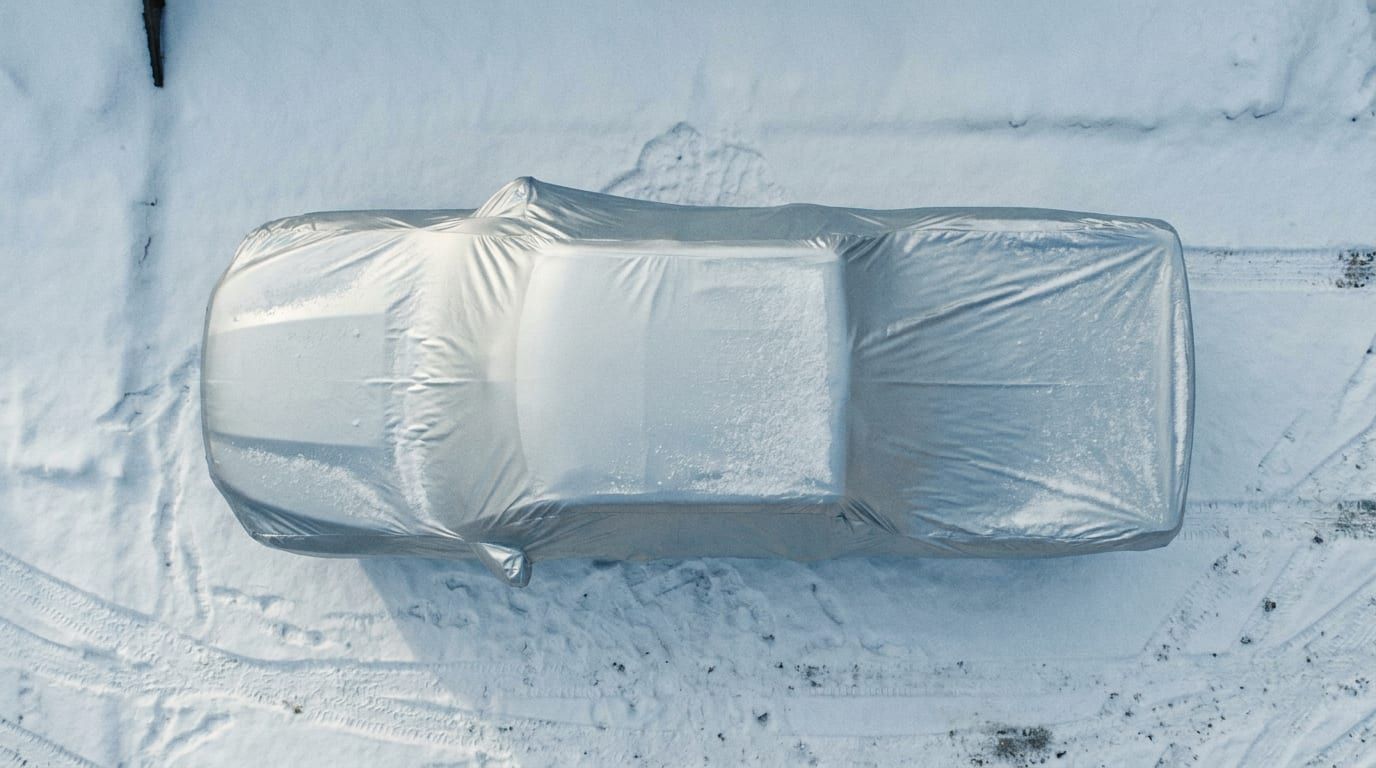
F-250s don't come in one shape. Regular cab, SuperCab, and Crew Cab all have different roof and cab lengths, and bed length runs 6.75 feet or 8 feet depending on configuration. A cover sized for one combination won't sit right on another, even though they're both "F-250s."
Fit details matter more on a truck this size than on a compact car. Mirror pockets keep the cover snug around your side mirrors instead of leaving gaps there. Antenna cutouts avoid tearing the fabric on install day. Contoured hems follow the actual body line instead of hanging loose, which is exactly where wind gets underneath and water finds its way in. Skip these details and you get flapping, chafing, and slow leaks in exactly the spots you'd expect.
Don't guess your size off a "universal fits most trucks" chart. Confirm your exact cab and bed configuration against the sizing guide for your vehicle before you buy, or check the fit specifically built for your model on the Ford F-Series covers page. A cover that's even a size off in either direction won't seal against the body, and that undoes both the waterproofing and the UV protection you paid for. Loose fabric flaps and lets rain in at the gaps. Tight fabric stretches thin and lets more UV through than it should.
Comparing Outdoor Cover Tiers for the F-250

Not every F-250 owner needs the same level of protection, and pricing usually reflects that pretty directly. Here's how the tiers generally stack up:
| Tier | Waterproofing | UV Protection | Best For |
| Entry | Light rain, dew resistance | Basic UV-resistant treatment | Occasional outdoor parking |
| Deluxe (mid-tier) | Sustained rain, snow | Stronger UV-stabilized fabric | Regular outdoor storage, mixed climates |
| Platinum (top-tier) | Heavy rain, snow, prolonged exposure | Heavy-duty UV-stabilized fabric rated for year-round sun | Full-time outdoor storage |
The other differences show up in the build details. Higher tiers add grommets for wind strap attachment, reinforced panels at high-wear points like the tailgate and roofline, and thicker fabric overall. That's not padding for the price tag, it's what actually survives years of outdoor exposure instead of one or two seasons.
Price-wise, think of entry-tier as budget insurance for a truck that's outside occasionally, maybe a weekend or a few days a month. It's fine for that. But if your F-250 sits outside year-round, the math flips. A cover that needs replacing every season costs more over time than paying for the top-tier version once. If your truck doesn't see a garage, ever, the Platinum tier is the one that actually matches how it's used. Browse the full lineup on the truck covers page to compare tiers side by side.
Installing and Securing Your Cover for the Long Haul
An F-250 is tall and boxy, which makes it more prone to wind lift than a low sedan. A cover that fits well but isn't secured properly can still billow at the corners in a gust, and repeated flapping wears through fabric fast.
Start with the basics: cinch the front and rear straps snug, not loose, and make sure the mirror pockets and hem are seated fully before you walk away. If your truck sits in an open lot or anywhere exposed to consistent wind, it's worth adding a gust strap or wind strap accessory that runs underneath the body for extra hold. It's a small add-on that solves a real problem.
For long-term outdoor storage, a support pole is worth considering too. It keeps the cover from sagging into a low point on the cab or bed, which is exactly where rainwater pools if there's nothing lifting the fabric.
A couple quick rules worth following every time: don't cover a wet truck. Sealing moisture in under the fabric defeats the purpose and can cause the exact damage you're trying to prevent. And after your first few uses, walk around and check the fit again. Fabric settles, straps loosen, and it's worth a five-minute check before you leave it covered for a week.
Warranty, Guarantee, and Final Buying Checklist
A cover built for real outdoor use should come with a warranty that actually covers materials and workmanship, not just shipping damage, for a meaningful stretch of ownership. If a company won't stand behind the fabric holding up outdoors, that tells you something about how confident they are in it. Our lifetime warranty on car covers page breaks down exactly what's covered and for how long.
A solid return policy matters just as much, especially buying something sized specifically for your cab and bed configuration. A no-hassle guarantee means if the fit's off or the fabric isn't what you expected, you're not stuck with it.
Before you check out, run through this:
- Confirm the waterproof rating matches your climate, not just "resistant" language.
- Confirm the UV protection level is built for year-round sun, not just light treatment.
- Confirm the exact cab and bed fit for your specific F-250 configuration.
- Confirm the tier matches how often your truck actually sits outside.
If you park under a carport most nights, entry or mid-tier covers most bases. If your F-250 is outside 365 days a year, don't undersell it with a budget cover. For more on handling wind, rain, and sun exposure together, our outdoor car cover guide covers the full picture.
Take the time to match the cover to how your truck actually lives outside, and it'll pay you back in paint that still looks right at trade-in time. If you're still weighing options, poke around our other truck cover guides or subscribe for more buying breakdowns like this one before you commit to a purchase.
Updated