


Outdoor Car Cover for GMC Yukon: Waterproofing and UV Protection Guide
Parking a Yukon outside isn't a small ask for a cover. This thing is huge, full-size SUV proportions, long roofline, a hatch that swings out past where most sedan covers even think to reach. If you're shopping for an outdoor car cover for GMC Yukon ownership that actually holds up, the two specs that matter most are waterproofing and UV resistance, not the fifty other features listed on the box. Let's get into what those specs really mean and which tier is worth your money.
Why Your GMC Yukon Needs a Purpose-Built Outdoor Cover
A Yukon or Yukon XL has a lot more sheet metal catching sun, rain, and tree sap than a compact crossover. That extra surface area sounds obvious, but it matters: a generic "fits most SUVs" cover sized for something smaller will come up short at the hood and gap open around the rear hatch. Water finds those gaps. So does pollen, and so does the wind.
If your Yukon lives in a driveway or on the street instead of a garage, the math changes too. Clearcoat fades under daily UV exposure. Trim pieces along the rocker panels and wheel wells soak up moisture they were never designed to sit in, especially with a tarp-style universal cover that traps condensation instead of letting it escape.
Here's the cost comparison nobody likes to think about: a solid outdoor car cover runs a few hundred dollars. A single paint correction job, or worse, pulling mold out of your headliner after months of trapped moisture, costs a lot more than that. This guide sticks to waterproofing and UV protection specifically, because those two specs are what decide whether an outdoor car cover for GMC Yukon models actually earns its keep over a few years of daily outdoor parking. If you want to see what's built for GMC specifically, GMC-specific cover options are worth a look before you commit to anything generic.
What 'Waterproof' Actually Means on a Car Cover Label

Water-resistant and waterproof get used interchangeably in product listings. They are not the same thing. Water-resistant means it'll shrug off a light drizzle for twenty minutes. Waterproof means sustained rain, snowmelt pooling on the hood, the sprinkler system hitting your bumper every morning at 6 AM, none of it gets through. If your Yukon sits outside year-round, you need the second one. Not the first.
Good waterproof car covers use a multi-layer woven fabric: an outer layer that beads water off the surface, and an inner layer that still breathes. That breathability part gets overlooked constantly, but it's the whole point. A cover that blocks water perfectly but traps condensation underneath just swaps one moisture problem for another. Your Yukon's paint and trim end up sitting in trapped humidity either way.
The failure points on cheap covers aren't usually the main fabric panel. It's the seams, the elastic hem, the grommets. That's where stitching comes undone, where water wicks through unsealed thread holes after a season or two of outdoor abuse. A cover that looks waterproof on a spec sheet but skips seam sealing will leak exactly where you'd expect: at every seam.
Skip the plastic poncho-style covers too. They look waterproof because they're literally made of plastic, but plastic doesn't breathe, and a vehicle left outside for days under one basically gets a greenhouse effect. Condensation builds, paint suffers, and you've traded rain for rust risk.
What UV Protection Needs to Cover on a Vehicle This Size
UV-stabilized fabric coatings are doing real work here, not just marketing copy. They block the ultraviolet rays that cause clearcoat oxidation over time, that chalky, dulled look you see on cars that sit outside for years without protection. On a Yukon parked outside daily, that's not a hypothetical. It's a timeline.
The windshield matters more than people assume. Yukons have a big glass area up front, and UV rays pass straight through onto the dash and front seats if there's no cover blocking that path. Dark interior trim, which a lot of Yukon and Denali trims have, absorbs heat and light faster than lighter upholstery. Combine that with the SUV's size and you get more heat buildup under the hood and inside the cabin than you'd see on a compact car with the same exposure.
Fabric color plays into this too. Lighter-colored outer shells reflect more heat than dark ones, which matters if you're in Arizona or Texas versus somewhere with mild summers. It's a real trade-off worth asking about before you buy, not an afterthought.
One thing to understand before you start comparing products: UV protection and waterproofing aren't sold as separate add-ons. They're baked into the same fabric tier. Picking a tier isn't picking "waterproofing, sort of" and "UV protection, a little." It's one decision that determines both.
Comparing Outdoor Cover Tiers for the GMC Yukon

Tiers exist for a reason, and skipping straight to the cheapest option usually means buying twice. Here's how the three common tiers stack up for a vehicle the size of a Yukon.
| Tier | Waterproofing | UV Protection | Best Use Case |
| Entry/basic | Water-resistant only, not built for sustained exposure | Minimal, light fabric treatment | Short-term or occasional outdoor parking |
| Mid/deluxe | Fully waterproof, breathable multi-layer weave | UV-treated outer shell | Daily outdoor parking in mixed climates |
| Premium/platinum | Heaviest multi-layer weave with sealed seams | Highest-grade UV-stabilized fabric, added heat reflection | Harsh sun, snow, coastal humidity, long-term outdoor storage |
The decision rule is simpler than it looks: match the tier to how many days a month your Yukon actually sits outside, and how rough your climate is. A Yukon that's outside two or three days a week in a mild coastal climate doesn't need the platinum tier. One that lives outside 365 days a year in Phoenix or coastal Florida absolutely does. Don't let price alone make this call. Underbuying here costs you a replacement cover within a year or two, and that's before you count any paint damage you didn't catch early. Browse the full range of SUV covers to compare tiers side by side before deciding.
Getting the Fit Right: Custom-Fit vs. Universal for the Yukon
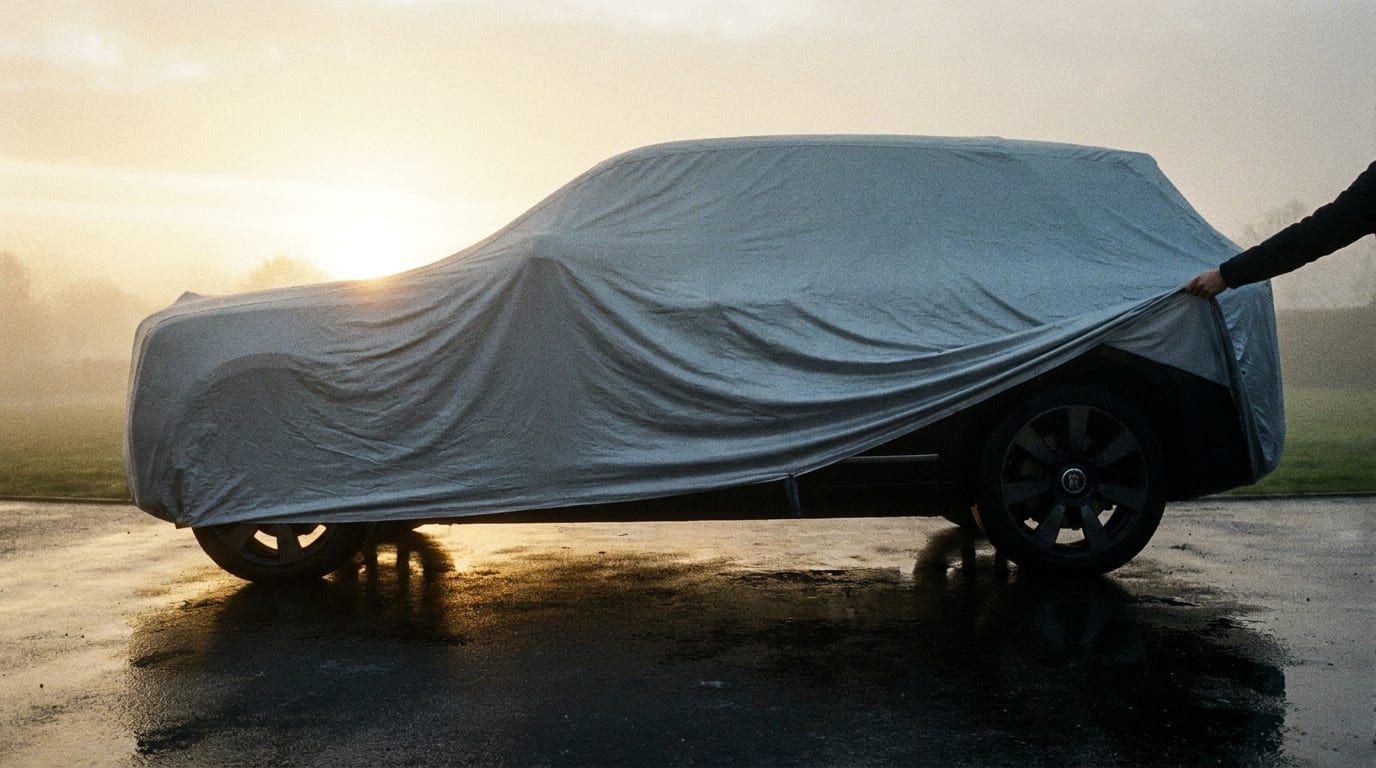
Fit matters more outdoors than indoors, full stop. A loose universal cover sitting in a garage might sag a little and nobody notices. That same loose cover outside in 30 mph wind flaps, chafes the paint, and lets rain wick in through every gap where the fabric isn't actually touching the body panel.
Custom-fit car covers built for the Yukon account for mirror pockets, antenna cutouts, and roof rack clearance, details a generic cover just doesn't bother with. If you've got a roof rack installed, check this before buying. Nothing's more frustrating than a cover that fits the body perfectly but can't close over factory roof rails.
Sizing by trim matters too. A Yukon, a Yukon XL, and a Denali don't share identical dimensions, length and roofline shift enough between them that a cover sized for the base Yukon won't properly fit the XL's extra few feet of length. Check sizing guidance by vehicle before you buy rather than guessing off the model name alone.
Once the fit is right, keep it that way. Wind straps keep a properly fitted cover from shifting or ballooning in gusty weather, and a cable lock keeps the whole setup from walking off your driveway overnight. Both are cheap insurance on a cover that's doing expensive work.
Keeping the Cover (and the Yukon) Protected Long-Term
A waterproof coating doesn't last forever if you ignore it. Rinse the cover down periodically, use mild soap, let it air dry completely before folding it back up. That's it. No harsh detergents, no degreasers, nothing that strips the waterproof treatment along with the dirt.
Don't throw it in the washing machine. Don't put it in a dryer either. Both will break down the waterproof membrane faster than regular outdoor wear ever would, and you'll void whatever protection the fabric had left. Hand cleaning takes longer, but it's the only method that doesn't actively work against the coating. Full instructions are in our car cover cleaning guide if you want the step-by-step.
Check the seams, elastic hem, and grommets every month or two. Outdoor covers take more abuse than indoor ones, obviously, so they wear faster at these exact points. Catching a frayed seam early means a quick patch. Catching it late means water gets in regardless of how good the main fabric still is.
How well you maintain the cover directly decides how long the waterproofing and UV protection actually last. Treat it well and a mid or premium tier cover should outlast its original coating by a good margin. Neglect it and even a platinum-tier cover won't make it two seasons before you're shopping again.
Choosing and Buying the Right Cover for Your Yukon
Run through the checklist one more time: how harsh is your climate, how many days a month does the Yukon actually sit outside, which trim and length are you covering, and what's your budget tier. Those four answers get you to the right cover faster than scrolling through reviews for an hour.
If you're still unsure about fit or fabric performance, look for a no-hassle return policy before you buy, so a wrong call on sizing doesn't cost you anything beyond the time it takes to send it back.
Ready to compare options sized specifically for your Yukon? Find the right cover and filter by vehicle to skip the guesswork entirely.
Waterproofing and UV protection are the two specs that decide whether an outdoor cover is worth buying at all. Get those right, and everything else (straps, locks, fit tweaks) is just making a good choice last longer. If you found this useful, stick around the blog for more guides on keeping your vehicle protected through whatever your climate throws at it.
Updated