


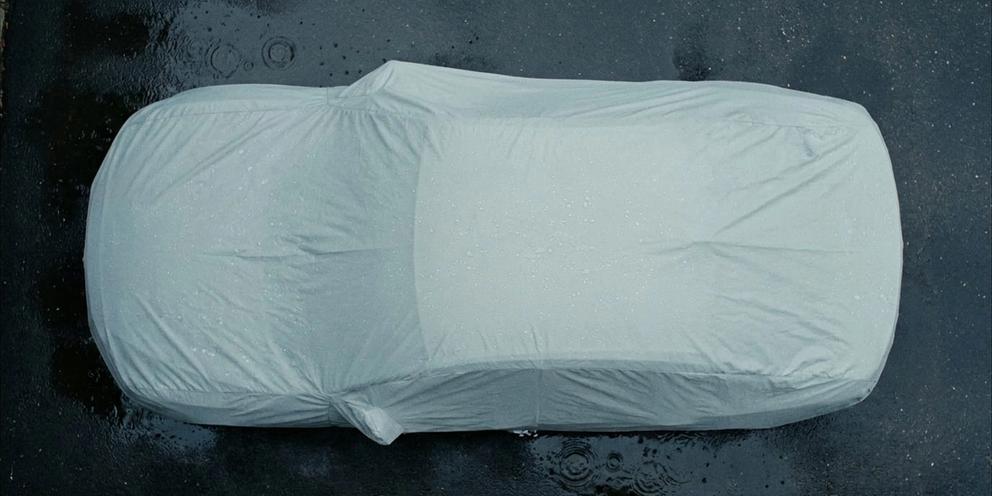
The Most Affordable Car Cover for a BMW X5 (Without Buying Junk)
Covering a BMW X5 shouldn't cost more than a car payment. But it also shouldn't cost so little that you're draping a glorified trash bag over a $50,000 SUV. There's a real middle ground here, and finding the most affordable car cover for a BMW X5 means knowing where that middle ground actually sits. This guide walks through real price ranges, the quality floor you shouldn't drop below, and how to avoid buying the same cover twice.
Why an X5 still needs a cover even on a tight budget
Do the math for a second. A decent cover runs somewhere between $60 and $150. A single paint correction after sun damage or tree sap can run past that in one visit. A hailstorm deductible on a BMW claim? Worse. So even if money's tight, a cover is still the cheaper bet.
It doesn't matter if you're driving an E53, an E70, an F15, or the current G05. Plenty of X5 owners don't have a garage. Apartment lots, street parking, driveways with no overhang, all of it adds up to real exposure, and "budget" doesn't mean "exempt from weather."
This guide isn't about finding the cheapest listing on Amazon. It's about finding real protection at the lowest price that's still honest. And because the X5 is a tall, wide SUV, not a sedan, "affordable" means something slightly different here too. More surface area means more fabric, which means the bargain-bin price point for a sedan cover doesn't translate directly to an SUV cover. Keep that in mind before you compare prices across body styles.
What 'affordable' should still mean: the minimum quality bar
Cheap doesn't have to mean flimsy. But there's a floor, and some listings sit below it.
At minimum, you want multi-layer woven or laminated fabric. A single-ply tarp with a car-shaped cut is not a car cover, it's a tarp. You also want a UV-resistant coating, since unprotected fabric breaks down in sunlight almost as fast as unprotected paint does. And you want water-resistant treatment that holds up past the first few washes, not a coating that wears off by month two.
Seam construction matters more than people expect. Taped or double-stitched seams are what keep water out at the roofline and the hood gap, which are the two spots where cheap covers fail first. Elastic hems or strap-and-grommet tie-downs matter too. The X5 has tall sides, and wind gets underneath a loose cover fast. Without a way to cinch it down, you'll find your cover in the neighbor's yard.
One more thing worth knowing before you shop: "waterproof" and "water-resistant" are not the same claim, and a lot of budget listings blur the line on purpose. If you want the real difference spelled out, it's worth a look at what actually makes a cover waterproof before you trust a product page's wording.
What you'll actually pay for an X5 cover: the real price tiers
Pricing on X5 covers breaks down into three rough tiers. Here's how they typically shake out:
| Tier | Price range | What you get | Best for |
| Tier 1 | $30 to $60 | Universal or semi-universal fit, lighter fabric | Short-term use, indoor storage only |
| Tier 2 | $60 to $120 | Semi-custom SUV-length fit, mid-weight multi-layer fabric | Regular outdoor use in mild climates |
| Tier 3 | $120 to $250+ | True custom fit for your X5 generation, heavier weatherproof fabric, mirror pockets, antenna patch | Daily outdoor exposure, harsher weather |
Tier 1 covers aren't junk by default, they're just limited. Fine for a car that mostly lives in a garage and occasionally needs a dust cover. Push them outdoors every day and they'll show wear within a season.
Tier 2 is where most X5 owners land, and for good reason. It's the sweet spot between cost and real-world durability.
Tier 3 is where you stop compromising on anything, but you pay for it.
Here's a tip that actually saves money without lowering quality: check clearance inventory before you settle for a tier 1 universal cover. Past-season tier 2 and tier 3 stock often gets marked down to tier 1 prices. Same cover, same fabric, just last year's packaging.
Custom-fit vs. universal: which one is actually the better deal for an X5
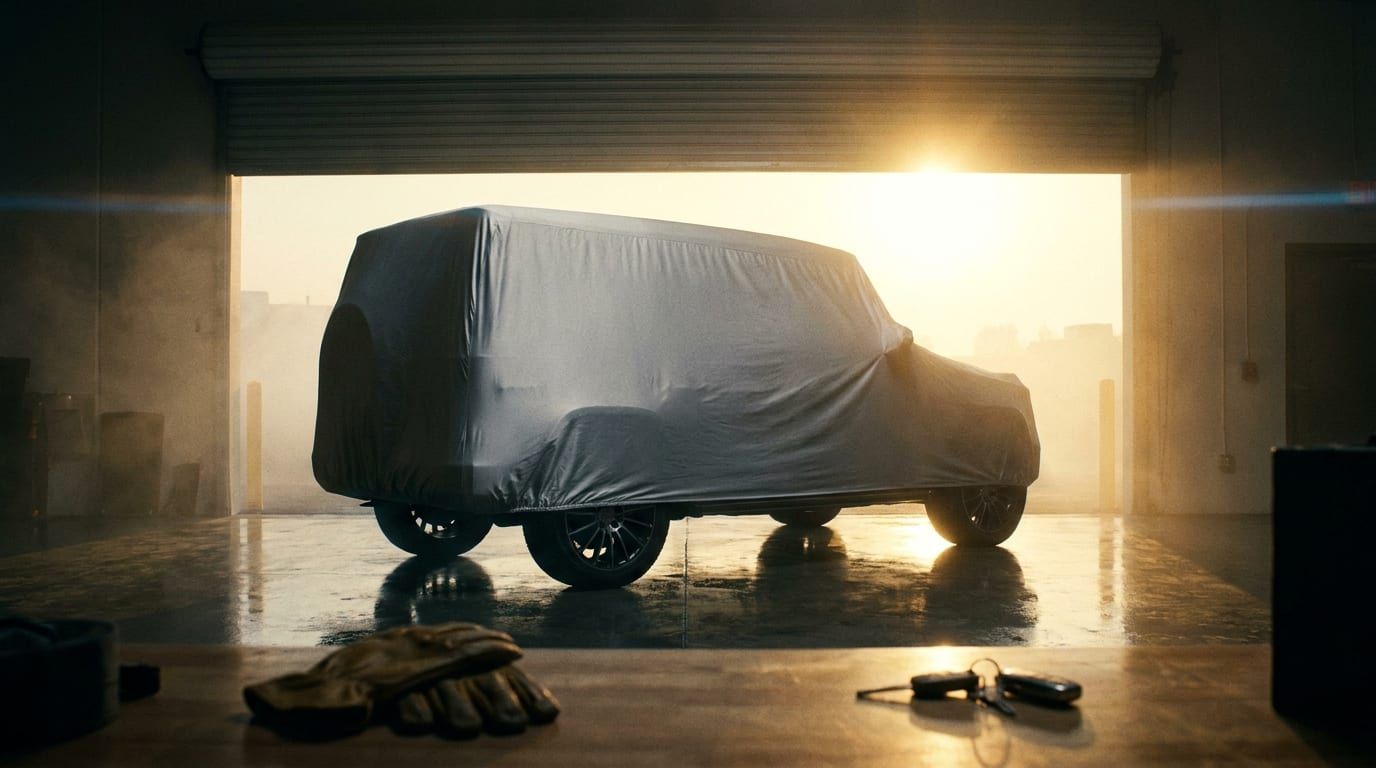
A universal cover looks like the obvious budget choice. Lower upfront price, fits "any SUV," done.
Except it rarely stays a good deal. Universal covers sag at the corners and flap in the wind because they're cut for a generic shape, not the X5's actual lines. On a car this size, that flapping causes friction, and friction wears through fabric fast. You end up replacing a universal cover sooner than you would a fitted one, and the per-year cost flips in favor of the fitted option.
A semi-custom or custom-fit cover built for the X5's specific body generation cuts down on that flap and chafing almost entirely. Less movement means less wear at the mirror pockets, the antenna area, and the roofline, which are exactly the spots that fail first on a universal cover.
Before buying anything, run your X5 through a size and fit lookup to confirm the mirror pockets and antenna placement actually match your model year. The E70 and G05 aren't the same shape, and a cover built for one won't sit right on the other. If you want to see what's actually built for the brand, BMW-specific SUV covers are worth a look before you default to a generic size chart.
Getting the fit right on the first purchase is the real affordability move here. A second cover because the first one didn't fit costs more than just buying the right one upfront.
Where to actually save money without cutting protection
Not every X5 owner needs the same cover, and that's actually good news for your budget.
If your car lives in a garage or carport, you don't need heavyweight outdoor-rated fabric. An indoor cover is lighter, cheaper, and does the job of blocking dust and scratches without paying for weatherproofing you'll never use.
Same logic applies to seasonal use. If you're only covering the X5 for winter storage or a few months of street parking, a mid-tier cover is a reasonable call instead of stretching for the premium all-weather option. You're not asking it to survive five years of daily sun exposure.
Skip add-ons that don't match your situation too. Cable locks and solar-reflective tech sound useful, but if your car is in a locked garage or a mild climate, you're paying for features you'll never need. Match the cover to your actual conditions, indoor versus outdoor, rather than defaulting to the most loaded option on the page because it feels like better value.
Red flags: when 'cheap' stops being 'affordable'

Some signs mean walk away, no matter how good the price looks.
No stated fabric layer count or weight (GSM) is the biggest one. If a listing can't tell you what the material actually is, it's usually because the material isn't worth bragging about. Thin, single-ply fabric doesn't hold up, and sellers who skip that spec know it.
No warranty or return policy is a dealbreaker on its own. A seller who won't stand behind their product for even a basic return window probably knows the durability won't hold up either. Check for a no-hassle return policy before you buy, not after the fabric starts fraying.
Generic "one size fits most SUVs" listings deserve skepticism too. An X5 is not the same shape as a Highlander or a CR-V, and a cover that claims to fit all of them probably fits none of them well. That's the fastest path to premature wear and buyer's remorse, and it's exactly the trap a genuinely affordable car cover for a BMW X5 is supposed to help you avoid.
Making a budget cover last longer
A budget cover that's cared for will outlast a premium one that's neglected. Folding and storage matter more than people think. Balling it up and stuffing it in a trunk corner creates fold creases that weaken fabric over time. Fold it the way it came, or close to it.
Washing matters too. Mild soap, hand wash or gentle hose-down, no harsh detergents, and definitely no washing machine. Those coatings that make the fabric water-resistant wash off under heat and agitation, and once they're gone, they're not coming back. If you want the specifics, there's a full cover cleaning guide worth following step by step.
Check seams and elastic hems every few months. Small fraying caught early is a five-minute fix with a needle and thread. Ignored, it turns into a torn cover by the time the next storm rolls through.
Find the right fit for your BMW X5
The whole decision comes down to three things: match the fabric to where your car actually parks, confirm the fit by generation instead of guessing, and never skip the warranty check. Do those three and you'll land on real protection instead of a cover that looks cheap in a year.
If you're still not sure which cover fits your specific X5, run it through a size and fit tool before checkout rather than guessing off a universal listing. It takes two minutes and saves you from buying twice.
And if you're the type who likes comparing options side by side before committing to anything, it's worth browsing a few BMW-specific and SUV cover lineups to see where the price tiers actually land for your model year. Subscribe or poke around the rest of the car care articles while you're at it, there's more here on keeping an X5 looking right for less than you'd think.
Updated