


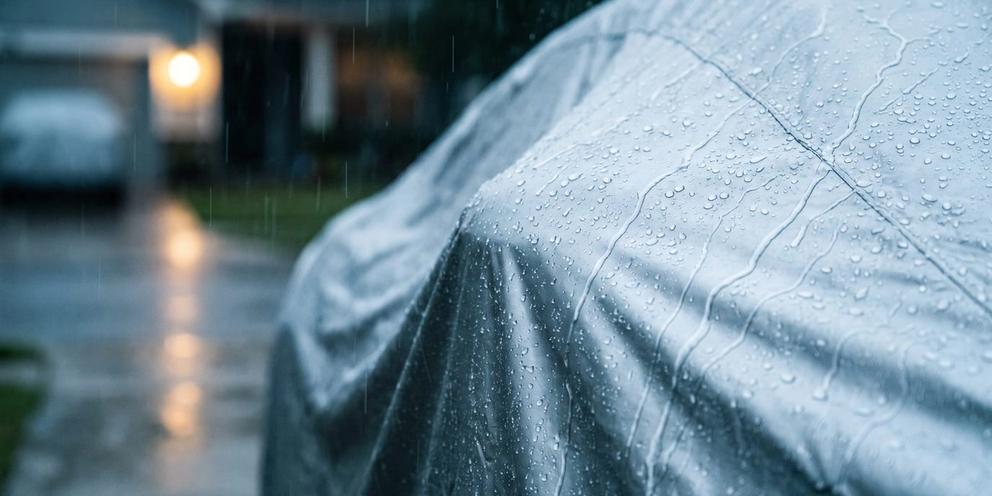
Waterproof Car Cover for Hyundai Tucson: Climate-Specific Protection Guide
Why Your Hyundai Tucson Needs More Than a Basic Cover
The Tucson gets used hard. It's a school run vehicle, a grocery hauler, a road trip SUV, and for most owners, it sleeps outside. That daily-driver reality means your Tucson is soaking up whatever your region throws at it: rain in Seattle, snow in Denver, relentless sun in Phoenix, pollen everywhere in the South. A basic cover doesn't account for any of that. It just sits there.
Here's the problem with the cheap tarp-style option a lot of people grab first: it traps moisture underneath instead of keeping it out. That trapped humidity sits against your paint and trim for hours, sometimes days, and does more damage than leaving the Tucson uncovered entirely. A thin universal cover isn't much better since it usually can't seal at the edges the way a real waterproof car cover for a Hyundai Tucson needs to.
So this guide isn't about picking whatever cover has the lowest price tag. It's about matching the material, the fit, and the features to your actual climate and parking situation, because that's what determines whether the cover helps your Tucson or quietly works against it.
Climate-Specific Threats Your Tucson Faces
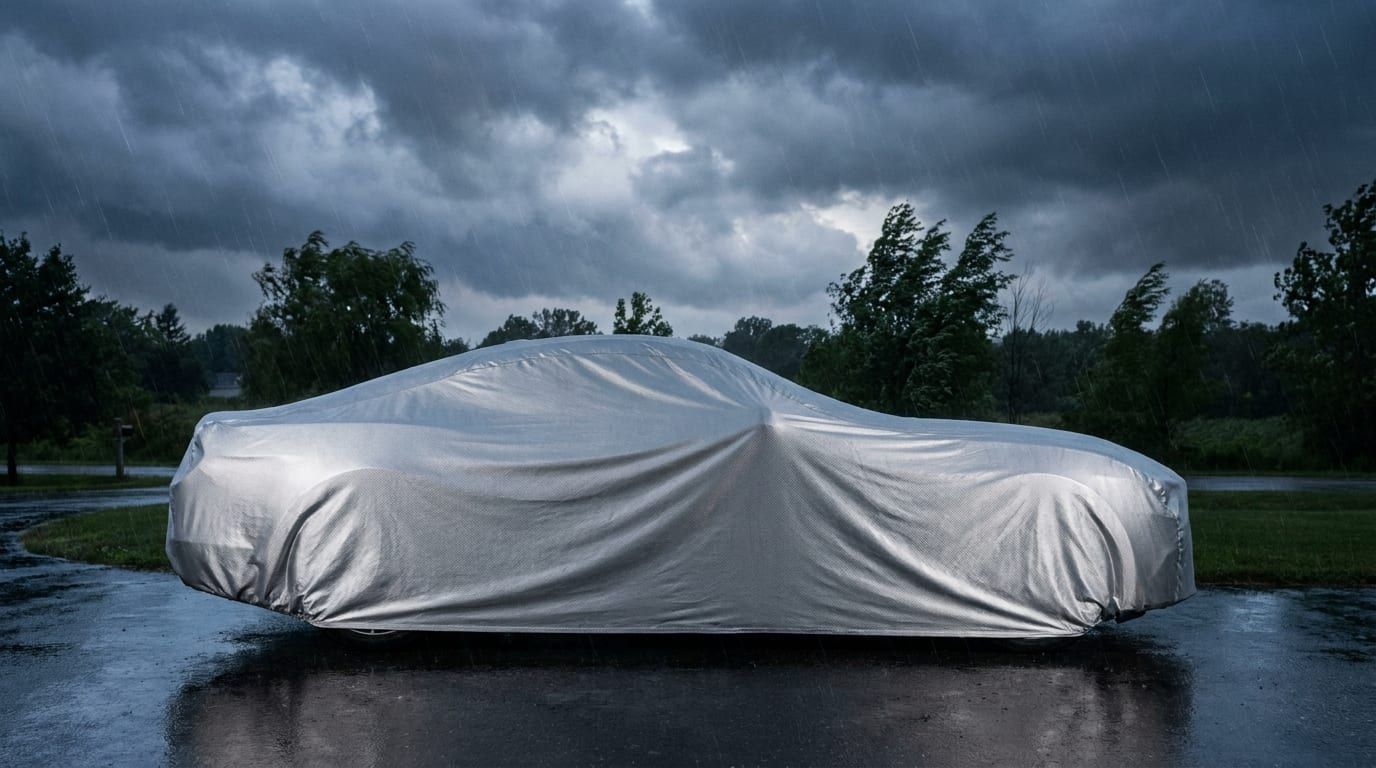
Different climates attack a Tucson in different ways, and it's worth knowing which threats apply to you before you buy anything.
Humid or coastal regions deal with near-constant moisture. That means mold and mildew risk on the fabric itself, plus rust creeping in around wheel wells and the lower trim panels that sit closest to standing water and road spray. A cover that doesn't breathe just adds to the problem here.
Cold and snowy regions bring a different fight. Ice can build up on the cover surface, and freeze-thaw cycles put stress on door seals if moisture gets trapped underneath. Snow load matters too. A few inches of wet snow sitting on a lightweight cover puts real weight on the fabric, and cheaper materials will sag, stretch, or tear under that.
Hot, sunny, and desert climates are a slower kind of damage. UV exposure breaks down your clear coat over time, cracks dashboard plastic, and fades interior fabric right through the windshield and windows. You won't notice it in a week. You'll notice it in two years when the paint looks chalky and the dash has hairline cracks.
Mixed-climate regions, think the Midwest or parts of the Northeast, need a cover that can handle a downpour in April and dry, high-UV heat in July without breaking down faster from doing double duty. This is where a lot of "good enough" covers fail, because they were built for one kind of weather, not two.
What Actually Makes a Car Cover Waterproof
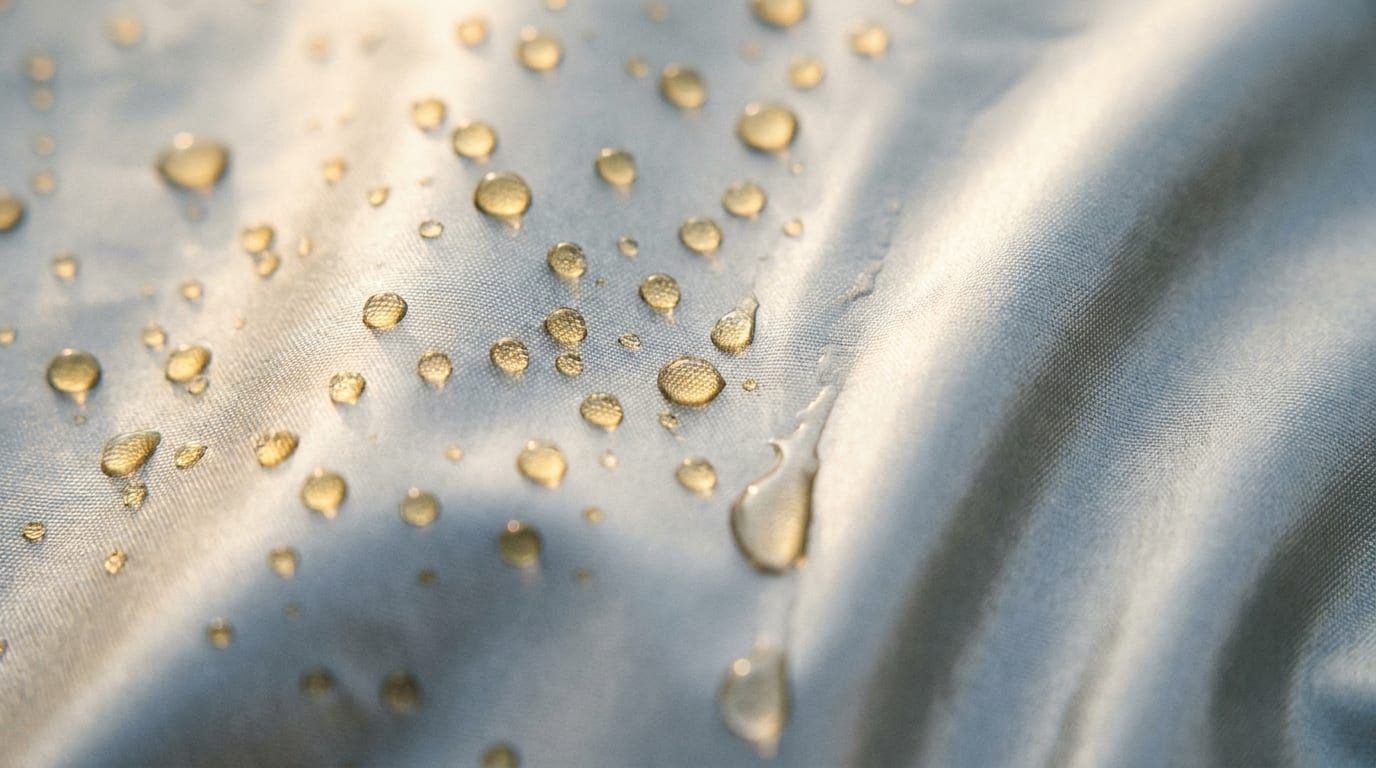
"Water-resistant" and "waterproof" get used interchangeably in product listings, and they shouldn't be. Water-resistant fabric holds up fine in light rain or dew, but it'll wet through in a real downpour. A truly waterproof car cover for a Hyundai Tucson uses seam-sealed, multi-layer laminate fabric that keeps water out entirely, not just slows it down.
Here's the part people miss: breathability still matters, even on a waterproof cover. If the fabric blocks water but doesn't let vapor escape, you get condensation trapped against the paint, which is basically the same problem as using no cover at all, just with extra steps. The better waterproof fabrics are engineered to block liquid water from getting in while still letting trapped moisture vapor out.
The other details that separate a real waterproof cover from a marketing claim are the small ones: reinforced seams that don't become entry points for water, a coated underside that adds a second layer of protection, and elastic hems that cinch tight instead of leaving gaps for water to wick in at the edges. Skip any of those and water finds a way in eventually, usually right where you'd least expect it, like the wheel arches or the front edge of the hood.
If you want the deeper breakdown of how waterproofing, wind resistance, and UV protection work together on an outdoor-parked vehicle, the guide to using a car cover outdoors covers it well. And if you're comparing raw fabric types, this look at waterproof fabrics is worth a read too.
Getting the Right Fit for a Hyundai Tucson
Fit isn't a nice-to-have on a waterproof cover. It's the difference between the cover working and the cover failing. A compact SUV like the Tucson has a specific roofline curve, and a cover that's too loose will flap in wind, work moisture toward the seams, and let water pool in the low spots instead of running off.
A few Tucson-specific things worth checking before you buy: mirror pockets that actually match where the Tucson's mirrors sit, antenna cutouts if your model has a shark-fin or standard antenna, and enough clearance around the roof rails if your trim has them. These sound minor until you're standing in your driveway at 6am trying to force a cover over a roof rack it wasn't built for.
Model year matters more than people expect, too. Tucson rooflines, spoiler shape, and available roof rack setups have shifted across generations, which affects how accurately a semi-custom cover fits versus a true custom-fit option. If you're not sure which category your Tucson falls into, the sizing guide walks through how to confirm your measurements before you commit to anything.
Features Worth Adding Based on Your Climate
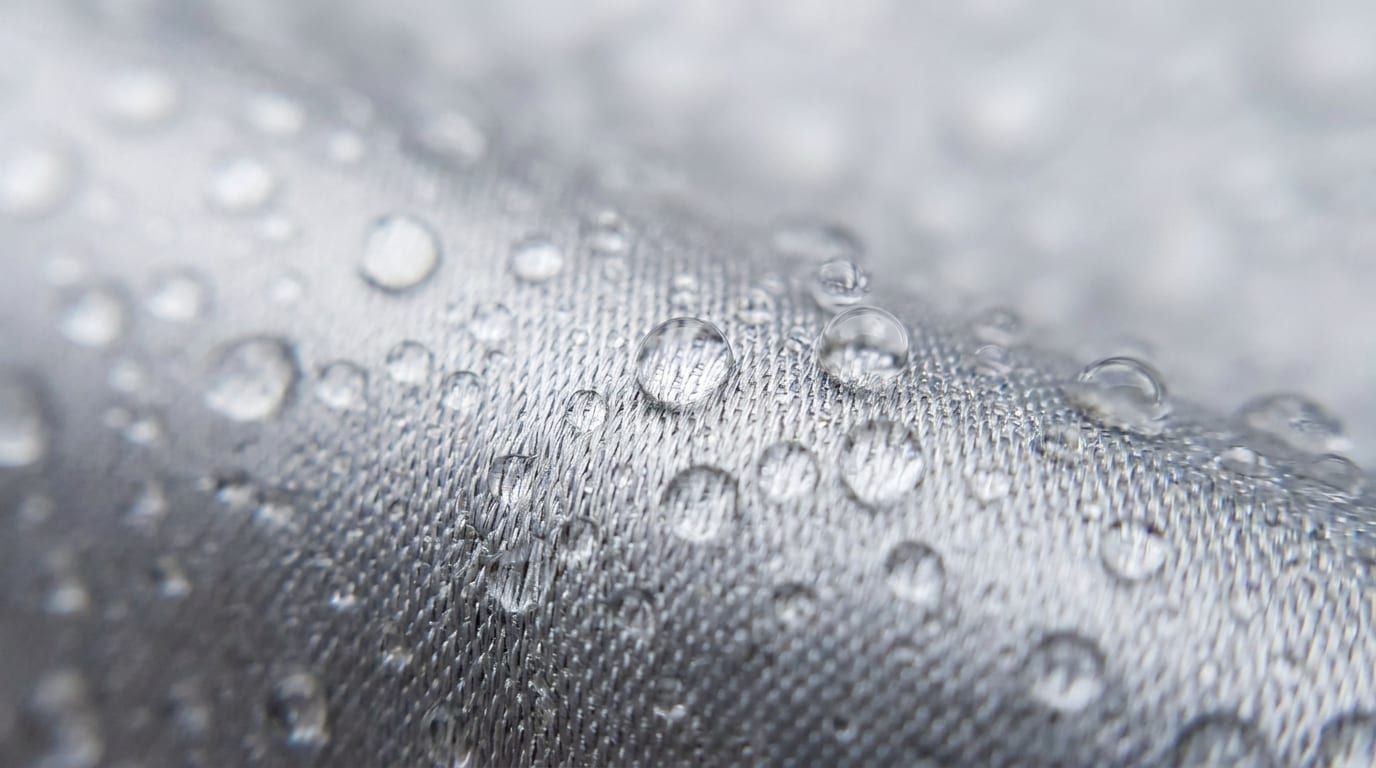
Once you've nailed down fit and waterproofing, the extras are where you tailor the cover to where you actually live.
If you're in a sun-heavy climate, a reflective or UV-resistant top layer isn't optional, it's the whole point. That layer is what keeps your clear coat from chalking and your dash from cracking.
Storm-prone or high-wind areas need reinforced grommets and tie-down straps. Without them, wind gets under the cover's edge and the whole thing becomes a giant sail, which defeats the purpose fast and can scratch the paint in the process.
Street parking in a city? An anti-theft cable and lock adds a layer of security most driveway parkers don't need but urban owners genuinely do. It won't stop everything, but it's a real deterrent.
And think about your own habits. If you're covering and uncovering the Tucson daily, you want something that goes on and off in under a minute, ideally with a storage bag included so it's not balled up in your trunk. If it's long-term seasonal storage, that convenience matters less than raw protection.
Choosing Based on Where You Actually Park
This is the question that should shape your decision more than any spec sheet: where does your Tucson actually sleep at night?
Driveway or street parking with no overhead shelter means full waterproofing and UV protection are non-negotiable. There's nothing standing between your Tucson and the weather except the cover, so this is where a real outdoor-rated cover earns its price. The outdoor car covers guide breaks down what to look for if this is you.
Garage or carport storage is a different situation entirely. If rain exposure is minimal, a lighter indoor-style cover might do the job, mainly protecting against dust and minor scratches rather than weather. Check the indoor car covers guide if that's closer to your setup.
Seasonal situations need their own logic. A Tucson that sits in the garage all winter and only comes out for summer road trips has different needs than one parked outside year-round. Match the cover to how much time it's actually spending exposed versus protected, not to a one-size-fits-all assumption.
Finding the Right Waterproof Cover for Your Tucson
The right choice comes down to three things stacked together: your climate, where you park, and getting a fit that's actually built for a Tucson's shape and model year. Skip any one of those and you end up with a cover that looks right on paper but underperforms in your driveway.
If you're ready to start narrowing things down, the Hyundai vehicle page is a good place to browse Tucson-fit options directly. And if you're on the fence about spending more for a higher-tier waterproof cover, it's worth knowing what warranty coverage applies, since that's real protection for your investment, not just the vehicle's.
Take a few minutes to compare your options against your actual climate and parking setup before buying. It's a small step that saves you from replacing a cover, or worse, fixing paint damage, a year down the road.
Updated