


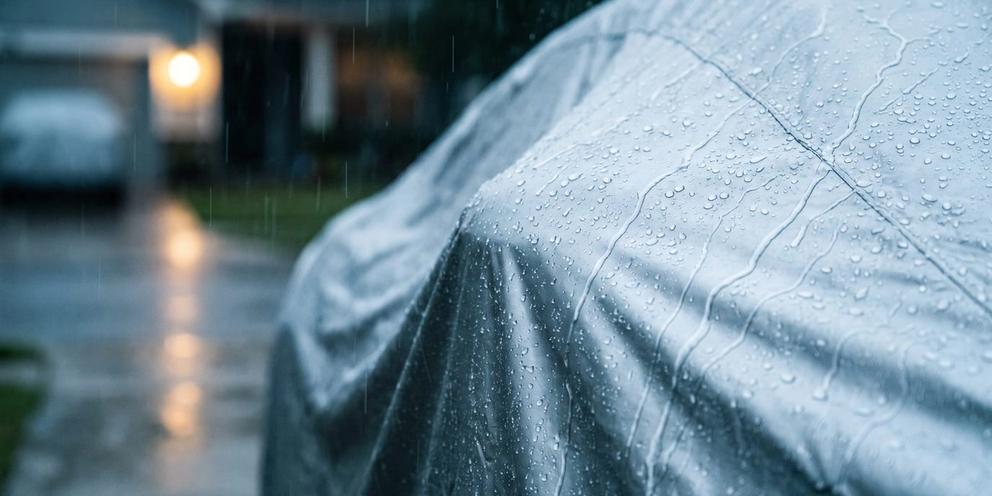
Waterproof Car Cover for Nissan Rogue: Climate-Specific Protection Guide
Why Your Nissan Rogue Needs Climate-Specific Cover Protection
Park a Rogue outside for a few months and you'll start to see it: chalky patches on the Gun Metallic paint, a roof rail that's lost its shine, bumper cladding gone dull and gray. The clear coat and plastic trim on this SUV take a beating from sun, rain, and (if you're anywhere near a winter road crew) salt spray. None of that stops just because the vehicle's sitting still.
A lot of owners reach for whatever tarp or generic cover is cheapest, figuring waterproof is waterproof. It isn't. A poorly matched cover traps moisture right against the Rogue's body panels, which is worse than no cover at all, since now you've got condensation with nowhere to go, quietly working on the paint and the metal underneath. The real question isn't "is this waterproof," it's whether a waterproof car cover for Nissan Rogue actually fits your climate, not just your budget.
That's the lens for this guide. We'll walk through what waterproofing actually means on a spec sheet, how rain, snow, humidity, and sun each demand different things from a cover, and how to land on the right fit and installation habits so the cover does its job for years, not months.
What Actually Makes a Car Cover Waterproof
Most covers on the market use one of a few material families: multi-layer polypropylene, PEVA or vinyl-backed fabrics, and breathable laminates that sandwich a waterproof membrane between softer outer and inner layers. Each behaves differently once weather actually hits it. You can read more about how these fabrics stack up in our breakdown of waterproof fabric types.
Here's where a lot of buyers get tripped up: "water-resistant" and "waterproof" are not the same claim, even though packaging likes to blur the line. Water-resistant means it'll shrug off dew and a light drizzle. Waterproof means it holds up under sustained rain and standing water without soaking through. If you're parking outdoors regularly, you want the second one, not the first one with better marketing.
Breathability matters just as much, and it's the part people forget. A fully sealed, non-breathable cover can trap condensation underneath it, and trapped moisture sitting on paint for days does damage that looks a lot like a leak, even though no rain got in. The best waterproof car cover for Nissan Rogue owners will block water from outside while still letting vapor escape from inside.
Then there's seam construction, which is honestly where cheap covers die first. Taped or double-stitched seams hold up. Single-stitched seams on a bargain cover will start wicking water within a season, right along the thread line. Check that detail before you check the price tag. Our guide to waterproof car covers goes deeper on how to evaluate these claims before buying.
Climate-Specific Protection: Rain & Humidity
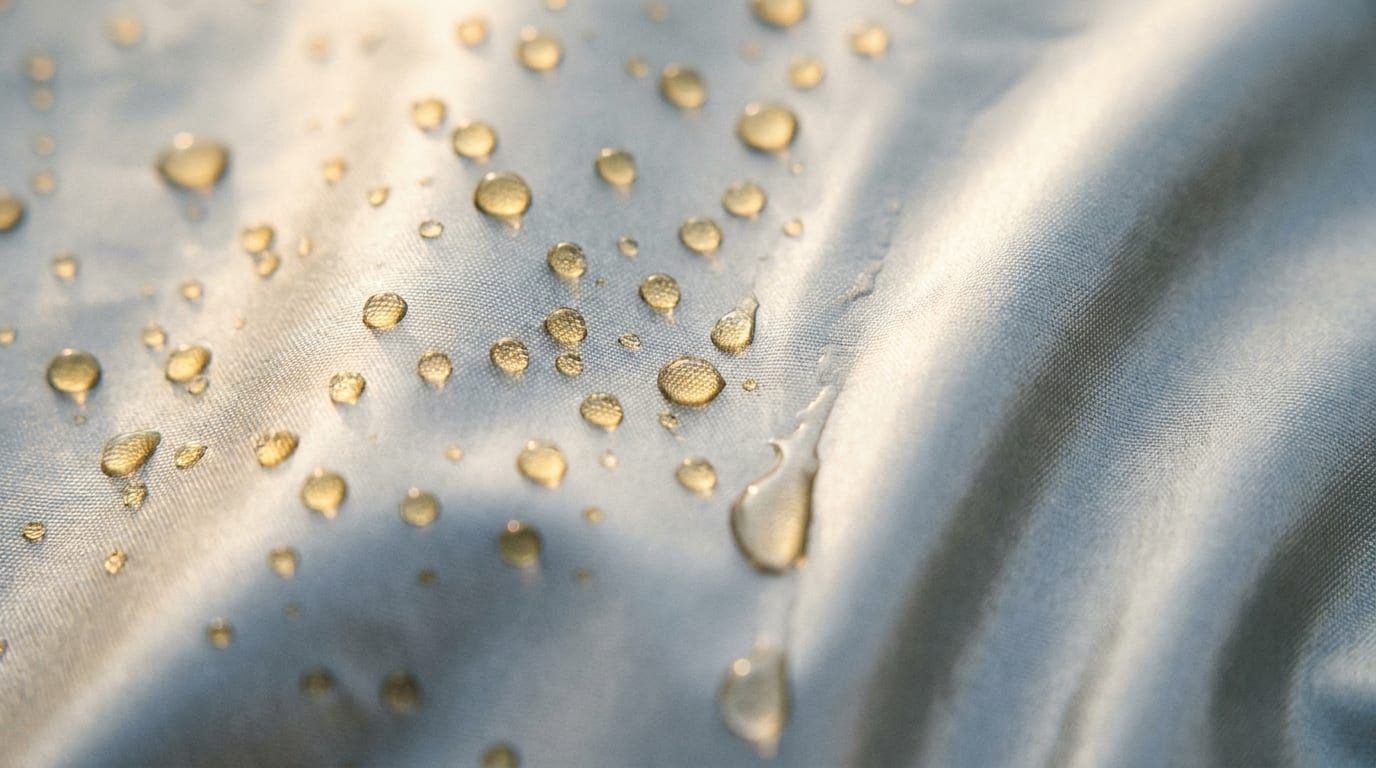
If your Rogue lives outside in the Pacific Northwest, the Gulf Coast, or anywhere in the humid Southeast, you're dealing with a different problem than someone in Arizona. It's not one big storm, it's weeks of damp air that never fully dries out. Look for fully sealed seams and a water-beading exterior treatment that keeps rain from soaking into the fabric in the first place.
Humidity also raises the stakes on the inside of the cover. If a non-breathable cover gets left on a wet Rogue during a muggy stretch, you're basically running a small greenhouse over your cloth or leatherette interior, and mildew doesn't need much time to take hold. A soft inner layer helps here too, since it keeps any residual moisture from wicking straight onto the paint during long storage stretches instead of sitting as a film against the clear coat.
One detail people skip: grommet and vent placement. A cover with smart venting lets air move through after a storm passes, so the whole thing can actually dry out instead of holding a damp layer against your Rogue overnight. For a broader rundown of outdoor cover strategy, our guide to using a car cover outdoors covers wind and UV alongside the wet-weather stuff.
Climate-Specific Protection: Snow, Ice & Freezing Temperatures
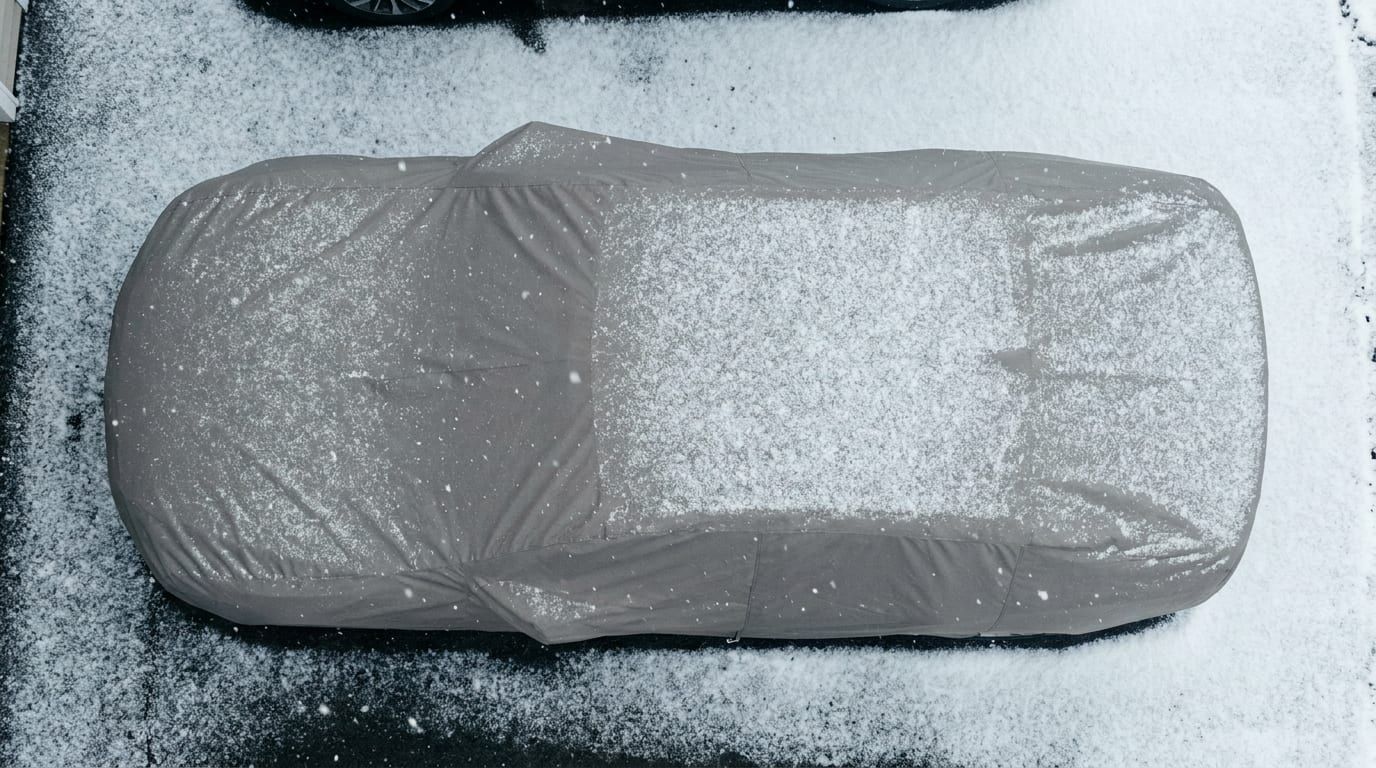
Midwest and Northeast owners have a different fight on their hands: weight. Snow piles up fast, and a flimsy fabric will crack or tear under that load over a winter. You want something reinforced enough to hold its shape when six inches of wet snow settle on the roofline overnight.
Ice brings its own headache. A lightweight cover can freeze solid to the windshield and mirrors, and pulling it off at that point risks tearing the fabric or worse, taking paint with it. A slightly heavier layer with some insulation reduces that bonding effect and makes for a much less painful morning.
Wind is the other issue nobody thinks about until a gust rips the cover halfway off in a February storm. Secure tie-down straps or a cable and lock system keep it anchored to the Rogue's rounded roofline instead of flapping loose. Our gust strap and wind strap installation guide walks through setting these up properly.
One more thing worth checking: a cover rated for snow should still shed water once that snow melts. Plenty of covers block frozen precipitation just fine but turn into a soggy mess the second temperatures climb, so don't assume snow-rated automatically means waterproof once it thaws.
Climate-Specific Protection: Intense Sun & UV Exposure
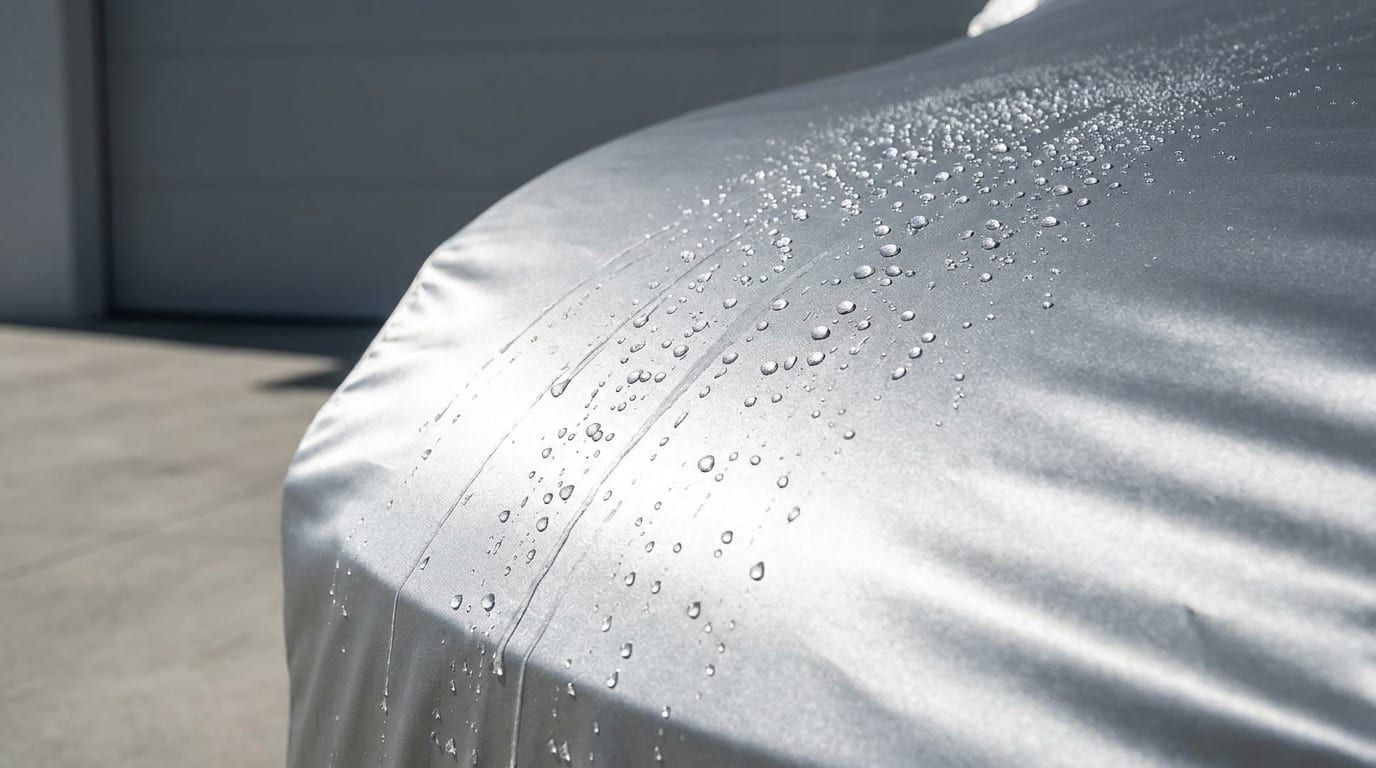
Darker Rogue colors, Gun Metallic and Super Black especially, absorb heat and show UV fading faster than lighter shades. A reflective or UV-treated cover cuts down on that heat buildup and slows the fade that turns a deep black hood into a slightly chalky one over a couple summers.
It's not just the exterior. In Southwest and desert climates, unprotected interiors bake, and dash and seat materials start cracking well before you'd expect. A UV-blocking waterproof car cover for Nissan Rogue owners in these regions keeps that heat off the glass in the first place, which does more for interior longevity than any dashboard spray ever will.
Here's the part that surprises people: in hot climates, breathability is arguably as important as the waterproofing itself. Trap heat and residual moisture under a sealed cover in 100-degree weather and you get the same mildew problem as a humid climate, just from a different cause. Worth checking, too: a lighter-colored or silver-toned cover reflects heat noticeably better than a standard black one, so if you're in Phoenix or Vegas, that's not just a cosmetic choice.
Getting the Right Fit for Your Nissan Rogue
Waterproofing on paper means nothing if the cover doesn't fit right. A loose, universal-fit cover flaps in the wind, and every flap is a chance for water to work its way underneath and pool in the low spots around the hood and rear glass. Semi-custom covers get closer, but a true custom fit for your Rogue's exact year and trim is what actually keeps water out.
Fit varies more than people expect across model years, too. Roof rail styles and mirror shapes have changed across Rogue generations, so a cover built for an older model year might not seat right on a newer one. Confirm your exact trim and year before you buy, not after.
An elastic hem and under-rocker fit make a real difference here. They cinch the cover in tight along the bottom edge, which keeps wind-driven rain from sneaking in underneath, something a cover with a plain straight hem just can't do as well. Browse custom-fit car cover options if you're deciding between semi-custom and true custom, and if you're not sure which size category your Rogue falls into, our sizing guide will sort that out fast.
Installation & Maintenance for Year-Round Protection
Don't throw a cover on a wet or snow-covered Rogue. It sounds like a minor shortcut, but sealing in moisture at the start defeats the purpose of the cover and shortens its life. Dry the vehicle first, even a quick wipe-down, before covering it up.
Once it's on, secure it properly. Gust straps or wind straps keep a waterproof cover locked down during storm season instead of letting it shift and rub against the paint, which is its own slow damage source. If you skipped this step before, it's worth going back and doing it right.
Cleaning matters more than people think, too. Harsh detergents strip the water-repellent coating right off the fabric, which quietly turns your waterproof cover back into a water-resistant one. Stick to the basics laid out in our step-by-step car cover cleaning guide and you'll keep that coating intact for years instead of one season.
Last habit worth building: check seams and grommets before winter and before rainy season hits. A small tear you catch in October is a five-minute fix. The same tear ignored until January is a soaked interior.
Choosing the Right Waterproof Cover for Your Rogue
The short version: figure out which climate challenge actually hits your Rogue hardest, rain, snow, or sun, and buy for that, not for whatever's cheapest on the shelf labeled "waterproof." A cover built for Arizona sun won't serve you the same way in Minnesota snow, and vice versa.
Fit and secure attachment matter just as much as the waterproof rating printed on the tag. A perfectly waterproof cover that flaps loose in the wind or doesn't seal under the rockers is still going to let water in eventually.
If you're buying something that'll live on your Rogue outdoors every day, check what's backing it. A lifetime warranty on your car cover is a reasonable thing to expect for a product that's supposed to survive years of real weather, not just a showroom demo.
If you're still weighing options, it's worth browsing Nissan-specific SUV cover choices sized for the Rogue, or poking around our SUV cover lineup generally, and subscribing to the blog if you want more climate-specific guides like this one as we publish them.
Updated