


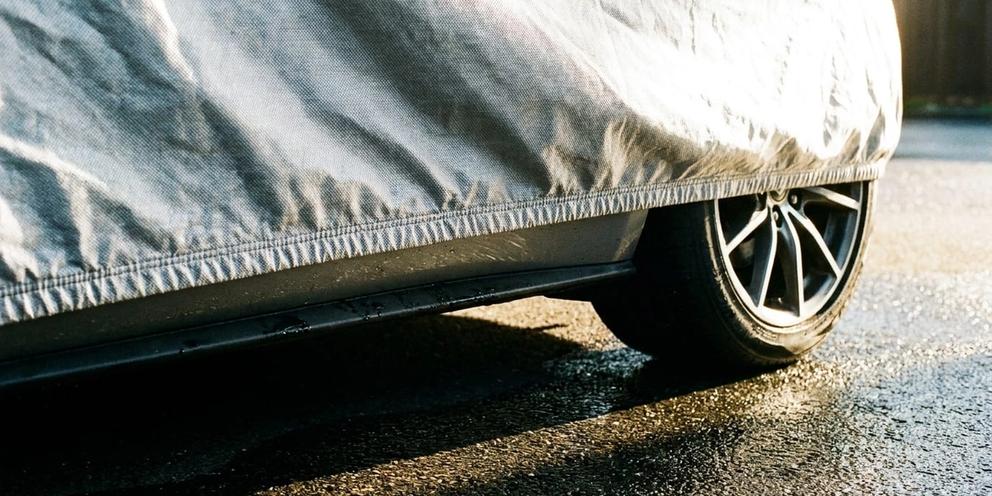
What Size Car Cover Fits a Chevrolet Camaro?
Most Chevrolet Camaros land in the "large coupe" size class that universal and semi-custom car covers are built around, generally covering vehicles between roughly 184 and 197 inches long. That range spans nearly every Camaro generation on the road, from the boxy first-gen muscle cars to the current sixth-gen models. If you're wondering what size car cover fits a Chevrolet Camaro, that's the honest starting point, not the final answer.
Here's the catch. "Large coupe" is a size class, not a guarantee of fit. A 1969 Camaro and a 2018 Camaro are both muscle cars, but they don't share a body. Different hood lengths, different fender flares, different spoiler setups. A cover that's technically sized right can still sit loose around the mirrors or leave the rear fascia exposed if it wasn't built with your specific generation in mind. That's why a semi-custom or model-specific custom-fit cover almost always beats a generic "large car" universal cover for a Camaro. It follows the body lines instead of just draping over them.
The rest of this guide breaks it down by generation, explains the different sizing categories, and walks you through measuring your own Camaro so you're not guessing. For a broader look at how sizing works across vehicle types, the car cover sizing guide is worth a look too.
Camaro Dimensions by Generation
Camaro length has shifted more than you'd expect across its production history.
- 1st-gen (1967-1969): roughly 184 to 186 inches long
- 4th-gen (1993-2002): around 193 inches
- 5th-gen (2010-2015): around 190 inches
- 6th-gen (2016-2024): around 188 inches
Those few inches matter more than they look like they should. Generation affects sizing in ways beyond raw length, too. The 5th and 6th-gen cars are noticeably wider through the hips and shoulders than the earlier bodies, which changes how a cover cinches at the doors. Muscle-era models from the late 60s carry long, flat hoods and a low deck that a modern cover pattern doesn't always account for. And spoilers vary wildly, from a subtle factory lip to the tall wing on a 1LE, each one changing how fabric needs to drape at the rear.
Body style adds another wrinkle. Convertible Camaros sit lower at the rear deck with the top folded, so a cover cut for a coupe's fixed roofline will fit wrong on a convertible, even within the same generation.
The takeaway: know your exact model year before you order. "It's a Camaro" isn't enough information. If you're shopping by brand, the Chevrolet cover lineup is organized by model and year for exactly this reason.
Universal, Semi-Custom, and Custom-Fit Covers Explained
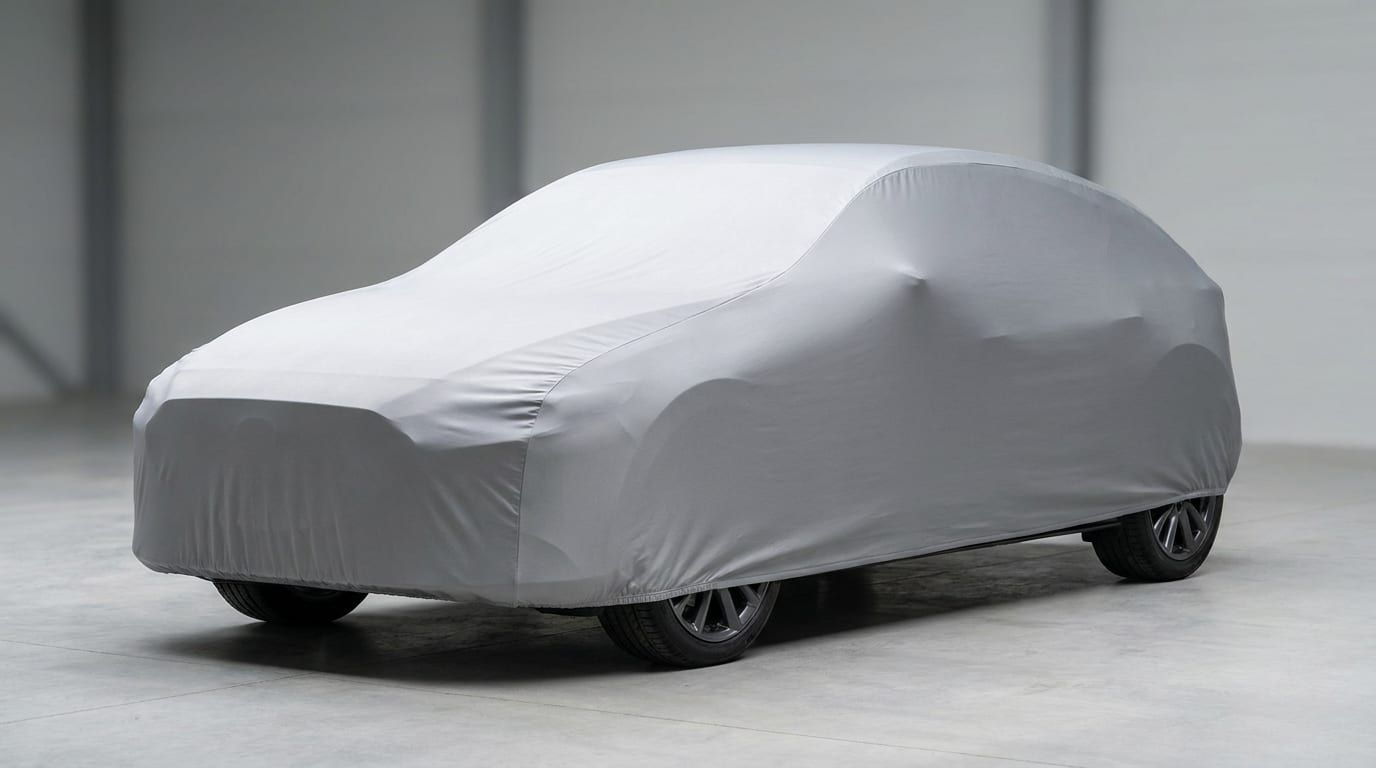
There are three tiers here, and they're not interchangeable.
Universal covers are sized by broad length and class ranges: compact, mid-size, large. They're the loosest fit and the cheapest option, built to stretch over a wide swath of vehicles rather than any one car in particular.
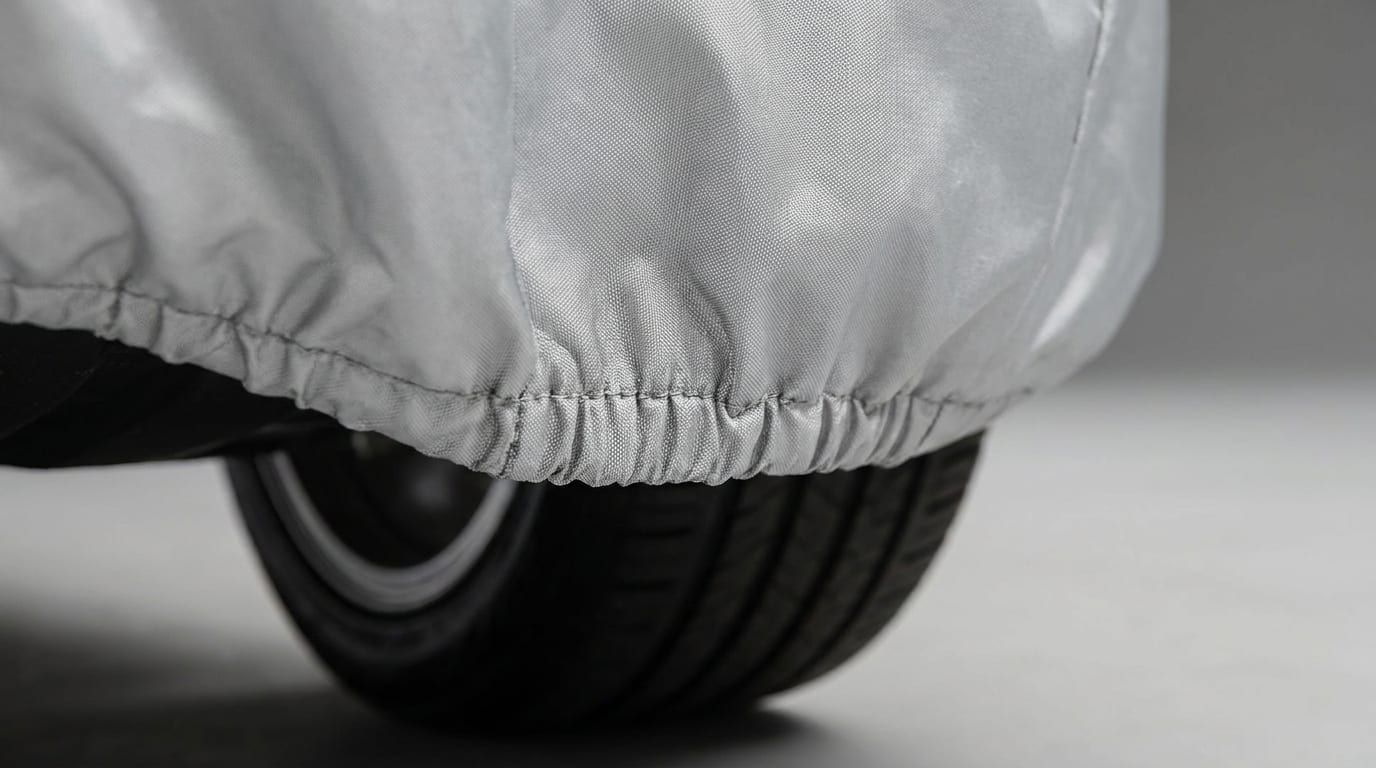
Semi-custom covers narrow things down. They're matched to body style and size class, the same "large coupe" range a Camaro falls into, and usually include elastic hems that pull the fabric in tighter than a universal cover can manage. Better fit, still not a perfect one.
Custom-fit covers are pattern-cut for the exact Camaro year and trim. They follow the body lines, mirror shape, and spoiler contour precisely, because they were designed around that specific car and nothing else.
The tradeoff is straightforward. A loose universal cover flaps in wind, which means more chances for it to shift, lift, or rub against the paint over time. A custom-fit cover stays put. If you're storing the car for months or parking it outdoors through storm season, that difference stops being cosmetic and starts being the whole point. Browse the car covers selection to compare weights and materials, or go straight to custom-fit car covers if you already know you want the tighter option.
How to Measure Your Camaro for a Cover
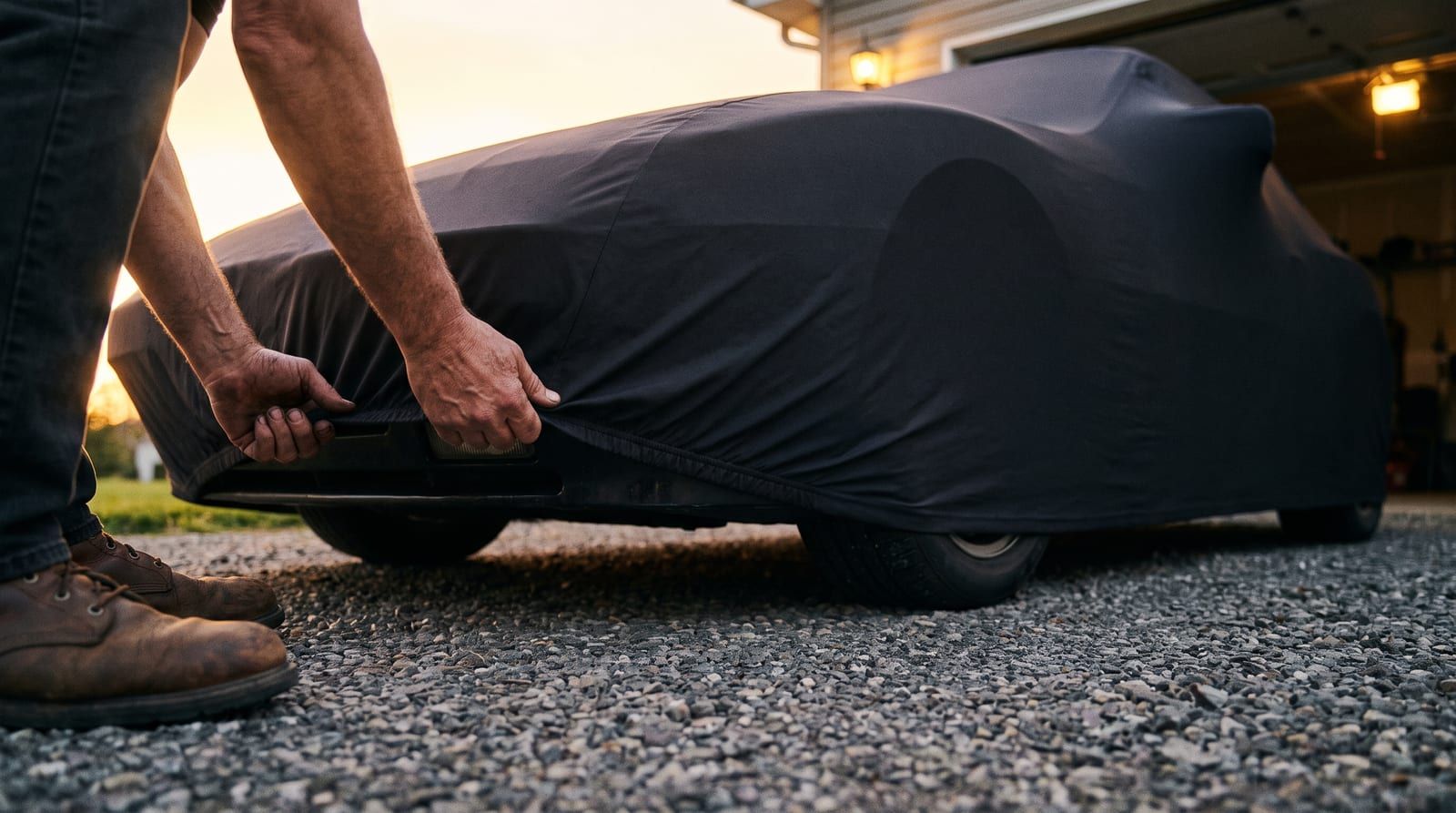
Skip the guesswork. Measure it yourself before you buy.
Start bumper to bumper for overall length. Then measure width at the widest point of the car, mirrors folded in, since that's how the cover will actually sit once installed. Height matters too, especially if you've added a roof antenna or any other accessory that sticks up.
A few Camaro-specific spots are worth double-checking. The rear spoiler on SS, ZL1, and 1LE trims adds height and sometimes width that a standard measurement misses. Side mirrors on newer generations sit further out than you'd think. And the front splitter on performance trims sits low enough that a cover with a tight-fitting front hem can drag or snag on it.
Measure with the car parked on level ground, not on a slope, and compare your numbers against the manufacturer's size chart rather than assuming your generation matches someone else's. Length alone doesn't tell the whole story anyway. Width and roofline shape change how a cover drapes even when two cars are the same length. Rather than eyeballing it, run your specifics through a coverfinder tool built for exact model matching. It's faster than cross-referencing spec sheets, and it removes the guesswork around what size car cover fits a Chevrolet Camaro in your specific configuration.
Will a Universal "Large Sedan" Cover Fit a Camaro?
Technically, yes. It'll stretch over most Camaro generations. Practically, it's not a great answer.
A sedan-sized universal cover is cut for a boxier shape than a Camaro's low, wide muscle-car profile. That means loose fabric around the doors and rear fascia, exactly where a cover needs to sit tight to do its job. If you're set on going universal, finding the right car cover for your specific size class still beats grabbing whatever's labeled "large" without checking.
The downside isn't just a sloppy look. Loose covers catch wind, and wind means flapping, and flapping means fabric scraping against clear coat over and over until it leaves marks. Loose fabric also pools water instead of shedding it, which is the opposite of what you want a cover doing.
Does the Camaro's Spoiler Affect Cover Fit?
Yes. This one trips up a lot of Camaro owners.
Factory and aftermarket spoilers on the SS, ZL1, and 1LE trims add height and width at the rear that a standard-size cover often doesn't plan for. A cover that fits fine over the hood and doors can bunch up or stretch thin right at the wing, which is exactly the kind of stress point that leads to tears over time.
Check whether the cover you're looking at is listed as spoiler-compatible before you buy. If your spoiler is unusually tall or wide, sizing up is the safer move. It's also worth reading through an installation guide once the cover arrives. Fitting fabric around a wing correctly on the first try saves you from having to force it into place every time you cover the car. Getting a broader sense of how vehicle covers handle add-ons like spoilers and roof racks helps set expectations before you buy, too.
Are Convertible Camaro Covers Sized Differently?
Yes, and this is an easy mistake to make if you're shopping by trim name alone.
Convertible Camaros need a cover cut for the folded soft-top profile, which sits lower and shaped differently than a coupe's fixed roof. Put a coupe-sized cover on a convertible and you'll usually end up with extra material pooling at the rear deck, right where the folded top sits. That pooling isn't just an eyesore. It collects water and puts stress on the fabric in a spot that wasn't designed to handle it.
If you drive a convertible, look specifically for a cover listed for the convertible version of your generation. It's a small distinction on a spec sheet that makes a real difference once the cover's actually on the car.
Choosing the Right Cover Size for Your Camaro
Here's the short version. Figure out your generation and trim first. Measure length, width, and spoiler clearance yourself rather than trusting a guess. Then match what you find to a universal, semi-custom, or custom-fit cover, in that order of precision.
Skipping straight to "large coupe" and calling it done is how people end up with a cover that flaps at highway speeds or leaves the rear end exposed to rain. A few extra minutes with a tape measure, or a quick pass through a fit lookup tool, saves you from that.
If you're still narrowing things down, it's worth browsing more guides on car care and cover fit before you commit to a purchase. A properly sized cover is the difference between real weather protection and one that ends up scratching your paint or blowing off in the first strong gust.
Updated