
Affordable Car Cover for Ford F-250: A Budget Buyer's Guide
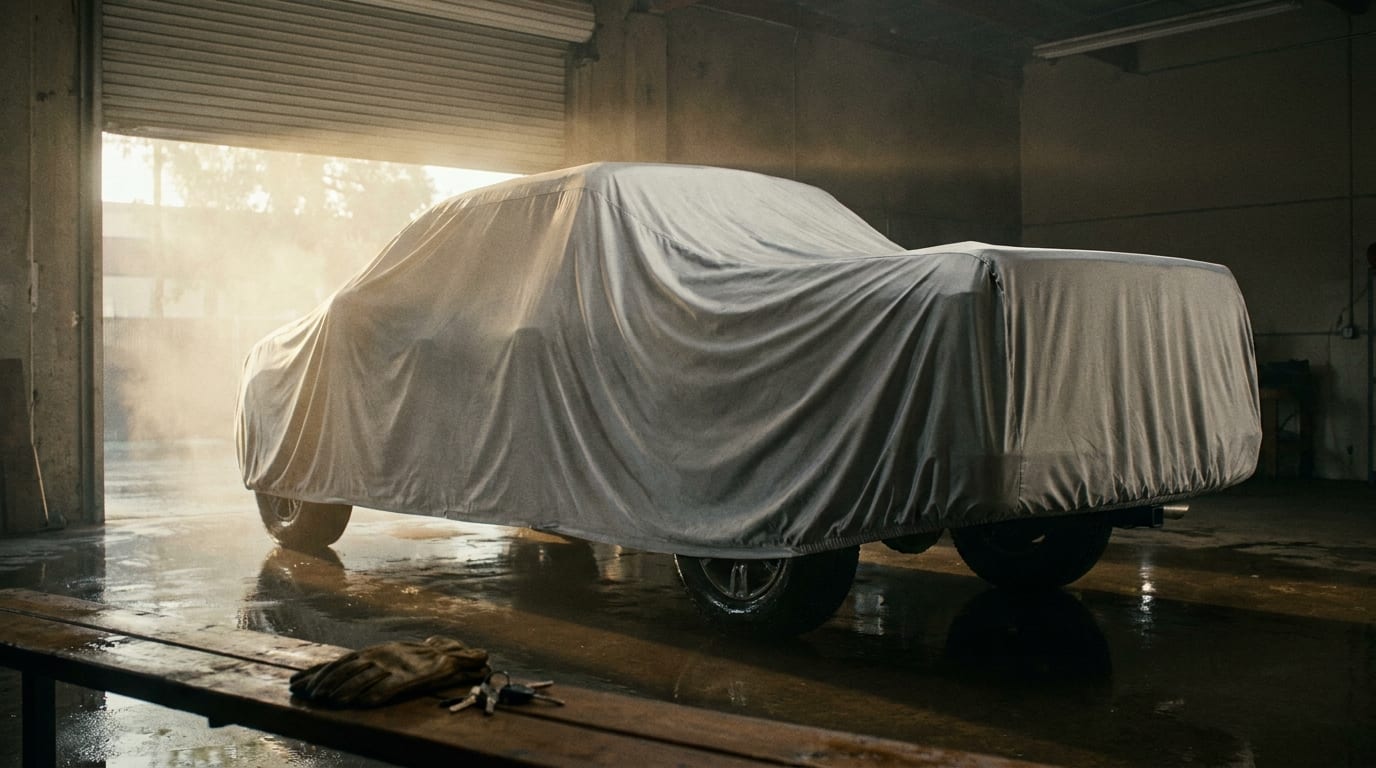
An F-250 isn't a Camry. It's longer, taller, and the bed length varies enough between trims that a "one-size-fits-most" truck cover often fits none of them well. If you're hunting for an affordable car cover for Ford F-250 trucks, the real challenge isn't finding something cheap, it's finding something cheap that actually fits and holds up outdoors. A lot of budget covers fail at the fit part before price even matters.
Why Ford F-250 Owners Need to Shop Smart, Not Just Cheap
Here's the problem with grabbing the first "universal truck cover" you see at a low price: the F-250 comes in regular cab, SuperCab, and Crew Cab, with multiple bed lengths stacked on top of that. A cover sized for a generic full-size pickup might ride a few inches short at the tailgate or balloon with extra slack at the cab. Neither is good.
A loose cover flaps in highway wind or a strong gust in the driveway. That flapping isn't just annoying, it grinds grit against your clearcoat all night long. A cover that's too tight pools water in low spots instead of shedding it. So an ill-fitting $25 cover can genuinely cause more paint damage than no cover at all. That's the core argument of this guide: set a minimum quality and fit bar first, then shop for the best price inside that bar. Not the other way around.
We'll walk through what actually drives a truck cover's price, realistic budget tiers, the handful of things you should never skip regardless of budget, and where you can trim cost without regret.
What Actually Affects a Truck Cover's Price
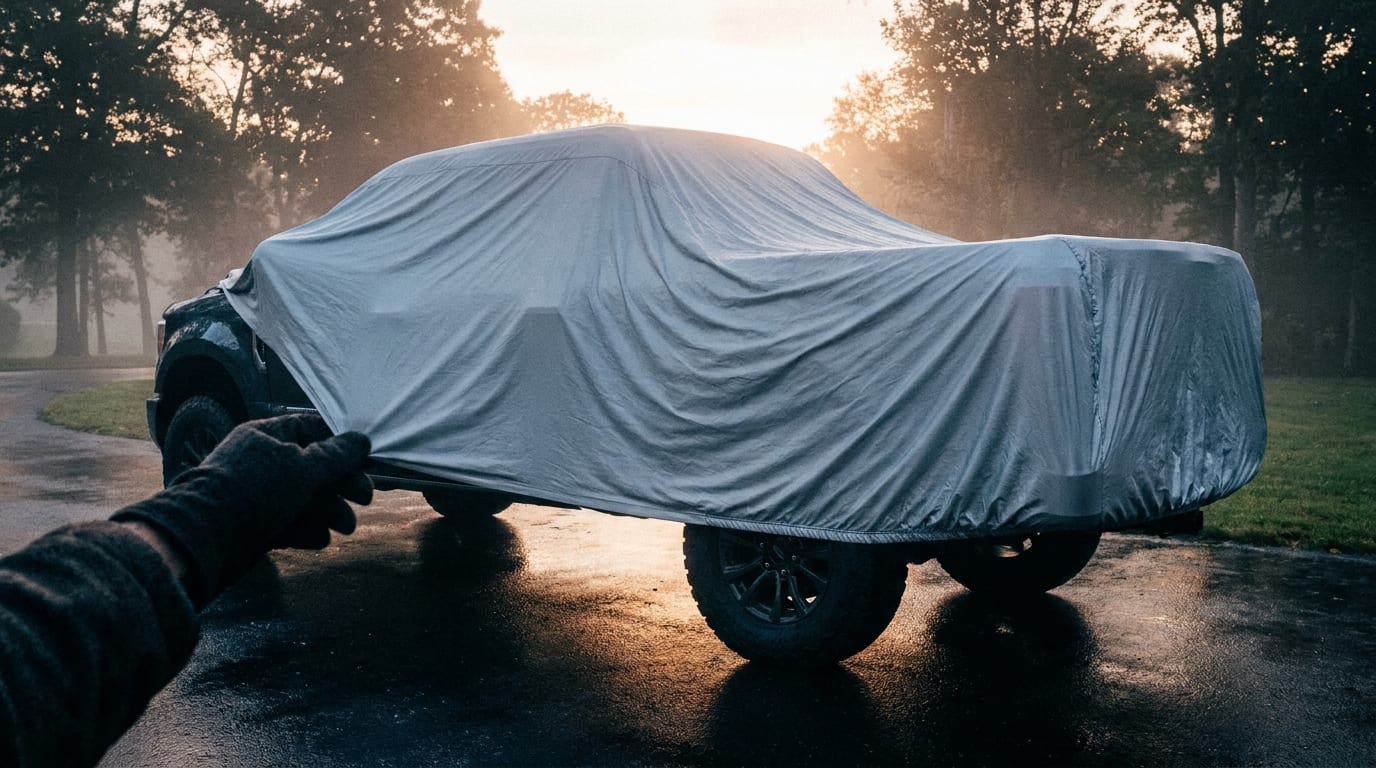
A few variables do most of the work in determining what you pay.
Material layers matter most. Single-layer economy fabrics are cheap to produce and light to ship, but they give up UV resistance and scratch protection fast. Multi-layer covers cost more because they're doing more: blocking sun, resisting water, and cushioning against light contact.
Fit type is the next big lever. Semi-custom or universal truck covers are priced lower because one SKU covers a range of trucks loosely. True custom-fit covers, cut to the F-250's specific cab and bed dimensions, cost more to manufacture and stock, but they eliminate the flapping problem entirely.
Then there are the add-ons: built-in mirror pockets, antenna patches, reinforced grommets for cable locks or wind straps, reflective trim strips. Each one is a reasonable feature, but each one also adds a few dollars. If your F-250 doesn't need a specific feature, you're paying for something you'll never use.
Last factor, and probably the most overlooked: indoor-only covers skip waterproofing and UV layers entirely. If your truck lives in a garage, this is where the real savings are, because you're not paying for weather protection you don't need.
Setting a Minimum Quality Bar Before You Compare Prices
Before you start comparing prices, lock in a short list of things that are non-negotiable no matter the budget.
Confirmed fit for your cab style and bed length. Not "fits full-size trucks," actual confirmation it matches a regular cab, SuperCab, or Crew Cab F-250 with your bed length.
Basic water resistance. Even entry-level outdoor covers should shed light rain. If a cover only claims "dust protection," it's an indoor cover being marketed for outdoor use. Don't fall for that.
Secure-fit hardware. Elastic hems, included straps, or grommets for tie-downs. Without these, wind works the cover loose, and a loose cover rubs against paint the same way a sanding block does, just slower.
Stitched seams, not adhesive or heat-sealed seams on the cheap. Adhesive seams are usually the first failure point on something as large as an F-250, where there's a lot of fabric and a lot of seam length under stress.
Skip any of these to save $20 or $30 up front, and you're likely paying for paint correction or a second cover within a year. That's not a scare tactic, it's just how fabric and friction work over time outdoors.
Budget Tiers: What to Expect at Each Price Point
It helps to think in three rough tiers rather than hunting for a single magic price.
Entry tier. Lightweight covers, often indoor-only or "light outdoor" rated. Good for dust, tree sap, and bird droppings if the truck sits in a garage or carport most of the time. Not built for sustained rain or sun exposure.
Mid tier. This is where most affordable car cover for Ford F-250 shoppers should land if the truck parks outside regularly. Multi-layer construction, real waterproofing, UV resistance, and a tighter, better-tailored fit. You're paying a bit more, but you're buying actual outdoor durability instead of hoping for the best.
Upper-budget tier. Still reasonably priced compared to premium custom covers, but with reinforced panels, a lined underside to prevent interior scuffing, and heavier-duty grommets for high-wind or harsh climates. Worth it if you're in a region with real weather, think hail-prone states or coastal wind.
The mistake most people make is defaulting to the cheapest tier out of habit, even when their truck sits outside year-round in a sunny or wet climate. Match the tier to how and where the truck is actually parked, not to the lowest number on the page.
Getting the Fit Right Without Overpaying
Passenger car sizing is forgiving. Truck sizing, especially on something like the F-250, isn't. The combination of cab style, bed length, and sometimes even trim-specific add-ons (step bars, tonneau covers, bed racks) can throw off a generic size chart. Measure your truck, or at minimum confirm your exact cab and bed configuration, before clicking buy. Guessing by "full-size truck" sizing is how people end up with a cover that's four inches short at the tailgate.
A good sizing guide for your vehicle will walk you through the measurements that actually matter. If you're not sure what bed length your F-250 even has, a pickup truck bed size guide is worth five minutes before you shop.
Custom-fit covers exist for a reason. If your truck is going to live outside long-term, a custom-fit car cover is worth the modest jump above pure budget pricing, because it removes the fit guesswork entirely. For browsing what's actually available across price points, the Ford truck cover lineup is a reasonable starting point.
Where It's Safe to Save, and Where It's Not
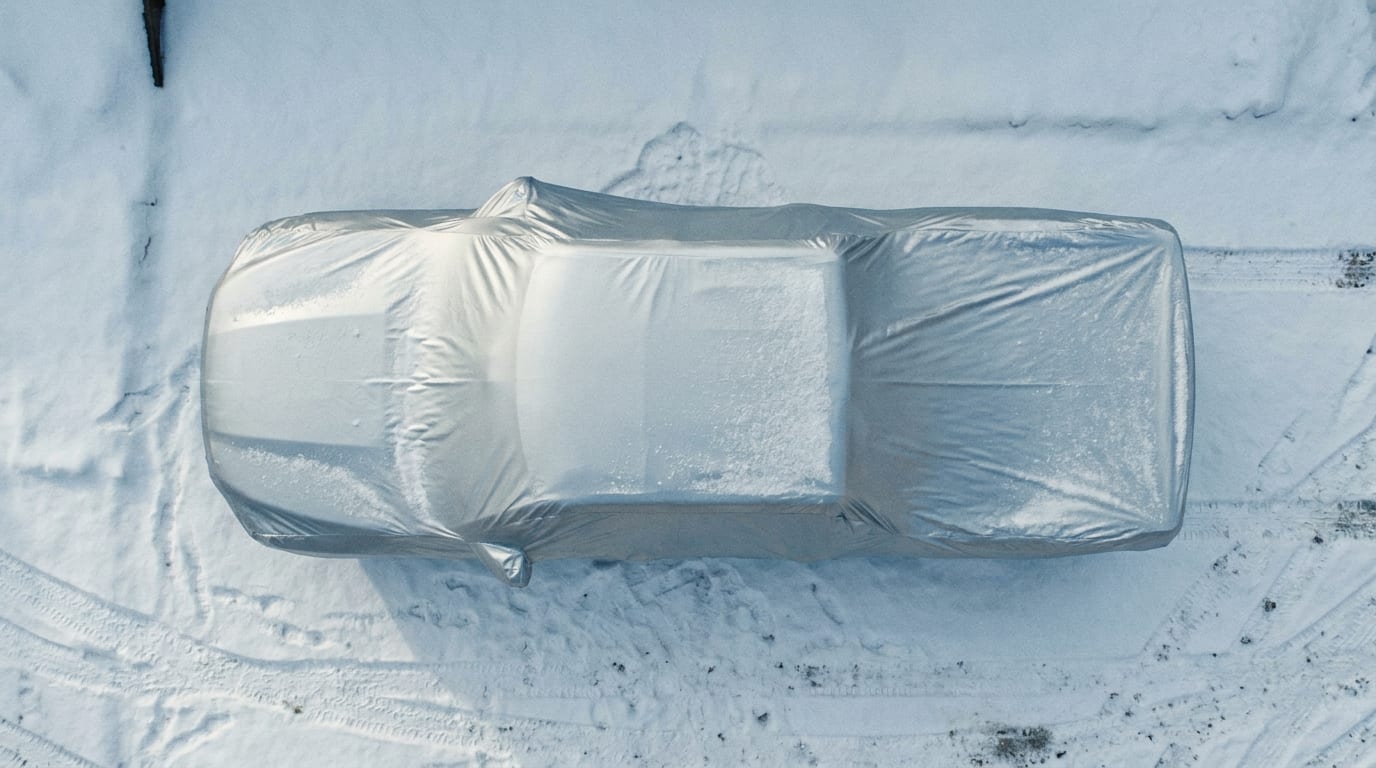
Not every cost-cutting decision is equal. Some are smart. Some will cost you later.
Safe to cut: extra color options, premium branding or logo patches, bundled accessories like floor mats you don't need. None of that affects how well the cover protects your truck.
Also safe to cut: antenna patches or mirror pockets, if your F-250's configuration doesn't actually call for them. No point paying for a feature your truck doesn't use.
Not safe to cut: waterproofing, if the truck lives outdoors even part-time. Same goes for UV protection in sun-heavy climates like Arizona or Texas, where unprotected fabric and paint both take a beating. And don't skip secure-fit hardware if you're in a windy region, that's exactly the scenario where a loose cover does the most damage.
One more thing worth checking regardless of budget: does the cover come with any kind of warranty or guarantee? A lifetime warranty on car covers signals the manufacturer trusts the product enough to stand behind it, even at a lower price point. That's a good sign, not a marketing afterthought.
Making a Budget Cover Last Longer
A budget cover that's cared for well can outlast a pricier one that's treated carelessly. A few habits make the biggest difference.
Let it dry before you fold it up. Packing away a damp cover traps moisture against the fabric, and that's how mildew and fabric breakdown start. Also, avoid dragging the cover over the bed's sharp edges or tie-down hooks when you're putting it on or taking it off. Small snags turn into tears fast on repeated use.
Clean it on a schedule, not just when it looks dirty. Dirt and grit act like sandpaper against fabric over time, especially in the folds and seams. A quick rundown on how to clean a car cover will show you the basics, and it takes less time than people expect.
Install it properly and use a support pole where the cover calls for one. A truck support pole keeps the fabric from pooling water on the bed or sagging against the cab, which reduces stress on seams over time. Skipping this step is a quiet way to shorten a cover's lifespan without realizing it.
Final Take: Budget-Friendly Doesn't Mean Bare Minimum
The framework here isn't complicated. Confirm the fit for your specific F-250 configuration first. Hit the minimum quality bar: real water resistance, secure-fit hardware, stitched seams. Then, and only then, shop by price within that range. Do it backwards and you'll likely end up buying twice.
If you're ready to browse, take a look at what's available for your truck and run your measurements through a sizing tool before you commit. Worth a few minutes to subscribe to updates or poke around related guides while you're at it, no pressure either way.
One last practical note: when you're buying a cover sight-unseen online, check the return and shipping policy before you check out. A clear return window means a lot more than a flashy product photo if the fit turns out to be off.
