


Affordable Car Cover for Tesla Model S: A Budget Buyer's Guide (Without Cutting Corners)
Tesla's Model S isn't like protecting a Camry. The aluminum body panels, the glass roof that stretches nearly the full length of the car, the low front fascia with its sensor housings... all of it reacts differently to sun, sap, and sitting outside than a typical steel-bodied sedan. If you're searching for an affordable car cover for your Tesla Model S, the good news is you don't have to spend a fortune to protect it properly. The bad news: a lot of "cheap" covers out there will cost you more in the long run than just buying the right one the first time.
This guide walks through what actually drives cover pricing, where you can save, and where you genuinely shouldn't. By the end you'll know what to look for at each price point instead of just picking whatever shows up first in a search.
Why Your Tesla Model S Needs a Cover (Even If You're on a Budget)
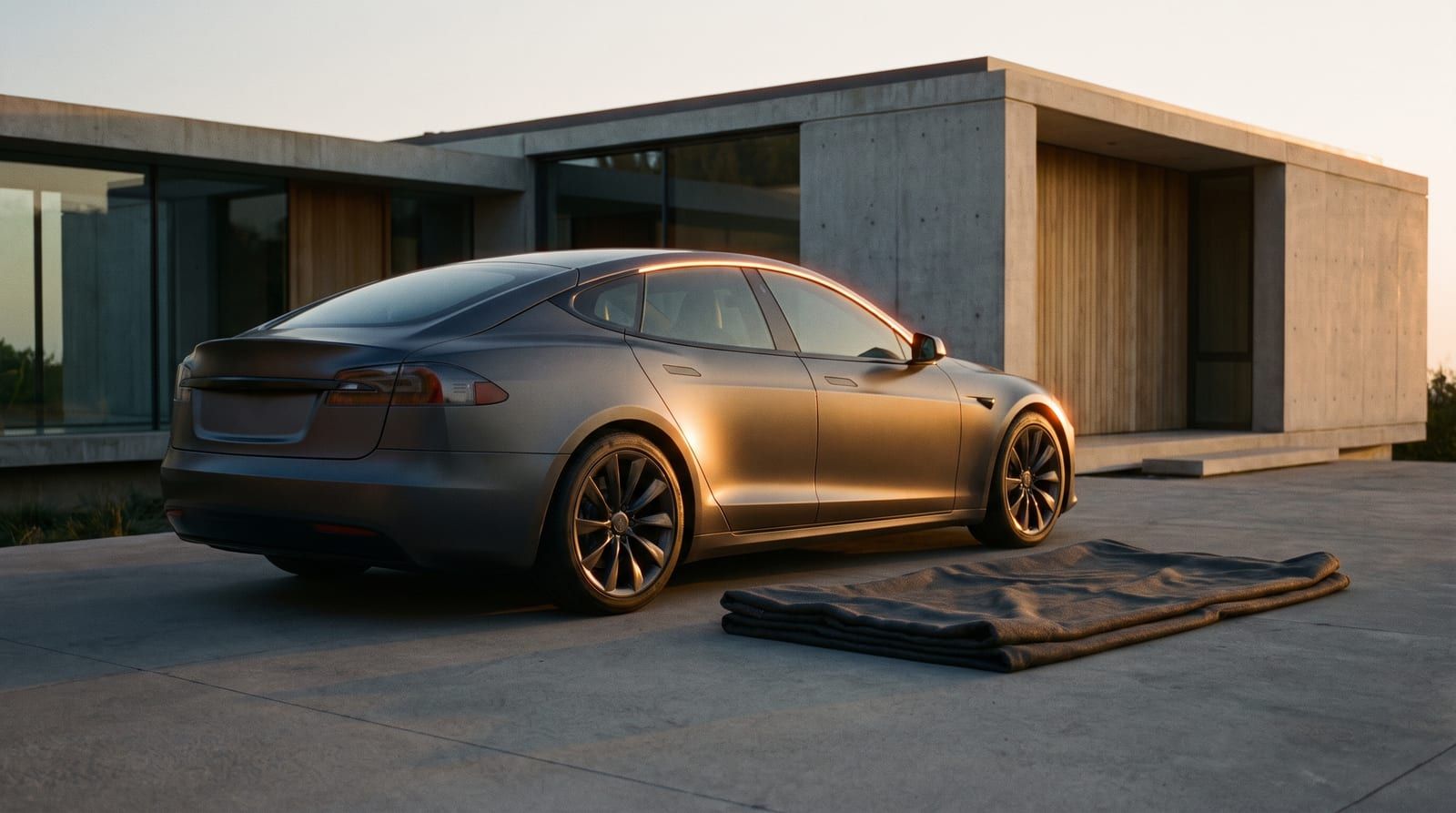
That glass roof is beautiful until it's baking your interior and fading your headliner. UV exposure hits a Model S harder than most sedans because there's so much glass up top with nowhere for heat to escape. The aluminum body, meanwhile, doesn't rust like steel, but it does scratch and dent more easily, and it shows clear-coat fading just as fast under direct sun.
Leave it uncovered outdoors and you're looking at accelerated clear-coat degradation, sap stains that etch into the paint, bird droppings that are genuinely corrosive if left too long, and an interior that heats up like an oven every summer afternoon. None of that is dramatic on day one. It just adds up, year after year, until you're staring at a paint correction bill that dwarfs what a decent cover would've cost.
So let's be honest about what "affordable" should mean here. It shouldn't mean the cheapest listing you can find. It should mean good value: a cover that costs less than premium options but still does its actual job for more than one season. That's the bar this guide is built around. We'll cover realistic price ranges, what pushes cost up or down, and the minimum spec you need so you're not throwing money at something that falls apart by spring.
What Actually Drives the Price of a Tesla Model S Cover
A few variables explain almost all the price spread you'll see when shopping.
Fit type is the big one. Universal and semi-custom covers cost less because they're made to loosely fit a range of vehicles. Problem is, loose fit means sagging, flapping in wind, and extra wear at friction points like the roofline and mirrors. A custom-fit car cover built for the Model S costs more up front, but it sits snug instead of billowing around in a parking lot breeze, which matters more than it sounds like it would.
Material layers matter too. Single-layer polyester or polypropylene is the cheapest fabric option, and it's fine for short-term or indoor use. Multi-layer or laminated fabrics cost more but hold up through repeated seasons of sun and rain without breaking down.
Indoor-only covers skip UV and waterproof treatments entirely, which keeps them light and cheap. Outdoor-rated covers need those treatments baked in, so you're paying for chemistry you can't see.
Brand and warranty backing also factor in. A cover backed by a lifetime warranty usually costs more at checkout, but it can end up cheaper per year of use than something you replace twice.
Last thing to watch: extras that add cost without adding protection. Embroidered logos, branded storage bags, antenna patches you don't need if your Model S doesn't have an external antenna. None of that protects your paint. It just pads the price tag.
The Minimum Quality Bar: What Not to Skimp On
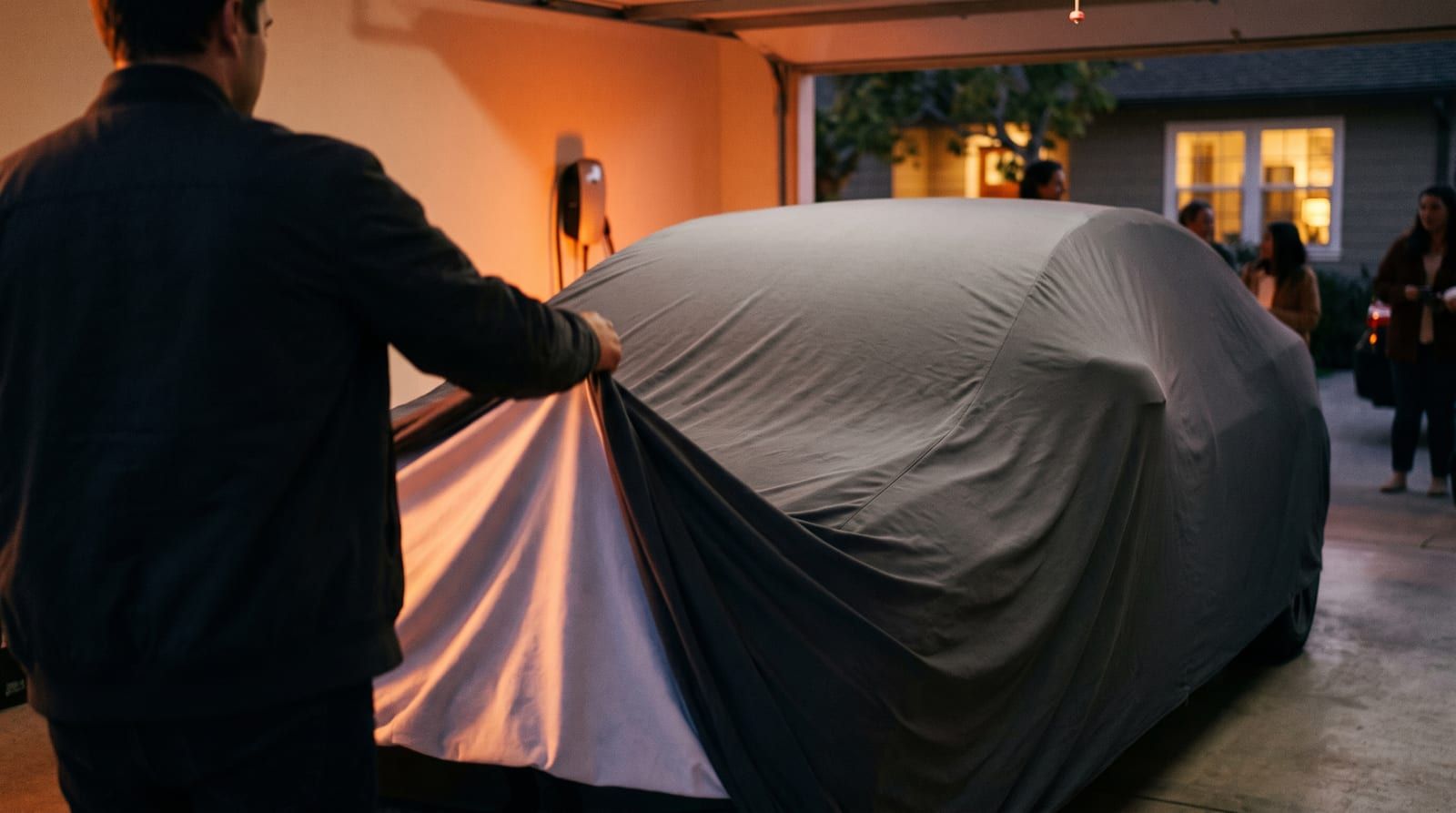
Here's where budget shopping goes wrong most often: people cut the wrong corner. A few things are non-negotiable no matter how tight your budget is.
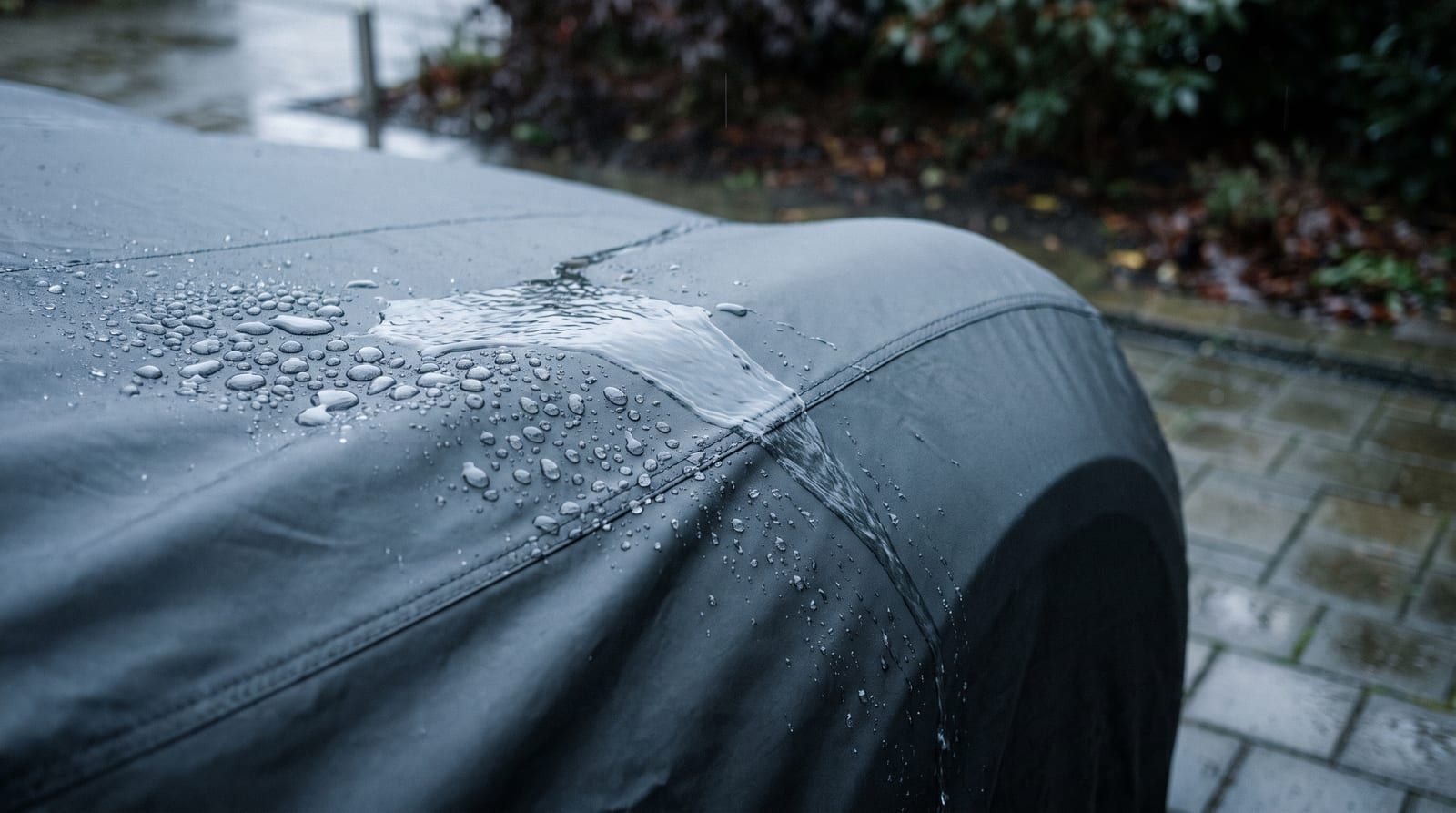
Water resistance, not just "water repellent" marketing language, if your car sees any outdoor time at all. Those are two different claims, and cheap covers love to blur the line. If you genuinely need weather protection, look specifically at waterproof car covers rather than anything vaguely labeled "resistant."
UV-stabilized fabric isn't optional either. Given how much glass roof the Model S has, uncoated fabric will fade and crack within a single season of real sun exposure. That's not a slow failure, it's fast.
Soft inner lining matters more on a Tesla than on most cars because aluminum scratches more easily than steel, especially right where the cover rubs against mirrors and door edges every time it goes on or off.
Breathability is the one people forget. A cover that traps moisture underneath can do more damage than no cover at all, trapping condensation against the paint and setting up conditions for mildew.
Then there's the hardware: an elastic hem or a proper strap and grommet system so wind doesn't work the cover loose overnight, and reinforced stitching at the seams, which is the single most common failure point on cheap covers after a few months of daily on and off use.
Budget Tiers: What You Get at Each Price Point
Think of Tesla Model S covers in three rough tiers.
| Tier | Material | Best for | Realistic lifespan |
| Entry | Single-layer, lightweight | Garage or mild-climate storage | One season of heavy use |
| Mid | Multi-layer woven, UV and water resistant | Daily outdoor parking, moderate weather | Multiple seasons |
| Upper-affordable | Heavier outdoor fabric, reinforced seams, better hem | Year-round outdoor storage, harsher climates | Several years with care |
Entry tier covers are fine if your car mostly lives in a garage and you just want something over it occasionally. Don't expect them to survive a full year of outdoor exposure, though. They're built light on purpose.
Mid tier is where most Model S owners should be looking if they park outside regularly. You're getting real UV and water resistance without paying for heavy-duty industrial fabric you don't need.
Upper-affordable tier makes sense if your car sits outside year-round in a harsher climate, think snow, intense sun, or coastal salt air. The fabric's heavier, the seams are reinforced, and the hem system actually holds up to wind.
Worth noting: custom-fit options built specifically for the Model S tend to land in the mid-to-upper range, but they cut down on wind lift and wear compared to a universal fit, which often makes up the cost difference over time.
Tesla Model S-Specific Fit Considerations
Generic sizing causes more headaches than people expect. A few things to check before buying.
Make sure there's a cutout or clearance for charge port access, so you're not pulling the whole cover off every time you plug in overnight. That's a small detail that becomes a daily annoyance fast.
The Model S has a low front fascia and sensor housings up front, so a cover that's too snug can stretch awkwardly there, while one that's too loose will flap right at the most vulnerable point of the car. Somewhere in between is what you want.
Aero wheels and low ground clearance also mean the hem shouldn't drag. A secure, properly fitted hem is worth the extra few dollars over a generic one that bunches at the wheels.
Before buying anything, confirm the retailer actually lists a Tesla-specific or Model S-specific size rather than a generic "full-size sedan" fit. Check their sizing and fit guidance if you're unsure, and look specifically at options built for Tesla rather than a catch-all sedan category.
Where You Can Actually Save Money
Skip premium color options and extra-padded mirror pockets if your parking situation doesn't call for them. They look nice. They don't add protection.
If your car lives in a garage most of the time, you don't need outdoor weatherproofing at all. An indoor car cover is cheaper, lighter, and perfectly adequate for that use case. Paying for outdoor-rated fabric you'll never actually test against rain is money wasted.
Buying direct instead of through a dealer accessory counter is usually the single biggest savings available. Dealer markup on accessories is real, and a cover is a cover regardless of where the logo on the invoice comes from.
A longer warranty can also change the math. A cover with a strong warranty that costs a bit more up front often works out cheaper per year than a bargain cover you end up replacing twice. Worth running that math before you default to the lowest sticker price. If you're still comparing options, find the right cover for your specific parking situation before deciding on price alone.
Making the Cover Last: Simple Care Habits
A good cover poorly maintained still fails early. A few habits extend it considerably.
Shake off debris and check for trapped moisture before folding it up and storing it. Folding a damp cover away is basically asking for mildew.
Hand wash with mild soap instead of harsh detergents, which break down water-resistant coatings over repeated washes. Full cover cleaning steps are worth a read if you want to get this right the first time.
Store the cover in a dry bag or dry spot when it's off the car. Leaving it balled up in a damp trunk undoes a lot of the fabric's protective treatment over time.
Inspect straps, grommets, and seams every so often. Small wear and tear is cheap to notice early and expensive to ignore until the whole cover needs replacing. This kind of basic upkeep is really just general car care applied to an accessory instead of the vehicle itself.
Bottom Line: Buying Smart, Not Just Cheap
The checklist doesn't change based on budget: water resistance, UV protection, a soft inner lining, breathability, a secure hem, and reinforced seams. Skip any one of those to save a few dollars and you're not buying a cheaper cover, you're buying a shorter-lived one.
For most Model S owners, the real sweet spot for an affordable car cover for Tesla Model S sits in the mid-tier range once you factor in fit and warranty. It's not the cheapest option on the shelf, and it's not the priciest either. It's just the one that actually survives contact with real weather.
If you're still narrowing things down, browse the Tesla-specific cover options available and use the sizing guidance to confirm the fit before you buy. It's a small step that saves a return later.
Updated