


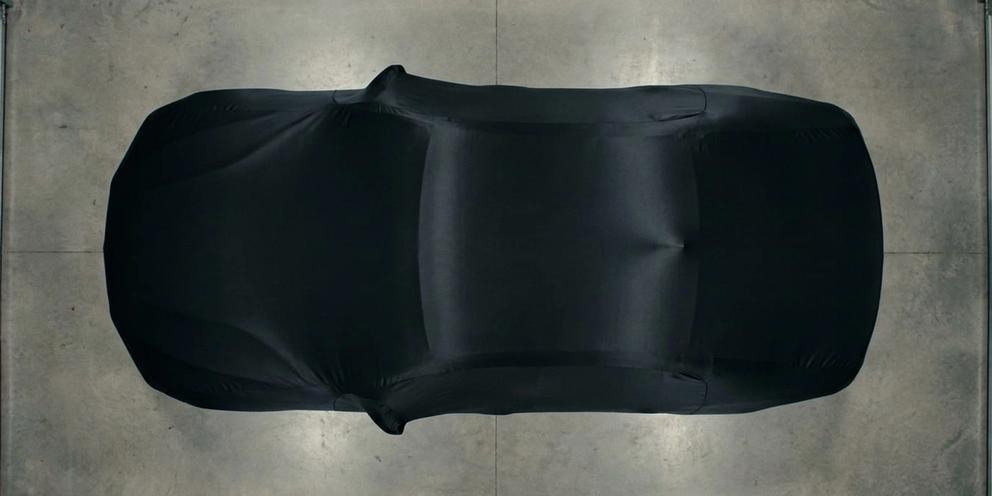
Best Indoor Car Cover for Chrysler Pacifica: Soft Lining & Dust Protection for Garage Storage
Does a Garage-Kept Chrysler Pacifica Really Need an Indoor Cover?
A closed garage door feels like protection. It isn't, not entirely. Drywall dust, pollen tracked in from the yard, fine grit kicked up by the furnace blower, all of it settles on whatever's parked underneath, cover or no cover. Over months that dust works into clear coat and leaves faint scratching the next time someone wipes it off with a dry rag.
Then there's the shared-garage problem. Bike handlebars parked a little too close. A tool shelf with a corner at bumper height. A dog that likes to jump up against the sliding door panel. The Pacifica's sliding rear doors and lower body panels sit right at the height where all of that collides with painted metal. An indoor car cover for a Chrysler Pacifica isn't about keeping rain off, it's about keeping all that garage clutter from ever touching the van in the first place.
UV matters too, even indoors. Garage windows, a door left open while you unload groceries, afternoon sun angling in during summer, it adds up and fades dashboard plastic and trim faster than most owners expect. For a vehicle families tend to keep for years and put real mileage on, protecting the finish and interior trim isn't vanity. It's resale value sitting under a sheet of fabric.
Soft Lining Explained: What's Actually Protecting Your Paint
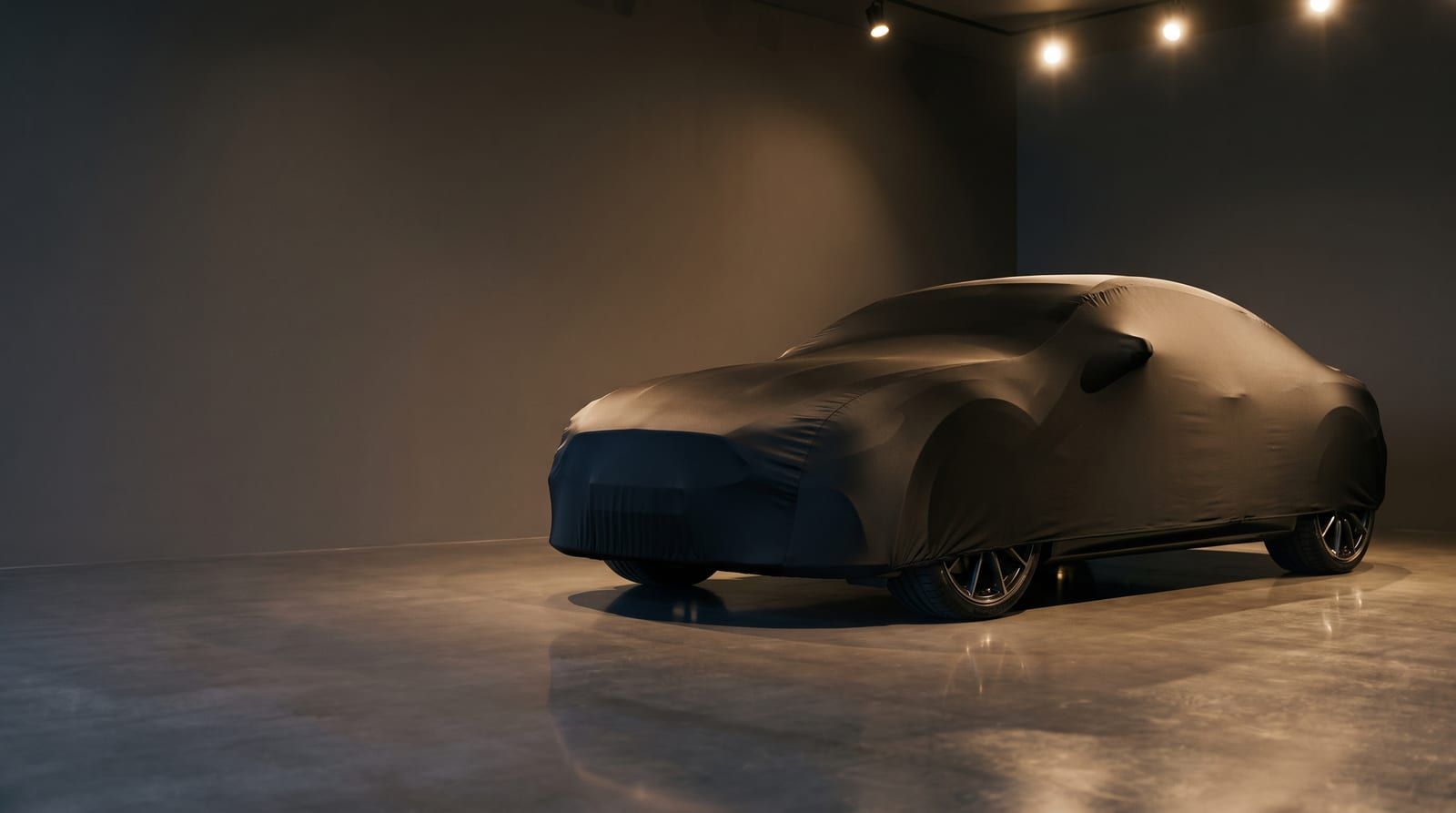
Indoor covers and outdoor covers solve different problems, and the fabric reflects that. Outdoor shells need to be tough, often coated or multi-layered, built to shrug off rain and UV and wind. That toughness comes from stiffer material, and stiffer material against paint, day after day, is exactly how swirl marks happen.
Indoor covers flip the priority. The inner lining is soft, usually a satin or fleece-style weave, designed to sit against clear coat without abrading it. No waterproof coating to fight, no rigid grain catching on a mirror housing. Just a soft barrier that traps dust before it can grind into the paint.
That softness also means breathability. Indoor fabrics don't need to seal out rain, so they let trapped moisture and heat escape instead of holding it against the body. For daily use, that matters: a van that goes in and out of the garage every morning for school drop-off needs a cover that's light enough to pull off in twenty seconds, not wrestle with.
Here's the tradeoff worth being honest about: an indoor cover won't do much in a downpour or under direct sun for hours. That's fine. It's not what it's for. If the Pacifica lives in the garage and only sees weather during the actual drive, you don't need a cover engineered for storms, you need one engineered for dust and soft handling. For a deeper rundown on where that line sits, this guide to using car covers inside walks through it well.
Getting the Fit Right on a Pacifica's Van Body Shape
The Pacifica isn't a small vehicle. Depending on trim, it runs somewhere around 203 to 204 inches long, with a boxy roofline and sliding rear doors that track outward on rails. A cover built for a generic "minivan" category can bunch up around those door tracks or snag on the handles every time someone opens a door for a kid's backpack.
This is where the custom-fit versus semi-custom question actually matters, more than it might for a sedan. Semi-custom covers are cut to a size range and work fine for occasional use, but they tend to leave slack around a van's specific contours, which means more flapping, more snag points, and more chances for fabric to drag across paint on install and removal. A custom-fit car cover built specifically for the Pacifica's shape clears the door handles and tracks cleanly, which is worth the extra cost if you're covering and uncovering the van daily.
Check a couple of details before you buy. Panoramic sunroof trims sit a little differently under a cover than the standard roof, and roof rail attachments on certain trims can create pressure points if the cover isn't cut to account for them. Confirm your trim's exact dimensions against the cover's spec sheet, and if you're unsure which size category your Pacifica falls into, this cover sizing resource is a quick way to double check before you order.
Comparing Indoor Cover Options for Your Pacifica
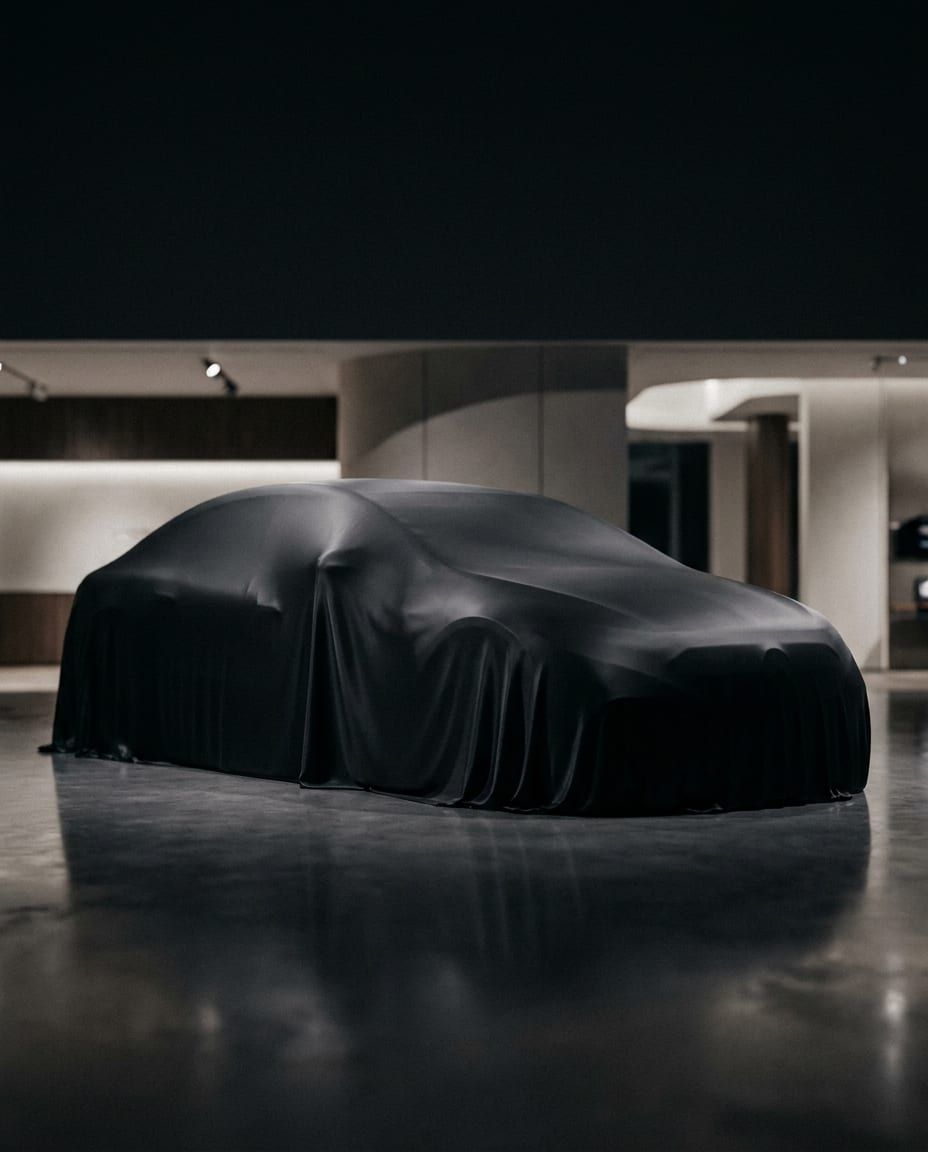
Not every indoor cover is built the same, and the right pick depends on how the van actually gets used.
Fabric weight is the first fork in the road. A lightweight satin-style lining is easier to handle for daily on/off use, it packs down small and goes on fast. A heavier fleece-backed lining holds up better for a vehicle that sits for weeks at a time, since it resists compressing and losing its dust-trapping loft.
Fit type is the second. Semi-custom covers cost less and work reasonably well if the Pacifica only gets covered occasionally, say during a work trip. Custom-fit covers cost more but sit snug around the sliding doors and mirrors with no loose fabric to snag or sag, which matters if you're draping and folding it every single day.
Protection level is the third consideration, and it's where buyers sometimes underbuy. A basic single-layer indoor fabric blocks dust fine in a clean, enclosed garage. If the Pacifica shares space with bikes, a workbench, or shelving, a premium indoor line with denser weave and reinforced stitching at stress points holds up better against the occasional brush or scrape.
| Factor | Semi-custom indoor cover | Custom-fit indoor cover |
| Best for | Occasional garage storage | Daily garage use, second/show vehicle |
| Fit around sliding doors | Looser, some slack | Cut to clear handles and tracks |
| Price | Lower | Higher |
| Daily handling | Workable | Easier, less snagging |
Whichever you land on, check what's backing the purchase. A cover that gets handled daily, folded, draped, pulled taut, wears over years even if it's never rained on. A lifetime warranty on the cover is worth confirming before checkout, not after something frays.
Putting It On, Taking It Off, and Keeping It Clean

The routine matters more than people think. Drape front to back, not side to side, it settles more evenly over the hood and roofline. Secure around the mirrors first, since that's the part most likely to shift or pull loose if you start at the bumper. Near the sliding door tracks, tuck the excess fabric in rather than letting it hang and catch when the door opens.
Washing frequency is lower than an outdoor cover, since there's no mud or road grime to deal with. But dust still builds up in the weave, and shaking the cover out before folding it is a habit worth keeping. Every few weeks, depending on how dusty the garage actually is, give it a proper wash. This step-by-step guide to cleaning a car cover covers the machine-wash and hand-wash approach depending on fabric type.
One thing to avoid: never stuff a damp cover into the Pacifica's rear cargo area to dry out later. Trapped moisture against fabric transfers right back onto paint the next time you use it, and it's a good way to grow mildew in the lining. Let it dry fully, flat or hung, before folding it away.
If you share the garage with pets, it's worth a quick look at how to protect a cover from cat and animal scratches, since claws do more damage to soft lining than most dust ever will. And if you're new to the whole process, this installation guide breaks down the draping and securing steps in more detail than I can fit here.
Take care of the lining and it keeps doing its job for years. Skip the basics, fold it away wet, never shake it out, and you'll cut that lifespan down fast.
Choosing the Right Indoor Cover for Your Pacifica
For a garage-kept Pacifica, waterproofing isn't the priority, soft lining and a precise fit are. Dust, stray scratches, and UV creeping in through a window do more quiet damage over time than the occasional light rain ever would.
If you're covering and uncovering the van daily, or it shares space with bikes, tools, or pets, a custom-fit indoor cover built around the Pacifica's sliding doors and roofline is the safer long-term call over a generic semi-custom option. The clearance around door tracks and handles alone saves you from years of small snags adding up.
Confirm your trim and dimensions before buying, since panoramic roofs and roof rails change how a cover sits. From there, it's worth browsing the indoor car cover lineup and the Chrysler van-specific cover page to see what's actually built for your model. And if you're just starting to think about protection beyond the Pacifica, the van covers category is a good place to browse while you're at it.
Updated