


Best Outdoor Car Cover for Honda Accord: Waterproofing & UV Protection Guide
Leave a Honda Accord parked outside for a year uncovered and you'll see it in the paint before anything else. That dull, slightly chalky look on the hood and roof isn't dirt, it's UV oxidation, and it happens faster than most owners expect. If your Accord lives in a driveway, open lot, or street parking most nights, an outdoor car cover for Honda Accord isn't a nice-to-have accessory. It's the cheapest insurance you can buy for the car.
Why Your Honda Accord Needs a Dedicated Outdoor Cover
Accords parked outdoors deal with a specific combination of stress that garage-kept cars never see: daily UV exposure, rain that pools on the hood and trunk, tree sap, bird droppings, road grime kicked up by traffic. A generic tarp from the hardware store doesn't cut it. It traps moisture against the paint, flaps in the wind and scuffs the clear coat, and usually doesn't fit the car's shape well enough to actually seal out weather.
Run the math and the case for a real cover gets obvious fast. A quality outdoor cover runs a fraction of what you'd pay for a repaint, a UV-fade interior repair, or a full paint correction detail. Those jobs run into the hundreds or thousands of dollars. A cover is a one-time purchase that prevents the damage from happening in the first place.
Here's the other advantage Accord owners have: body dimensions have stayed fairly consistent across recent generations, including the Accord Hybrid and CVT trims. That means custom-fit covers are a realistic option, not just a "one size fits most" compromise. You're not stuck with a poncho-style universal cover that leaves six inches of slack flapping around your bumpers.
This guide keeps its focus narrow: waterproofing and UV resistance. Those are the two properties that actually determine whether an outdoor car cover does its job on a daily-driven sedan, so that's where we're spending the time.
What 'Waterproof' Actually Means in a Car Cover
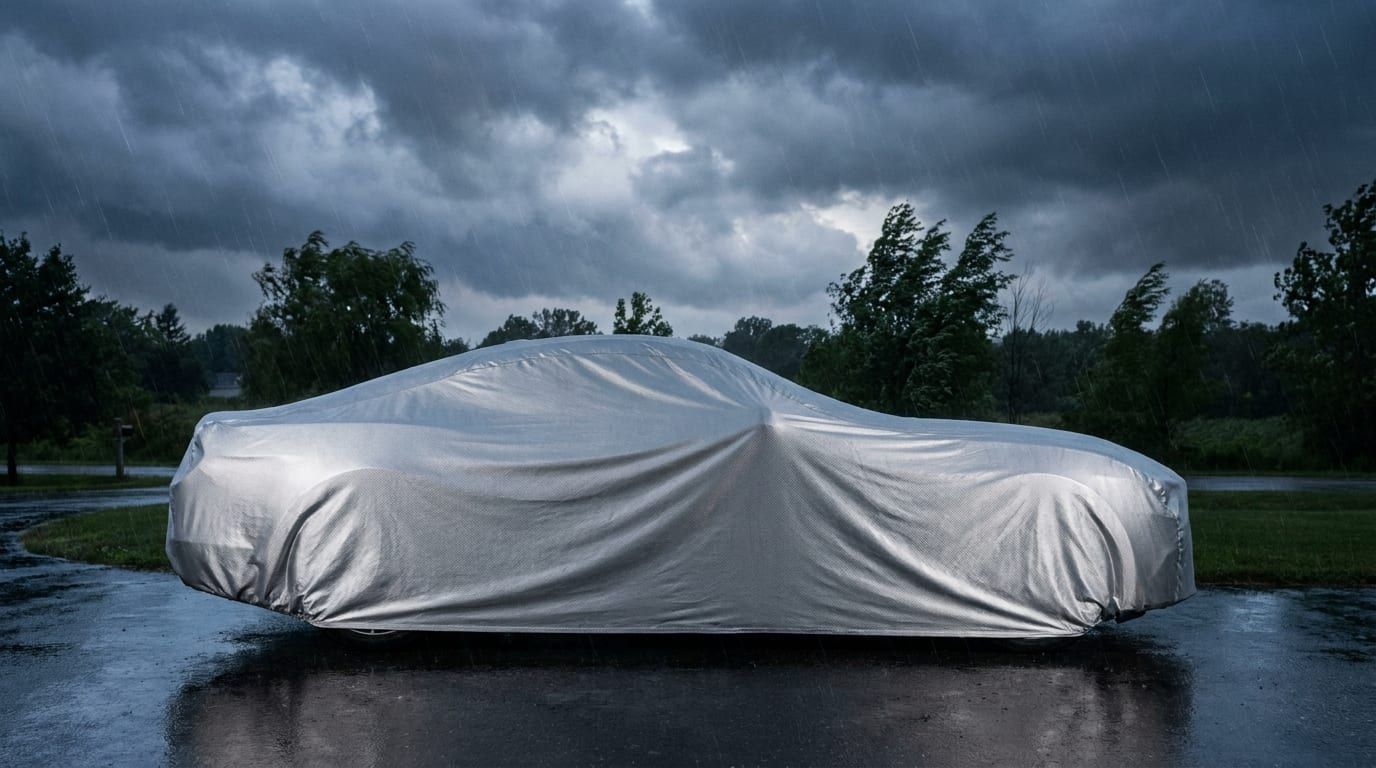
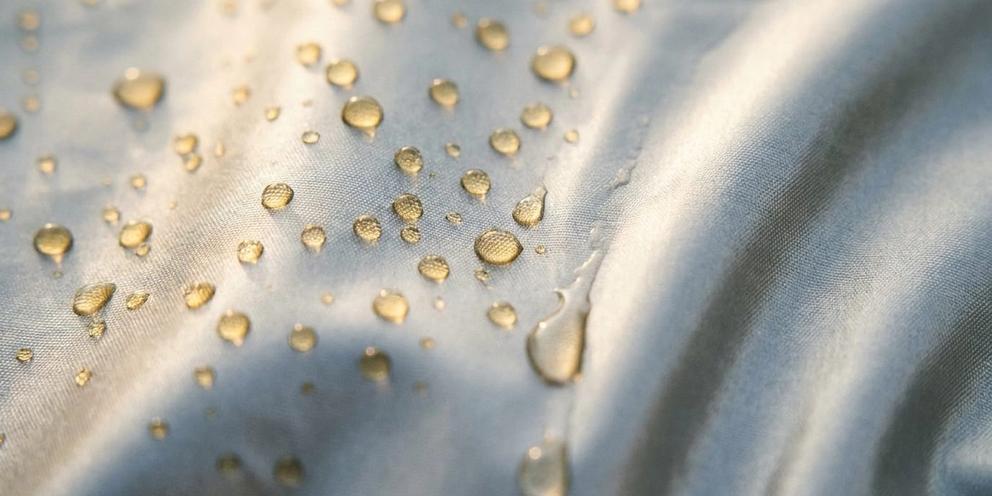
Plenty of covers get marketed as "waterproof" when they're really just water-resistant. The difference matters. Water-resistant fabric handles light rain and morning dew fine. It'll bead up moisture and shrug off a quick drizzle. Sustained rain, though, or a sprinkler system hitting the car every morning, will eventually soak through. A genuinely waterproof car cover is built to handle that ongoing exposure without leaking.
The good ones use a breathable waterproof membrane. Sounds contradictory, but it's not: the fabric blocks liquid water from getting in while still letting water vapor (the condensation that naturally builds up under any cover) escape. Skip that breathability and you've basically built a greenhouse for mold and mildew, condensation with nowhere to go, sitting against your paint overnight. That's worse than no cover at all in some cases.
Seam-sealing is where a lot of cheap covers fail. Look at the stitching. If it's just sewn without a sealed or taped seam, water finds its way through those needle holes eventually. Same story with the underbody hem: a cover needs solid elastic or an adjustable strap system that cinches under the car, not a loose hem that lets wind get underneath and lift the whole cover during a storm.
The Accord's specific body shape matters here too. That low front fascia and the rear spoiler on Sport and Touring trims create pooling points and rub spots that a generic cut ignores. A cover cut for the Accord's actual profile routes water off instead of letting it collect in the wrong spot night after night. For more on how outdoor exposure specifically wears down a cover over time, this guide to using a car cover outdoors covers the wind and moisture side in more depth.
UV Protection: Stopping Sun Damage on Your Accord's Paint and Interior
Paint fade doesn't happen overnight, that's exactly the problem. UV rays break down the polymers in clear coat gradually, and by the time you notice it, the damage is done and it's not coming out with a wax job. UV-stabilized fabric works by incorporating coatings or multi-layer construction that physically blocks those rays from reaching the paint at all. It's a passive shield, not a chemical treatment you have to reapply.
The interior takes a beating too, and this gets overlooked. Dashboards crack. Seats fade unevenly, especially where sunlight hits directly through the windshield. Steering wheels get that dried-out, slightly sticky texture after a couple summers of full sun. An Accord parked outside daily without a cover is basically baking its interior on a schedule, even with the windows up.
Heat buildup is the other side of UV exposure. Reflective or lighter-colored outer layers cut down on how much heat the cover itself absorbs and radiates back onto the car, which actually makes a real difference if you're in a hot climate and drive the car daily. Nobody wants to get into a car with a steering wheel too hot to hold in July.
One thing worth clearing up: you shouldn't have to pick between waterproofing and UV protection like they're separate purchases. On a properly built cover, both come from the same multi-layer fabric system, the outer layer blocks UV and sheds water, the inner layers manage breathability. If a cover advertises great UV protection but says nothing about water rating, or vice versa, that's worth a second look before you buy.
Choosing the Right Fit and Coverage Level for Your Accord
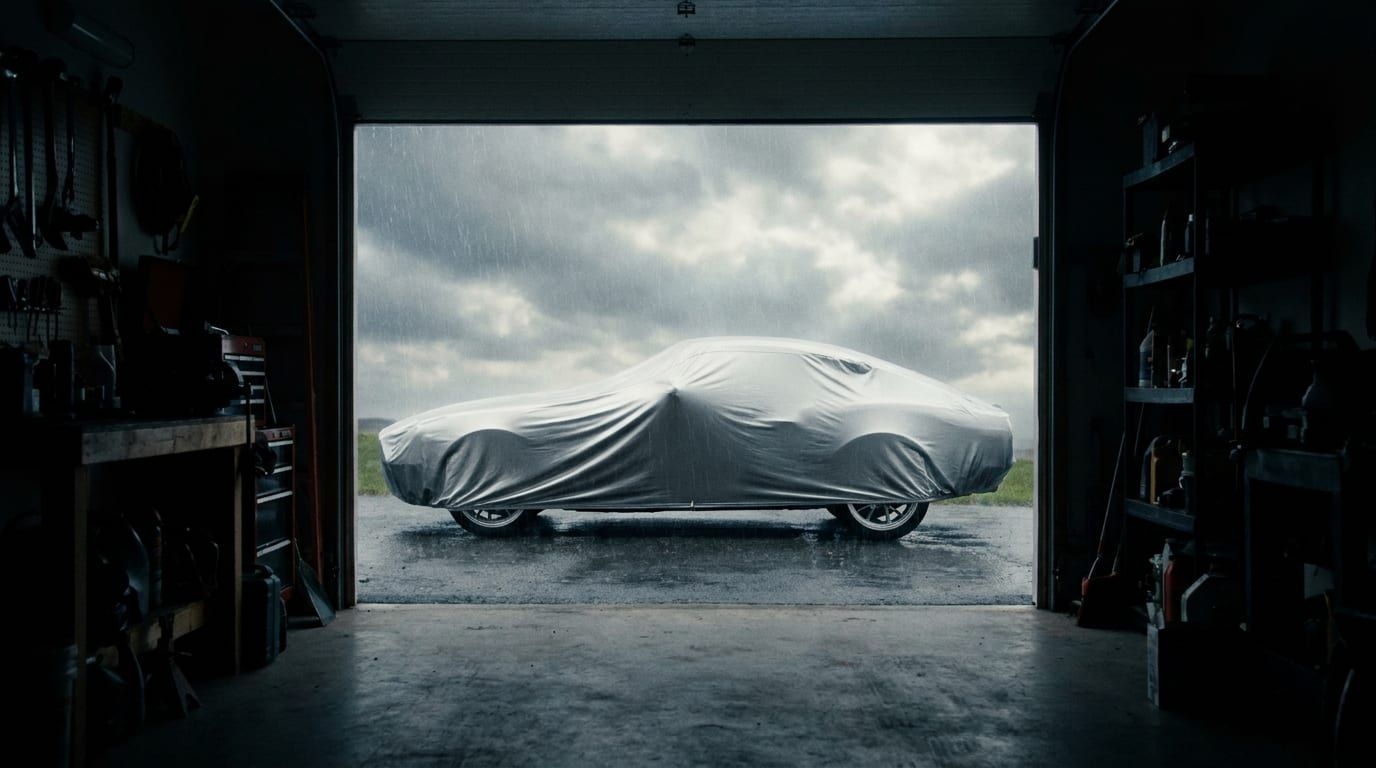
Fit isn't cosmetic here, it's functional. A custom-fit cover follows the Accord's actual lines, which means less loose fabric flapping in wind and fewer gaps where water pools or blows in sideways. Semi-custom and universal covers are cheaper up front, but the extra slack is exactly where problems start: constant flapping wears down the fabric faster, and loose material rubbing against the paint can leave fine scratches over months of daily use.
Getting the size right starts with year and trim. Accord LX, Sport, EX-L, and Touring all share a similar overall footprint, but the details differ enough to matter: rear spoilers on Sport and Touring trims, shark-fin antennas, larger side mirrors on higher trims. A cover that doesn't account for those will either not fit snugly or will chafe against those add-ons every time the wind picks up.
A few accessories are worth pairing with any outdoor cover:
- A cable lock through the grommets, keeping the cover secured and deterring theft or wind lift
- Gust straps for anyone in a windy region, they clip under the car and stop the cover from ballooning in a storm
- Mirror pockets or antenna patches if your trim has those features, so the cover doesn't stretch or tear around them
Before you check out, run your Accord's year and trim through a proper sizing tool. It takes two minutes and it's the single best way to avoid a return.
Outdoor Cover Tiers Compared: What You're Paying For
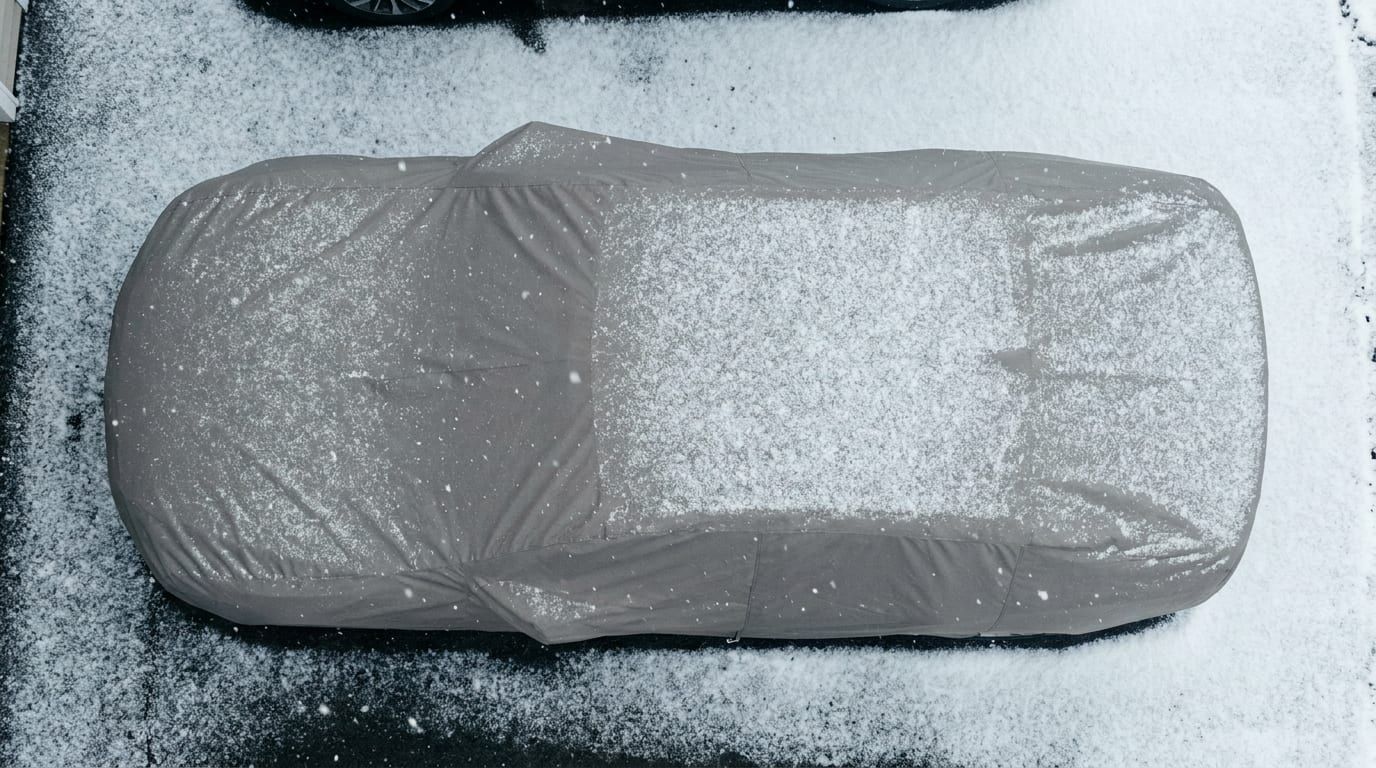
Not every Accord owner needs the same level of protection, and pricing generally breaks down into three tiers based on how much weather the cover is built to handle.
| Tier | Waterproofing | UV Protection | Best For |
| Entry-level | Basic water resistance, handles light rain/dew | Standard UV coating | Mild climates, occasional outdoor parking |
| Mid-tier | Full waterproofing with sealed seams | Stronger multi-layer UV blocking | Daily outdoor parking in variable weather |
| Premium/all-weather | Heaviest-duty waterproof fabric, built for sustained exposure | Maximum UV blocking plus added snow/hail resistance | Harsh climates or long-term outdoor storage |
Entry-level covers are fine if your Accord mostly lives in a garage and only sees outdoor parking occasionally, like a weekend trip or a day at the office lot. They're not built for daily grinding exposure, though, and the seams and fabric will show wear faster if that's how you're using them.
Mid-tier is where most daily-driven, outdoor-parked Accords land. Full waterproofing, reinforced seams, real UV blocking, built to handle variable weather without babying it. If you're checking the forecast before deciding whether to leave the cover on, this tier removes that decision.
Premium tier makes sense if you're in a genuinely harsh climate, heavy snow, hail-prone regions, or if the car sits outside for months at a stretch (a deployment, a long-term storage situation, a second car you don't drive daily). The fabric is heavier, tougher, and priced accordingly.
The simple rule: match the tier to how many months a year the car actually sits outside, and how severe your local weather gets. A mild coastal climate and a Midwest winter are not the same purchase decision, don't shop like they are.
Keeping Your Cover Working: Care and Maintenance Tips
A good cover isn't maintenance-free, but it's low-maintenance if you do a few basic things. Clean it with mild soap and water, then air dry it fully before folding it back up. Skip the harsh detergents and definitely skip the pressure washer, both can break down the waterproof coating and the UV inhibitors baked into the fabric over time. Full instructions are in this cover cleaning guide if you want the specifics.
Check the seams, elastic hems, and straps every month or two if the cover is going on and off daily. Elastic loses its snap eventually, straps fray, and a small tear at a seam only gets bigger if it's ignored. Catching wear early is a five-minute fix instead of a replacement.
When the cover isn't on the car, store it somewhere dry, folded loosely rather than crammed into a tight ball. A cover left damp in a bag is asking for mildew, which defeats the purpose of the thing entirely.
Get the Right Cover for Your Honda Accord Today
Two things actually matter for an Accord parked outside: verified waterproofing and real UV-blocking fabric. Everything else, color, price point, extra pockets, is secondary to those two.
If you're shopping, start with Honda-specific cover options built around the Accord's actual dimensions, and run your trim through a sizing tool before you buy so you're not guessing. A cover backed by a solid warranty and a no-hassle guarantee takes most of the risk out of the purchase, too, since fit and fabric performance are the two things people actually return covers over.
Worth a look while you're at it: our broader car care resources if you want to keep the rest of the Accord in shape alongside the cover. And if you're still comparing options, browse the outdoor cover lineup built specifically for your Accord's year and trim; it's a quick way to see what fits before you commit.
Updated