


Best Outdoor Car Cover for Honda CR-V: Waterproofing & UV Protection Compared
Parking a CR-V outside means the elements hit it every single day, not just during the occasional storm. If you're comparing an outdoor car cover for Honda CR-V ownership against just leaving it exposed, you're already ahead of most people. But not every cover marketed for outdoor use actually delivers on both fronts that matter: keeping water out and keeping UV rays from cooking the paint. This guide breaks down what to actually look for.
Why Your CR-V Needs More Than a Basic Tarp Outdoors
Most CR-V owners aren't dealing with a heated garage. You're looking at a driveway, an apartment complex lot, maybe a carport with no walls. That means sun, rain, pollen, and tree sap land on the vehicle daily, whether you like it or not.
Two problems show up first. Clear-coat fading and oxidation, from months of UV exposure baking the paint. And water spotting or, worse, mold, from a cover that traps moisture instead of shedding it. Both are avoidable, and both come down to the same question: does this cover actually match a waterproof rating with real UV protection, or does it just claim "outdoor use" on the packaging without backing it up?
Fit matters too. A custom-fit car cover built for the CR-V's shape performs differently than a generic universal one, even if the fabric spec sheet looks identical. Material layers, price tier, and how the cover actually sits on the vehicle all factor into whether it holds up. We'll get into each of those.
Waterproofing: What Actually Protects Your CR-V From Rain and Snow
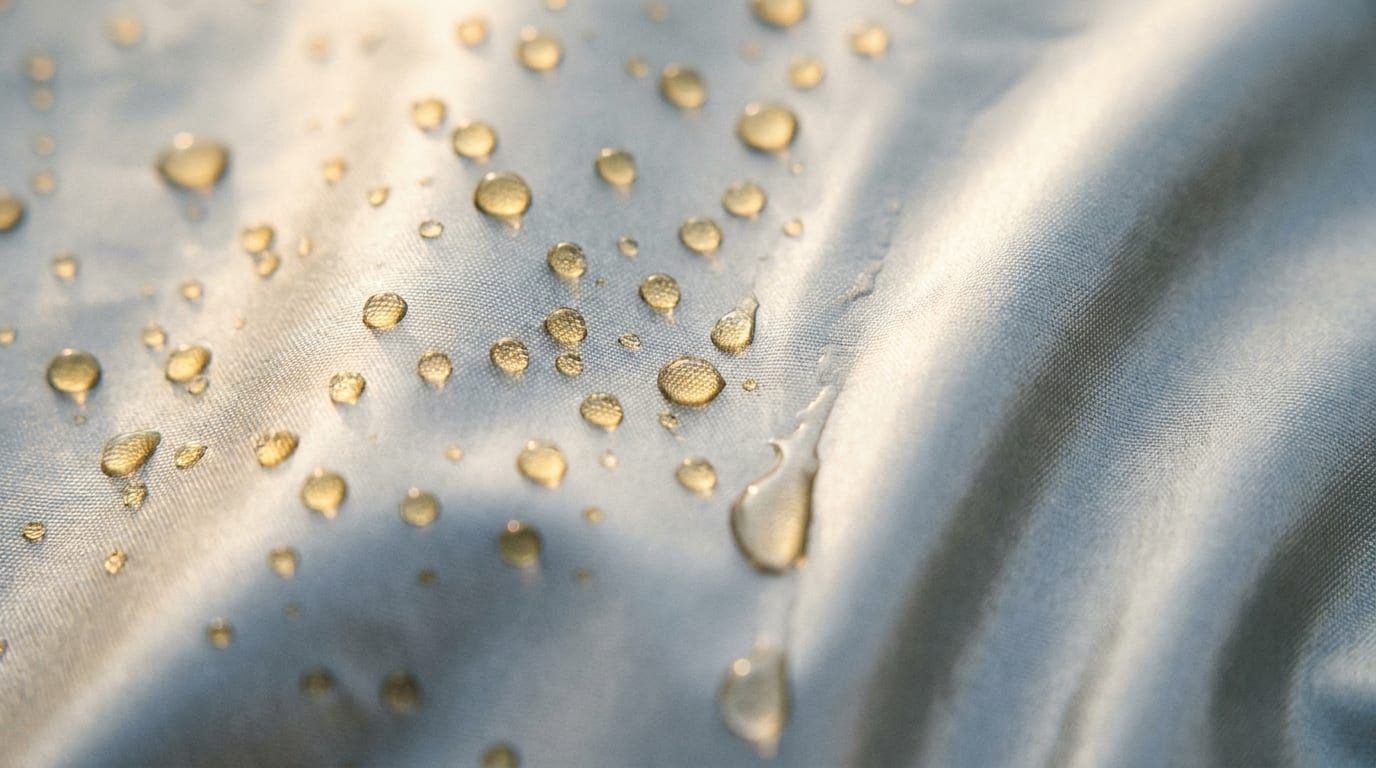
Here's where a lot of buyers get tripped up. "Water-resistant" and "waterproof" get used almost interchangeably in cover listings, and they're not the same thing. Water-resistant fabric repels light drizzle but still breathes, which is fine for a garage. Fully waterproof construction, with sealed or taped seams, is built for daily outdoor exposure: standing rain, snowmelt, sprinklers running at 6am.
Breathability still matters even on a waterproof cover. If moisture gets trapped underneath from condensation, you get the same paint and interior damage rain would have caused, just slower and less obvious. A cover has to keep water out and let trapped moisture escape at the same time. That's not a contradiction, it's just good fabric engineering.
For a CR-V specifically, check three things: taped seams running over the roofline (the crown of the roof takes the most direct rain contact), an elastic hem cinching down at the wheel wells so wind doesn't work its way underneath, and grommets positioned for a cable lock so gusts don't lift the edges and let water in sideways. A loose edge is basically an open invitation for rain to get under the cover.
Climate should drive the decision here. A CR-V parked outside in a wet Pacific Northwest driveway needs a heavier waterproof layer than one sitting in a dry Southwest carport. If you're in the first camp, start with the waterproof car cover options built for sustained exposure rather than a lighter one meant for occasional drizzle. And if you want the full rundown on wind and rain behavior outdoors, the guide to using a car cover outdoors covers it in more depth than we can here.
UV Protection: Stopping Sun Damage to Your CR-V's Paint and Interior
Sun does more damage over time than most people expect. Season after season of outdoor parking fades clear coat, then cracks it, and inside the cabin the dash and upholstery take a similar beating through the windshield even with a cover partially blocking direct light.
![Honda CR-V parked outdoors with sunlight hitting the hood]
A standard multi-layer cover blocks light the way an umbrella blocks rain: it's just a physical barrier. UV-treated fabric does something different. The top layer is coated to reflect or absorb UV rays instead of just sitting between the sun and the paint. That's the difference between a cover that holds its color for a couple of years and one that chalks and stiffens by the following summer.
Don't assume this only matters in Arizona or Texas. A CR-V parked in Minnesota or Ohio still sits through months of intense summer sun with zero tree cover in most driveways. UV damage doesn't need triple-digit heat, it just needs unfiltered exposure, and a shadeless driveway gives it plenty.
This is really the crux of picking an outdoor car cover for Honda CR-V use: waterproofing alone isn't the full job. If a listing only talks about keeping rain out and says nothing about UV treatment, that's a gap, not an oversight you can ignore.
Choosing the Right Fit for a Honda CR-V Specifically
Fit is where a lot of covers quietly fail, even when the fabric spec looks great on paper.
Custom-fit covers are cut to the CR-V's actual shape: the rounded SUV roofline, the rear liftgate contour, clearance for roof rails if your trim has them. A universal or semi-custom cover is a compromise, stretched or bunched to sort of work across a range of vehicle shapes. It'll go on, technically. But loose fabric flapping in the wind wears through the UV coating faster at friction points, and any gap where the cover doesn't sit flush is a place for water to sneak in. You end up undermining both the waterproofing and the UV protection you paid for, just from a bad fit.
Model year matters here too. CR-V generations have shifted roofline height and mirror placement over the years, so a cover cut for an older generation won't seat the same way on a newer one. Confirm your model year before ordering, and if you're unsure what size you actually need, run through what size car cover fits your vehicle before checking out. The Honda-specific SUV cover page is also worth a look if you want options built around the CR-V's actual dimensions rather than a generic SUV template.
Before buying, check accessory compatibility too: antenna cutouts if your CR-V has an external antenna, roof rail pockets if equipped, and grommets positioned for a cable lock. Missing any of these means extra wear points once the cover's on.
Comparing Outdoor Cover Options for CR-V Owners
Not every CR-V owner needs the heaviest cover on the shelf. It comes down to how much exposure the vehicle actually gets.
| Tier | Waterproofing | UV protection | Best for |
| Single-layer / light-duty | Water-resistant only | Minimal coating | Mild, mostly-dry climates, occasional outdoor parking |
| Multi-layer / heavy-duty | Fully waterproof, sealed seams | Full UV-blocking treatment | Daily outdoor storage, rain, snow, or intense sun year-round |
Light-duty covers are easier to fold, lighter to carry, and cheaper up front. But they wear out faster under constant UV exposure, since that thinner coating doesn't have much margin before it starts breaking down. Heavy-duty multi-layer covers last longer outdoors and handle serious weather, but they're bulkier, and putting one on and taking it off daily gets old fast if you're not committed to it.
The honest way to decide: count how many days a week the CR-V actually sits outside with no garage or carport. Two or three days a week of occasional exposure, a lighter outdoor car cover is probably enough. Parked outside seven days a week, every week, year-round, that's when the heavier tier earns its price. It's also worth checking whether the cover you're considering carries a lifetime warranty, since a manufacturer backing a cover for years is a decent signal it's built for the wear a heavy-duty tier is supposed to handle.
Installation and Keeping the Cover Secured Outdoors
A cover that doesn't fit snugly fails in a very specific way outdoors: wind gets under an edge, lifts it, and now rain has a path in right where the fabric's already flapping and wearing down its UV coating. It's a compounding problem, not just an annoyance.
A cable lock through the grommets does two jobs at once. It deters anyone from just lifting the cover off, and it keeps the whole thing anchored during a windy night instead of shifting around and working a hole in the fabric. If you haven't set one up before, installing a cable lock takes a few minutes and is worth doing from day one, not after the first storm blows the cover half off.
If you're in an open lot or anywhere gusty, wind straps are worth adding too. Gust strap installation is a small add-on that keeps the cover from ballooning or partially lifting in strong wind, which is exactly the scenario that undoes a good waterproof seal.
Getting the install right matters as much as the cover itself. Seams should run front to back, aligned with the CR-V's actual body lines, and mirror pockets need to be seated properly rather than just draped over. A cover installed sloppily won't perform to its rating no matter how good the fabric is.
Maintenance That Preserves Waterproofing and UV Protection Over Time
A cover isn't a "buy it and forget it" purchase. Dirt and grime sitting on the surface break down the water-repellent coating faster than clean fabric would, so regular cleaning isn't optional, it's part of protecting what you paid for.
Always let it dry fully before folding it up for storage. Folding a damp cover away is basically inviting mold, and mold doesn't just smell bad, it eats through both the waterproof layer and the UV coating from the inside. Skip harsh detergents too. The wrong soap strips the UV-blocking treatment prematurely, which defeats half the point of buying a treated cover in the first place. A proper cover cleaning routine is worth following instead of just hosing it off and calling it done.
Check high-friction spots each season too: mirror pockets, wheel well hems, anywhere fabric rubs against itself or the vehicle. That's where waterproofing typically fails first, long before the rest of the cover shows wear.
Making the Call: Which Outdoor Cover Fits Your CR-V
The decision really comes down to three things: how exposed your CR-V actually is, how often it sits outside uncovered otherwise, and what you're willing to spend. Wet climate and daily outdoor parking points toward the heavier multi-layer tier. Mild climate and occasional exposure means a lighter cover will probably do the job fine.
Fit matters just as much as material weight. A well-fitted cover with moderate waterproofing and UV protection will outperform a loose heavy-duty one that flaps around and lets water sneak in at the edges. Don't assume "thicker" automatically means "better protected."
Before you order, it's worth checking sizing and confirming what generation your CR-V is, since a cover cut for the wrong model year won't seat right no matter how good the fabric is. If you're still narrowing things down or want to see what fits your CR-V specifically, browse the cover options and subscribe for more guides like this one before you make the call.
Updated