


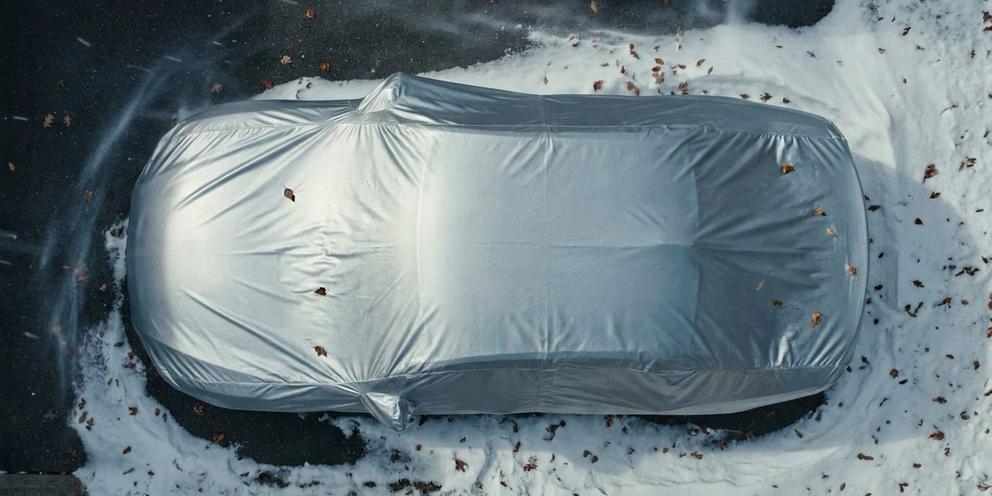
Best Outdoor Car Cover for Subaru Forester: Waterproofing & UV Protection Guide
Why Your Subaru Forester Needs a Dedicated Outdoor Cover
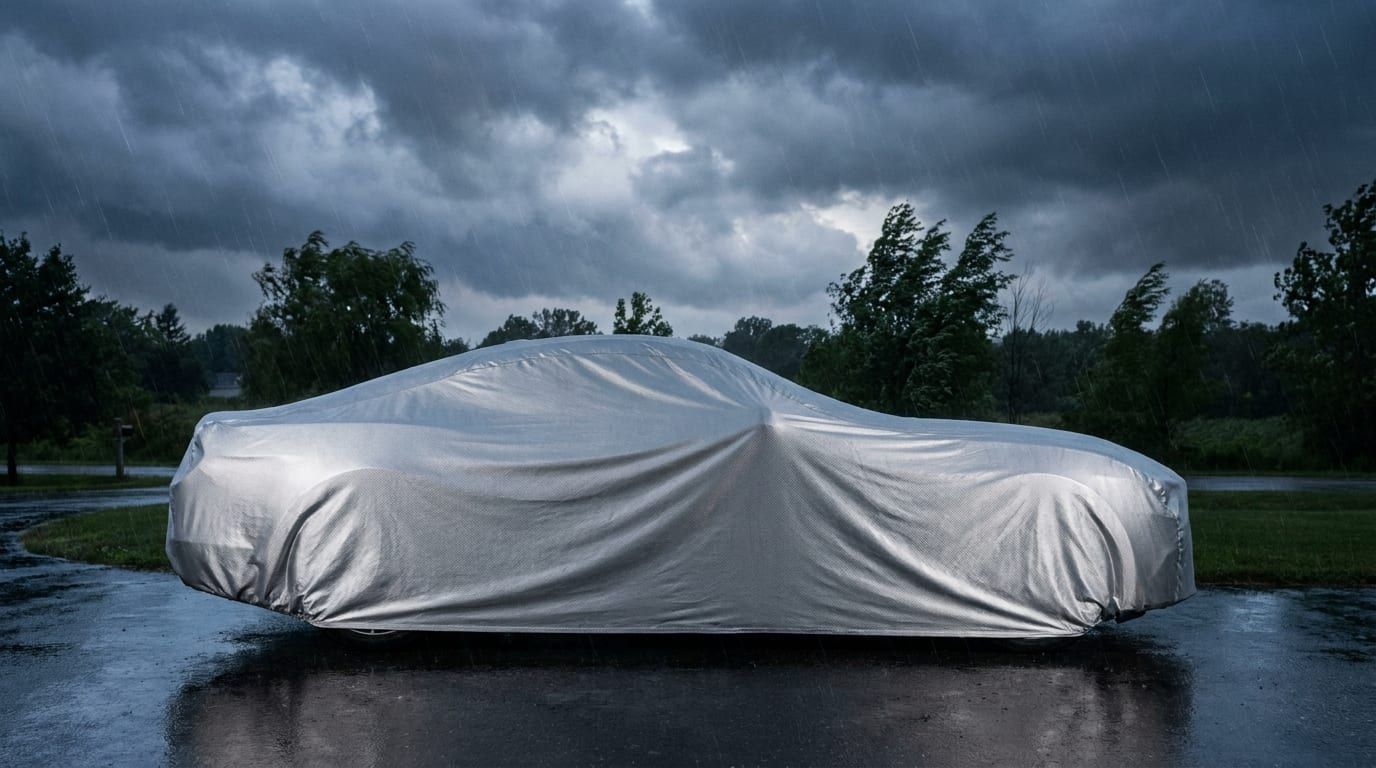
If your Forester lives on a driveway, in a carport, or at the trailhead while you're out hiking, it's taking a beating you might not even notice yet. Rain one day, blazing sun the next, then a layer of tree sap and bird droppings baked on by afternoon heat. That's just a normal week for a car parked outside. An outdoor car cover for Subaru Forester owners isn't a luxury item here, it's basic upkeep.
The Forester's factory paint and its generous glass area, including the sunroof on most trims, take the brunt of it. UV exposure fades paint and dries out trim faster than most owners expect, and water sitting on glass and body panels leaves mineral spotting that's a pain to buff out. Two things matter most when you're shopping for protection: how well the cover handles water, and how well it blocks UV. Get those two wrong and everything else about the cover (fit, straps, price) is beside the point.
Here's where a lot of owners get tripped up: a basic tarp-style cover from the hardware store is not the same product as a true outdoor car cover built for sustained weather exposure. Tarps trap moisture, flap in wind, and don't breathe. A real outdoor-rated cover is engineered fabric, not a plastic sheet with elastic corners.
What 'Waterproof' Actually Means on a Car Cover
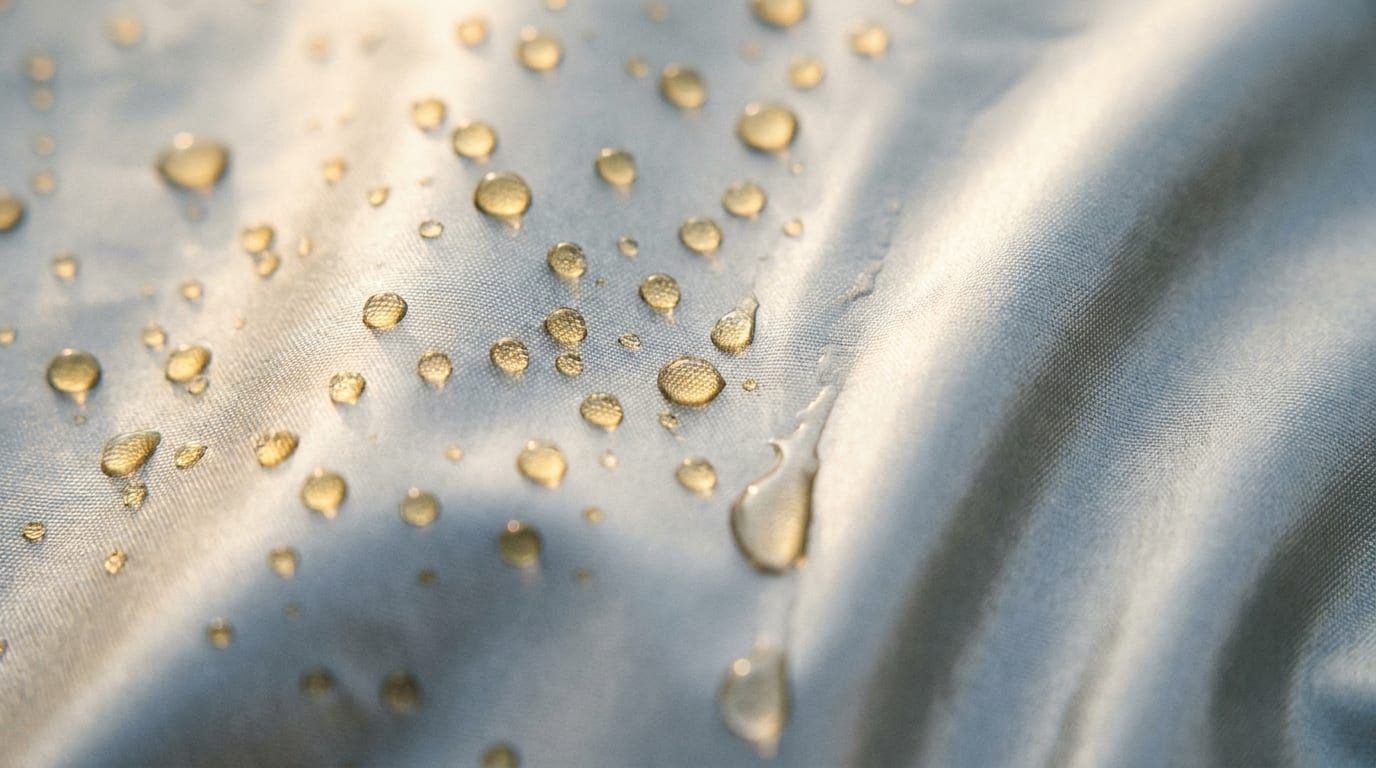
"Waterproof" gets thrown around loosely in this category, so it's worth being precise. Water-resistant fabric sheds light rain and morning dew just fine, but it'll soak through in a sustained downpour. Fully waterproof construction is a different animal: seam-sealed seams, tightly woven multi-layer fabric, and a design that's rated to keep water out through hours of hard rain, not just a passing drizzle.
The construction usually works in layers. An outer layer repels rain on contact. Inner layers manage the condensation that naturally forms underneath any cover, so moisture doesn't sit trapped against the Forester's paint overnight. That's the part people miss: blocking water from outside is only half the job. A cover that seals out rain but can't vent interior moisture will trap humidity against the clear coat, and that's a setup for mildew and water etching over time, not protection.
Breathability is the counterpart to waterproofing, and it's genuinely the detail that separates a good waterproof car cover from a bad one. Look past the marketing copy and check how the seams are actually finished. Taped or bonded seams, not just stitched ones, and a hem design that wraps under the rocker panels rather than just draping over them, those are the construction details that actually keep water out. Cheaper covers claim "waterproof" on the tag and skip all of that.
UV Protection: Stopping Fade Before It Starts
Paint fade doesn't happen overnight. It happens in small, invisible increments every day your Forester sits in the sun uncovered, until one year you notice the hood looks chalkier than the doors. UV-resistant coatings and treated fabric block that damage at the surface, protecting paint, plastic trim, and even the dashboard through the windshield glass, since UV rays don't care that there's a pane of glass in the way.
Where you live changes the math. Foresters parked outside in the Southwest, at high altitude, or anywhere with long, intense sun exposure see faster clear-coat oxidation without UV-blocking coverage. A cover that's fine in a cloudy, mild climate might not cut it in Arizona or Colorado.
One thing worth clarifying: UV protection and waterproofing aren't usually separate features bolted together. In a well-made cover, they're engineered into the same multi-layer fabric, with the outer layer doing double duty as the weather barrier and the UV shield. There's no "UV version" and "waterproof version" of the same cover, it's one fabric system doing both jobs. For a deeper breakdown of how these layers work together outdoors, the guide to using a car cover outdoors covers it in more detail than we have room for here.
There's a small bonus too: a UV-blocking cover keeps the cabin noticeably cooler when you pull it off. Less heat baked into the dash and seats means you're not blasting the AC for ten minutes just to make the car bearable.
Getting the Fit Right for Your Forester's Generation
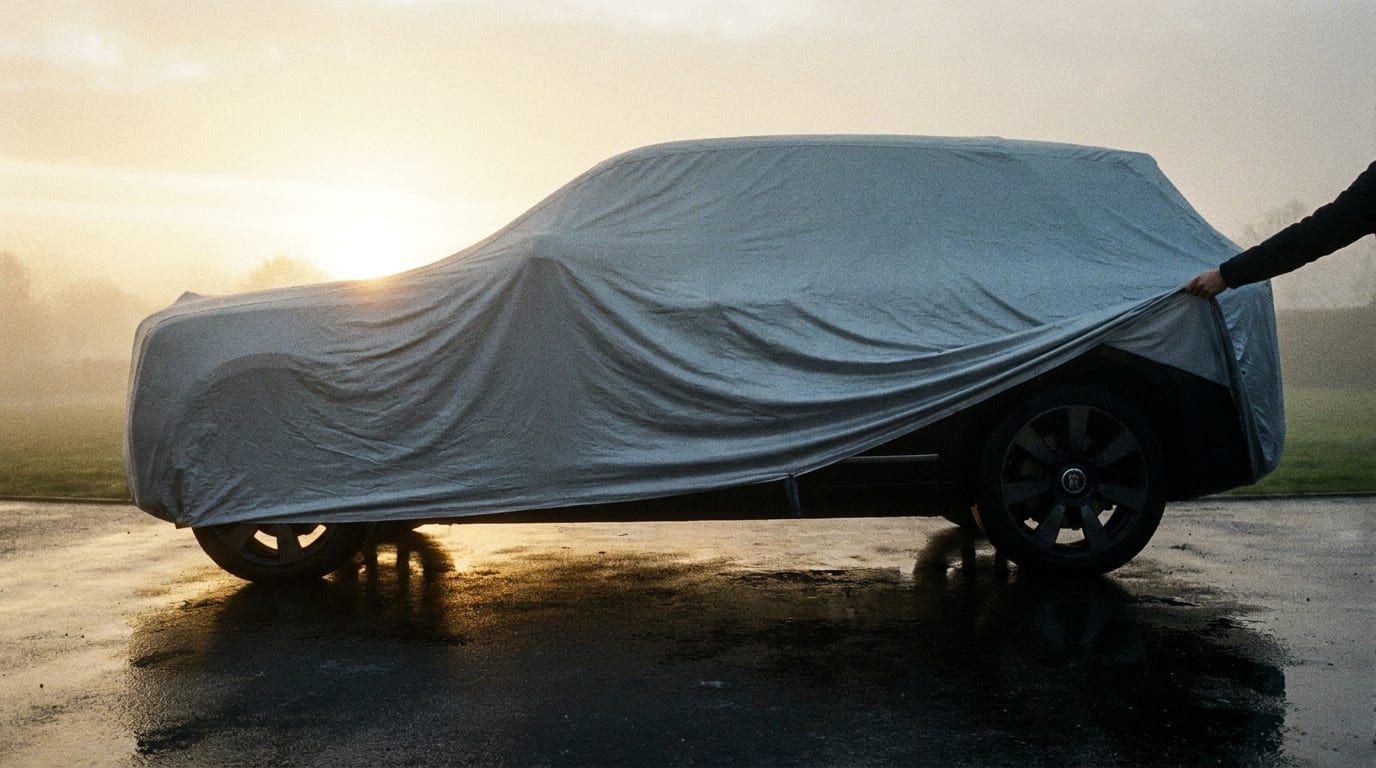
A cover that's close enough isn't close enough. The Forester's roofline, roof rack rails, rear spoiler, and antenna placement have all shifted across generations, and a universal cover sized for "mid-size SUVs" is going to fit loosely somewhere, usually everywhere.
Before you buy, check these specifics against your exact model year:
- Model year range the cover is designed for
- Clearance around roof rack rails or cross-bars
- Mirror pocket placement and sizing
- Antenna patch compatibility, especially if your Forester has a shark-fin antenna
This isn't pickiness for its own sake. A loose universal cover flaps in the wind, and that flapping does real damage. It rubs against paint over weeks and months, wearing down the exact clear coat the cover was supposed to protect, and it stresses seams until they fail early. A custom-fit cover built for the Forester's actual dimensions sits snug enough that wind doesn't get underneath it in the first place.
If you're not sure what size or fit category applies to your trim, the sizing guide for choosing the right car cover is worth five minutes before you buy, and Subaru's own SUV cover lineup is the fastest way to see what's actually built for your generation.
Comparing Outdoor Cover Options by Protection Level
Not every outdoor cover is built to the same spec, even within the "outdoor" category. Here's how the tiers typically break down when you're comparing an entry-level cover against something built for long-term daily outdoor parking.
| Feature | Entry-level outdoor cover | Full-protection outdoor cover |
| Waterproof rating | Water-resistant, fine for light rain | Fully waterproof, seam-sealed for sustained downpours |
| UV protection | Basic UV-treated fabric | Multi-layer fabric with reinforced UV-blocking topcoat |
| Breathability | Non-woven fabric, limited airflow | Engineered multi-layer fabric balancing waterproofing and venting |
| Wind security | Hem elastic only | Grommets for cable locks plus gust strap attachment points |
| Warranty | Limited coverage | Backed by a lifetime warranty |
The gap between those two columns is where most buyer's remorse comes from. An entry-level cover looks like a bargain until a windstorm catches it and you're dealing with scuff marks or a torn hem six months in. For a Forester parked outside year-round, the wind security and warranty rows matter almost as much as the waterproofing spec, because they determine whether the cover survives long enough to actually earn back its price. A cover backed by a lifetime warranty is a signal the manufacturer trusts its own stitching and fabric, not just a sales line.
Installing and Maintaining Your Cover for Maximum Protection
Getting the cover on right matters as much as buying the right one. Work front to back: drape it over the hood first, settle it into the mirror pockets, then pull it back over the roof and rear glass before cinching any straps. Doing it out of order is how you end up with a gap at the windshield seam that lets water pool right where you don't want it.
Once it's on, don't skip the gust straps. A cover that's secured only by its hem elastic will lift in a strong gust, and repeated lifting and resettling is exactly what abrades paint over time. Properly installed gust and wind straps anchor the cover under the vehicle so wind can't get a grip on it, without cinching so tight that the strap itself rubs a line into the paint.
The cover needs upkeep too, it's not a set-it-and-forget-it product. A periodic wash, following the right cover cleaning method, keeps the waterproof coating and UV treatment actually performing instead of just sitting there dirty and degraded. Dirt and grit ground into the fabric wear down the coating faster than the weather does on its own.
Know the signs it's done. If water stops beading on the surface and starts soaking in, if the coating looks cracked or chalky, or if the fabric feels stiff and brittle instead of pliable, that's UV breakdown talking. At that point the cover is protecting less than you think it is, and it's time to replace it.
Choosing and Buying the Right Cover for Your Forester
Run through this before you check out: confirm the fit matches your exact model year and trim, verify the fabric is genuinely waterproof and UV-treated (not just one or the other), make sure there's hardware for securing it in wind, and read the warranty terms closely.
For a vehicle parked outside daily, spending more upfront on a true multi-layer waterproof and UV cover is cheap compared to repainting a faded hood or detailing out water stains that have been baking in for a season. If you're cross-shopping beyond Subaru, the broader SUV covers lineup is a good way to see how these same protection tiers apply across other models too.
Before you buy anything, read the no-hassle guarantee terms so you know exactly what happens if the fit or fabric isn't right once it arrives. That's the detail that makes a cover purchase low-risk instead of a gamble.
If you found this useful, stick around the blog for more car care and protection guides, we add new ones regularly for owners dealing with exactly this kind of outdoor parking problem.
Updated