


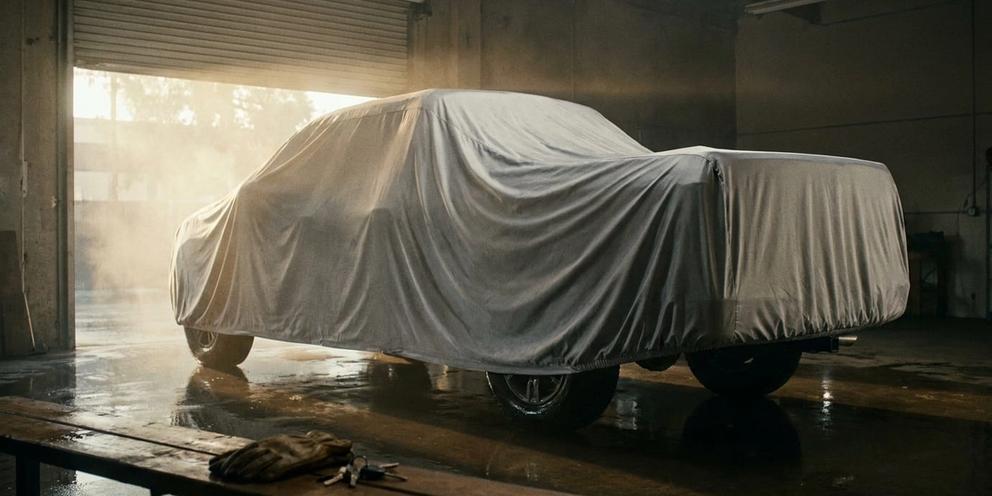
Best Outdoor Car Cover for Toyota Tacoma: Waterproofing & UV Protection Guide
Leave a Tacoma parked outside long enough and it'll tell on you. Chalky paint. A dash that's started to bow near the windshield. Headlight lenses gone cloudy. None of that is inevitable, it's just what happens when a truck sits under open sky without the right protection. If you're shopping for an outdoor car cover for Toyota Tacoma trucks right now, you're probably already past the "do I need one" stage and into "which one actually works."
Why Your Tacoma Needs a Purpose-Built Outdoor Cover
Tacomas don't get babied. They sit at job sites, trailheads, gravel driveways, wherever there's no garage. That means near-constant exposure to sun, rain, pollen, and whatever the sky throws down in a given season.
Two specs matter more than anything else on the spec sheet: true waterproofing and UV-blocking fabric. Skip either one and you're basically buying a dust cover that happens to look like a car cover. Toyota's clearcoat holds up well under normal conditions, but parked outdoors year-round, without a barrier, it oxidizes. Plastic trim, the front grille, bumper caps, side moldings, fades and chalks even faster than paint.
This isn't a general "here's what car covers do" piece. You're close to buying one, so we're going to walk through exactly what separates a cover that protects a Tacoma outdoors from one that just sits there looking like it's helping.
Waterproof vs. Water-Resistant: What Actually Protects a Tacoma Outdoors

These two terms get used interchangeably in marketing copy, and they shouldn't be. Water-resistant fabric repels a light drizzle, then soaks through the moment rain sticks around for an hour or more. Waterproof fabric is built differently: multiple laminated or coated layers designed to keep water out entirely, not just slow it down.
Here's the part buyers miss. The fabric panel usually isn't where leaks happen. It's the seams. Stitching punches thousands of tiny holes through the material, and if those seams aren't taped or sealed, water finds its way through every one of them during a real storm. A cover can advertise a waterproof fabric and still leak like a sieve if the seam construction is an afterthought.
There's a trade-off worth knowing before you buy: a cover that's fully sealed against water also needs to breathe. Moisture from the ground, temperature swings, or just humid air gets trapped underneath a non-breathable cover, and that turns into condensation sitting on your Tacoma's paint and interior surfaces overnight. Left long enough, that's a mildew problem, not just a moisture problem. The better outdoor covers manage both at once: waterproof from above, vented enough to let trapped moisture escape from below.
If you're still comparing fabric weights and want the fuller breakdown, the guide to using a car cover outdoors covers waterproofing, wind, and UV exposure side by side. And for a general primer on what waterproof actually certifies in a cover, the waterproof car cover guide is worth a read before you check out.
UV Protection: Stopping Fade, Cracking, and Interior Heat Damage
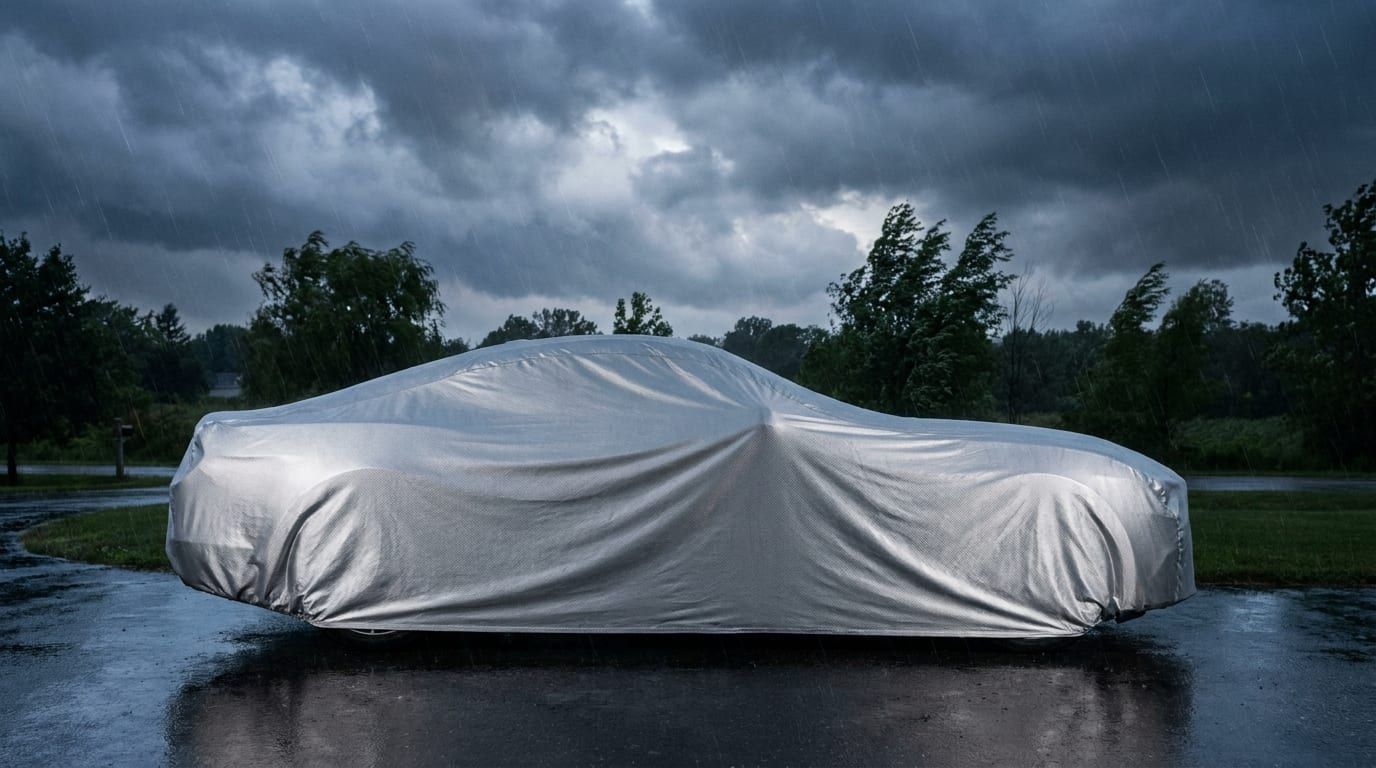
Sun damage doesn't announce itself. It just accumulates. UV-stabilized outer layers are what stand between your Tacoma's clearcoat and the kind of oxidation that shows up as dull, chalky patches a couple years in. Without that layer, UV rays also punch straight through glass and cook dashboards and seats from the inside, which is how you end up with cracked vinyl and sun-bleached upholstery on a truck that's otherwise in good shape.
Color matters here more than people expect. Black and red Tacomas fade noticeably faster than lighter colors because darker pigments absorb more UV energy. If your truck's one of those colors, a UV-treated or reflective cover isn't optional, it's the difference between keeping that deep black finish and watching it go matte gray over a couple summers.
It's not just paint and interior, either. Headlight lenses cloud up under sustained sun exposure, and rubber seals around doors and windows harden and crack the same way. A cover that blocks UV keeps all of that intact longer.
The catch: a lot of budget covers simply don't include UV inhibitors in the fabric, even when the listing implies otherwise. Before buying, check that UV protection is stated as an actual fabric property, not just implied by "outdoor use" language on the packaging.
Getting the Right Fit for Your Tacoma's Cab and Bed Configuration
Fit is where a lot of truck cover purchases go sideways. A Tacoma Access Cab and a Double Cab aren't the same shape, and a short bed versus a long bed changes the total length by a meaningful margin. Get the fit wrong and you end up with slack fabric that flaps in wind, or worse, gaps at the mirrors and bed rails where water gets in no matter how waterproof the fabric itself is.
A semi-custom or model-specific cover, built to your Tacoma's actual dimensions, beats a universal one for this exact reason. Universal covers are cut generously to fit "most trucks," which in practice means loose material bunching around mirrors, tailgate, and antenna, each one a spot where wind can lift the cover and let rain underneath.
Bed length is the single most common sizing mistake truck owners make when ordering online. Double check your Tacoma's actual bed length rather than guessing from memory, and if you're not sure where to find that spec, the pickup truck bed size guide walks through it by trim and year. For sizing your cover more broadly, this guide to matching cover size to your vehicle is a solid starting point too.
One more thing: measure bumper to bumper including anything mounted on or over the bed. A tonneau cover, bed rack, or toolbox all add height and length that a stock-sized cover won't account for.
Comparing Outdoor Cover Options by Protection Tier
Not every Tacoma owner needs the same level of protection, and covers are generally built in tiers to match that.
| Tier | Fabric | Best for |
| Entry | Single-layer treated fabric, basic water resistance, light UV inhibitor | Mild climates, short-term outdoor parking |
| Mid | Multi-layer waterproof fabric, taped seams, stronger UV coating | Daily outdoor storage in mixed weather |
| Top | Heavy-duty laminated fabric, maximum waterproof rating, reinforced stress points | Harsh sun, storms, long-term outdoor exposure |
The trade-off across these tiers is straightforward: more layers and stronger coatings mean more weight and a higher price tag, but also a longer usable life outdoors before the fabric breaks down. An entry-tier cover on a Tacoma that lives outside year-round in a rainy or high-UV climate will wear out fast, probably within a season or two.
Match the tier to your actual conditions, not to whatever's cheapest on the page. If your Tacoma sits outside every day, in real weather, the mid or top tier pays for itself in fewer replacements down the line.
Securing the Cover Against Wind, Storms, and Daily Driving Wear
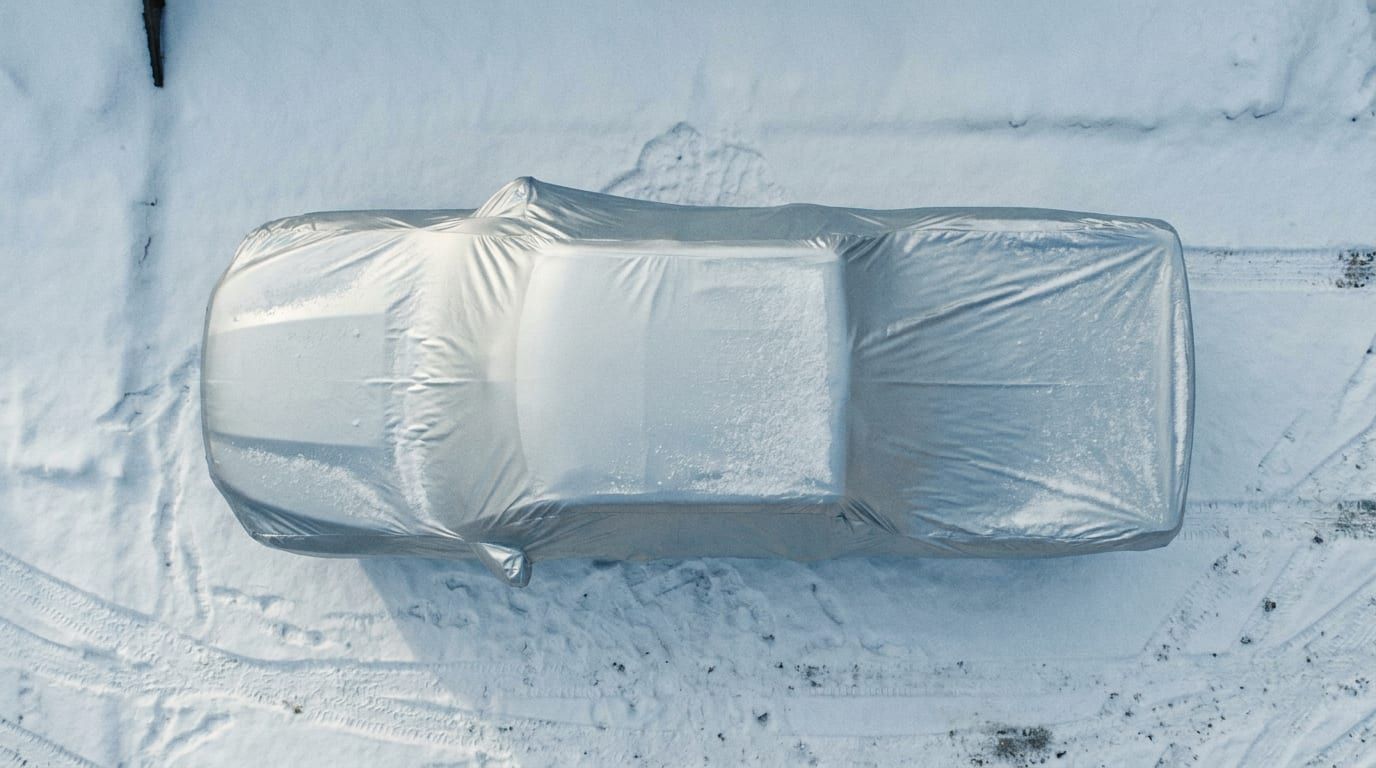
A waterproof cover that isn't secured properly stops being waterproof the second wind gets under an edge. Grommets paired with gust straps and a cable lock keep the cover pulled tight against the body, so wind can't work its way underneath and flip a corner loose during a storm.
If your Tacoma's parked under trees or somewhere rain tends to pool on flat surfaces, a support pole or bed tent-style setup helps keep water from collecting on the cab roof and sagging the fabric over time. Sagging fabric holds water longer than it should, and that's exactly the kind of standing moisture that finds a weak seam eventually.
After any real storm, check your strap tension. A loosened edge is the most common reason water gets in, not a fabric failure. It's a five-minute check that saves you from finding a soaked interior later. For the actual setup steps, the truck support pole installation guide walks through it, and the gust strap installation guide covers securing the edges properly.
Maintaining Waterproofing and UV Protection Over Time
Waterproofing isn't a one-time feature you buy and forget. Dirt, pollen, and tree sap sitting on the fabric break down the DWR (durable water repellent) coating faster than plain weather exposure does. Regular cleaning is what keeps that coating doing its job.
Stick to mild soap and a soft-bristle brush. Harsh detergents strip the UV-inhibiting treatment right along with the grime, which defeats the purpose of buying a UV-treated cover in the first place.
Know the signs your cover's done. Water should bead up and roll off, not soak through the fabric. If it's soaking in, or if you're noticing chalky, faded patches on the material itself, that's the cover telling you it's past its usable life. For a full routine, the cover cleaning guide breaks down the steps so you're not guessing at what's safe to use.
Choosing and Buying with Confidence: Warranty and Next Steps
Before you check out, run through the basics: confirmed waterproof rating (not just water-resistant), UV-treated fabric stated outright, a fit that matches your cab and bed length, and a way to secure it against wind. Skip any one of those and you're gambling with a truck that's parked outside most of its life.
Warranty terms are worth reading closely too. A solid one should cover fabric defects, seam failure, and UV degradation within a stated period, not just shipping damage. Worth checking what's actually included, like the coverage details on the lifetime warranty page, before you commit.
If you're ready to buy, start with your Tacoma's exact fit on the Toyota truck cover page rather than guessing from a universal size chart.
Get the fit, the fabric, and the strap setup right, and an outdoor car cover for Toyota Tacoma trucks stops being a maybe and starts actually earning its keep. If you're still weighing options, it's worth browsing a few more before deciding, and keeping an eye on our other guides for what to check next.
Updated