


Best Outdoor Car Cover for Your Volkswagen Tiguan: Waterproofing & UV Protection Guide
Why Your Tiguan Needs a Dedicated Outdoor Cover
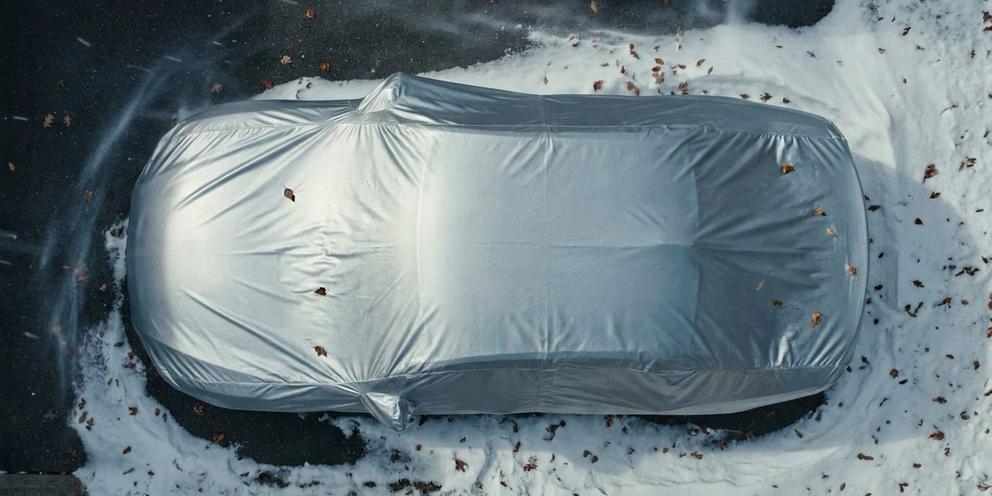
Two things wreck a parked Tiguan faster than anything else: standing water and the sun. Rain pools in the cowl, soaks into weather seals, and sits against the paint longer than it should. UV rays, meanwhile, work slower but hit harder over time, baking the clear coat and cooking the dash through the windshield day after day.
Here's the complication most Tiguan owners run into. The Tiguan's SUV roofline, raised mirrors, and rear hatch spoiler don't play nice with a generic universal cover. Those covers are cut for an "average" shape that doesn't exist, so you end up with loose fabric gapping at the mirrors and pooling water right along the hatch seam, exactly where you don't want it.
If you're here, you're not trying to learn that car covers exist. You're trying to figure out which one to actually buy. So let's get into the decision framework that actually matters: waterproof rating, UV protection, fit precision, and where your budget should land. Get those four right and an outdoor car cover for Volkswagen Tiguan earns its keep in the first bad storm.
What Outdoor Exposure Actually Does to a Parked Tiguan
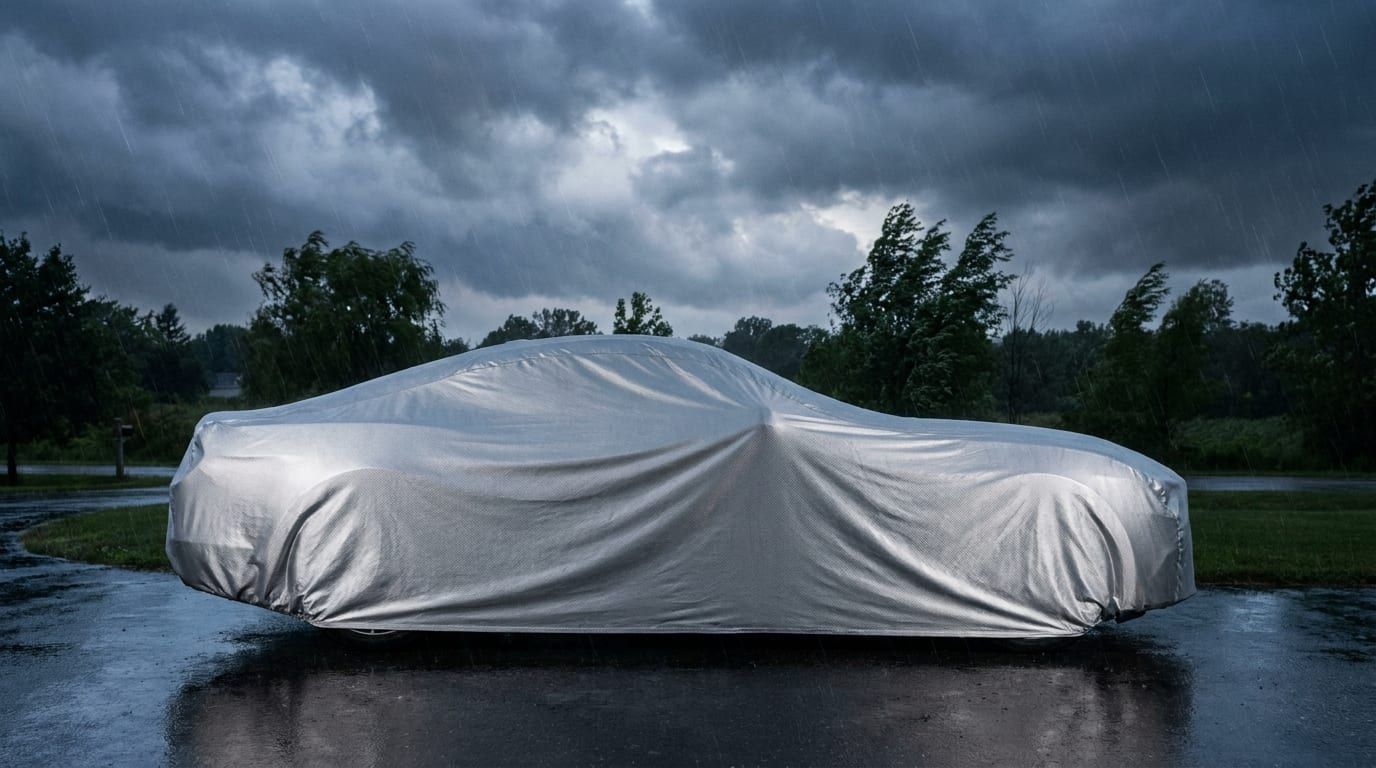
UV damage shows up in three places. Clear coat oxidizes, going from glossy to chalky over repeated sun cycles. Dash plastic and leather fade through the windshield, sometimes within a single aggressive summer. Rubber seals around doors and windows dry out and crack, which is how you end up with a water leak you can't explain.
Moisture damage is its own list. Water spots etch into paint when hard water sits and evaporates in place. A non-breathable tarp traps humidity underneath it, and that humidity works its way into carpet fibers, where it just sits and grows a smell you can't get rid of. Exposed metal trim and fasteners start corroding faster than you'd think, especially if your Tiguan sees coastal air or road salt.
Then there's the stuff that makes both problems worse at once: tree sap, bird droppings, pollen. All three trap moisture right against the clear coat and bake in the sun, which is basically a slow-motion acid test for your paint.
An outdoor-rated cover with real waterproofing and real UV blocking handles both of these failure modes together. A cover that's only good at one, say, blocks sun but leaks at the seams, just trades one problem for another.
Waterproofing: What to Actually Check Before You Buy

"Water-resistant" and "waterproof" get used interchangeably in marketing copy, and they shouldn't be. Water-resistant fabric sheds light moisture for a while, then saturates. Waterproof fabric, with a proper coated or laminated barrier, keeps water out under sustained exposure. If your Tiguan lives outside year-round, you want the latter. There's no in-between option that holds up through a real storm season.
Seams are where cheap covers actually fail. A fabric panel can be perfectly waterproof and still leak if the stitching isn't taped or sealed at the seam line. That's the detail budget covers skip to hit a lower price, and it's the first place water gets in during driving rain.
Breathability still matters, even on a fully waterproof shell. Seal a car under fabric that can't vent moisture, and condensation builds up underneath from daily temperature swings alone, no rain required. That trapped moisture causes the same mildew smell as a leak would, just from the inside out. Good waterproof car covers manage both sides of that equation, blocking rain from outside while letting vapor escape from inside.
One more thing specific to the Tiguan's body style: check for reinforcement at the wheel wells and rocker panels. SUVs kick up more splash-back than sedans do, and that's where cheap fabric wears thin first.
UV Protection: Blocking Sun Damage Without Overheating the Cover
Look for UV-stabilized fabric, not just "UV-resistant" printed on the label. Stabilized coatings are built into the fiber to resist breakdown from sun exposure over years, not just one season. For a Tiguan parked outside daily, that's the only version worth paying for.
Color and reflectivity matter more than people assume. A lighter outer shell with reflective treatment keeps cabin temps lower on hot days and slows down the fabric's own aging process. Dark, non-reflective covers absorb heat, which speeds up brittleness in the fabric itself.
That's worth sitting with for a second: UV protection isn't just about your Tiguan, it's about the cover surviving too. Cheap fabric that skips UV stabilization cracks and thins within a season or two of real sun exposure. You end up replacing the cover annually, which costs more over time than buying the right one once.
And it ties directly to resale. A Tiguan with intact clear coat and a dash that hasn't gone chalky commands a noticeably better trade-in number than one that's visibly sun-worn. Buyers notice faded dashboards immediately, even if they can't articulate why the car feels "older" than its mileage suggests.
Getting the Fit Right for a Tiguan
Fabric quality only gets you halfway. A loose universal cover flaps in the wind, and that flapping does two bad things: it works wind-driven rain underneath at the gaps, and it wears through the fabric at every contact point from constant friction against the body. A semi-custom or model-specific fit solves both problems by keeping the cover tight against the body where it belongs.
Tiguan rooflines and mirror placement have shifted across model years, so a cover cut for a 2018 won't necessarily sit right on a 2023. Confirm your exact year and trim before you buy. It's the single easiest way to avoid a return.
Check three spots specifically: the antenna cutout, the mirror pockets, and clearance around the rear spoiler. These are the gap points where water gets in on most SUV shapes, Tiguan included. A cover that's vague about any of these three is a cover that'll leak eventually.
If you're not sure which fit category your Tiguan falls into, the sizing guide for choosing the right car cover walks through it by year and trim, and it's worth five minutes before you buy. Custom-fit car covers built for your exact model are the safest bet if you want to skip the guesswork entirely.
Comparing Cover Tiers for a Tiguan Parked Outdoors
Not every outdoor cover is built for the same conditions, and the price difference between tiers usually reflects real material differences, not just branding.
| Factor | Entry-level tier | All-weather / premium tier |
| Waterproof rating | Light rain and dew only | Sustained rain, some snow load |
| UV protection | Basic UV-resistant coating | Multi-layer UV-stabilized fabric |
| Material | Single-layer economy fabric | Multi-layer laminated shell |
| Typical price range | Lower upfront cost | Higher upfront cost, lower cost per year of use |
| Warranty | Shorter coverage window | Longer coverage, signals expected fabric lifespan |
If your Tiguan sits outside occasionally, or you live somewhere mild, an entry tier might genuinely cover your needs. But if it's parked outdoors daily through real weather, the all-weather tier earns its premium through abrasion resistance and a fabric that won't need replacing every year. Warranty length is a useful shortcut here too. Manufacturers back fabric they trust to last, so a longer warranty usually tracks with a cover actually built for daily outdoor use. CarCovers backs its covers with a lifetime warranty, which is a decent signal of what the fabric is expected to handle.
Installing and Maintaining Your Cover for Maximum Protection
A great cover installed loosely still lets water and wind do damage. Secure it properly: straps under the body, cable locks if wind is a regular issue in your area, and grommets tightened so there's no slack for gusts to grab onto overnight. Loose cover, same problems as no cover, just slower.
Clean it on a regular cadence, and skip harsh detergents. Strong cleaners strip the water-repellent finish right off the fabric, which defeats the purpose of buying a waterproof cover in the first place. A proper cleaning routine for your car cover keeps that coating intact for years instead of months.
Check friction points every few weeks: mirror pockets, antenna base, anywhere fabric rubs against hard trim. Small tears start here, and they're easy to miss until they're leak points. Catching wear early is cheaper than replacing the whole cover.
Correct installation does double duty, too. It keeps the UV coating from abrading prematurely against the car's own hardware, which stretches the cover's effective lifespan well past what sloppy installation gets you. If you want the specifics, installing your car cover the right way covers the setup step by step.
Protect Your Tiguan Starting Today

For a Tiguan parked outside, the math is simple: prioritize a waterproof-rated, UV-stabilized, Tiguan-specific fit over whatever universal cover is cheapest at checkout. The fit is what keeps the waterproofing honest, and the UV coating is what keeps both your paint and the cover itself from aging out early.
Weigh that against the alternative. A repaint or an interior fade repair costs real money, a lot more than a good cover does. A few hundred dollars now is a lot cheaper than fixing sun-baked upholstery or a clear coat that's gone chalky.
If you're ready to look at options built for your Tiguan specifically, the Volkswagen SUV cover lineup is worth a browse. And if you're still weighing your options, stick around and explore a few more guides. It's worth getting this one right the first time, especially with a no-hassle guarantee backing the purchase if the fit or fabric isn't quite what you expected.
Updated