


Best Waterproof Car Cover for Your Dodge Charger: Climate-by-Climate Protection Guide
A Dodge Charger sits low, wears a long hood, and carries that factory paint finish like a badge. Which means it takes weather differently than the SUV parked next to it. Water pools along that hood line, road spray kicks up onto the lower panels, and UV rays hit the flat surfaces at an angle that fades clear coat faster than you'd think. If you're shopping for a waterproof car cover for your Dodge Charger, the honest answer is: it depends on where you live. A cover built to handle Phoenix sun behaves nothing like one built for a Michigan winter, and treating "waterproof" as a single checkbox is how people end up disappointed six months in.
This guide walks through matching cover material and features to your actual climate, not just grabbing the cheapest waterproof label on the shelf. We'll cover heavy rain and humidity, snow and ice, extreme heat and UV, and coastal salt air, since each one asks something different of the fabric protecting your car.
Why Your Dodge Charger Needs Climate-Specific Waterproof Protection
Here's the thing about "waterproof" as a marketing word: it tells you almost nothing about how a cover performs in your specific conditions. A cover that shrugs off a light Seattle drizzle might trap heat and cook your dash in Tucson. One that's great in dry Colorado snow might not have the mildew resistance a Charger needs sitting outside in Florida humidity all summer.
The Charger's shape matters here too. That low nose and long hood create pooling spots that a boxier vehicle just doesn't have, and the factory finish on newer Chargers is exposed to UV across more flat surface area than you'd get on a compact hatchback. So the right waterproof car cover for a Dodge Charger isn't about finding the single best product on the market. It's about matching the cover's build to the weather your Charger actually lives in, whether that's daily rain, freezing nights, brutal sun, or salt-heavy coastal air.
What 'Waterproof' Actually Means in a Car Cover Fabric
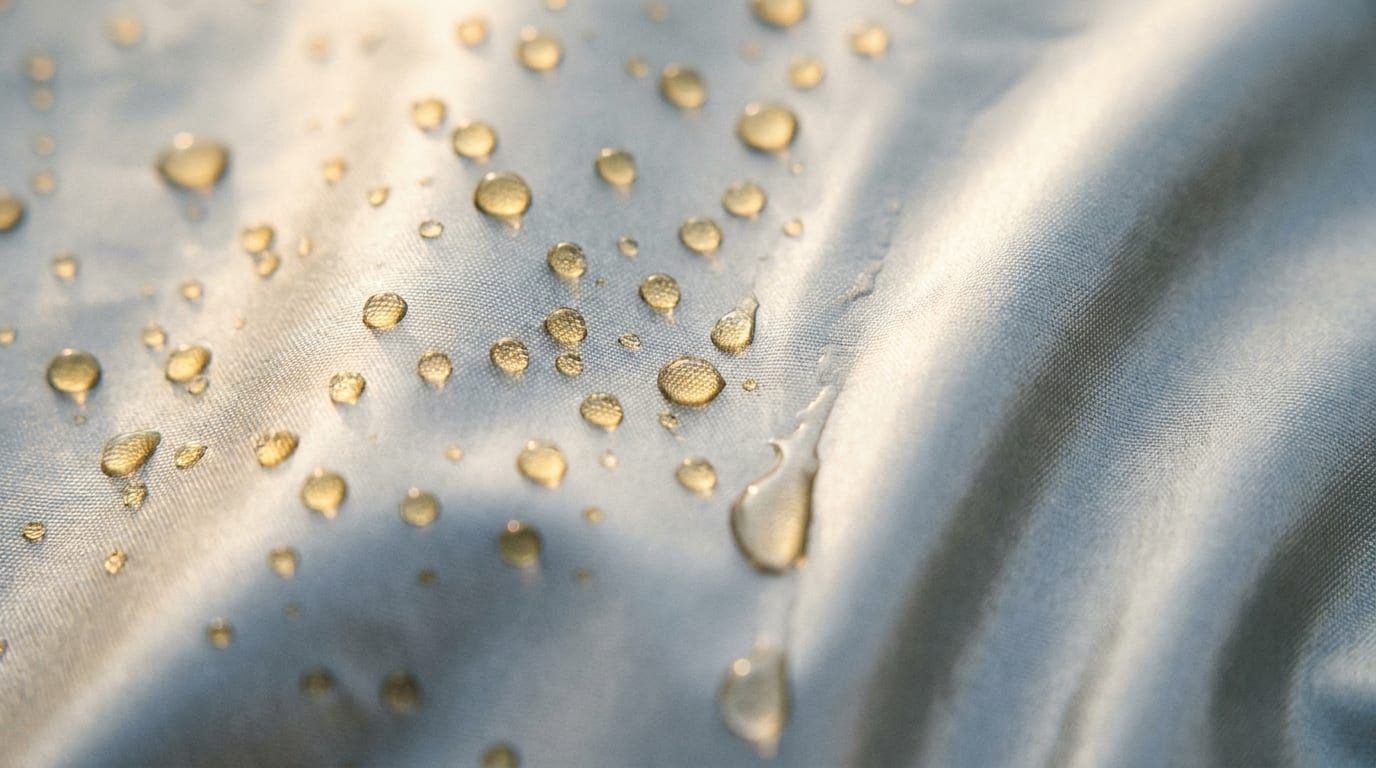
Not all waterproofing is the same, and the terms get thrown around loosely. Water-resistant fabric slows moisture down. Water-repellent adds a surface treatment that beads water off, at least until it wears down. Truly waterproof covers use multi-layer construction, usually a woven outer shell bonded to a waterproof membrane, that actually blocks water from getting through, not just delaying it.
Breathability is the part people miss. A cover that's fully sealed against water but doesn't breathe traps moisture underneath it, and that moisture has nowhere to go. On a Charger sitting covered for days, that means condensation building up against the paint and inside the cabin if any panels are cracked. Ironically, a poorly designed "waterproof" cover can cause more moisture damage than a decent water-resistant one with good airflow.
The details matter more than the headline claim. Seam taping keeps water from sneaking through stitch holes during a real downpour, not just a light mist. Grommets and hem elastic keep the cover cinched down so wind-driven rain doesn't work its way up underneath. If you want the material science behind all this, the waterproof fabrics breakdown goes deeper into how these layers actually perform.
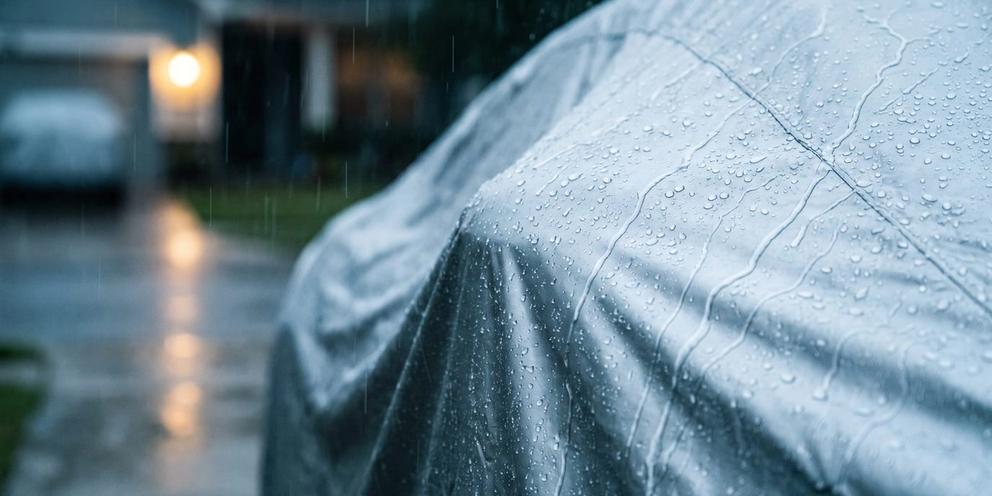
Protecting a Charger in Heavy Rain and High-Humidity Climates
If you're in the Southeast or the Pacific Northwest, rain isn't an occasional inconvenience, it's Tuesday. For that environment, you want a multi-layer waterproof shell with taped seams, full stop. Anything less and you're fighting a losing battle against daily saturation.
Ventilation panels earn their keep here too. Humid climates plus a sealed cover equals mold and mildew on interior surfaces if there's no airflow, especially when the Charger sits covered for a week at a time between drives. Reinforced grommets and solid tie-down straps also matter more than people expect, since wind-driven rain during a storm will find any weak point in the anchoring and use it.
If you're parking outside in one of these regions, skip anything marketed as indoor-only. A purpose-built outdoor waterproof cover is the baseline, not an upgrade.
Snow, Ice, and Freezing-Climate Considerations
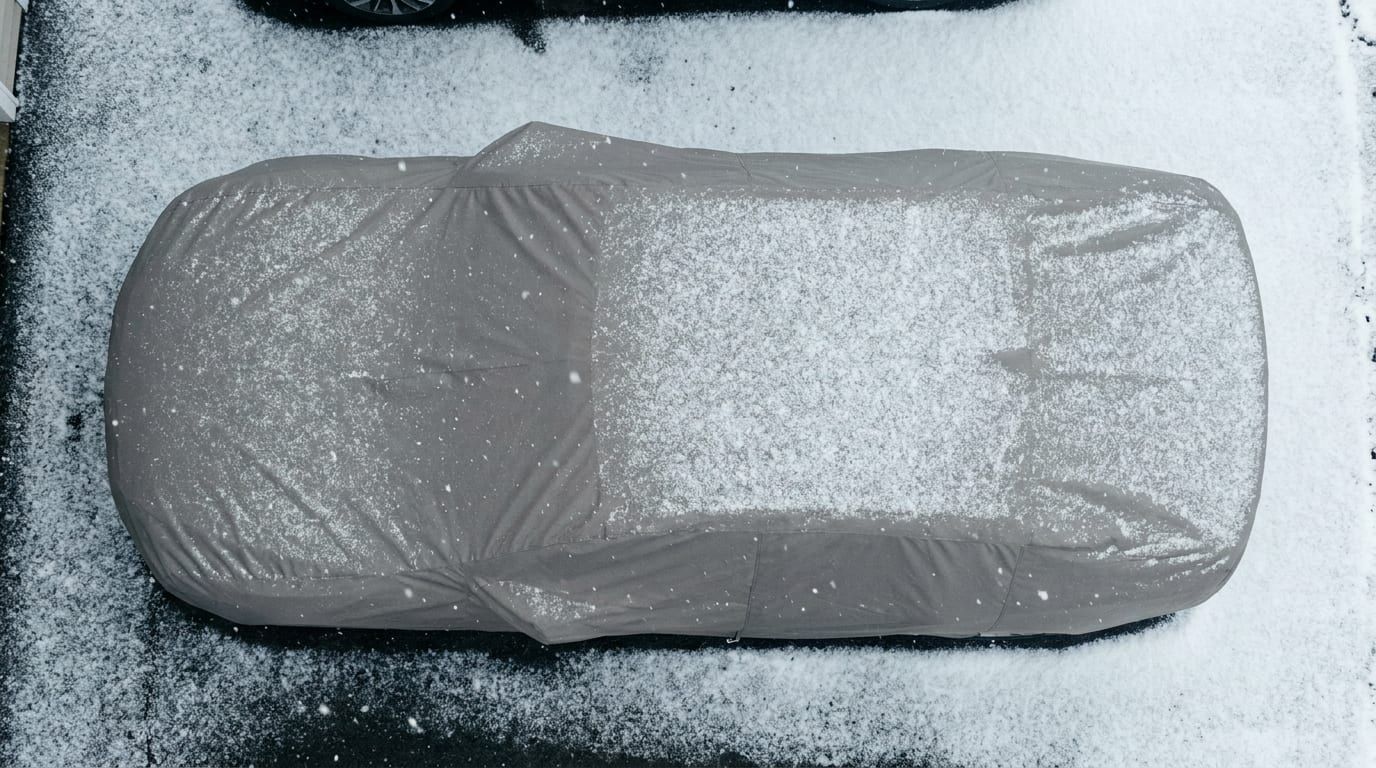
Cold climates need a thicker shell, and I mean that literally. Thin fabric stiffens in freezing temps and cracks or tears the first time you try to pull snow off it. You want something built to flex in the cold, not fight you.
The interior lining matters just as much as the outer shell in winter. A fleece-lined or napped interior keeps ice crystals from grinding against the clear coat during freeze-thaw cycles, which is a slow, quiet way to dull a Charger's paint over a few winters without you noticing until it's done. Elastic hems and cable locks aren't just nice-to-haves here either. Wind gusts plus a few inches of snow load can shift a loose cover right off the car, and then you're back to square one.
One habit worth building: brush heavy snow off before it compacts. Don't lean on the cover to bear the weight indefinitely. Even a good winter-rated waterproof cover for a Dodge Charger isn't designed to be a snow shelf.
Sun, Heat, and UV Protection for Hot/Dry Climates
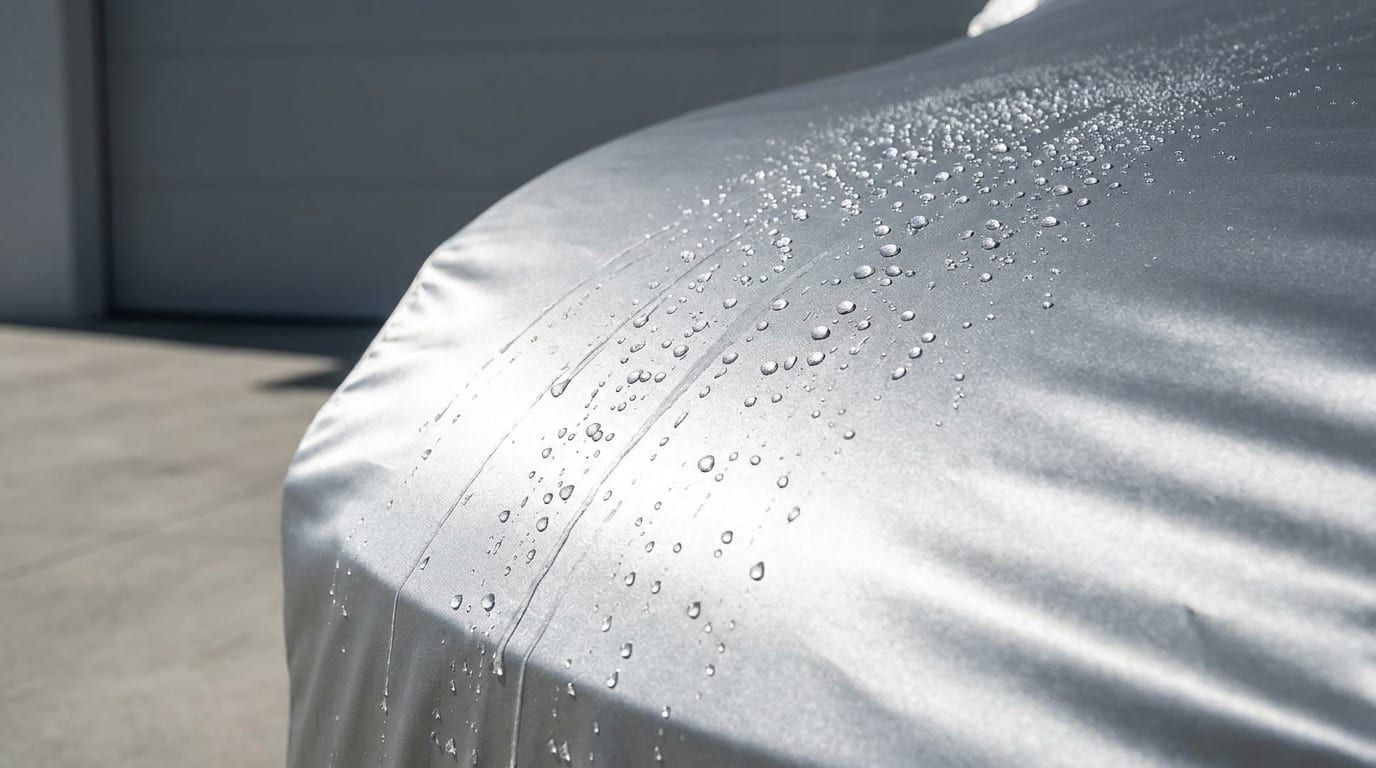
Desert and Southwest climates ask for the opposite priorities. Here, UV resistance is the headline feature, not cold flexibility. A reflective outer layer keeps paint from oxidizing and stops interior dash plastic from cracking under the kind of sun that bakes a parked car by 9 a.m.
Breathability comes back into play here too, and this is where a lot of cheap covers fail badly. A non-vented cover sitting in full sun can trap heat against the paint and actually make things worse than leaving the car uncovered. If you're shopping for hot climates, don't just check the UV rating, check whether the fabric actually vents.
Color matters more than people realize. Lighter or reflective silver covers run noticeably cooler to the touch than dark universal covers baking in the same sun. If you're parking your Charger outdoors daily in Arizona, Nevada, or Texas, this is the tier of protection where the investment pays off fastest, since sun damage compounds every single day the car sits exposed.
Coastal and Salt-Air Exposure
Salt air is sneaky. It doesn't just sit on the surface, it works into every seam, every trim gap, every spot near the wheel wells, and it keeps corroding even with a cover on if that cover isn't built for it. Standard waterproof fabric wasn't designed with corrosive air in mind.
Look for covers specifically rated for coastal or corrosive environments, with mildew resistance built in for the constant moisture that comes with salt air. And the cover itself needs upkeep here more than anywhere else. Rinse and dry your Charger regularly so salt residue isn't sitting trapped against the paint under the cover, quietly doing its damage overnight.
Wash the cover itself more often too. Inland owners can usually stretch out cleanings; coastal owners can't. Salt buildup on the fabric works against the waterproofing over time, and a quick rinse now beats a replacement cover later. The cover cleaning guide walks through the process if you're not sure how often is enough.
Matching Fit and Features to Your Dodge Charger
None of this matters if the cover doesn't actually fit. Custom-fit covers seal tighter around the wheel wells, mirrors, and body lines than semi-custom options, which means less chance for wind to work water in around the edges. A semi-custom cover can still work fine, but you're trading a little protection for a lower price point.
Sizing mistakes are honestly the number one reason a "waterproof" cover still leaks somewhere. If the cover's too loose, water finds the gap. Too tight, and you're stressing seams that eventually give. Check the sizing guide against your Charger's specific generation and trim before you buy, and browse custom-fit options if you want the tightest seal possible. The Dodge brand page is a good starting point for cross-referencing what's actually built for your model.
One thing people forget: even garage-kept Chargers benefit from a lighter waterproof layer if the garage isn't fully sealed against moisture. An indoor-rated cover with some water resistance still beats a plain dust sheet if humidity gets into that space at all.
Keeping Your Cover (and Charger) in Top Shape
Basic care isn't complicated. Shake off debris before folding, spot-clean using whatever the fabric instructions say, and make sure it's fully dry before you store it. Skip that last step and you're inviting mildew into the fabric, which defeats the whole purpose of buying a waterproof cover in the first place.
Worth thinking about cost here too. A good cover is cheap insurance next to the kind of paint correction or interior repair that weather damage can lead to, and the Charger maintenance cost guide is useful if you're weighing that investment against everything else on your upkeep list. Warranty coverage is also worth checking before you buy, since climate-driven wear like UV breakdown or cold cracking is usually exactly what a solid lifetime warranty is meant to address.
Pick the cover that matches where your Charger actually lives, not just the one with the biggest "waterproof" label on the box. If you want to keep learning before you decide, our articles section has more climate and care guides worth a look, or subscribe for future posts if you'd rather have the next one land in your inbox.
Updated