Seal Skin and CarCovers: What This Comparison Covers
Seal Skin sells two different product lines: boat covers and vehicle covers. If you landed here searching for seal skin boat covers, this isn't that article, CarCovers.com doesn't sell boat covers at all, so a boat-cover-to-boat-cover comparison isn't possible on this site. What we can do is look at vehicle covers specifically, since both companies sell those.
This is for a specific kind of shopper: someone who found Seal Skin while shopping for a boat cover, noticed they also carry car covers, and now wants to see how that vehicle cover lineup stacks up against a dedicated car cover retailer before deciding where to buy. Fair question. So that's what this is, a look at structure, not a verdict on quality.
We're sticking to things you can actually verify: how many cover tiers each company offers, what fit type they use, which brands are in the lineup, and what the warranty paperwork says. We're not going to tell you Seal Skin's vehicle covers are better or worse than CarCovers' without a basis for the claim, and we're not going to guess at specs we haven't confirmed. Check each company's current product pages for the details that matter to your purchase.
CarCovers.com's Vehicle Cover Lineup
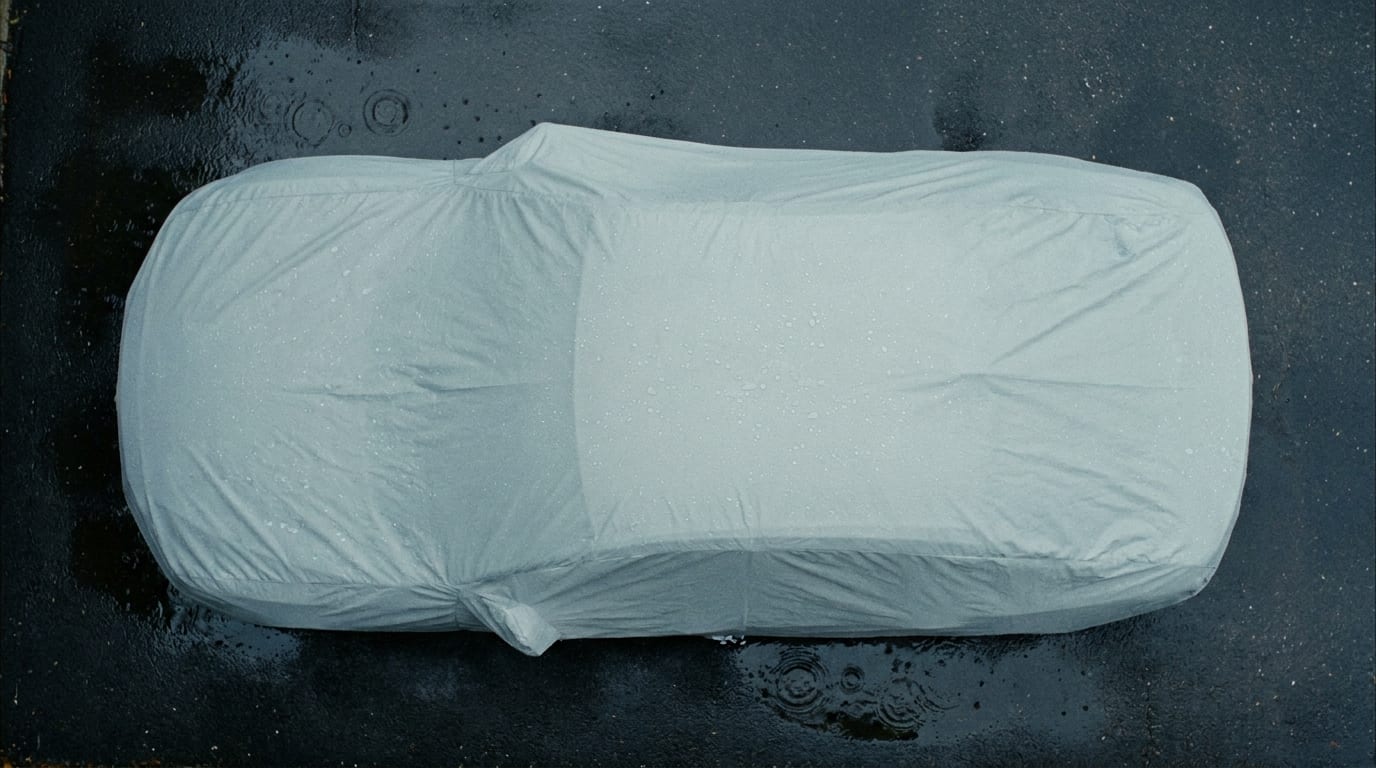
CarCovers doesn't sell one generic cover. It sells four semi-custom tiers, each built around a different protection level: Platinum, Ultimate, Deluxe, and Basic Shield. Think of it less like picking a product and more like picking how much weather, UV, and wear resistance you actually need for where the vehicle lives. Someone parking under a carport in a mild climate doesn't need the same build as someone leaving a truck outside through a Midwest winter.
Alongside its own house brands, CarCovers also carries Covercraft covers. That's worth noting because it means shoppers get two manufacturer options under one roof instead of being locked into a single brand's construction and pricing.
The lineup isn't limited to cars, either. CarCovers covers SUVs, trucks, vans, motorcycles, ATVs and UTVs, snowmobiles, golf carts, scooters, jet skis, and RVs and trailers. That's a wide spread of vehicle categories for one retailer to support with any real sizing accuracy.
Worth being precise about the fit type here: these are semi-custom covers, built to match vehicle category and size data, not fully bespoke custom-sewn covers made from individual vehicle measurements. That distinction matters when you're comparing retailers, so keep it in mind as you read further.
Vehicle Covers Side-by-Side: CarCovers vs. Seal Skin

Here's the structural comparison, stripped down to what's actually checkable.
| Factor | CarCovers.com | Seal Skin |
|---|---|---|
| Product focus | Dedicated vehicle cover retailer, multiple brands | Boat covers and vehicle covers under one brand |
| Cover tiers | Four tiers: Platinum, Ultimate, Deluxe, Basic Shield | Confirm current options on Seal Skin's site |
| Vehicle categories | Cars, SUVs, trucks, vans, motorcycles, ATV/UTV, snowmobiles, scooters, golf carts, jet skis, RVs | Confirm which vehicle types Seal Skin builds covers for |
| Brands carried | House-brand tiers plus Covercraft | Single brand (Seal Skin) |
| Material, warranty, sizing specs | Listed on individual product pages | Confirm directly with Seal Skin |
The biggest structural difference is the retail model itself. CarCovers is set up as a multi-brand vehicle cover shop, so a Platinum-tier CarCovers cover and a Covercraft cover sit side by side in the same catalog for comparison. Seal Skin, from what's publicly listed, sells its own branded covers across both boats and vehicles, which is a different kind of catalog entirely, one brand, two product categories, rather than one category with multiple brands inside it.
If you're the kind of shopper who wants to compare a few manufacturer builds without hopping between retailer websites, that mixed-brand setup is a real factor. If you're already sold on a single brand's reputation and just want to confirm they make what you need, it matters less. Either way, don't take our tier breakdown as implying Seal Skin lacks tiers or options, we simply haven't verified their current lineup structure here. Check their product pages directly for that.
Fit Type and Sizing: Semi-Custom vs. What to Check with Seal Skin
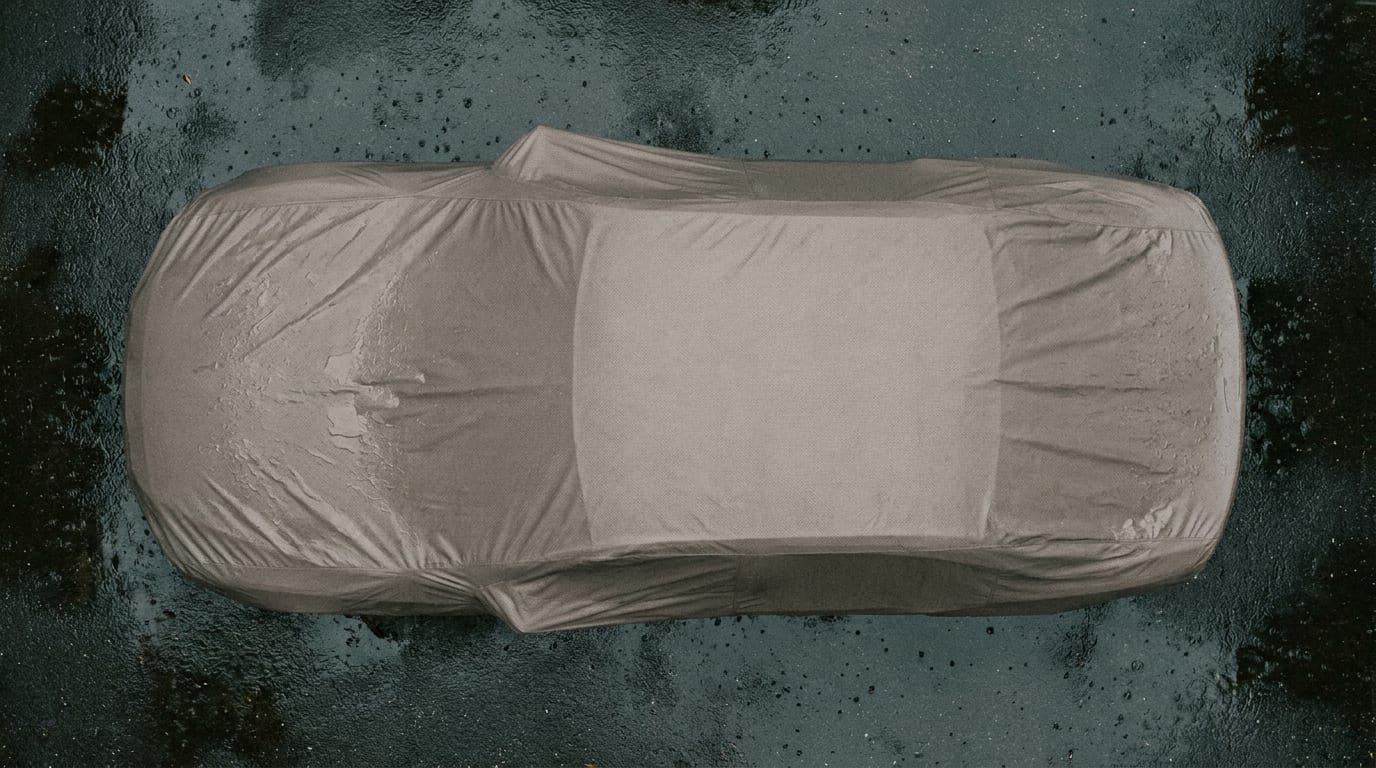
CarCovers' semi-custom approach works off vehicle make, model, and year data rather than a single universal pattern stretched over every car in a size class. You enter your vehicle's details, and the cover you get back is shaped to match that data set, contouring around mirrors, roof lines, and body length more closely than a generic tarp-style cover would.
If you're not sure what size you need, CarCovers has a sizing guide that walks through how to measure and match your vehicle to the right fit. There's also a breakdown of custom-fit car covers if you want to understand how semi-custom differs from fully bespoke, which is useful background before you compare it against any other brand's claims.
For Seal Skin, we'd recommend asking directly: is their vehicle cover line custom, semi-custom, or universal fit? That's not a knock on them, it's just not something we can confirm from outside their own documentation, and fit methodology is exactly the kind of detail that shouldn't be assumed.
Here's why it actually matters, beyond the marketing language. A loose, universal-fit cover can shift in wind, bunch up at the wheel wells, and let rain or dust work its way underneath at the gaps. A closer semi-custom or custom fit cuts down on that movement. If you're deciding between two companies' vehicle covers, fit type is one of the first things worth nailing down, not an afterthought.
Warranty and Buying Confidence
CarCovers backs its vehicle covers with published warranty terms, and the full specifics, including what's covered and for how long, live on the lifetime warranty page. There's also a general warranty page if you want the broader policy language.
Beyond the warranty itself, CarCovers runs a no-hassle guarantee and a standard return policy, both of which are the kind of thing that quietly matters more than people expect once a cover doesn't fit right or arrives with a defect.
We'd push you to ask Seal Skin the same questions before buying: what's the warranty term on their vehicle covers specifically (not the boat cover line), and what does their return process actually look like if the fit's off. We haven't independently verified Seal Skin's warranty terms here, so don't take their absence from this article as a mark against them, it's just outside what we can confirm.
One more thing worth doing regardless of which company you lean toward: compare shipping policies and lead times side by side. A great warranty doesn't help much if the cover takes three weeks to show up and your vehicle's sitting exposed in the meantime.
How to Decide Which Vehicle Cover Fits Your Needs
Strip away the brand names and the decision comes down to four things: where the vehicle's stored, how much weather it's exposed to, how big it is, and what you're willing to spend.
Indoor storage and outdoor storage call for genuinely different cover specs, not just a thinner versus thicker version of the same product. CarCovers has separate guides for indoor car covers and outdoor car covers that walk through what changes between the two.
If you're in a wet climate, or you're cross-shopping waterproofing claims between brands (including whatever Seal Skin publishes for its vehicle line), the waterproof car covers guide is a useful baseline for understanding what "waterproof" actually means in cover construction versus what's just water-resistant marketing language.
And before you get deep into comparing brand against brand, narrow things down with a cover finder tool using your exact vehicle year, make, and model. It's a lot easier to compare two specific products than two entire catalogs.
Find the Right Vehicle Cover at CarCovers.com
Just to close the loop: this whole comparison was about vehicle covers, not boat covers, because that's the only overlap that actually exists between these two companies. If you came here chasing seal skin boat covers specifically, nothing above applies to that purchase.
On the vehicle side, the structural difference is pretty clear. CarCovers runs four semi-custom tiers plus Covercraft as a second brand option, all under one retailer. Seal Skin runs a single branded catalog that spans both boats and vehicles. Neither setup is automatically the right answer, it depends on whether you want brand choice in one place or you're already committed to Seal Skin's build.
If you want to see what CarCovers actually offers, browse the car cover category or run your vehicle through the cover finder to see which tier fits. And if a boat cover is still on your list, that one's on Seal Skin to answer, it's just not something we sell or can speak to here. Either way, take a few minutes to check specs directly with whichever company you're leaning toward before you check out. It's worth the five minutes.