


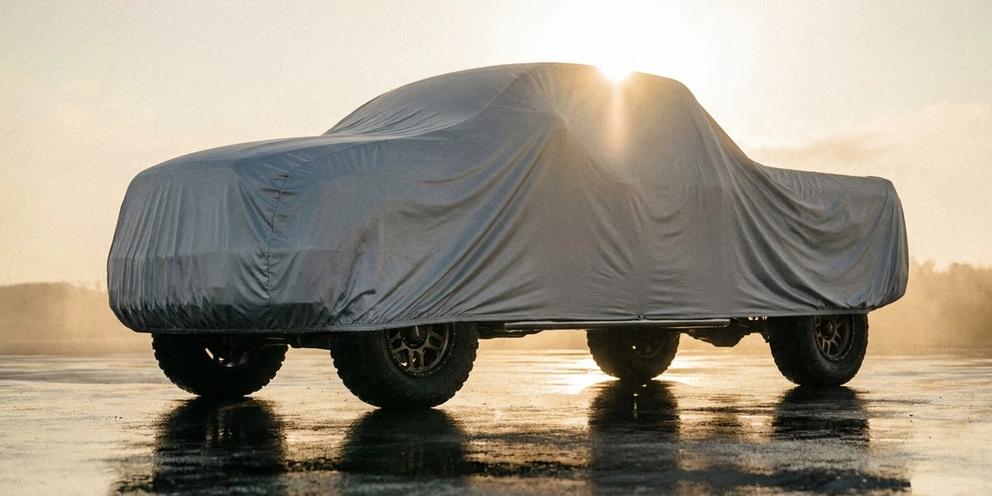
Custom Fit Car Cover for Chevrolet Silverado vs. Universal: Which One Actually Fits?
A Silverado isn't one truck, it's about a dozen different shapes wearing the same badge. Regular Cab long bed, Crew Cab short bed, a 2500HD with a bed six inches longer than the 1500 next to it at the dealership. That variety is exactly why picking a custom fit car cover for Chevrolet Silverado owners is a different exercise than shopping for a cover on a sedan. Get the wrong shape and you're not looking at a minor annoyance, you're looking at a cover that lets water in and rubs your paint raw. This one's a straight comparison: custom-fit versus universal, specifically for Silverado owners, not a general car cover primer.
Why Fit Matters More on a Silverado Than Most Vehicles
Chevy has sold the Silverado in three cab styles (Regular, Double, Crew) and three bed lengths (5'8", 6'6", 8'), and that's before you factor in the 1500 versus 2500HD versus 3500HD body differences or the generational redesigns that changed hood height, mirror placement, and bed rail shape over the years. Two Silverados sitting side by side in a parking lot can differ by more than a foot in overall length.
Here's the core decision underneath all of it: a custom-fit cover is built to the exact factory dimensions of one specific cab and bed combination. A universal cover is built to stretch across a size range that might include your Silverado, a Ford F-150, and a Ram 1500, all at once. This article compares those two approaches head to head for Silverado owners, not for trucks or cars in general. If you drive something else, the logic mostly transfers, but the numbers won't.
What 'Custom Fit' Actually Means for a Chevrolet Silverado
Custom-fit means the cover is patterned to your Silverado's exact year range, cab configuration, and bed length instead of a generic "full-size truck" silhouette. Manufacturers work from factory measurements or vehicle-specific patterns to place mirror pockets, antenna cutouts, and hem lines exactly where your truck needs them, not somewhere in the neighborhood.
Worth knowing before you buy: "semi-custom" and true custom-fit both get marketed under similar language, but they're not the same product. Semi-custom usually means the cover is shaped for a broader category (say, all Crew Cab short bed trucks across brands) with some elastic give to compensate. True custom-fit is patterned specifically to the Silverado's body lines for that generation. The difference shows up the first time you pull it over the truck. One settles into place. The other needs coaxing. If you're comparing options, what size car cover fits your vehicle is worth reading before you commit to either.
Where Universal Covers Fall Short on a Silverado
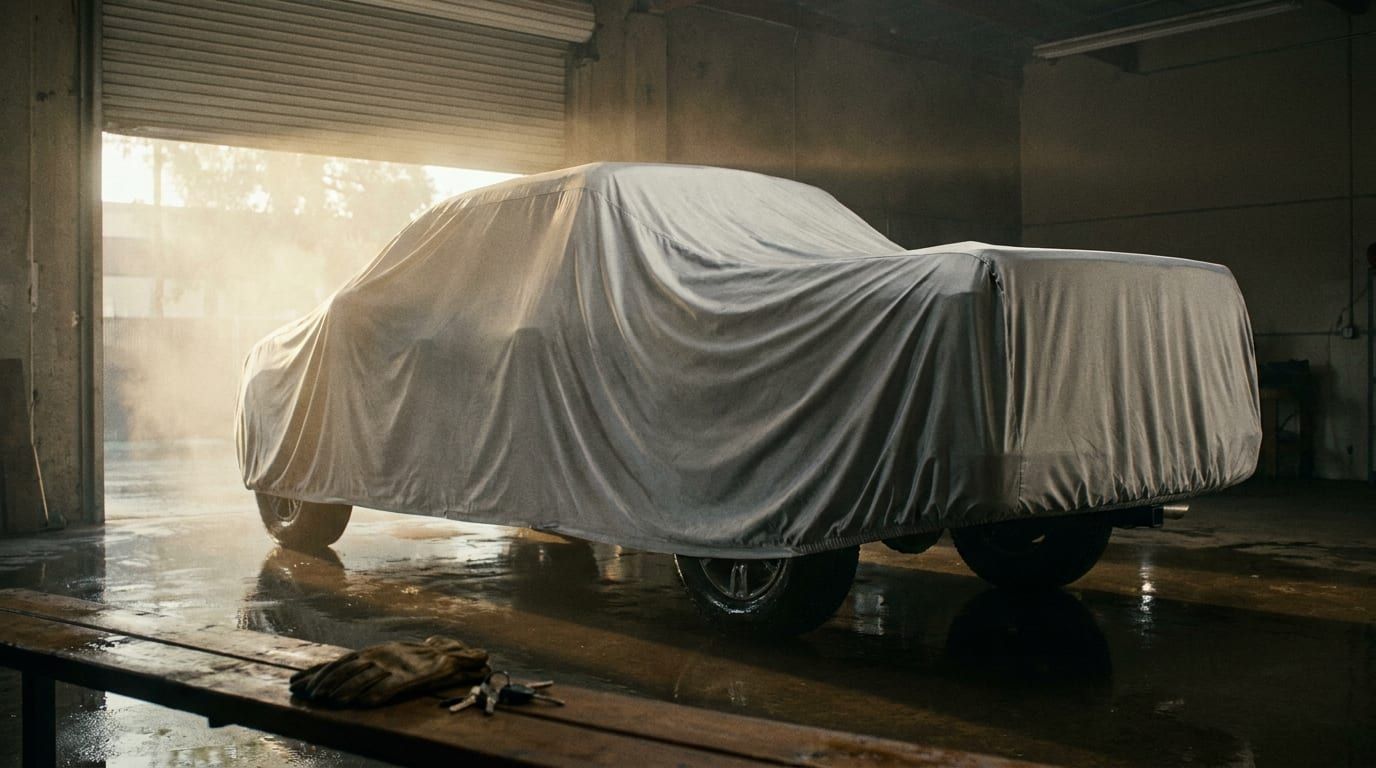
The core problem with a universal cover on a Silverado comes down to one thing: it's cut to fit the largest truck in its size bracket, so it fits your Silverado the way a men's XL t-shirt fits a guy who wears a medium. There's extra fabric everywhere, especially at the bed and the cab-to-bed transition where trucks vary the most.
That excess material doesn't just look sloppy. It flaps in wind, and flapping fabric rubbing against paint over months of parking outdoors wears through clear coat and frays stitching faster than a snug cover ever would. Loose fabric at the tailgate and bed rails also creates low spots where rain and snow pool instead of sliding off, which is the opposite of what a cover is supposed to do.
Then there's the cutout problem. Mirror pockets and antenna holes on a universal cover are averaged across a dozen different truck models, so they rarely land where your Silverado's mirrors and antenna actually are. You end up cinching, tucking, and improvising, and the fit never quite settles.
Custom-Fit vs. Universal: Side-by-Side for the Silverado
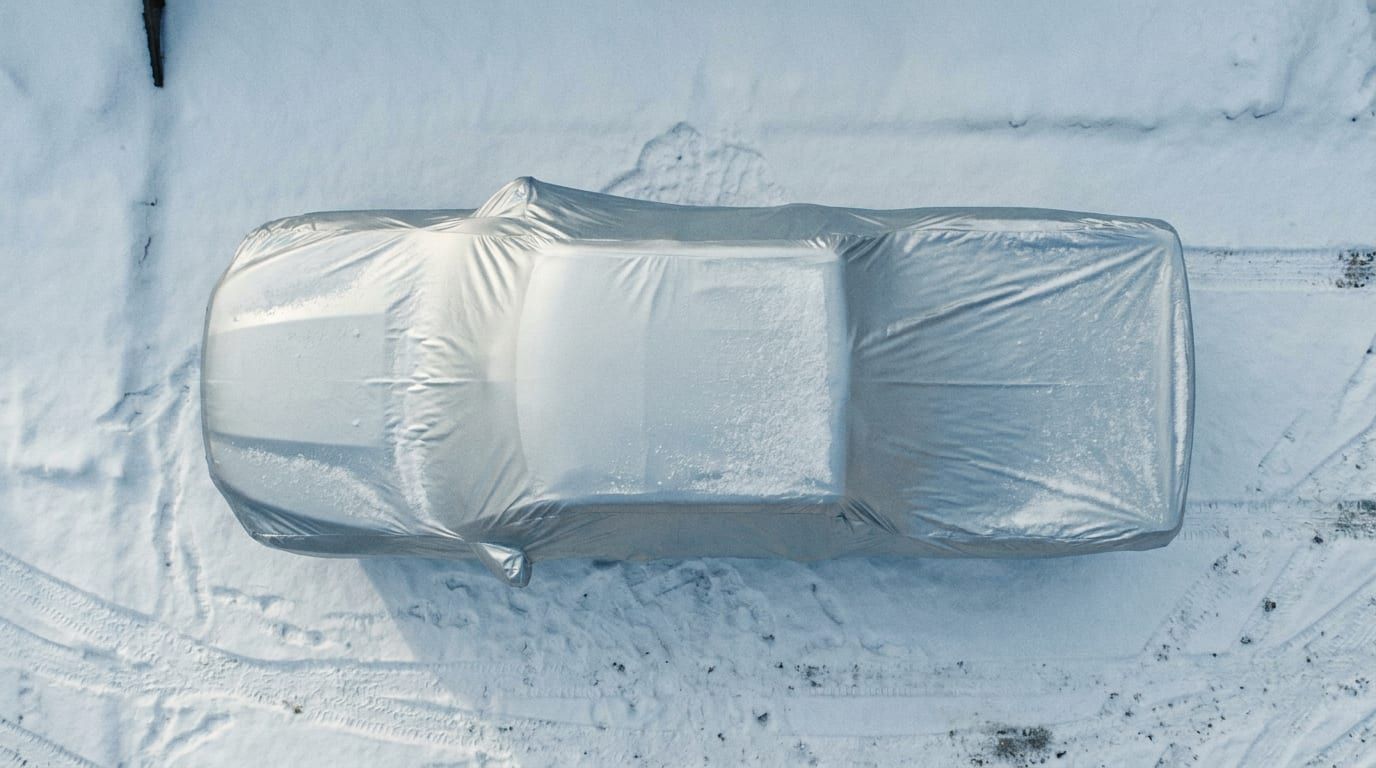
Fit Accuracy
- Custom-fit: Follows the Silverado's exact cab and bed dimensions for the specific generation and configuration you own
- Universal: Sized to span multiple trucks and brands, so it's an approximation at best on any single Silverado
Weather Protection
- Custom-fit: Tighter seal around the body reduces wind lift and keeps water from working its way in at seams and edges
- Universal: Gaps at the wheel wells and tailgate give wind and rain an easy entry point
Installation Time
- Custom-fit: Panels and elastic hems are pre-shaped to the truck, so it goes on in one smooth motion
- Universal: Often needs extra strap adjustment and manual cinching to take up the slack
Durability
- Custom-fit: Less flapping means less chafing against clear coat over time
- Universal: Looser fit accelerates wear at contact points, particularly along the bed rails and mirrors
Price
- Custom-fit: Costs more upfront, reflecting the vehicle-specific patterning
- Universal: Cheaper, since the same cover design is sold across many vehicles
Resale/Reuse Value
- Custom-fit: Tied to your Silverado's specific cab and bed configuration, so it doesn't transfer if you switch trucks
- Universal: Can move with you to a different vehicle later, as long as it's still in the same rough size class
If you're weighing waterproofing specifically, waterproof car covers breaks down what "waterproof" actually means across materials, which matters more once you've settled on custom-fit versus universal.
Which Silverado Owners Should Choose Which Option
If your Silverado lives outside year-round, custom-fit is the better call, plain and simple. Same goes for long-term storage, coastal or high-UV climates, hail-prone regions, or if you're protecting a newer or higher-trim truck where the paint and interior are worth guarding closely. The tighter seal and reduced wear pay for the price difference over a couple of seasons.
Universal makes more sense if you need something short-term, you're working with a tight budget, or you know you might not have this truck in a year or two. There's nothing wrong with a universal cover for a truck that spends most nights in the garage and only sees a tarp-style cover during the occasional weekend trip.
One thing to flag directly: a universal cover labeled "fits full-size trucks" can still be wrong for your specific Silverado. A Crew Cab short bed and a Regular Cab long bed are wildly different shapes, and "full-size truck" as a category description tells you almost nothing about which one you're getting. Before you buy universal, check the actual dimensions against your bed length, not just the vehicle class on the label. If you want a full rundown of how Silverado bed lengths break down by generation, the pickup truck bed size guide is a good place to double check before you order anything.
How to Pick the Right Custom-Fit Cover for Your Specific Silverado
Start with the basics: model year range, cab style, and bed length. Silverado body dimensions changed across generations, so a cover patterned for a 2014-2018 model won't necessarily match a 2019-and-up truck even if both are Crew Cab short beds. Confirm before you order, not after it arrives and doesn't sit right.
Next, match the material to how you'll actually use it. A Silverado parked outdoors every day needs real waterproofing and UV resistance to hold up against sun and rain cycle after cycle. A truck that mostly lives in a garage and only needs a cover for dust and light protection can get away with a lighter, indoor-oriented fabric. Browsing outdoor car covers versus indoor options side by side makes the tradeoff obvious pretty fast.
Last, check for features that actually matter on a full-size truck: reinforced mirror pockets that won't stretch out after repeated use, antenna patch compatibility if your Silverado has a fixed antenna, and tie-down or strap points sized for a vehicle this long. Chevy-specific options are worth starting from directly at Chevrolet truck covers, and for a broader look at what's available across brands, truck covers is the category page to browse.
Installation and Care Tips Once You've Chosen
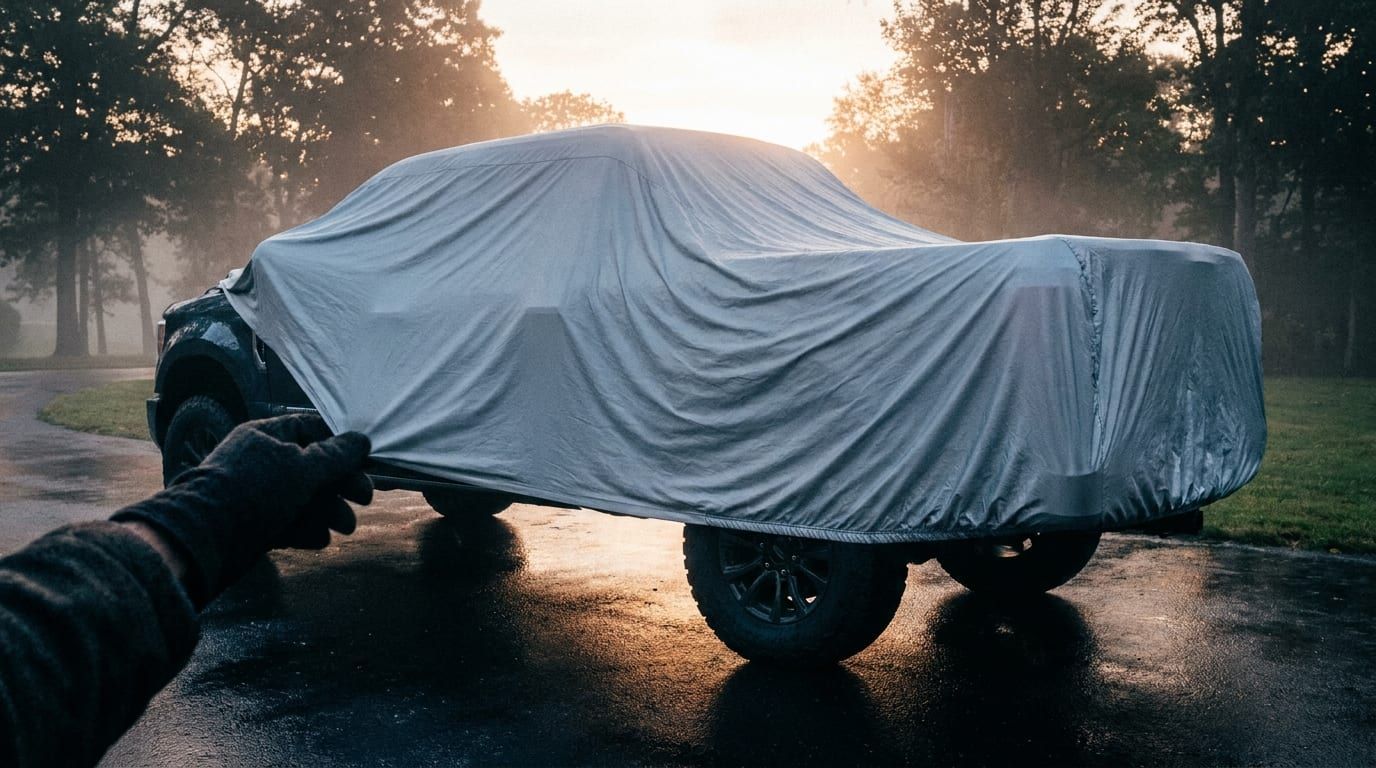
Getting a custom-fit cover on cleanly starts at the cab-to-bed transition, since that's the seam most prone to gapping if you rush it. Work the mirror pockets into place next, then finish by cinching the hem around the wheel wells and tailgate for a seal that doesn't leave slack anywhere. A well-patterned cover should feel like it's settling into place, not fighting you.
If you're in a windy region, add a set of straps even on a cover that fits well. A gust of wind under any cover, custom or not, can lift an edge and start the flapping problem all over again. The gust strap and wind strap installation guide covers how to set these up properly, and it's a five-minute addition that saves the fabric long term.
Cleaning matters more than most owners think. Dirt and grit trapped against the fabric wear down waterproof coatings faster than sun exposure does. A basic wash on a regular cadence keeps the material shedding water the way it's supposed to. The car cover cleaning guide walks through what's safe to use and what strips coatings, and if you want the full setup process spelled out step by step, this installation guide covers the general technique that applies across most custom-fit covers.
Bottom Line: Custom-Fit Is the Safer Long-Term Bet for a Silverado
For a Silverado that lives outdoors, custom-fit wins on protection and durability. It costs more going in, but it isn't fighting wind, pooling water, or chafing paint the way a universal cover will over a season or two. Universal still has its place, it's a reasonable stopgap if you need something now, something cheap, or something that might follow you to your next truck.
Whichever way you go, there's one step you can't skip: confirm your exact cab style and bed length before you buy. That's true whether you're getting a custom fit car cover for Chevrolet Silverado or grabbing a universal one off the shelf. Get that wrong and even the best cover on the market won't sit right.
If you're still narrowing things down, poke around a bit more before you buy, subscribe if you want more guides like this one, and take the time to get the fit right the first time. Your truck, and your paint job, will thank you for it.
Updated