


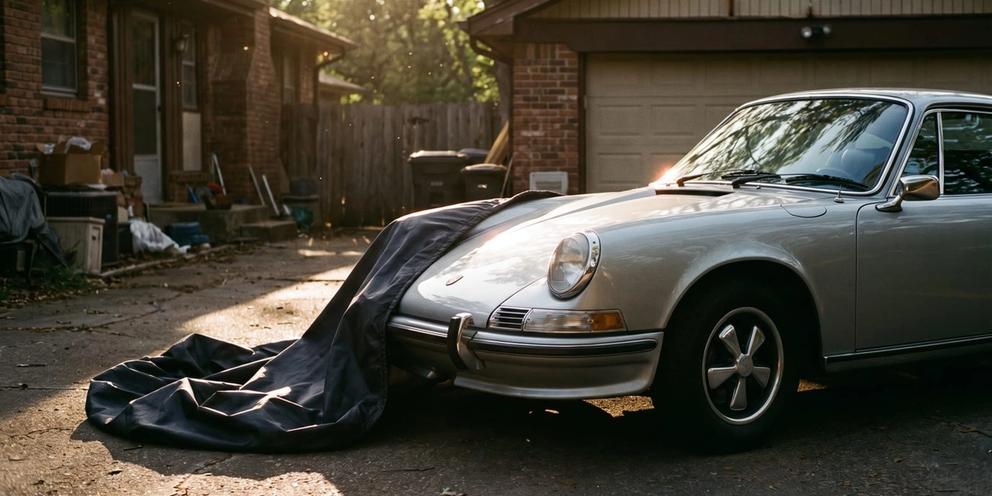
Custom-Fit vs. Universal Car Cover for Porsche 911: Which One Actually Fits?
A Porsche 911 is one of the few cars where cover shopping actually requires homework. Get it wrong and you're not just dealing with a sloppy fit, you're risking a swirl mark on a car that cost more than most people's second vehicle. The choice usually comes down to two paths: a cover patterned to your exact 911 generation, or a "universal" sports car cover sized off a generic length and width bracket. A custom fit car cover for Porsche 911 owners costs more up front, but the fit difference isn't cosmetic. It changes how the cover performs in wind, rain, and daily use.
Why the Cover Choice Matters More on a 911 Than Most Cars
Most sedans and crossovers are forgiving shapes. Boxy, tall, predictable overhangs front and rear. A universal cover sized "large" fits a Camry about as well as it fits a Malibu, because the margin for error is generous.
The 911 doesn't give you that margin. Low nose clearance, wide rear haunches that flare out past the doors, and a stance that sits inches off the ground mean a cover with too much slack doesn't just look baggy. It sags into low spots, pools water on the roof or decklid, and flaps around at wind speeds you'd get on any exposed driveway, no highway required. Loose fabric rubbing against clear coat for months is exactly how a cover meant to protect paint starts damaging it instead.
So this comparison isn't about brand loyalty or spending habits. It's about five practical things: how precisely the cover matches the car's actual shape, whether it accounts for body-specific features, how it holds up against weather, how long it takes to put on and take off, and what it costs. We'll go through each.
What Makes the 911's Body Hard to Fit With a Generic Cover
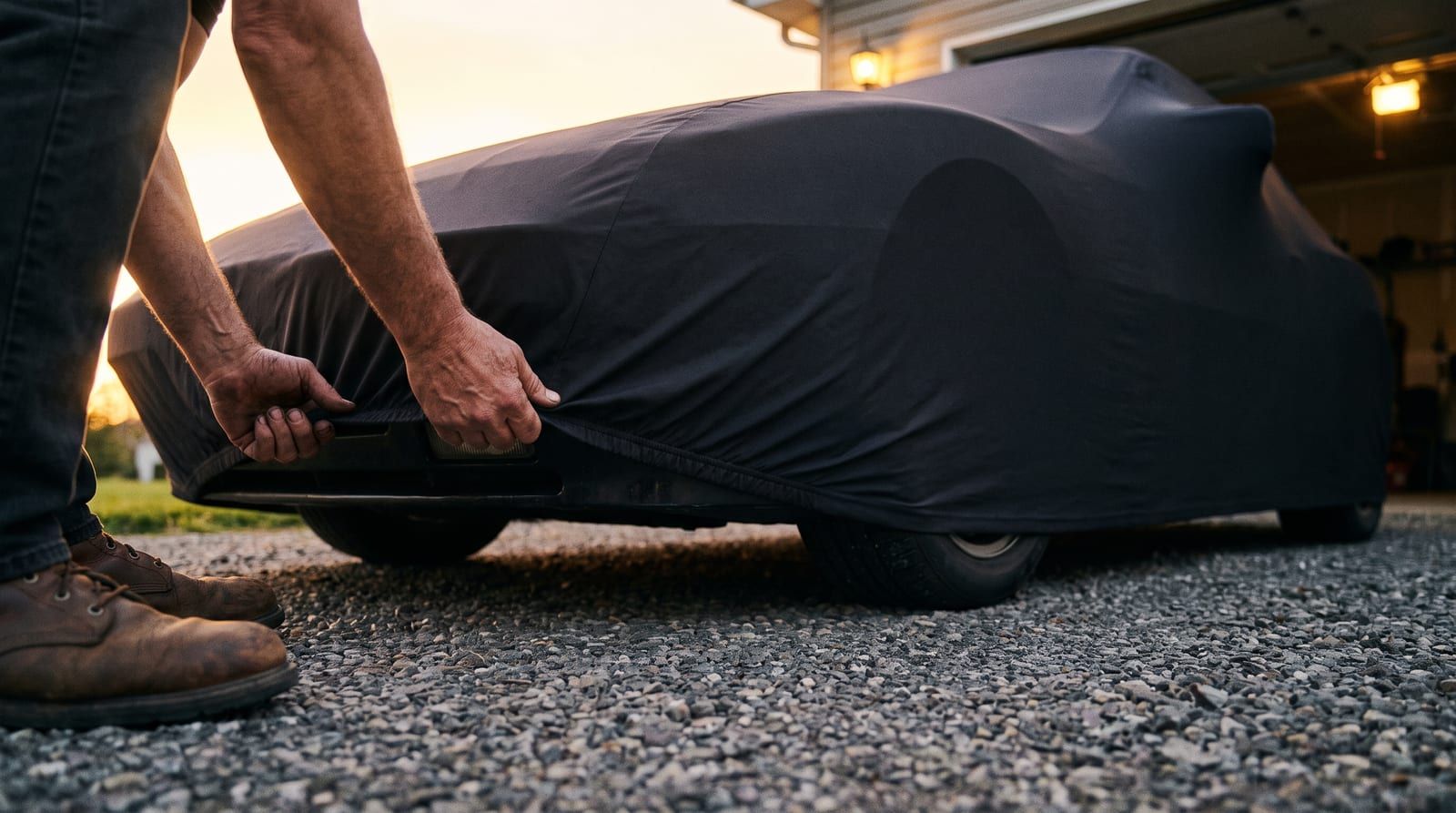
Every 911 generation has its own quirks, and they matter more than people expect. The 997's rounded headlights and low front lip sit differently than the 991 or 992's sharper, wider nose. The 991 and 992 also carry noticeably wider rear haunches and quad exhaust tips that stick out further than a universal pattern anticipates. Targa models add a roll bar hump behind the seats that a flat cover just drapes over instead of following. And GT3 trims have a fixed rear wing that needs real clearance, not a cover that's tented over it and hoping for the best.
A universal cover is built to a size bracket, something like "fits sports cars 175 to 185 inches long." That's fine on paper. In practice it means excess fabric bunches at the nose, sags off the back, and shifts in wind because there's nothing holding it snug to the actual contour of the car. Excess fabric flapping against a hood or fender for weeks is a slow way to dull paint.
The small stuff gets missed too. Mirror pockets and antenna cutouts are almost never sized right on a generic cover. Either they're absent entirely and the cover gets stretched awkwardly over the mirrors, or they're placed for a different mirror shape and end up loose, letting wind get underneath and lift the whole cover. On a car where owners are already particular about fit modifications like this, it's a detail that shouldn't be an afterthought.
Custom-Fit vs. Universal Cover for the Porsche 911: Side-by-Side
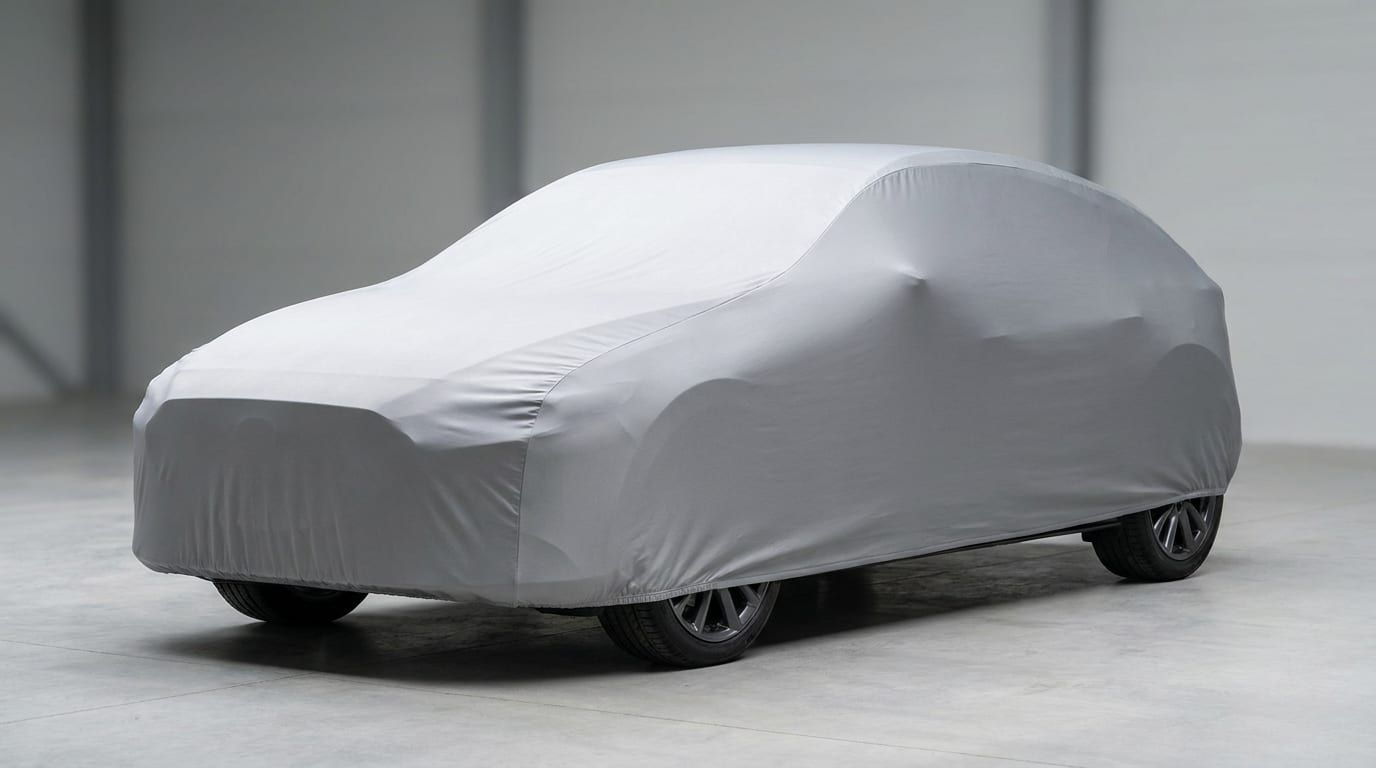
Here's how the two options actually stack up once you get past the marketing copy.
Fit Precision
- Custom-fit: Patterned to the exact 911 generation and trim, so a 997.2 Carrera and a 992 Turbo get different patterns entirely, not the same shape in a different size.
- Universal: Sized off broad length and width brackets shared with dozens of unrelated models, sports car or not.
Body-Specific Coverage
- Custom-fit: Built around the ducktail or whale tail spoiler, the Targa roll bar, and the low front lip, so the fabric follows those shapes instead of fighting them.
- Universal: Either leaves gaps around these features or bunches fabric up trying to compensate.
Wind and Weather Performance
- Custom-fit: A snug, contoured fit means less flapping in wind and less chance of water pooling in outdoor storage.
- Universal: Looser fit creates air pockets that catch wind and low spots that trap moisture against the paint.
Mirror and Antenna Handling
- Custom-fit: Comes with mirror pockets and antenna patches sized specifically for the 911.
- Universal: Often skips these details or fits them poorly, leaving gaps where wind gets underneath.
Install and Removal Time
- Custom-fit: Faster once you learn the orientation, since the panel only fits one way. No guessing, no adjusting.
- Universal: Takes longer each time, with more strap-cinching and repositioning to get a passable fit.
Price
- Custom-fit: Costs more up front.
- Universal: Cheaper initially, but the ongoing risk of paint rub and trapped moisture can offset the savings over a few seasons.
If you're still not sure what "the right size" even means for your specific 911, the car cover sizing guide walks through how sizing brackets work and where they fall short for low, wide-bodied cars like this one.
Which 911 Owners Should Actually Pay for Custom-Fit
Not every 911 owner needs to spend the extra money. But most will end up better off doing it.
If your car lives outdoors or under a carport, custom-fit matters a lot more than if it's tucked in a heated garage. Wind and moisture are the enemy here, and a snug contour is the whole reason a cover holds up outdoors instead of becoming a sail. Anyone weighing outdoor car cover options for a 911 should treat fit precision as non-negotiable, not a nice-to-have.
GT3, Turbo, and widebody trims are their own case. The fixed wing, the extended fenders, the larger diffuser, these all break the assumptions a universal cover is built on. A cover sized for a "generic sports car" wasn't designed with a functional rear wing in mind, and it shows the first time you try to stretch it over one.
Daily-driven cars also lean custom-fit. If you're covering and uncovering the car every day, or several times a week, that install time adds up fast. A cover that goes on one way, quickly, saves real time over a year compared to one you have to adjust and cinch every single use.
Where universal makes sense: short-term indoor dust protection, or as a cheap backup cover you keep in the trunk for unplanned situations. If the car's in a garage, only picking up dust, fit precision matters a lot less than it does in a driveway getting rained on.
Beyond Fit: Material, Waterproofing, and Care Considerations
Fit and material are two separate decisions, and it's worth not conflating them. A cover can be cut perfectly to your 911's shape and still be the wrong fabric for how you store the car, indoor breathable material versus a waterproof outdoor shell are different tools for different jobs.
But the two compound each other. A loose universal cover made from a great waterproof fabric still lets water in wherever the fit gaps are, at the nose, around the mirrors, along the rear overhang. The best fabric in the world doesn't help if it's not actually sitting against the car.
Whichever cover you land on, it still needs cleaning. Dust and road grit get trapped between the fabric and the clear coat, and every time the cover shifts in wind, that grit acts like light-grade sandpaper. Rinsing and properly drying a cover on a regular cleaning schedule matters just as much on a well-fitted custom cover as a loose one, maybe more, since custom-fit covers sit closer to the paint to begin with.
How to Decide: A Quick Checklist for Your 911
Before you compare sizing charts or prices, run through this:
- Know your exact generation and trim. 996, 997, 991, 992, Turbo, GT3, Targa, they all fit differently. Guessing here undoes everything else.
- Know where the car sleeps. Garage, carport, or fully outdoor storage changes how much fit precision is worth paying for.
- Check for wing or widebody clearance. If your trim has a fixed spoiler or flared fenders, that alone tips the scale toward custom-fit.
- Be honest about how often it goes on and off. A daily driver justifies paying for faster installation. A car that gets covered once a month doesn't need the same urgency.
Get the Right Cover for Your 911
If you've been going back and forth on this, the fastest way through it is to stop guessing and match the cover to your car directly. Use the Porsche cover finder to pull up options built for your exact 911 generation and trim, rather than eyeballing a generic size chart.
The short version: a custom fit car cover for Porsche 911 is the safer default for anything stored outdoors, or anything with a wing, widebody fenders, or a Targa bar. Universal covers are a reasonable stopgap for short-term indoor dust protection, and not much more than that. If cost is still the deciding factor, check whether the cover comes with a lifetime warranty, since that changes the real math on what you're paying for over the years you own the car.
Worth bookmarking the car cover buying guides if you're still weighing options. There's a lot more nuance in this decision than most people expect going in.
Updated