


Do Car Covers Protect Against UV Fading?
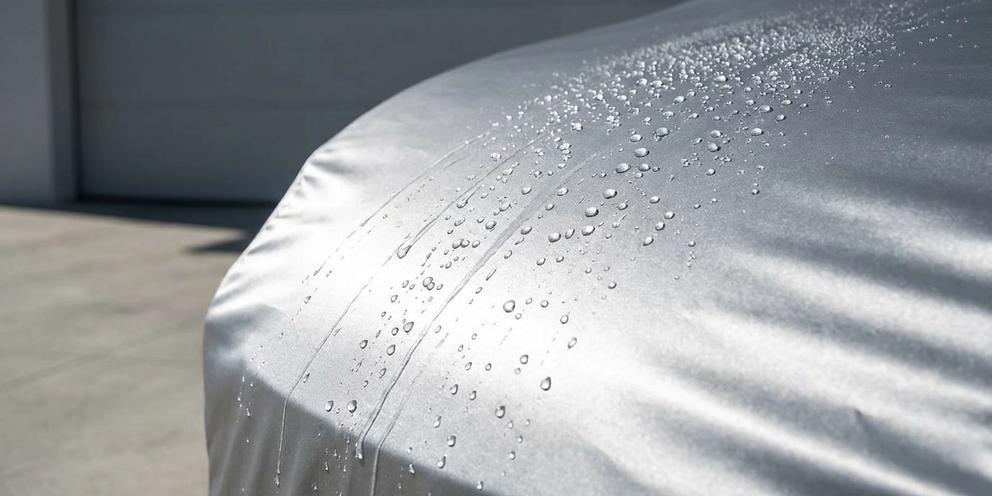
Yes, a car cover made with UV-resistant fabric blocks direct sunlight before it ever touches the paint, slowing the oxidation, clear-coat fading, and interior cracking that come from years of sun exposure. So do car covers protect against UV fading in a real, measurable way? They do, but how much protection you actually get depends on fabric quality and fit, which is what the rest of this article gets into.
How Does UV Damage Affect a Car's Paint and Interior?
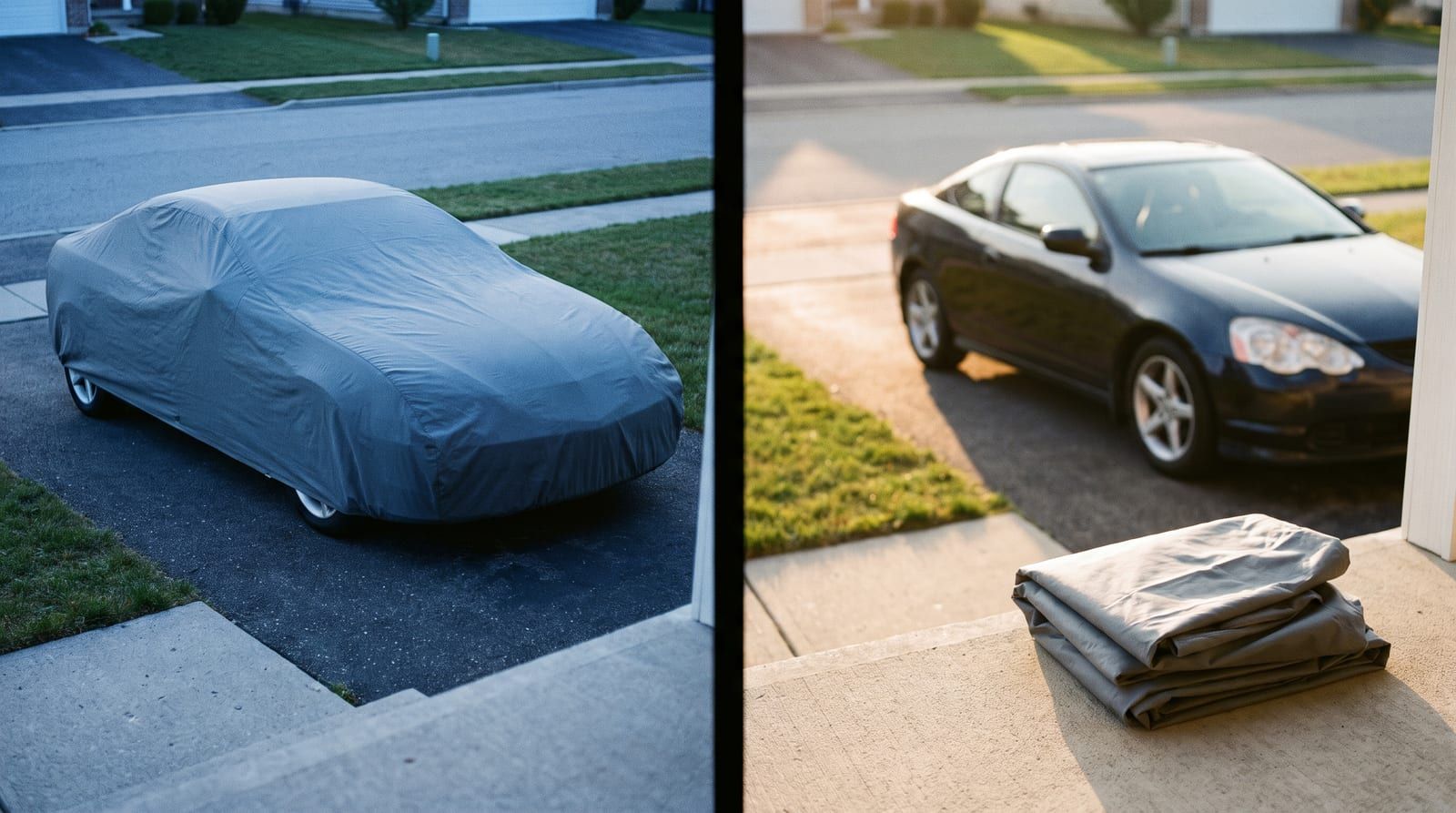
UV rays don't just fade paint, they break it down chemically. Sunlight triggers oxidation in the clear coat, the thin protective layer sitting on top of your paint job. Over months and years, that oxidation shows up as chalky, dull patches, or paint that's shifted a few shades lighter than when the car left the factory. Once the clear coat is compromised, there's no undoing it without cutting and polishing, or repainting.
Inside the car, the damage is just as real. Dashboards crack. Seat fabric fades unevenly. Leather dries out and splits at the seams. Steering wheels get that sun-bleached, slightly sticky texture after enough summers. A lot of this comes from heat, not just light, since a parked car in direct sun can trap temperatures well above the outside air, and heat accelerates every one of these breakdowns.
Headlights take a hit too, and it's one owners rarely connect to UV exposure. That yellowing, cloudy look on older headlight lenses isn't dirt, it's sun-damaged plastic. It cuts down on nighttime visibility and makes a car look years older than it is.
None of this happens on the same timeline everywhere. A car parked outdoors in Phoenix or Denver is going to show UV damage far faster than one garaged in Seattle. High altitude and desert sun are brutal on paint and trim, and year-round sun climates just don't give a vehicle a break.
What Makes a Car Cover Block UV Rays?
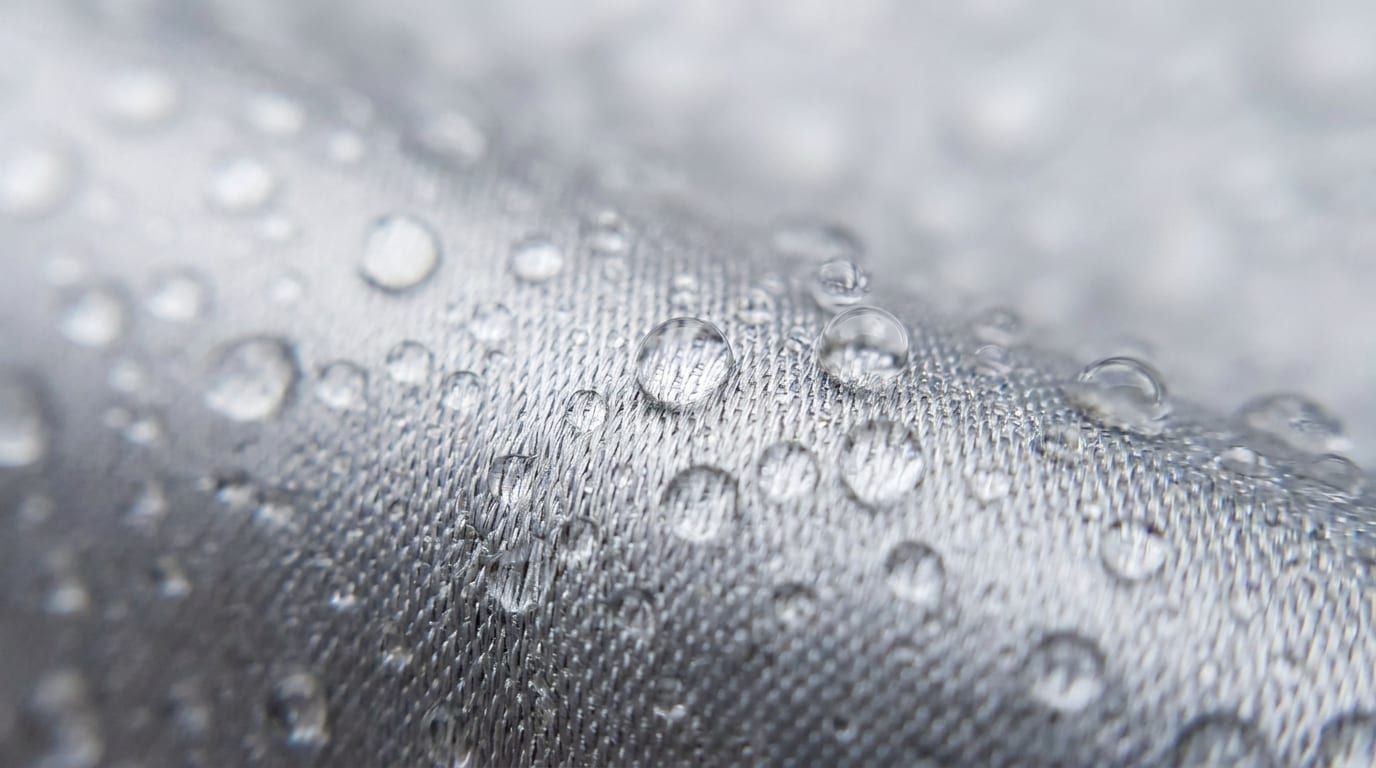
Here's the mechanism. A good outdoor cover uses tightly woven, multi-layer fabric that physically blocks and diffuses UV rays before they reach the surface below. It's not a single sheet of plastic sitting on top of the car, it's layered material engineered to scatter light and resist breaking down itself under constant sun.
Some covers go a step further with UV-treated or reflective outer layers, specifically built to cut down heat transmission along with light. That matters because heat buildup under a cover is its own slow-motion problem for paint and rubber trim.
Compare that to a generic tarp or a thin universal cover picked up at a hardware store. It might block some direct light, sure. But it often traps heat against the paint instead of letting it dissipate, and it's rarely made from anything actually rated for long-term UV exposure. Cheap material degrades in the sun just like paint does, so a couple of seasons in, you're left with a cover that's brittle, cracked, and not doing much of anything.
If you want the deeper breakdown of how fabric layers, breathability, and weather resistance actually work together outdoors, this guide to using a car cover outdoors walks through it in more detail.
Do All Car Covers Offer the Same Level of UV Protection?
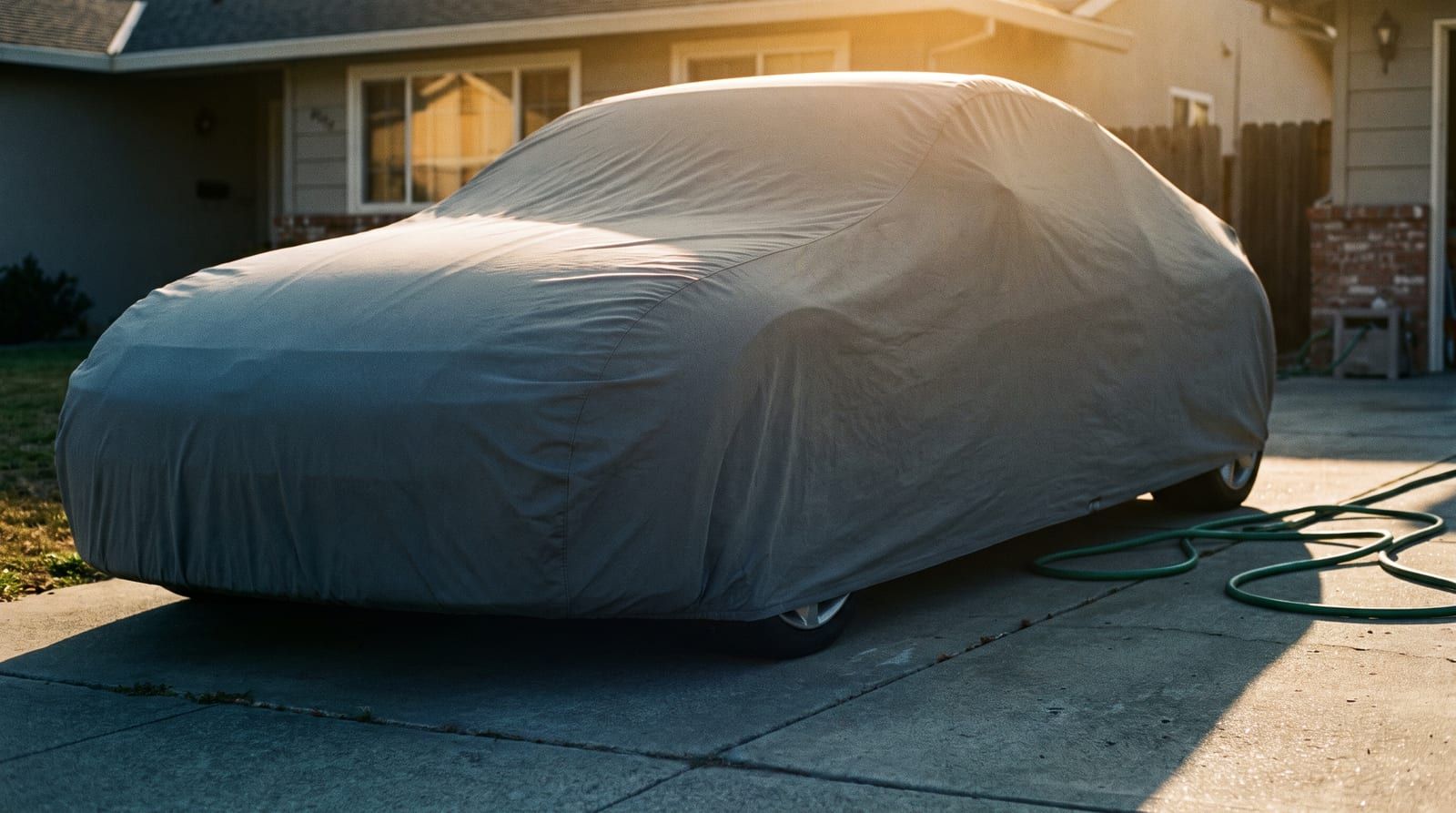
No. Not even close. There's a real difference between a cover built for sun, rain, and wind, and a lighter indoor or dust cover that was never meant to sit outside for months at a time. Indoor covers are made to keep dust and light scratches off a garaged car, not to withstand daily UV exposure.
Fit matters more than most people expect, too. A custom-fit cover hugs the body panels closely, which cuts down on the gaps and shifting that let sunlight sneak through to exposed paint. A loose universal cover flaps around in the wind, exposes edges and mirrors, and generally does a worse job holding its position over a hood or roof through a full day of sun.
Fabric weight and layer count vary a lot by product tier as well, and that's directly tied to how much UV actually gets stopped. A thicker, multi-layer outdoor fabric is doing more work than a thin single-layer sheet, even if both are technically labeled "car covers."
If your car lives outside, start with outdoor car covers built for that exposure. If it's mostly garaged and just needs light protection from dust, indoor car covers are the better fit and usually the more affordable one.
How Much UV Protection Does Your Car Actually Need?
This depends on where and how the car is parked, honestly more than anything else. A vehicle parked outside full-time, especially one that sits in direct sun most of the day, needs a heavier, UV-rated fabric that's built for that punishment. A garage-kept car that only sees the driveway occasionally doesn't need nearly as much.
Climate pushes the need up or down too. Southwest desert heat, high-altitude sun, and coastal areas with intense year-round exposure all call for a higher-protection fabric choice than, say, a mild Midwest climate with real winters that keep the car covered in snow half the year anyway.
Your car's own paint plays a role in how visible any of this becomes. Darker colors and older or lower-quality factory clear coats tend to show fading and chalking faster than lighter colors with a more durable finish. Two identical cars parked side by side in the same driveway can age at noticeably different rates just based on color and paint quality.
Once you know your exposure level, matching fabric to it is worth the time. This breakdown of car cover materials compares the common fabric options and what each one is actually good for. And if you'd rather skip the research and just get a cover sized and matched to your exact vehicle, custom-fit car covers or the find your car cover tool are the faster route.
Does a Car Cover Protect Against More Than Just UV Fading?
UV is the slow, constant threat, but it's rarely the only thing hitting your paint outdoors. Bird droppings are acidic enough to etch clear coat if left sitting in the sun. Tree sap hardens and pulls paint off when you finally scrape it away. Dust builds a fine layer of grit that scratches the surface every time wind moves it around, and light rain adds water spotting on top of everything else.
UV protection and contaminant protection aren't really separate jobs, they work together. A cover that blocks sun exposure while also keeping sap, droppings, and debris off the paint is doing double duty for resale value. A car that's held its color and clear coat, and hasn't picked up years of micro-scratches from windborne grit, is worth noticeably more at trade-in or private sale than one that's been left exposed the whole time.
If rain and moisture are a bigger concern in your area than sun, it's worth looking at waterproof car covers built to handle both. And for the bigger picture on keeping paint in good shape long-term, this guide to car paint care covers washing, waxing, and storage habits beyond just what a cover can do on its own.
Choosing a Cover Built for Sun Protection
UV protection isn't about whether you own a cover, it's about whether that cover's fabric and fit are actually up to the job. A thin universal sheet and a proper outdoor-rated custom cover will give you wildly different results after a few summers, even though both technically "cover the car."
If you're still narrowing down what your vehicle and climate actually need, that's worth sorting out before you buy rather than after. And if you're on the fence about whether a cover is worth the cost at all, this look at why a car cover is worth buying is a good next stop, no pressure either way.
Updated