What Is a Car Cover Made of on the Inside? A Breakdown of Interior Linings
Published
What's Inside a Car Cover? The Short Answer
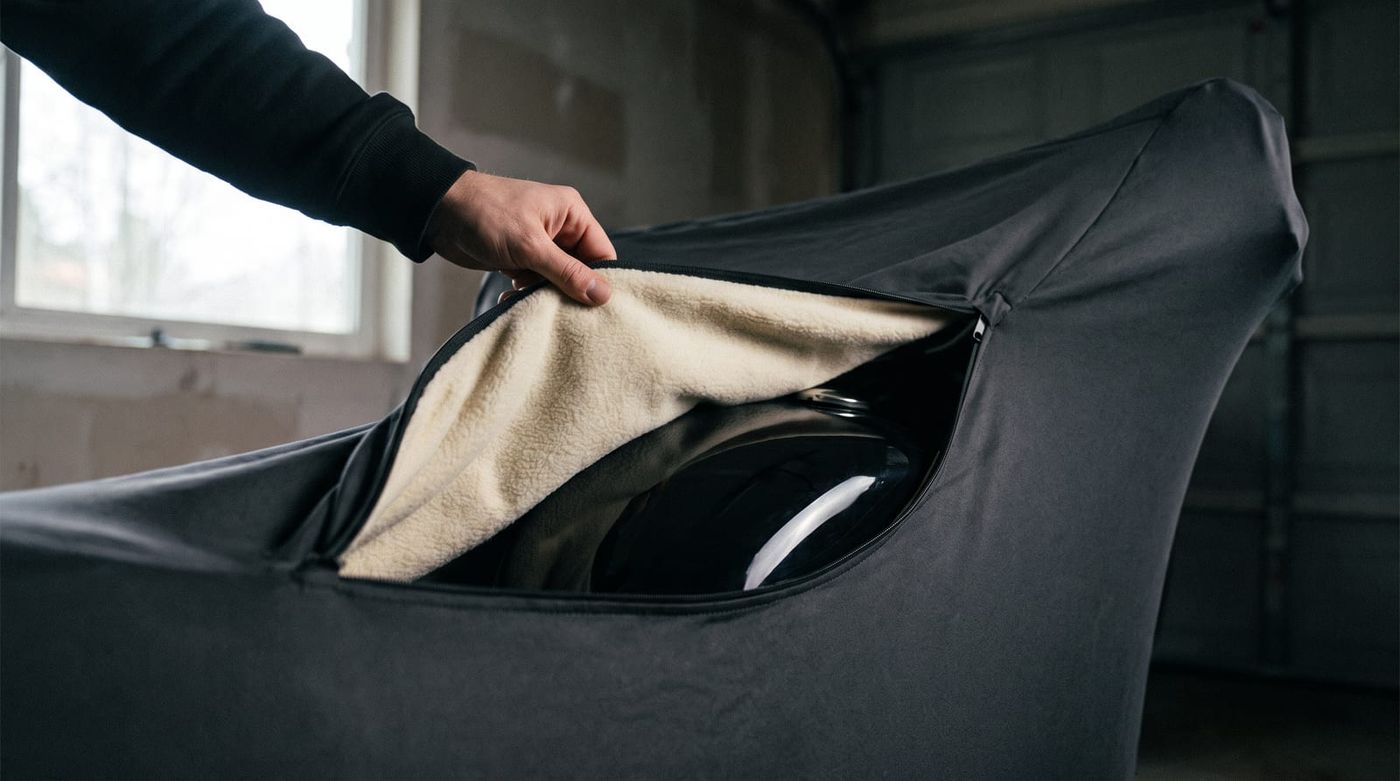
Here's the direct answer: what is a car cover made of on the inside, when it's a decent one, usually comes down to a soft napped fabric, think brushed tricot, fleece, flannel, or non-woven felt, bonded or laminated to the outer weatherproof shell. That inner layer isn't doing the same job as the outside. The outer shell takes the beating from rain, UV, and wind. The inside has exactly one job: sit against your paint for hours or days without doing any damage.
That distinction matters more than most buyers realize. A lot of cheap universal covers skip the real lining entirely and just use a single-layer fabric for both sides. No cushioning, no napped finish, nothing between the weave of the material and your clear coat. That's usually where swirl marks and fine scratches come from, not from "bad luck" or a freak gust of wind.
The rest of this breaks down the actual materials brands use inside a cover, why that lining does more work than people assume, and how indoor and outdoor covers handle the inside differently. We'll also get into fit and care, since even the best lining can't save a cover that doesn't fit right.
Interior Lining Materials Compared
Not all soft linings are built the same, and the differences show up over months of use, not on day one. Here's how the common options stack up.
| Material | Feel Against Paint | Breathability | Moisture Handling | Typical Use |
|---|---|---|---|---|
| Brushed tricot knit | Smooth, soft, resists pilling | Good | Lets moisture pass through without trapping it | Mid to premium outdoor covers |
| Fleece/flannel lining | Very soft, plush | Moderate | Fine in dry, indoor conditions | Indoor or garage-stored cars |
| Non-woven felt | Slightly less soft, still gentle | Decent | Adequate for short-term outdoor use | Entry-level universal covers |
| Microfiber fleece | Softest of the group | High | Holds up well through repeated washing | Premium satin/indoor covers |
If you're parking outside daily, brushed tricot or microfiber paired with a tough shell is the safer bet. If the car lives in a garage, fleece or flannel gives you the plushest feel without needing to worry about weather at all. Pick the lining based on where the cover actually spends its time, not just what feels nicest in your hands at the store.
Why the Inner Lining Matters More Than People Think
Most of the "my car cover scratched my paint" stories you'll find online trace back to a thin or abrasive lining, not the outer fabric. People blame the cover itself, but it's almost always the inside layer doing the damage, or the lack of one.
Breathability plays a bigger role here than most people expect, too. A lining that can't move air traps moisture against the paint. That trapped moisture is exactly what causes water spots, and given enough time, mold or mildew under the cover. This is part of what is a car cover made of on the inside that actually affects long-term paint condition, not just the first few uses.
Then there's friction. A napped or brushed finish reduces the rubbing that happens every time wind moves the cover against the body. On a car that sits outside and gets covered daily, that friction adds up fast over a season. It's a small thing per use, but it's not small over a year.
This is the reasoning behind building a cover with a dedicated soft lining instead of a single fabric sheet doing double duty. One layer can't handle waterproofing on the outside and gentleness on the inside equally well. Something gives, and it's usually your paint.
Indoor vs. Outdoor Covers: How the Lining Changes
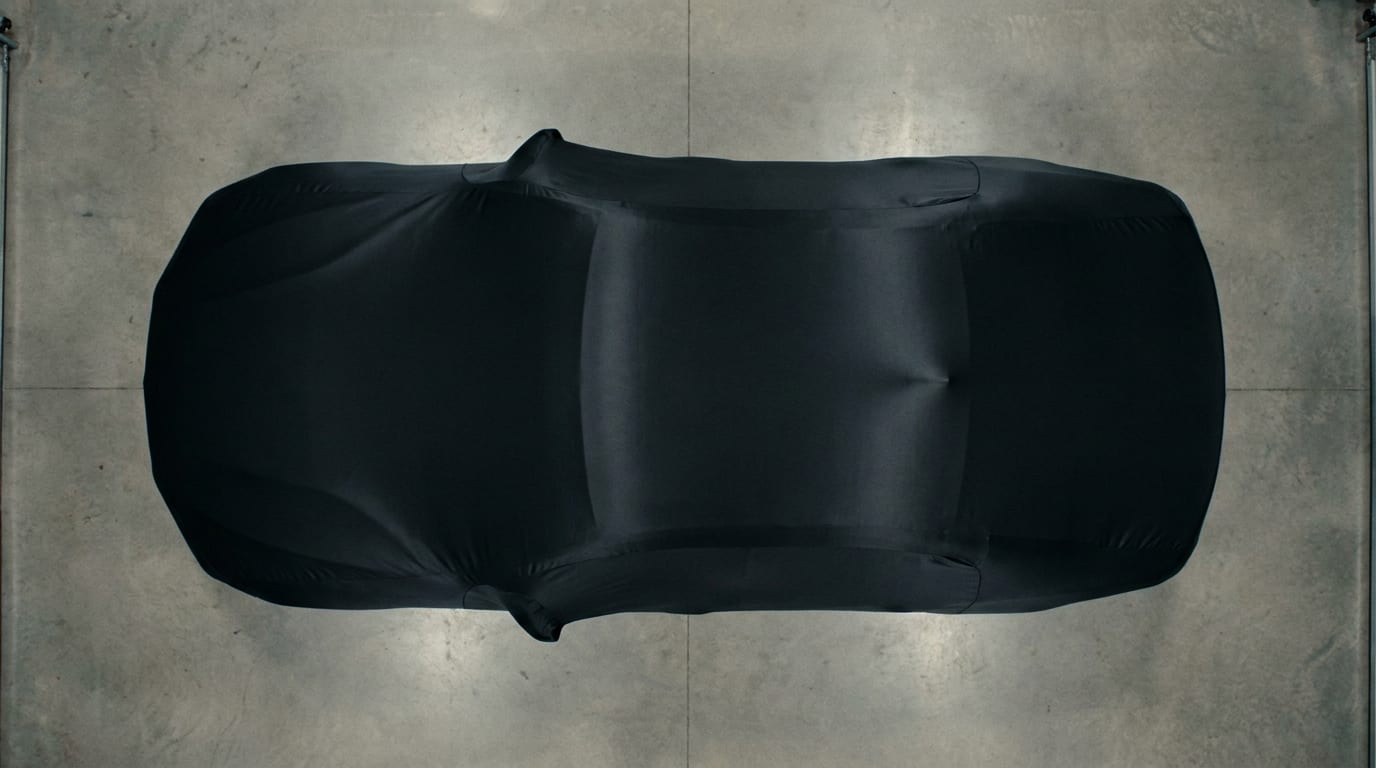
Indoor covers don't need to fight the weather, so both sides can afford to be soft. Indoor car covers, like satin or fleece builds, skip the technical waterproof layer entirely and just focus on being gentle against the paint from every angle.
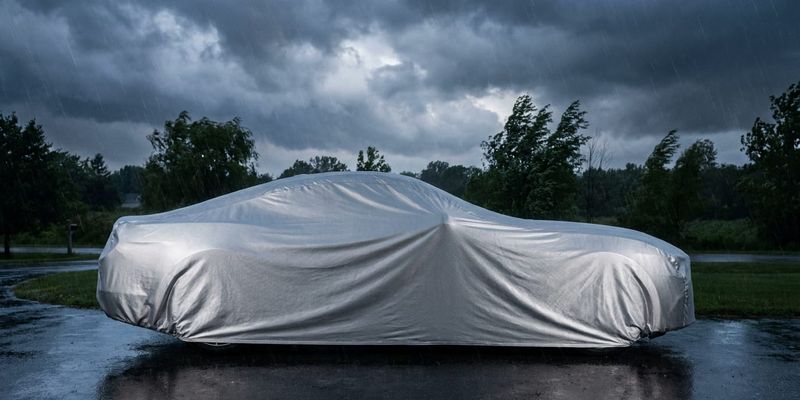
Outdoor car covers work differently by necessity. The outside has to handle rain, sun, and wind, so that's where the technical, weatherproof fabric lives. The soft lining gets reserved for the inside only, where it's protected from the elements and can focus purely on the paint.
If you're storing a car in a garage and want the softest interior possible, it's worth reading through the full guide to using car covers inside before picking a cover. And if you want a concrete example of a full-soft-lining build, the indoor black satin cover line is built this way from the ground up, soft on both sides since there's no weather to block.
Lining, Fit, and Waterproofing Work Together
A soft lining only protects your paint if the cover actually fits. This part gets overlooked constantly. A loose universal cover lets the lining shift around with every breeze, and shifting fabric against paint is just friction with extra steps.
Custom-fit car covers solve this by keeping the lining in consistent, low-friction contact with the body panels instead of flapping loose at the edges. Fit isn't a cosmetic detail here, it's the thing that determines whether the lining does its job or works against you.
Outer waterproofing and inner lining should really be evaluated together rather than separately, since one affects how the other performs. If you want the deeper materials breakdown on the outer side, the waterproof fabrics guide covers that in more detail.
Climate matters too. If you're dealing with hail-prone or coastal conditions, pairing a tougher outer shell with a reinforced inner lining matters more than it would in a mild, dry climate. Hail car covers are built with that combination specifically in mind, not just a thicker shell with the same thin lining underneath.
Keeping the Interior Lining in Good Shape
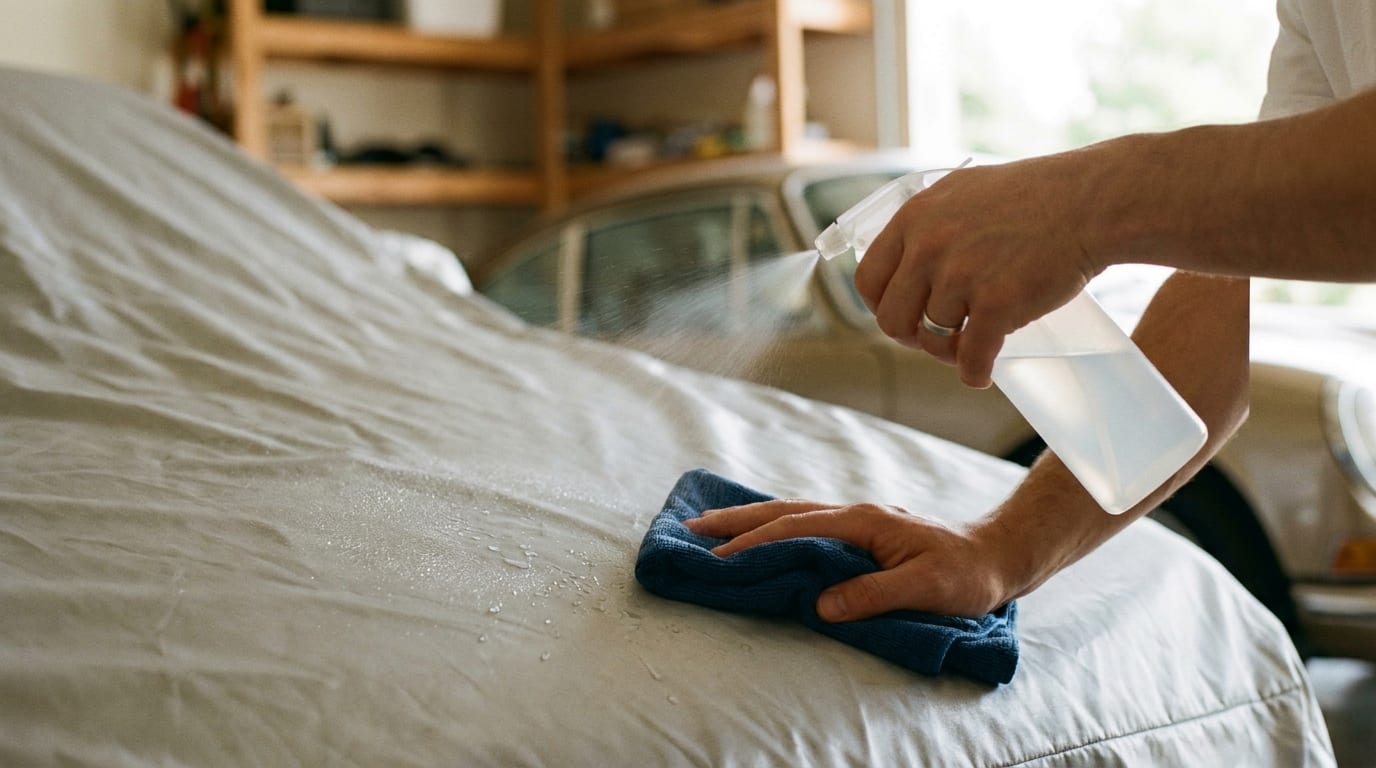
Basic care goes a long way here. Shake out debris before folding the cover, and never stuff a wet cover away, since trapped moisture breaks down lining fibers over time. It's a quiet kind of damage. You won't see it happen, you'll just notice the lining feels rougher a season later.
Stick to a gentle detergent and air-dry it. Harsh degreasers strip the brushed nap right off the fabric, which defeats the whole point of having a soft lining in the first place. The cover care guide covers the basics if you need a quick refresher.
For a full wash routine, the step-by-step cleaning guide walks through the process start to finish. And if you're noticing thinning or bald patches on the inside of your cover, that's not a cleaning problem anymore. That's a sign the cover's done its job and it's time to replace it.
Choosing a Cover With the Right Interior for Your Vehicle
The decision really comes down to where your car lives. Garage or indoor storage favors fleece or satin linings, since there's no weather to plan around. Daily outdoor exposure favors brushed tricot paired with a durable outer shell, since that combination handles both the elements and the day-to-day friction of wind movement.
If you're not sure which setup fits your vehicle, the cover finder tool makes it easy to match a cover to your car and your climate without guessing. Worth a look before you buy, especially if you've been burned by a universal cover before.
Durability concerns are fair ones to have, and CarCovers backs its covers with a lifetime warranty, which gives you some real reassurance about how the lining holds up over years of actual use, not just the first few months.
The inside of a cover protects your paint every bit as much as the outside protects you from weather. Worth remembering before you buy on price alone, and worth revisiting the next time you're curious what else goes into getting a cover right. If this kind of material breakdown is useful, it's worth poking around the rest of the car care articles for more of the same.