What Is a Stormproof Car Cover? A Straight Answer, Plus Materials Compared
Published
What Is a Stormproof Car Cover?
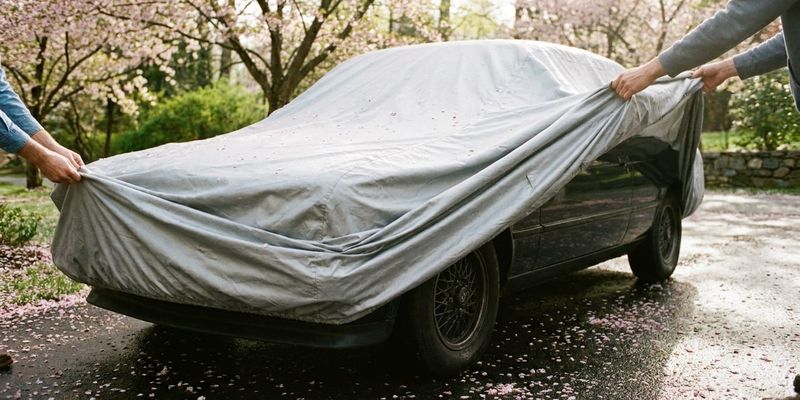
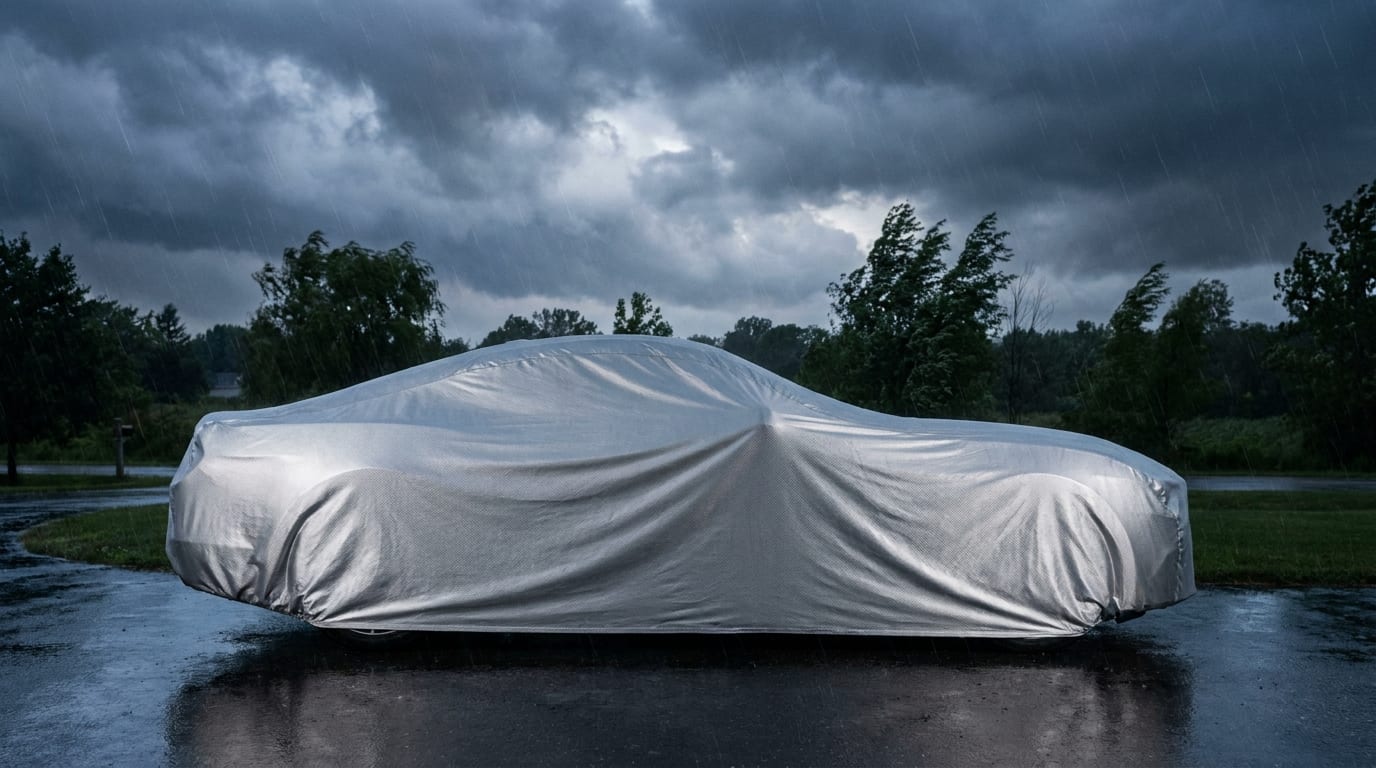
A stormproof car cover is a heavy-duty, multi-layer cover built to handle wind, hail, heavy rain, and snow, not just an afternoon drizzle or a dusty driveway. That's the whole answer. If you're asking what is a stormproof car cover because you're tired of wiping down a vehicle after every weather event, this is the category you want.
The real difference between a stormproof cover and a basic water-resistant one comes down to three things: a waterproof outer shell, reinforced stitching at the seams, and a securing system, usually an elastic hem paired with grommets or straps, that keeps the cover anchored in place while wind is actively trying to rip it off. A basic cover might shrug off a light mist. A storm will find every weak seam and loose edge a cheaper cover has.
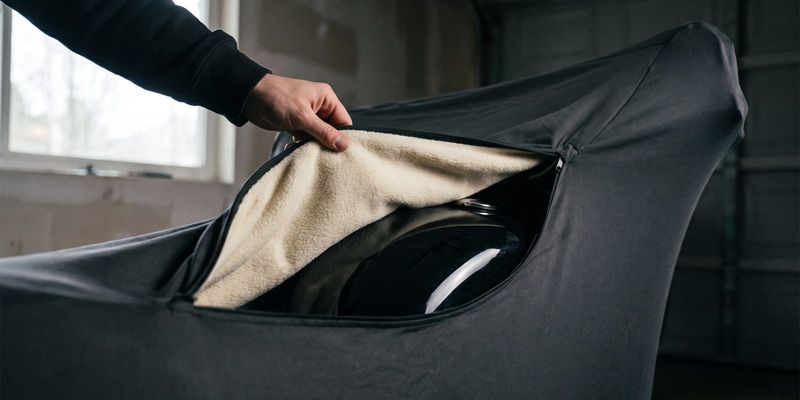
Most stormproof covers use a layered build: a tough woven or non-woven outer layer that takes the abuse, and a softer inner lining that keeps the fabric from sanding down your clear coat every time the wind shifts it against the body. You can read more about how these layers work together in this guide to using a car cover outdoors.
One thing worth clarifying up front: "stormproof" isn't a specific fabric. It's a functional label, more marketing shorthand than a material spec. Two covers can both be called stormproof and perform completely differently in a real storm. So don't shop the label, shop the construction. Check the waterproof car cover specs, the seam work, and the securing hardware before you decide anything's actually going to hold up.
Stormproof Car Cover Materials Compared

Fabric is where most of the real difference lives. Here's how the common options stack up against each other.
| Material/Fabric | Waterproofing Level | Breathability | UV Resistance | Best For |
|---|---|---|---|---|
| Multi-layer non-woven polypropylene | High | Moderate | Strong | Year-round outdoor storage in mixed climates |
| Polyester taffeta with waterproof coating | Good | Decent | Moderate | Moderate rain and snow regions |
| PEVA or vinyl-laminated fabric | Very high (near-total) | Low | Lower | Short-term storm or emergency use |
| Ripstop fabric with acrylic coating | High | Good | Strong | Hail-prone or high-wind regions |
A quick note on that "waterproofing level" column: more isn't automatically better. A fabric that's fully sealed, like vinyl-laminated material, keeps every drop out, but it also keeps moisture in. Condensation forms underneath, has nowhere to go, and you end up with mold or mildew on your paint instead of water spots. That's why breathability matters almost as much as waterproofing itself. The better stormproof covers are engineered to vent water vapor while still blocking liquid water from getting through, which is a harder balance to hit than it sounds. For a deeper look at how these fabrics are actually engineered, this breakdown of waterproof fabrics is worth a read before you buy.
Key Features That Make a Cover Truly Stormproof (Beyond Fabric)
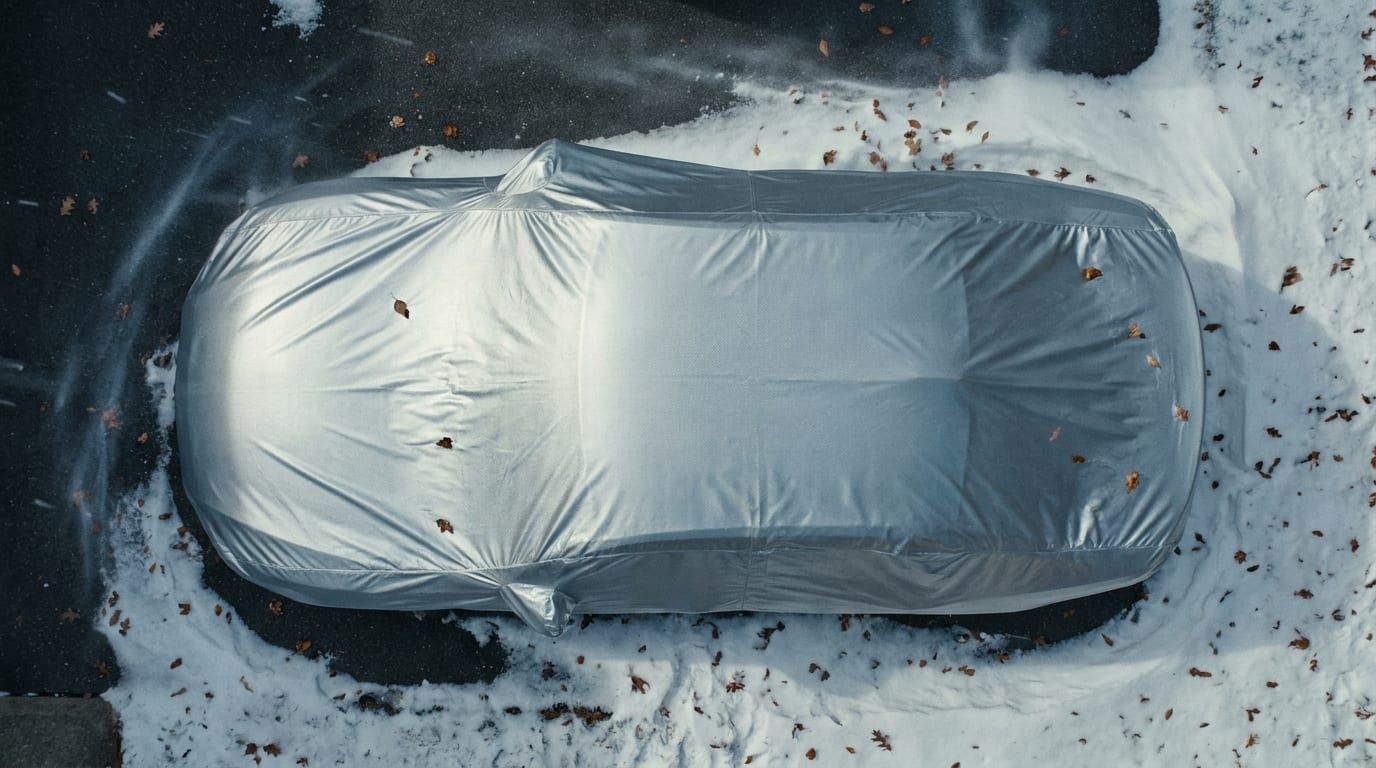
Fabric gets all the attention, but it's the construction details that decide whether a cover survives its first real storm or ends up wrapped around a fence three houses down.
Taped or reinforced seams matter more than people expect. Every stitch hole is a potential leak point, and in a sustained downpour, an untaped seam will let water through even on an otherwise solid fabric. Then there's the hem and anchor system: elastic hems combined with grommets or strap attachments keep the cover pinned to the vehicle instead of ballooning up and flapping in high wind. A cover that isn't anchored down doesn't just underperform, it can tear itself apart or blow off entirely mid-storm.
Underneath, a soft fleece or felt lining does quiet but important work. Wind doesn't hold a cover still, it moves it, and a cover without a soft inner layer will slowly scuff and swirl your paint every time that happens. Finally, UV-stabilized coatings keep the fabric itself from going brittle. A cover that gets baked in the sun between storms and then flexed hard during the next one will crack faster if it wasn't treated for UV exposure in the first place.
Who Actually Needs a Stormproof Cover
Not every car owner needs this tier of protection. If your vehicle sleeps in a garage every night, a lighter indoor cover does the job fine.
But if you store outdoors full-time, with no garage or carport, you're a different story, especially in hail belts, coastal storm corridors, or areas that get heavy snow. These are the conditions a stormproof outdoor car cover is actually built for.
Anyone who's already dealt with hail damage knows how fast it adds up, and how often it happens in certain regions. Severe hailstorms aren't rare freak events in a lot of the country, they're a recurring seasonal risk. If you want a sense of just how damaging these storms have gotten historically, this look at some of the worst hailstorms in U.S. history is a sobering read. If you live somewhere on that map, a hail-rated car cover isn't overkill, it's just matching the gear to the actual risk.
Seasonal storage is the other scenario people underestimate. A car that sits for weeks between drives, maybe a weekend car or a backup vehicle, racks up far more total storm exposure than one driven daily. Fewer drives doesn't mean less risk. It often means more, because the cover is doing all the work with nobody checking on it.
How to Choose the Right Stormproof Cover for Your Vehicle
Start with fit. A custom-fit car cover seals tighter around the body than a universal one, and in wind-driven rain, that tighter seal is the difference between water running off the surface and water finding its way under a loose edge. Universal covers flap more. Flapping covers let water in, and they wear out faster.
If hail is a genuine risk where you live, don't settle for a generic stormproof label. Look specifically for a hail-rated cover with extra padding. Standard stormproof construction handles wind and rain well, but hail is a different kind of impact stress, and a cover built for it will have noticeably thicker padding over the roof and hood.
Check the warranty before you buy, not after. Storm exposure is the harshest real-world test any cover will face, and a company that's confident in its fabric and stitching will back it with real warranty coverage. That's often a better signal than marketing copy.
Last thing: confirm the cover is actually rated for outdoor use. Satin and fleece indoor covers get mistakenly left outside more often than you'd think, and they're not built for any of this. If you're not sure which fit or fabric matches your specific vehicle and climate, a cover finder tool can narrow it down faster than scrolling product pages guessing.
Caring for a Stormproof Cover After Severe Weather
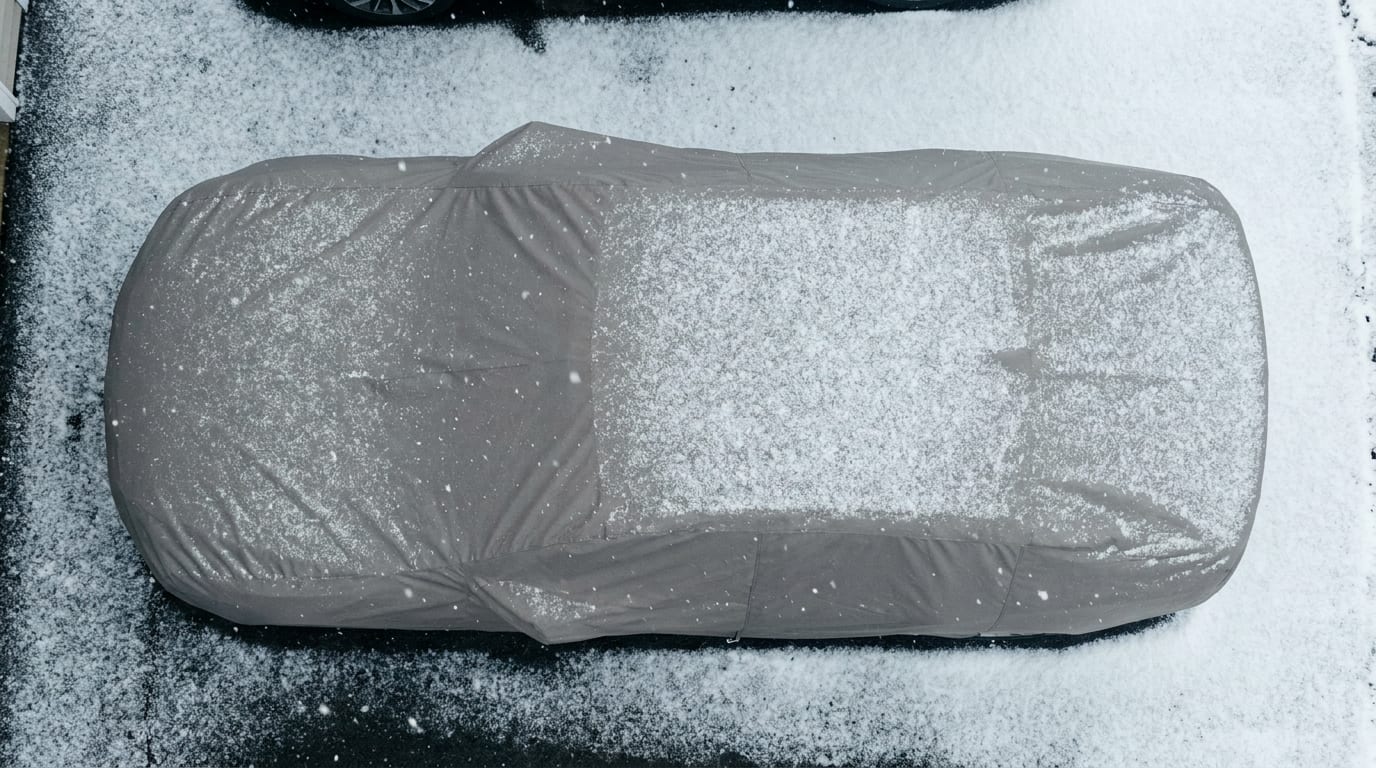
A storm hitting the cover and not the paint is a win. But the cover still needs some attention afterward, or you're just trading one problem for another.
Dry it out fully before folding it away. A sealed, waterproof fabric that gets folded up damp is a mold incubator, and once mildew sets in, it's hard to fully get rid of. Give it a few hours of air time first.
After any high-wind event, check the grommets, straps, and seams. These are the first points of failure, and a strap that's half torn through won't announce itself until it fails completely during the next storm. A quick visual check takes two minutes and catches most of this early.
Clean the cover periodically, too. Trapped dirt and grit act like sandpaper against the waterproof coating every time the fabric flexes, slowly wearing it down. Cleaning it properly every so often keeps the coating intact and gets you more years out of the cover before replacement.
Bottom Line: Is a Stormproof Cover Worth It?
If your vehicle lives outside and actually faces wind, hail, or heavy rain on a regular basis, yes, it's worth it. Weigh the cost of a good cover against what paint correction or hail repair runs, and the math isn't close.
If you're still narrowing down which material and fit makes sense for your specific vehicle and climate, it's worth spending ten minutes with a cover finder before buying anything. And if you're comparing two similarly priced options, let the warranty be your tiebreaker. A company willing to stand behind a cover for years is telling you something about how it's actually built, not just how it's marketed.
If you found this useful, it's worth poking around the rest of our car care guides, there's more on fit, fabric, and storage conditions than we could fit into one article.