The Direct Answer: Best Fit Car Cover for a Two-Door Coupe
Here's the short version: what is the best fit car cover for a two door coupe? A custom-fit cover, built specifically for your car's year, make, and model. Not a universal one-size-fits-all sheet. Semi-custom is a fine compromise if budget is tight, but a universal cover is the option you settle for when nothing else fits your situation.
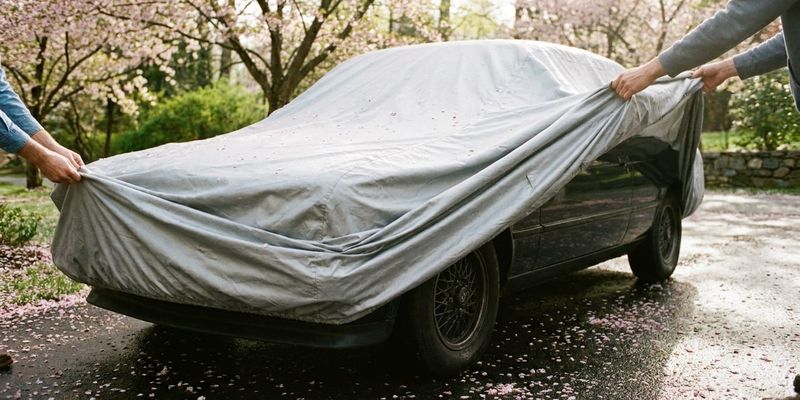
Fit matters more on a coupe than it does on, say, a four-door sedan or an SUV. Coupes have a shorter overall body, a lower roofline, and doors that run longer front to back since there's no B-pillar breaking up the panel. A universal cover cut for "mid-size car" doesn't know any of that. The slack bunches up, flaps in wind, and that flapping fabric rubs against clear coat over time. Worse, loose material can leave the side mirrors exposed or bunch awkwardly around a rear spoiler, which defeats the point of covering the car in the first place.
There are really three fit tiers to choose from: universal, semi-custom, and custom. The rest of this article walks through how to pick between them based on your budget and how long you plan to keep the car, plus how to match fabric to your climate and parking situation. But if you want the rule of thumb now: daily outdoor protection or long-term storage calls for a custom-fit car cover. Semi-custom works if you're mostly parking in a garage and just want a reasonable layer of protection without the higher price tag.
Comparing Car Cover Materials and Fabrics for Coupes

Fit tier is one decision. Fabric is the other, and they're not the same question. A perfectly fitted cover in the wrong material still leaves your coupe exposed to whatever your climate throws at it.
| Fabric | Best Use | Breathability | Water Resistance | Durability |
|---|---|---|---|---|
| Multi-layer polypropylene | Outdoor, daily use | High | Good against rain, UV-stabilized | Strong, built for repeated use |
| Solution-dyed polyester (softshell) | Outdoor, moderate climates | Moderate to high | Water-resistant, not fully waterproof | Scratch-safe, holds color well |
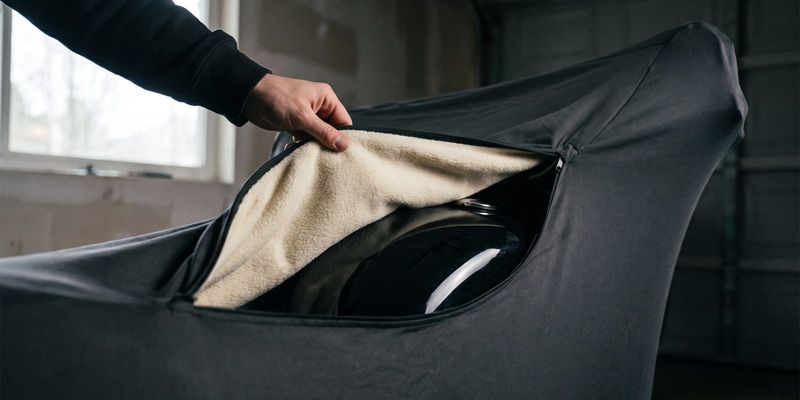
| Satin / fleece-lined | Indoor only | High (no weather exposure) | None needed | Soft against paint, light dust duty only |
| Vinyl / PVC-backed | Outdoor, heavy-duty | Low | Maximum | Durable but can trap moisture if not breathable |
Multi-layer polypropylene is the default pick for coupes that live outside. It breathes well enough to avoid trapping moisture underneath while still shedding rain and blocking UV. Solution-dyed polyester softshell covers trade a bit of water resistance for a softer, scratch-safe inner layer, which matters more on a coupe than you'd think, since those long doors mean more fabric sliding across the paint every time you install or remove the cover.
Satin and fleece-lined covers are indoor-only. They're built for dust and light scuffs in a garage, not weather, so don't expect them to hold up outside. Vinyl or PVC-backed covers sit at the other extreme: maximum water resistance, but lower breathability, which can be a problem if you're not pairing them with proper ventilation or only using them in short bursts rather than long-term storage.
If your coupe has low ground clearance, chrome trim, or a glossy aftermarket wrap, lean toward the scratch-safe linings. You're going to be sliding this cover on and off over a longer span of door than a sedan owner deals with, and cheap interior fabric will show it over a season or two. Pick fabric based on where and how you park, which gets its own section further down, rather than just going with whatever's cheapest on the shelf.
Custom-Fit vs. Semi-Custom vs. Universal Covers
Once you've got a fabric in mind, the fit tier decision is really about how precisely that fabric is shaped to your car.
Custom-fit covers are patterned to your specific coupe model. Every seam, strap, and elastic hem is placed based on that car's actual dimensions. That's what gets you the tightest fit and the best real-world protection, and it's why these sit at the top of the price range.
Semi-custom covers are sized by general vehicle length and shape categories rather than a specific model. If your coupe has a fairly common silhouette, a semi-custom cover can land a decent fit for a mid-range price. It won't be flush everywhere, but it's a step up from a true universal.
Universal covers are the one-size-fits-many option, and they're exactly as loose as that sounds. On a coupe's shorter body, that extra material tends to pool at the bumpers, gap around the mirrors, and flap in any real wind. They're the cheapest option on the shelf, and that's really the only thing in their favor.
The decision rule is simple. If the car sits outside year-round or you're keeping it long-term, spend on custom-fit. If it's mostly garage-kept and you just need occasional or short-term coverage, semi-custom gets the job done without the premium. Either way, run your coupe through a cover finder tool before buying so you're not guessing at sizing.
Sizing and Fit Details Specific to Two-Door Coupes
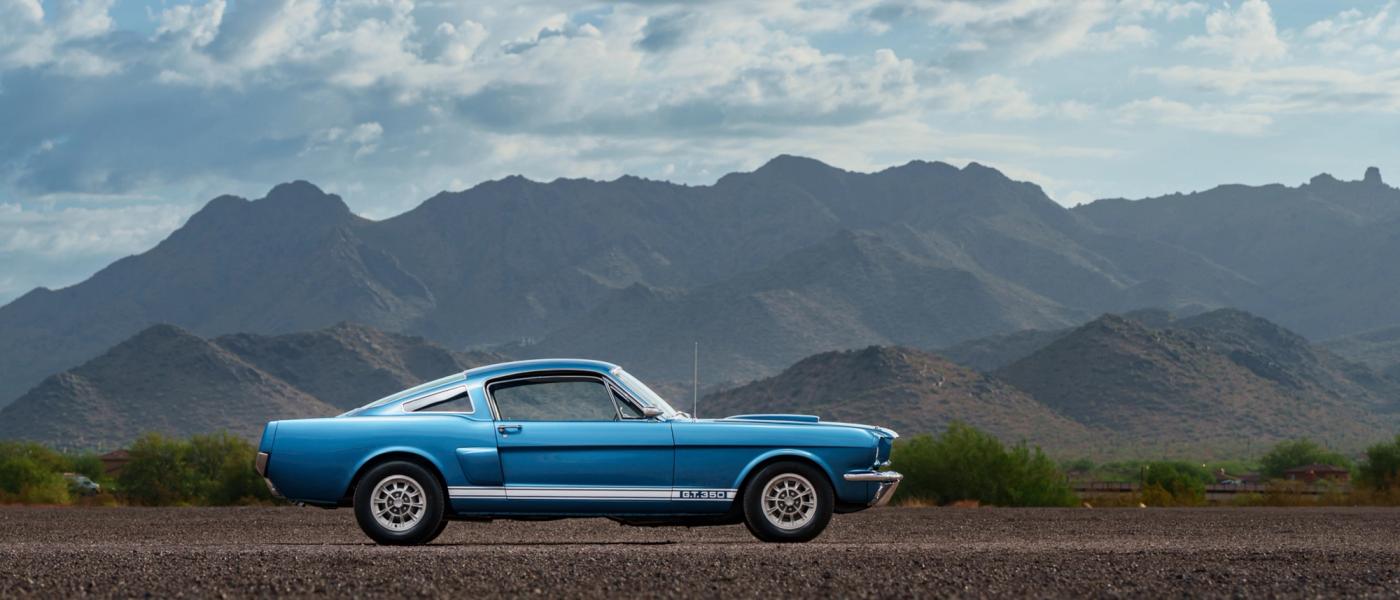
Coupe doors are longer than a sedan's, since there's no B-pillar to break the panel in two. That means the cover needs extra fabric allowance right at the door line. Skimp here and you'll get stress tears every time someone opens a door with the cover partially on, which happens more often than people expect.
Roofline matters too. Fastback coupes (the sloped-roof kind that runs straight into the trunk) and notchback coupes (with a distinct trunk line) need different hem placement. A cover built for a notchback won't drape right on a fastback, and vice versa, because the elastic hems and strap points sit in different places relative to where the roofline actually ends.
Beyond the big shape questions, check the small stuff: mirror pockets so the cover doesn't bunch awkwardly over the side mirrors, an antenna patch if your coupe still has a mast antenna, and enough clearance for a rear spoiler if your model has one. These details separate a cover that fits from one that just technically goes on the car.
Before you buy anything, confirm the fit using proper sizing guidance for your vehicle and run your exact year, make, and model through the cover finder tool. It takes a few minutes and saves you a return.
Matching the Cover to Where and How You Park
Fit tier and fabric are two separate decisions, and so is this one: where does the car actually sit?
If your coupe parks outside daily, prioritize waterproof, UV-stabilized multi-layer fabric and don't skip the wind straps. A cover that's well-fitted but unsecured still flaps in a storm, and a flapping cover acts like sandpaper against your paint.
Garage or indoor storage is a different problem entirely. You don't need weatherproofing in there. What you need is something soft that won't scratch the finish and will catch dust before it settles on the car. That's where indoor car covers in satin or fleece earn their keep.
Live somewhere that gets hail or regular severe storms? That's a case for a heavier-duty, padded hail-protection cover built to absorb impact rather than just shed water. Regular outdoor fabric isn't designed for that kind of abuse.
Worth repeating: fit tier and fabric are independent choices. You can run a custom-fit cover in indoor satin, or a semi-custom cover in heavy-duty outdoor vinyl. Decide both before you buy, not one and then the other as an afterthought.
Accessories That Help a Cover Fit and Stay Secure
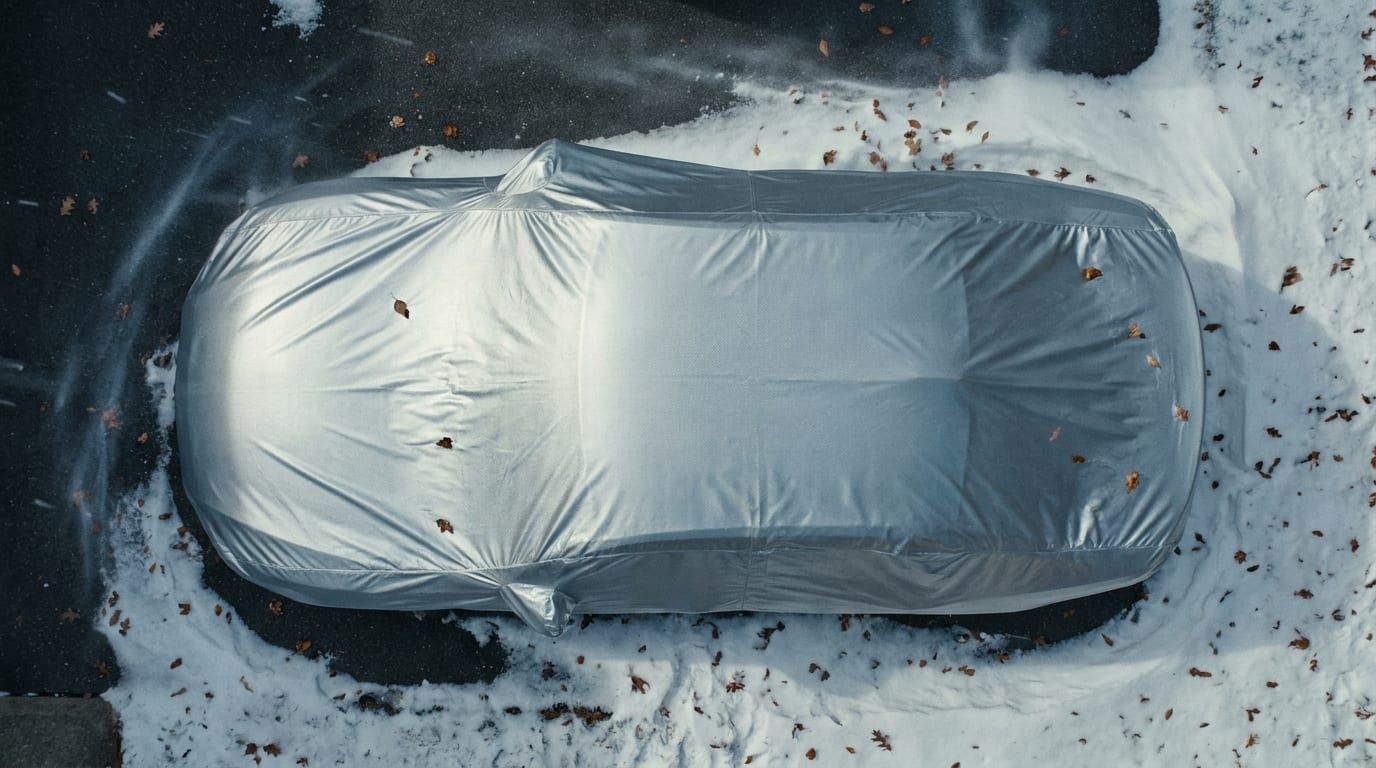
Even the best-fitted cover benefits from a little backup.
Gust straps keep a properly sized cover from shifting in wind, and coupes catch more underbody wind than taller vehicles because they sit lower to the ground. Cable locks matter if you're parking outside in a public lot or shared space, where a cover is also, frankly, a mild theft deterrent. Support poles help on fastback-style coupes where the roofline leaves some slack over the glass, preventing water from pooling instead of running off.
None of these fix a bad fit. But they do make a good fit last longer, especially if your coupe spends any real time parked outside or somewhere exposed.
Keeping a Well-Fitted Cover Working Over Time
A cover that fits perfectly on day one won't stay that way forever if you ignore it. Elastic hems stretch out. Seams stiffen if you skip cleaning. Straps loosen. None of that is dramatic, it just creeps up on you until the cover that used to sit snug is suddenly billowing at the edges.
Clean the cover per the fabric's actual instructions, not a generic routine, since satin and polypropylene don't hold up to the same treatment. Our guide to cleaning a car cover walks through it by material. Check elastic hems and strap tension every so often, especially after a rough stretch of weather. And when you're comparing custom-fit options, look at the warranty coverage too, since that's a reasonable signal of how much the manufacturer trusts their own stitching.
So that's the full picture: fit tier, fabric, parking situation, and a bit of ongoing care. Get those four right and the cover actually does its job.
Finding the Right Fit for Your Coupe
Here's the path, start to finish: figure out your coupe's exact year, make, and model, pick a fit tier based on how and where you store the car, then choose a fabric based on indoor versus outdoor use and your local climate.
If you want to skip the guesswork, run your coupe through a cover finder to see what custom and semi-custom options actually exist for your specific model. No pressure to go top-tier, either. Browse what's available for your coupe, compare a couple of fabric options side by side, and pick what actually matches your situation. If you're not ready to buy yet, it's worth bookmarking this one and coming back once you've settled on where the car's going to live this winter.